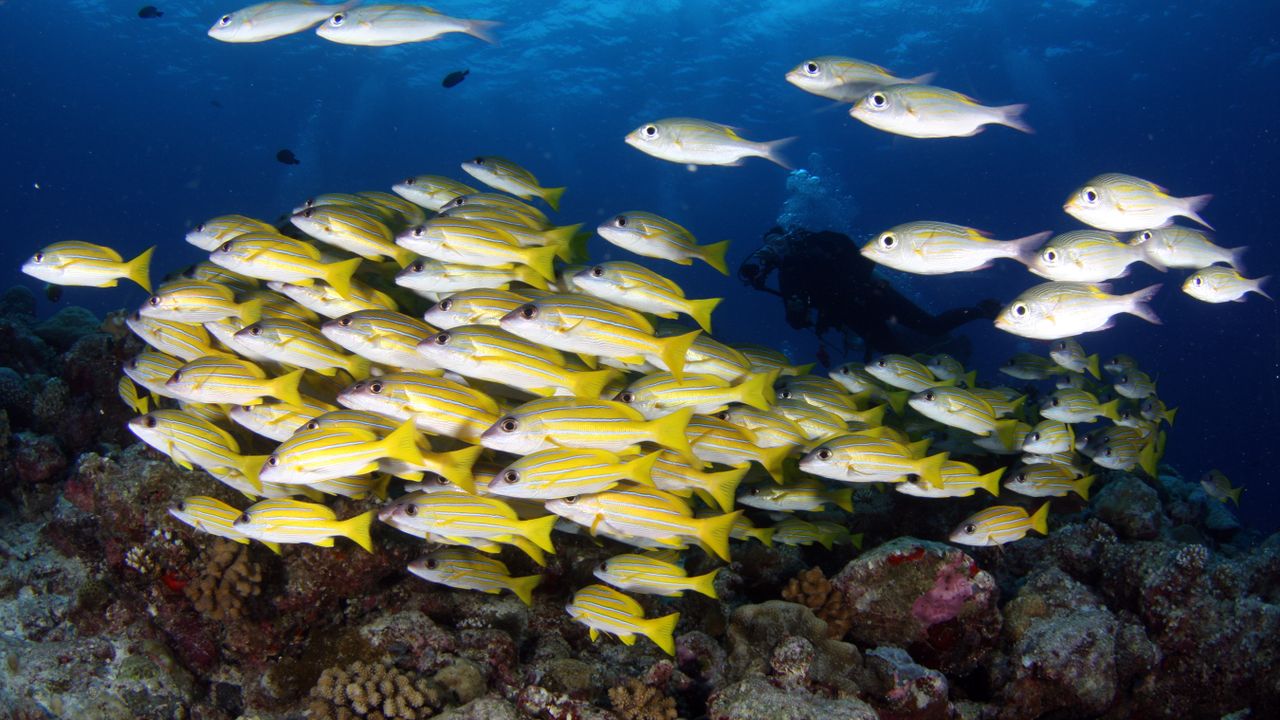
Scuba diving myths keep a lot of people out of the water. We meet travelers every season who have wanted to try diving for years but held back because of something they heard: you need to swim like an athlete, sharks are everywhere, your ears will hurt, it costs a fortune.
This guide is for curious non-divers and nervous beginners. We take the most common myths one at a time and answer each with a fact from PADI, the world’s largest dive training agency, or with a link to one of our deeper guides. A few myths hold a grain of truth, and we say so.
Which scuba diving myths are most common, and are they true?
Quick answer: The big ones are that you must be a strong swimmer, that sharks are a major danger, that diving is only for the young, that tanks hold pure oxygen, that your ears always hurt and that it is too expensive. PADI’s answers show each is false or overstated, though some swimming ability and a medical screen are required.
Myth 1: you must be a strong swimmer
You need some swimming ability, but not speed or style. According to PADI’s scuba certification FAQ, students show it by swimming 200 meters or yards without stopping, or 300 with mask, fins and snorkel, and by floating or treading water for 10 minutes. Any stroke is fine and there is no time limit.
Underwater, divers move slowly with fins rather than swimming laps. If you are unsure of your skills, our guide on whether non-swimmers can scuba dive explains what is possible, including a supervised try-dive.
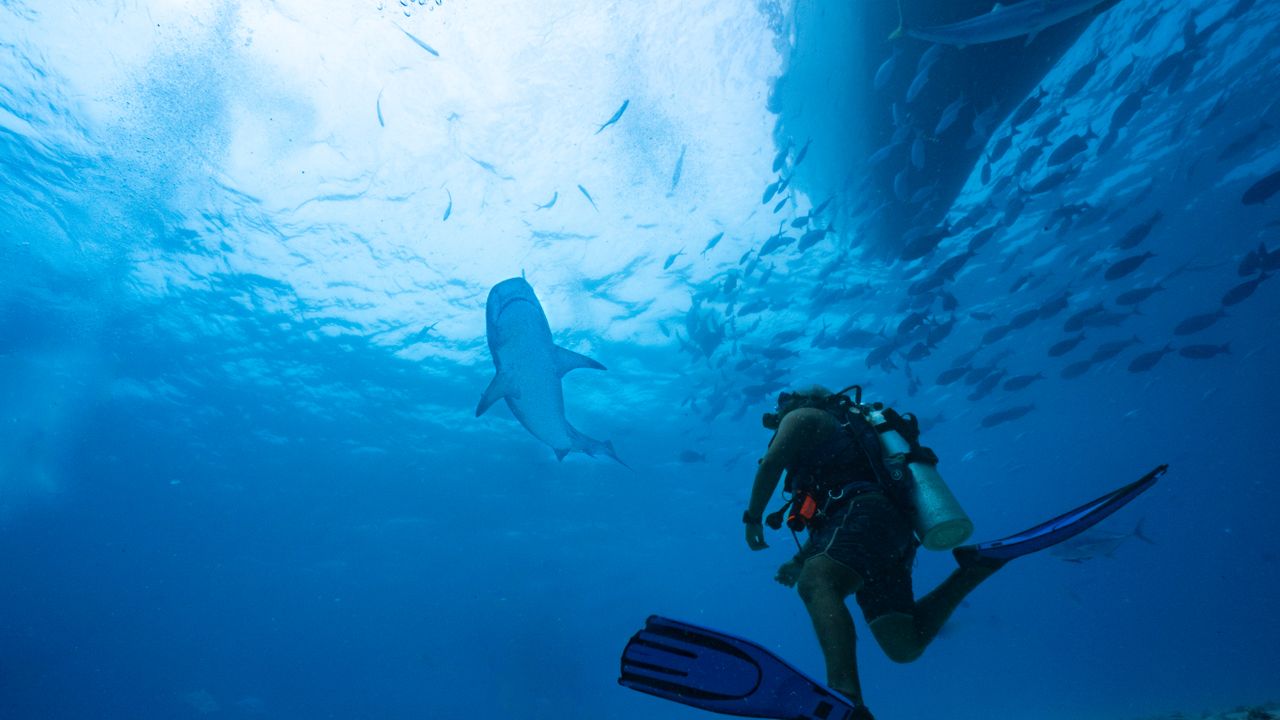
Myth 2: sharks are a big danger to divers
PADI says shark incidents do occur but are very rare, and that most involve spearfishing or people feeding sharks. Most of the time, a shark you see is just passing through. Many divers spend years hoping to see one at all.
PADI lists the most common diving problems as sunburn, seasickness and dehydration, all preventable. For the species you are likely to meet on a Caribbean reef, read our guides to nurse sharks and how to behave around them and Caribbean reef sharks.
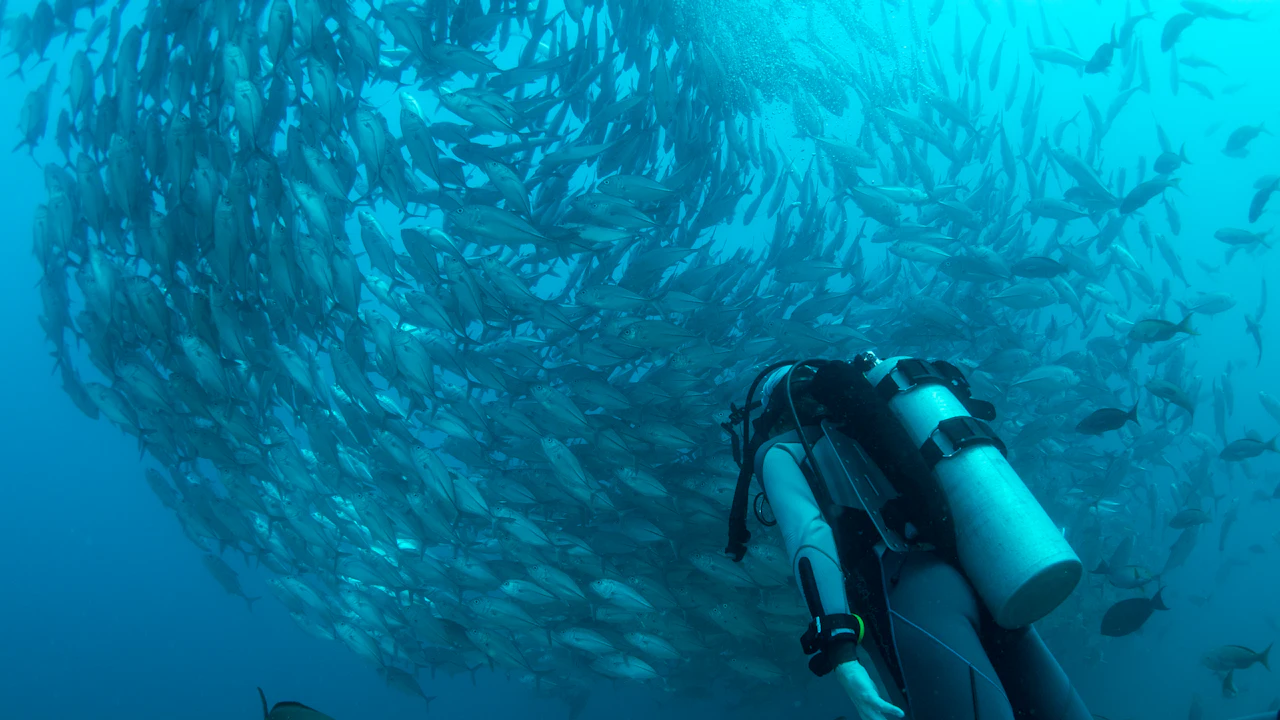
Myth 3: diving is only for the young and fit
PADI’s minimum age for most courses is 10, and its FAQ says that any person who can meet the performance requirements of the course qualifies for certification. No upper age limit is listed. What matters is your health and fitness on the day, not the year you were born.
Our guide to scuba diving after 50 covers the health checks that become more important with age. Families can read about scuba diving for kids and what young divers can do.
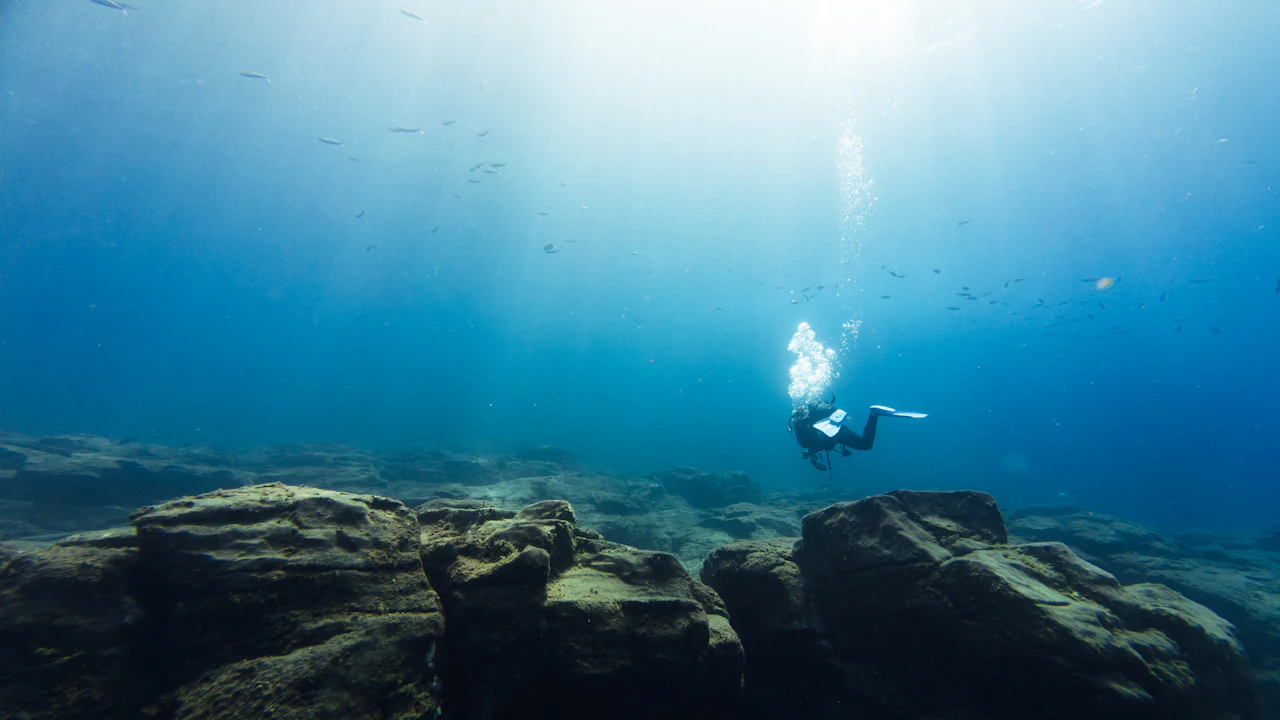
Myth 4: divers breathe pure oxygen
A standard scuba tank holds compressed air, the same mix you are breathing now, which is about 21 percent oxygen. Pure oxygen would be dangerous at depth. Some certified divers use enriched air nitrox, which carries a little more oxygen, after special training.
Our Enriched Air Nitrox course guide explains the difference between air and nitrox, and why each tank is analyzed and marked. If you wonder how long that air lasts, see how long a scuba tank lasts.
Myth 5: your ears always hurt
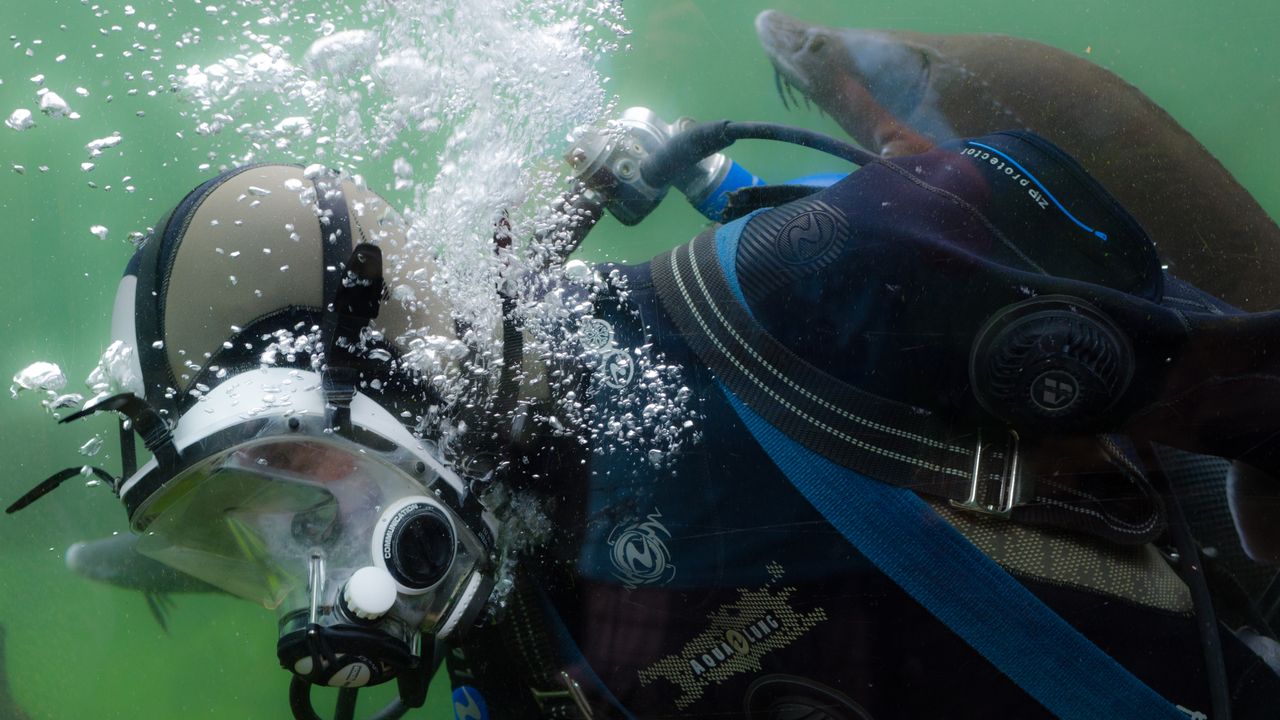
PADI explains that the pressure you feel at the bottom of a pool is the normal effect of water pressing on your eardrums. Divers learn to equalize, which relieves it, and PADI notes that people who adjust well to pressure changes when flying will likely learn this too. Ear or sinus problems can be an exception.
Pain is a signal to stop and ascend a little, never to push on. Our guide on how to equalize your ears when scuba diving walks through the techniques.
Myth 6: scuba diving is too expensive
PADI compares the cost of learning to dive with other adventure sports, such as a day of surfing lessons or a weekend of kayaking lessons. Prices vary by location, class size and what is included, so ask what materials, rental gear and fees are covered. You do not need to buy a full set of gear to start.
For our own courses and trips, see current course prices on our Water Sports page. If you would rather test the waters first, a Discover Scuba Diving experience on Ambergris Caye lets you try a real dive without committing to a full course.
Is scuba diving dangerous? Myth vs fact at a glance
Diving has real risks, which is why training, a medical screen and a careful instructor matter. The table sums up each myth, the fact behind it, and where to read more.
| Myth | Fact | Where to read more |
|---|---|---|
| You must be a strong swimmer | Swim 200 m/yd nonstop (any stroke) and float or tread water for 10 minutes | Can non-swimmers scuba dive |
| Sharks are a big danger | Incidents are very rare; sunburn, seasickness and dehydration are more common | Nurse sharks, Caribbean reef sharks |
| Only for the young | Minimum age 10; anyone who meets the course requirements can certify | Scuba diving after 50, kids |
| Tanks hold pure oxygen | Tanks hold air, about 21 percent oxygen | Nitrox course guide |
| Your ears always hurt | Pressure is normal and equalizing relieves it | How to equalize your ears |
| It is too expensive | Costs vary and compare with other adventure sports | Water Sports page |
| Anyone can dive anytime | A medical questionnaire comes first; pregnancy is a firm no | Medical questionnaire, diving while pregnant |
The one myth in reverse: anyone can dive
Some people assume there are no health rules at all. PADI says every student completes a brief medical questionnaire, and some answers need a doctor’s approval. Our guide to the scuba diving medical questionnaire explains it.
Pregnancy is the clearest case. PADI advises women to avoid diving while pregnant or trying to conceive, and our guide to scuba diving while pregnant covers why and what to do instead.
Nervous? Learn with a patient instructor
White Sands Dive Shop is a 5 Star PADI Dive Facility on the beach in San Pedro, owned and operated by PADI IDC Staff Instructor Elbert Greer. Our overview of learning to dive on Ambergris Caye explains each course step by step.
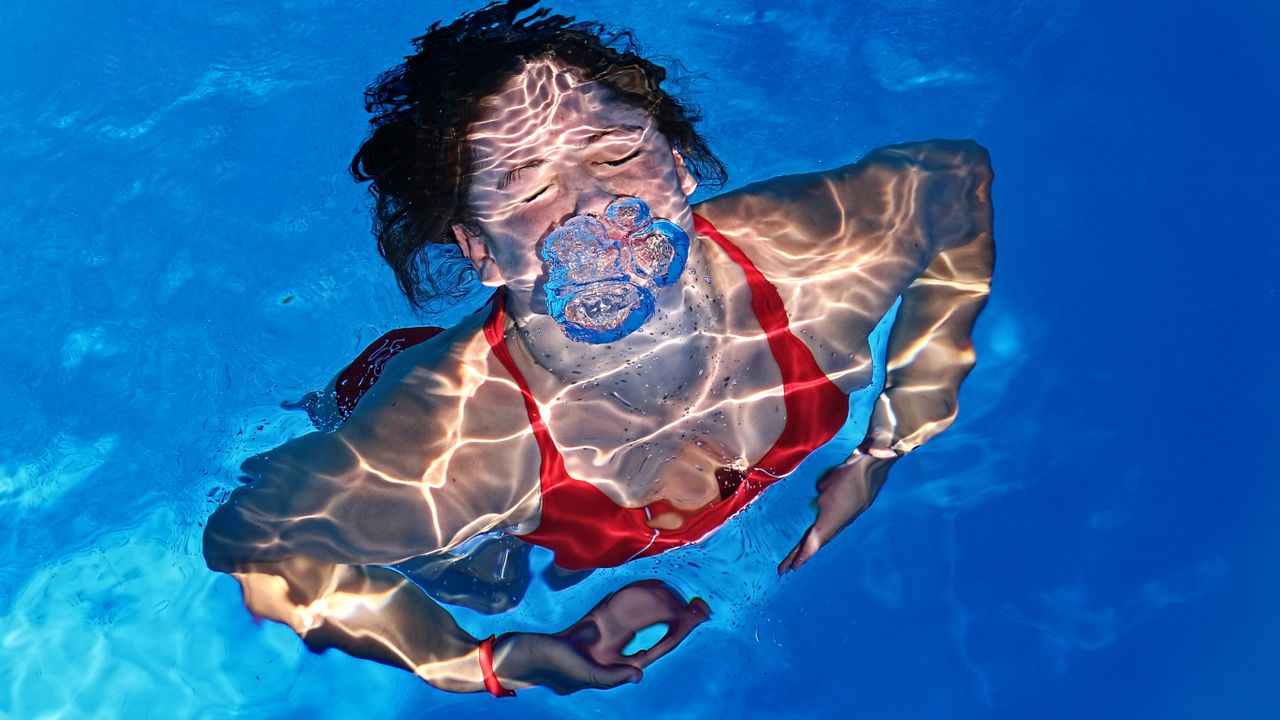
Fear is normal, and it passes with good teaching. Minette Layne wrote, “I was so panicked and you really calmed me down”, and Susan told Elbert, “You truly put me at ease and made the whole experience fun.” Read more in the letters from Elbert’s dive students.
Scuba diving myths: your questions answered
Is scuba diving dangerous for beginners?
Diving has risks, but training, a medical questionnaire and a qualified instructor manage them. PADI lists sunburn, seasickness and dehydration as the most common problems, and all are preventable.
Do I need to be a good swimmer to scuba dive?
You need some swimming ability. PADI asks students to swim 200 meters or yards without stopping, or 300 with mask, fins and snorkel, and to float or tread water for 10 minutes.
Is there an oxygen tank on my back?
No. A standard scuba tank holds compressed air, about 21 percent oxygen. Enriched air nitrox has a little more oxygen and needs extra training.
What if I feel claustrophobic?
PADI says many people find the weightlessness of diving freeing, and instructors let you go at your own pace. Tell your instructor about your worries before you start.
Am I too old to learn to dive?
PADI lists no upper age limit. Anyone who meets the course performance requirements and passes the medical screen can certify, so talk to your doctor if you have health questions.
Still unsure? Ask Elbert
If a myth or a worry is holding you back, tell us about it before your trip and we will answer honestly. Email Elbert at elbertgreer@fastmail.fm or call 011 (501) 226 2405.