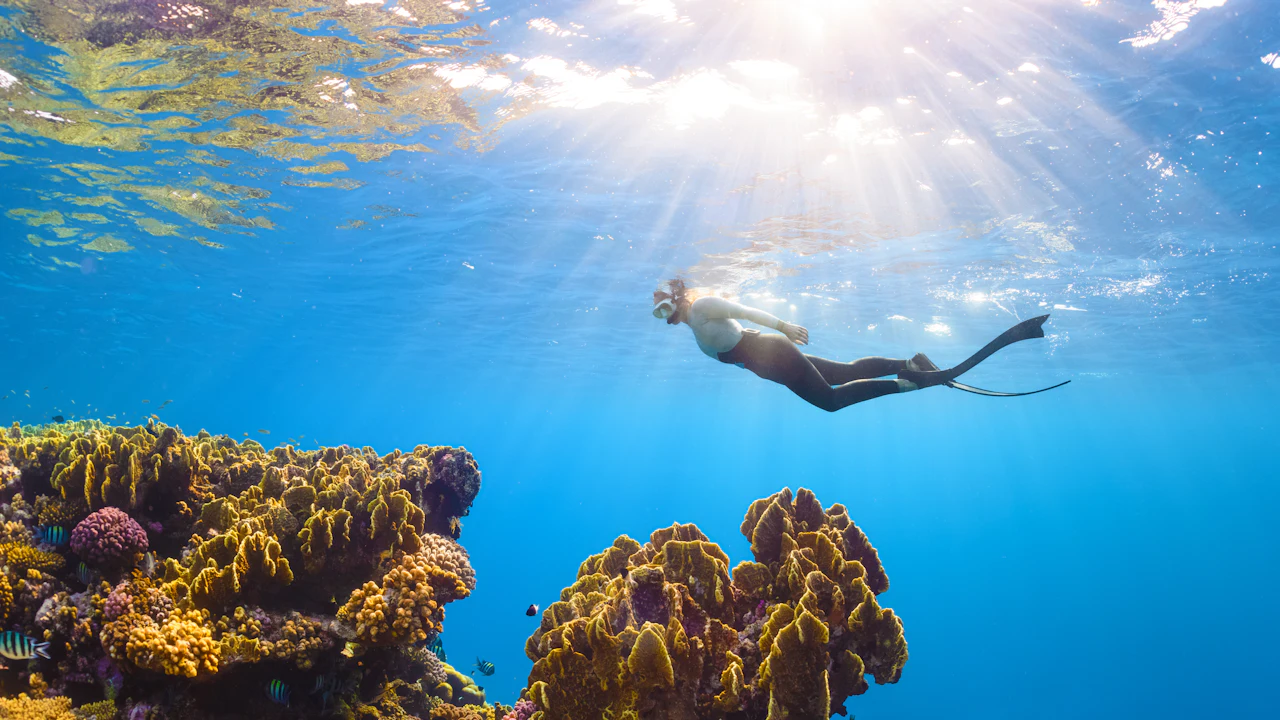
Plenty of people take their first breath underwater in their fifties, sixties or later, and plenty more come back to it after years away. Scuba diving after 50 is common and very doable, as long as you plan around your health and fitness rather than your birthday.
This guide is for first-time students, lapsed divers and certified divers over 50 planning a trip to Ambergris Caye. We cover age limits, the medical form, fitness, heat and hydration, and gentle ways to ease back in. It is general information, not medical advice, so talk to your own physician about your health.
Is scuba diving after 50 safe, and is there an age limit?
Quick answer: Age by itself does not stop you from diving. Fitness and health matter far more. Heart-related risk rises after 50, so answer the diver medical questionnaire honestly, see a physician wherever the form calls for one, keep up your fitness, stay cool and hydrated, and dive conservatively, starting with a refresher if you have been away.
Is there an age limit for scuba diving?
Divers Alert Network (DAN), the dive safety organization, sets no upper age cap of its own. It notes that many people in their 70s and 80s keep diving, although their diving style may change over time. In DAN’s words, the key to safe diving is physical fitness, not age.
Age still matters in one way. Every tissue ages, from the heart and blood vessels to the lungs and muscles, and even a fit 60-year-old will not match a fit 25-year-old.
What changes for scuba diving for older adults
The Divers Alert Network guide to health concerns for divers over 50 reports that the risk of a heart-related death while diving is about 10 times higher over 50 than under it. Hardening of the arteries can lead to a heart attack or an abnormal heart rhythm, and hard work such as finning against a current or carrying too much weight can set one off in a diver with heart disease.
Joints count too. DAN advises against diving during an arthritis flare-up, and it points out that ordinary arthritis aches can be confused with decompression sickness. For that reason it suggests conservative dive profiles.
The medical questionnaire and when to see a physician
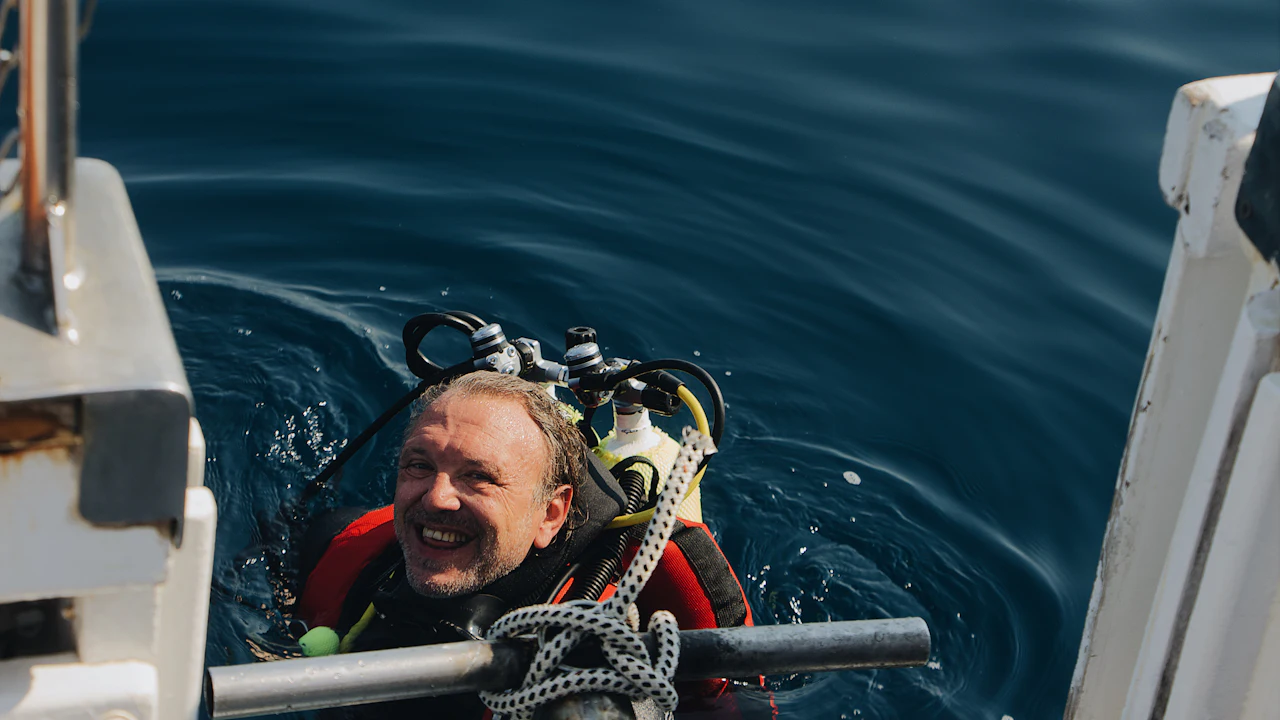
Every PADI course starts with the Diver Medical Participant Questionnaire. Page one is a set of yes or no questions, and one of them asks whether you are over 45. A yes there leads to follow-up questions on smoking, high cholesterol, high blood pressure and a family history of heart disease.
Certain yes answers mean taking the form to a physician before you start, and taking part in a course then needs the physician’s approval. Our guide to the scuba diving medical questionnaire and how the form works walks through every box.
We cannot tell you whether you are fit to dive, and neither can this page. Answer every question honestly, and if the form sends you to a doctor, book that visit at home well before your trip. DAN also suggests that divers over 45 have a medical exam at least once a year.

Fitness for diving after 50
Most reef dives are gentle, but the hard moments are the ones that count. DAN notes that a strong current, a long surface swim or helping a buddy all call for real exercise tolerance.
- Walk, swim or cycle several times a week in the months before your trip.
- Swim easy laps so a surface swim back to the boat feels routine.
- Build leg and core strength for climbing a boat ladder in full gear.
- Ask your doctor how your medicines might affect diving, as DAN advises.
There is no prize for lifting the heaviest tank. Gear up sitting down, ask for a hand with heavy lifting, and take your time on the ladder.
Heat, hydration and diving in the tropics
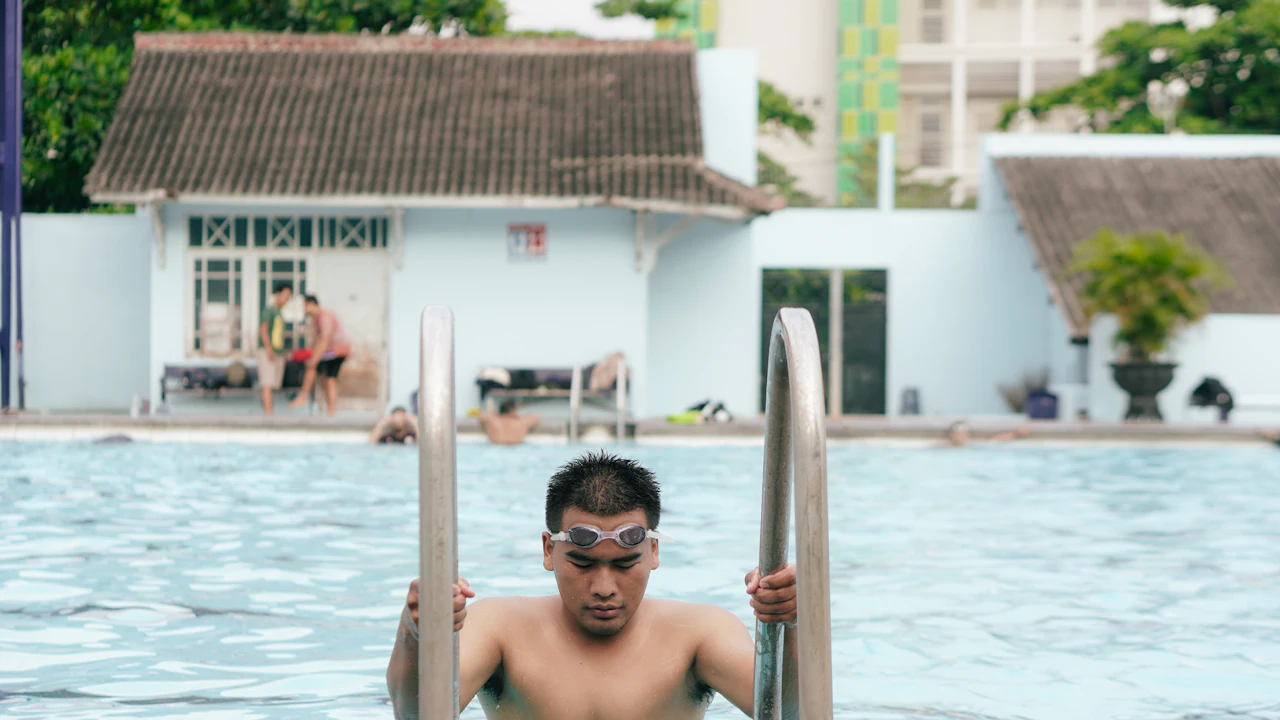
Warm water is kind to stiff joints, but the tropical sun on a boat deck adds its own load. DAN’s travelers’ guide lists good hydration as a key way to prevent heat illness. It adds that divers need more fluid because immersion and a snug wetsuit make you pass more urine.
Keep it in proportion. DAN’s decompression reference says sound hydration matters for good health, while heat stress and exertion are far bigger factors in decompression risk. It also warns against a hot shower or hot tub straight after a dive, which can encourage bubbles to form.
- Drink water steadily before and between dives, without forcing down large amounts.
- Wear a hat and a long-sleeved rash guard on the boat between dives.
- Keep exertion low after a dive.
- Skip the hot tub right after diving and let yourself warm up gently.
Easing back in: refreshers and private lessons
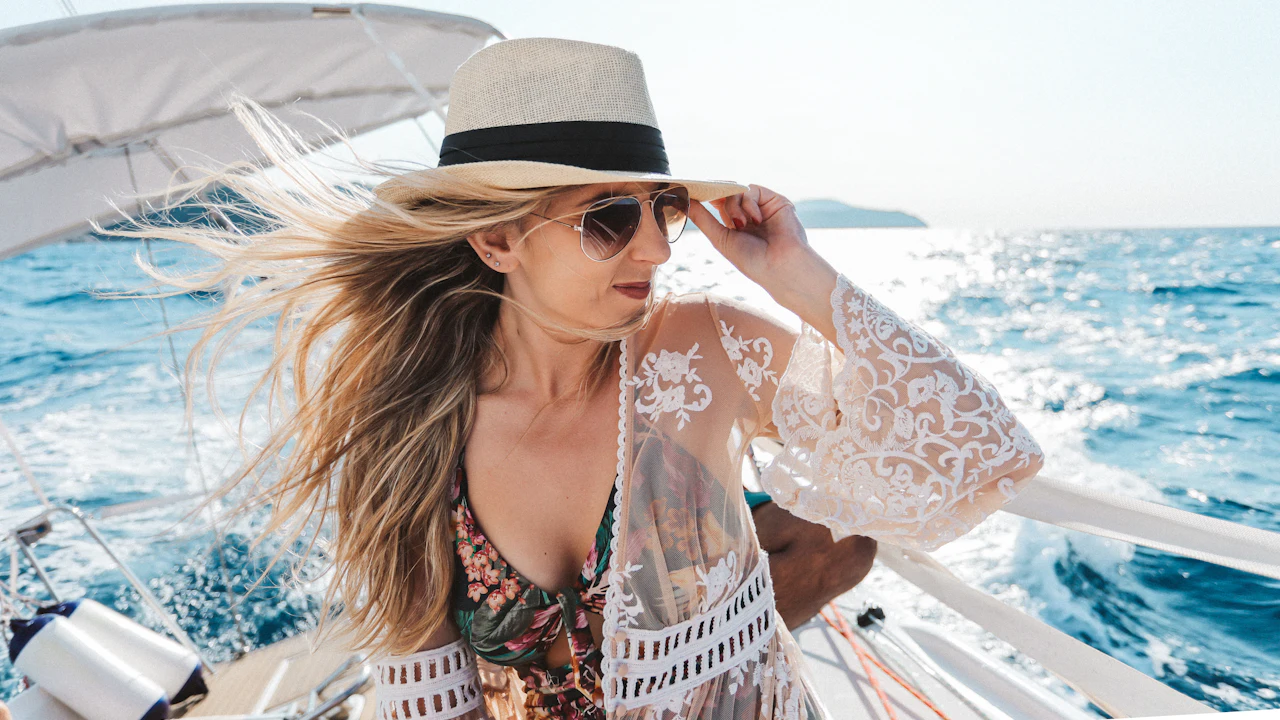
If you have been out of the water for a while, a refresher is the kindest first step. Our scuba refresher course on Ambergris Caye starts with a pool session to review your skills, then includes a dive with the instructor in the Hol Chan Marine Reserve and a snorkel at Shark Ray Alley.
Nervous divers do well with time and patience. Minette Layne wrote to Elbert after her refresher: “I was so panicked and you really calmed me down and set me up for a wonderful couple of weeks of diving and snorkeling.”
New to diving altogether? Our guide on how to learn to dive on Ambergris Caye lays out the first steps. If you would like to learn one to one at your own pace, read about private scuba lessons on Ambergris Caye and ask us what fits your dates.
| Option | Who it suits | What it involves | Good to know |
|---|---|---|---|
| Discover Scuba Diving | Curious first-timers who want a taste | Basic knowledge, a pool session with gear and one open water dive | Depths up to 40 ft with a certified divemaster |
| Scuba Refresher | Certified divers who have been away from diving | Pool skills review, a reserve dive with the instructor and a snorkel | A calm way to rebuild confidence first |
| Open Water Referral | Students who did their training at home | Four open water dives to finish the course | Allow two half days |
| Open Water Diver | Beginners ready for full certification | Five classes plus four open water dives | Allow 3-4 days |
Course details and current course prices are on our Water Sports page of PADI courses.
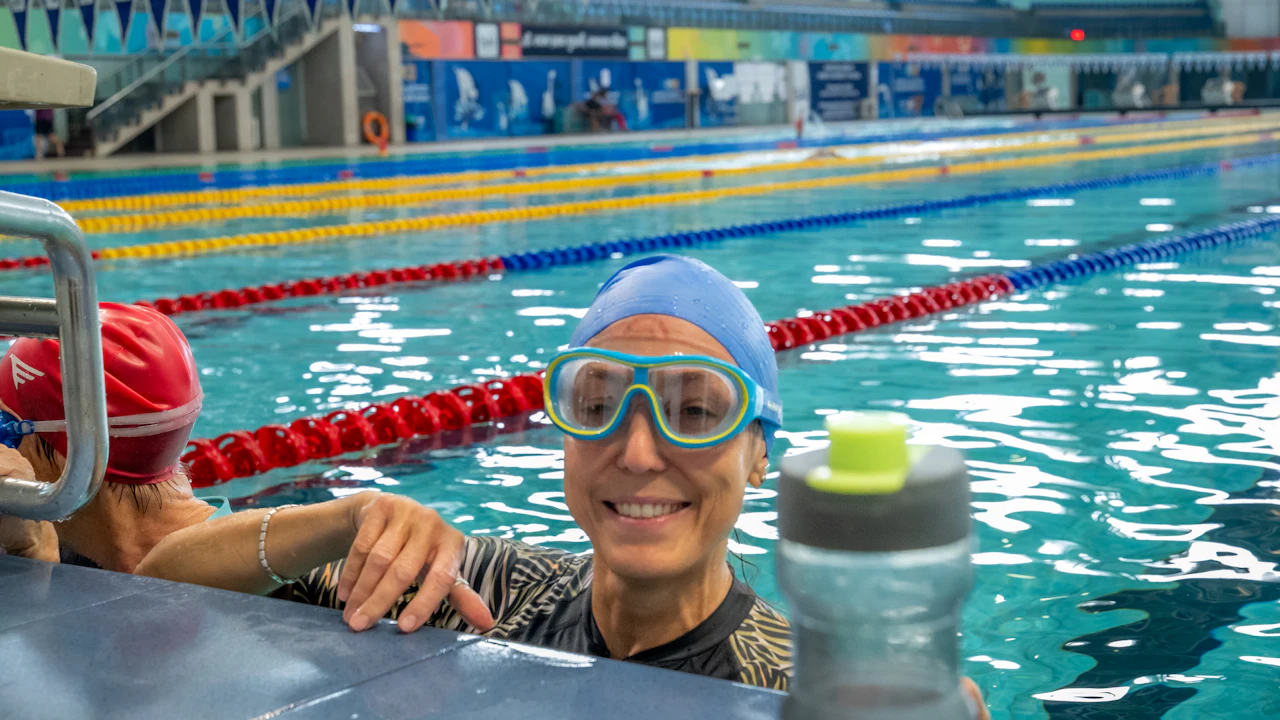
Learning with an experienced instructor
White Sands Dive Shop is a 5 Star PADI Dive Facility on the beach in San Pedro, owned and operated by Elbert Greer, PADI IDC Staff Instructor. Local dive and snorkel trips leave at 9:00, with pickup at the dock of your hotel.
Read Minette’s full note and many more in our letters from students Elbert has taught.
Scuba diving after 50: your questions answered
Can I learn to scuba dive at 60 or 70?
Yes, many people do. Age alone does not rule you out; your health and fitness decide, so complete the medical questionnaire honestly and see a physician if it asks you to.
Do I need a doctor’s approval to dive over 50?
Not automatically. The diver medical questionnaire asks extra questions of anyone over 45, and certain yes answers mean you need a physician’s evaluation and approval before training.
Is diving harder on the heart after 50?
DAN reports that heart-related risk while diving rises sharply after 50, and hard exertion can trigger problems in a diver with heart disease. It suggests that divers over 45 see a doctor at least once a year.
Should older divers dive more conservatively?
Conservative profiles make sense for many older divers, especially with arthritis, because its aches can be confused with decompression sickness. Stay well inside your limits, ascend slowly and avoid hard exercise after a dive.
I have not dived in years. Where should I start?
Start with a refresher. Ours begins with a pool session to review your skills, followed by a dive with the instructor in the Hol Chan Marine Reserve.
Plan your dives with us
Thinking about scuba diving after 50 and want to talk it through? Email Elbert at elbertgreer@fastmail.fm or phone 011 (501) 226 2405. Tell us your experience and when you last dived, and we will suggest a comfortable place to start.