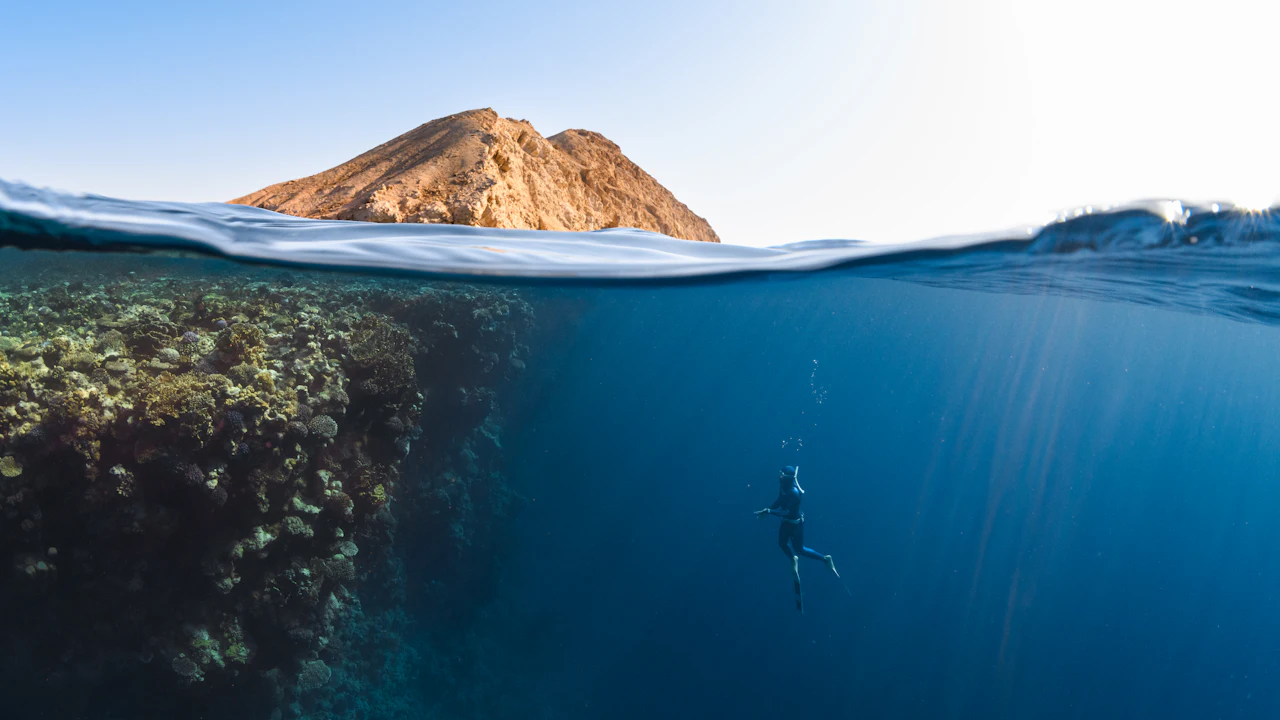
If you are booking your first dive or course, how long does a scuba tank last is probably one of the first questions on your mind. It is a fair question, and the honest answer is that it depends far more on you than on the tank. Two divers with identical tanks on the same reef can come up many minutes apart.
This guide is for new and nervous divers, and for anyone who keeps surfacing before their buddy. We explain what changes your air use, what the PADI blog says about typical first dives, why you always finish with air in reserve, and the simple habits that help a tank go further.
How long does a scuba tank last on a typical dive?
Quick answer: It depends mostly on how quickly you breathe. The PADI blog says first dives should last at least 20 minutes and usually run 25 to 40 minutes, while some first timers manage a full hour. Depth, fitness, body makeup, sea conditions, finning, water temperature and nerves all change the result, and air use improves with experience.
Why there is no single answer
A tank holds a fixed amount of air, but nobody breathes it at a fixed rate. In its list of questions every PADI instructor gets asked, the PADI blog calls this one tricky because it depends on how quickly you breathe your air. It names body makeup, depth, fitness, sea conditions, how well you use your fins and even water temperature as factors.
The PADI blog also notes that a full cylinder is approximately 200 bar or 3000 PSI. How fast that number falls is the part you can influence, and most of the factors below improve with practice.
Typical dive times for beginners
For first dives, the PADI blog gives a clear range: a minimum of 20 minutes, with most first dives lasting 25 to 40 minutes and some beginners reaching a full hour. It explains that most people have some nerves before their first dive, so beginners use their air faster than experienced divers. With more dives, air use usually improves.
What affects your air consumption underwater
Air consumption means how much air you breathe in a given time. The table pulls together the factors the PADI blog names and how each one changes your dive.
| Factor | Effect on air use | What helps |
|---|---|---|
| Depth | Pressure rises with depth, and staying deeper uses more air | Rise slightly in the water column when the plan allows |
| Breathing rate | Short, shallow breaths waste air | Slow, deep breaths, and never hold your breath |
| Fitness and body makeup | Each body uses air at its own rate | Dive regularly and stay in good general shape |
| Buoyancy and weighting | Overweighting tilts you upright and adds effort | Correct weight and a predive buoyancy check |
| Water temperature | Named by PADI as a factor in air use | Wear suitable exposure protection |
| Stress and exertion | Nerves, swimming hard and current all raise air use | Relax, move slowly, keep close to your buddy |
| Leaks and drag | Leaking o-rings and dangling gear waste air | Check equipment and streamline your setup |
Depth and pressure
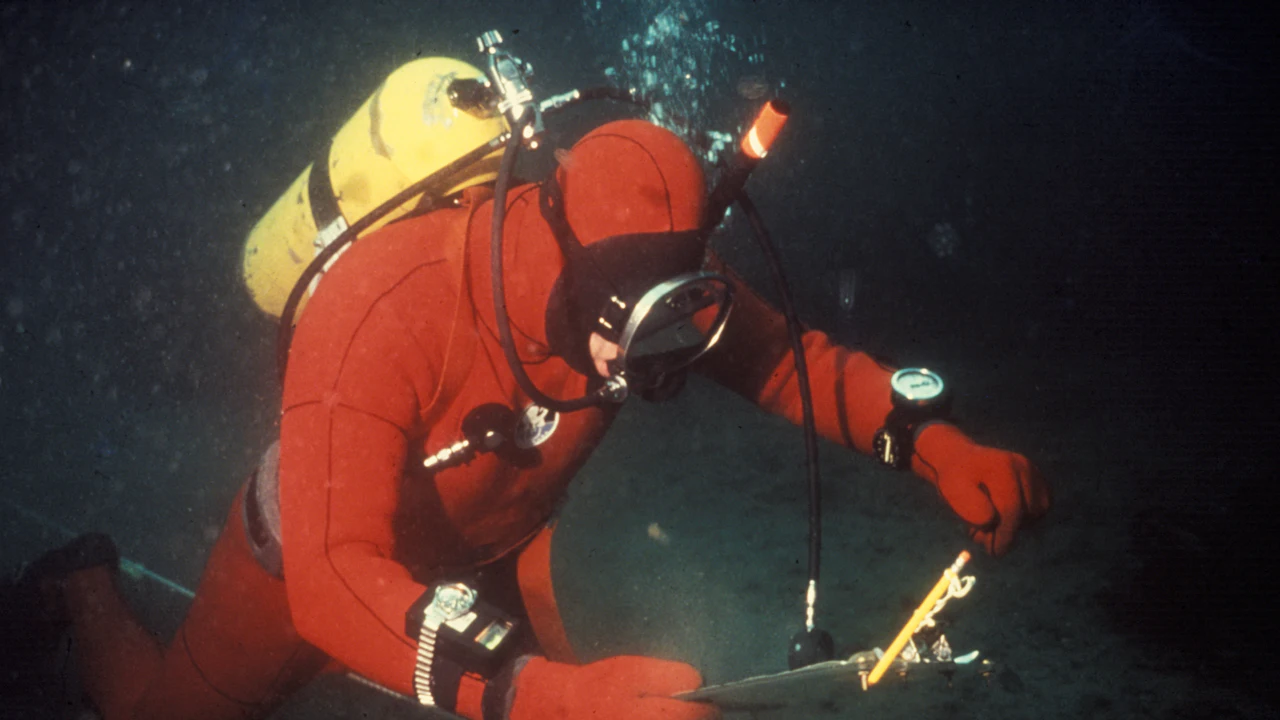
The PADI blog explains that every 33 feet (10 meters) you descend adds another atmosphere of pressure, so at 66 feet (20 meters) the total is 3 atmospheres. Its air consumption tips add that staying shallower can reduce air use. That is one reason deeper dives tend to be shorter, and our guide on how deep recreational divers can go covers the depth limits for each certification level.
Stress, cold and effort
Stress and swimming both increase air consumption, according to the PADI blog, which gives losing track of your buddy as an example. Current adds stress and effort too, and PADI also lists water temperature.
Why you never dive a tank to empty
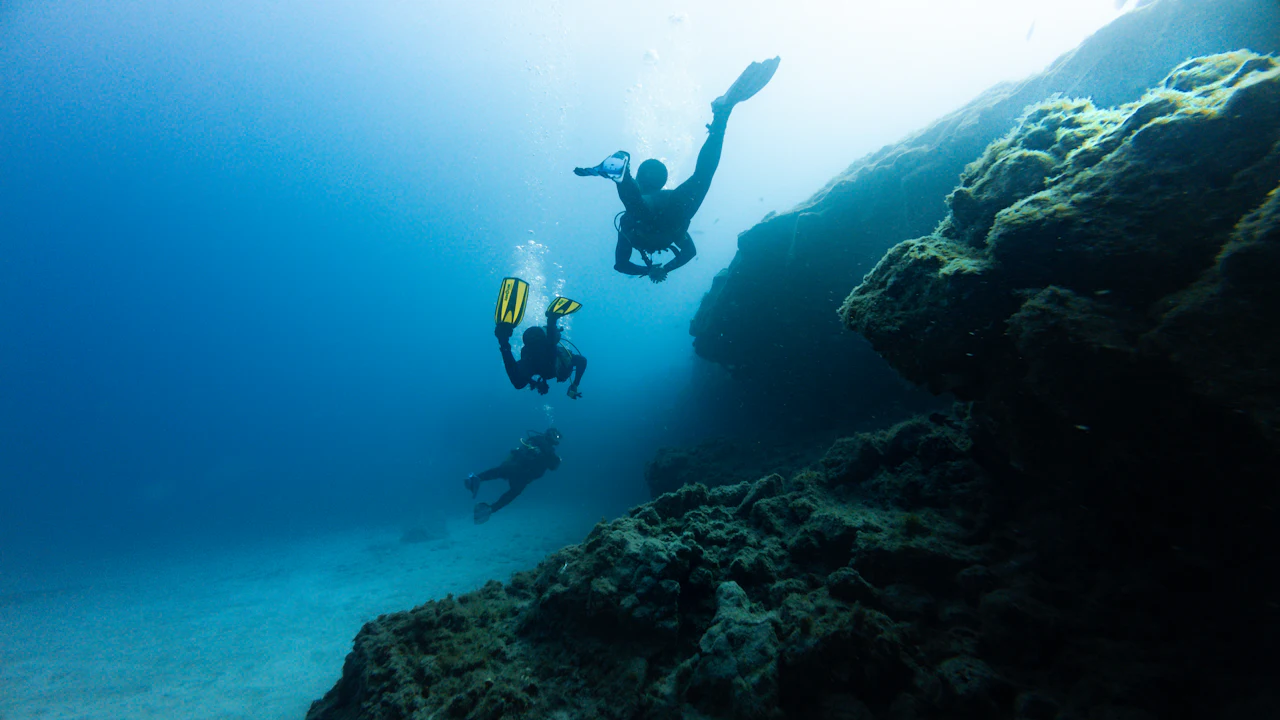
How long a tank lasts is never the same as how long you stay down. Divers plan to finish with air left over, so there is always a margin for the ascent, the safety stop and anything unexpected. Your gauge shows how much you have, and checking it often is part of every dive.
One common planning method is the rule of thirds. The PADI blog describes it as 1/3 of the air for the outward journey, 1/3 for the return and 1/3 for reserve, and notes it is used in many types of diving. Your instructor or dive leader will tell you the turn and reserve pressures for each dive, and you follow that briefing.
Reserve also shows up in a simple buoyancy test from the PADI blog. At the safety stop with about 500 psi/50 bar in your tank, you should be able to hold the same depth for the full three minutes. If you cannot, your weighting probably needs a look.
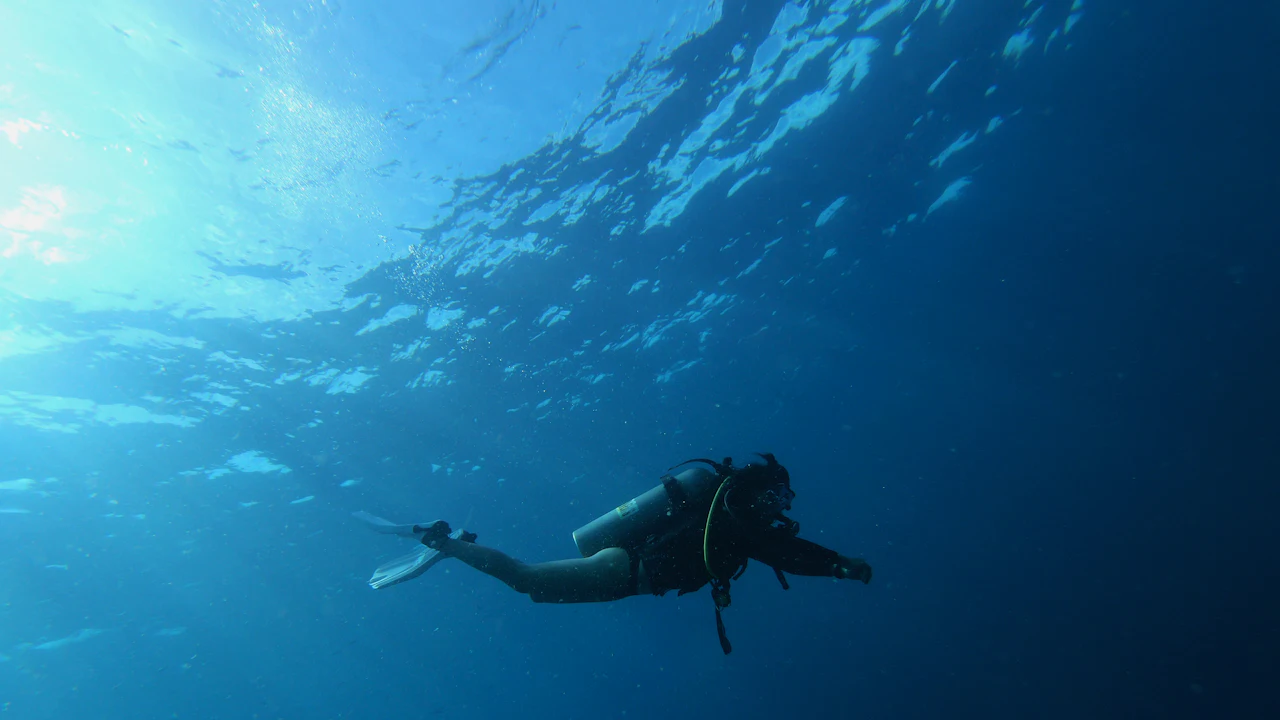
How to make your air last longer
The PADI blog’s tips to improve your air consumption come down to calm, efficient diving. Here are seven of them, in plain terms:
- Breathe slowly and deeply, and never hold your breath.
- Relax and move your fins only when you need to. Stop fidgeting with your hands.
- Get your weighting right, then practice neutral buoyancy.
- Stay horizontal. The more upright you are, the more air you use.
- Streamline your gear so nothing dangles, and check o-rings and hoses for leaks.
- In a current, stay close to the reef or bottom without touching it.
- Keep in contact with your buddy, which cuts stress for both of you.
Buoyancy is the single skill that ties most of these together. Our guide to buoyancy control tips for divers walks through weighting and trim step by step. If it has been a while since your last dive, our scuba refresher course on Ambergris Caye is a calm way to get comfortable again.
Does Nitrox make a tank last longer?
Enriched air, or Nitrox, is a different gas mix, not a bigger tank, so it is not a fix for fast breathing. If you are curious about it, our page on the PADI Enriched Air Nitrox course on Ambergris Caye explains the course, which includes two dives on our barrier reef using Nitrox 32.
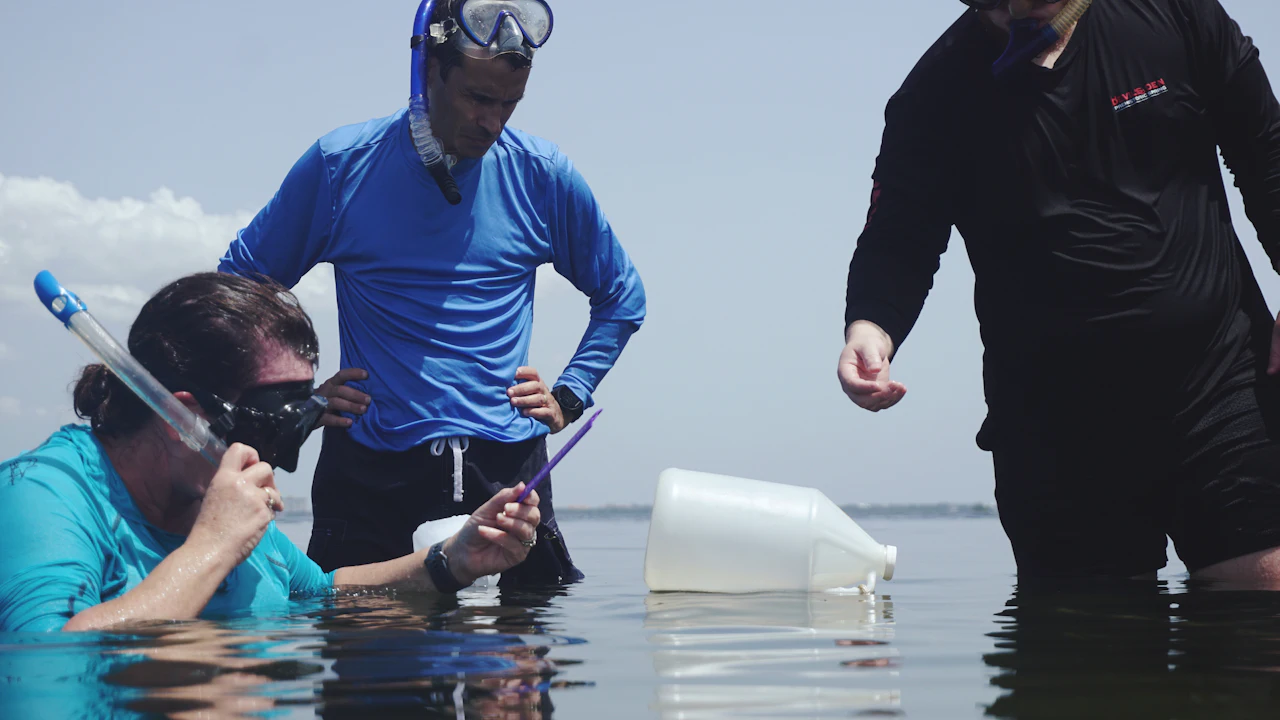
Learn to dive calmly with Elbert
White Sands Dive Shop is a 5 Star PADI Dive Facility on the beach in San Pedro, owned and operated by Elbert Greer, PADI IDC Staff Instructor. Calm divers use less air, and a patient instructor helps more than any gadget. Our guide to learning to dive on Ambergris Caye lays out every course.
Minette Layne wrote to Elbert after her refresher: “I was so panicked and you really calmed me down and set me up for a wonderful couple of weeks of diving and snorkeling.” Read more in our letters from students Elbert has taught, and see courses and current prices on our Water Sports page of dives and PADI courses.
How long does a scuba tank last: your questions answered
How long does a scuba tank last for a beginner?
The PADI blog says first dives should last at least 20 minutes and usually run 25 to 40 minutes, with some first timers reaching a full hour. Beginners tend to use air faster because of nerves.
Why do I run low on air before my buddy?
Air use is personal. The PADI blog lists breathing rate, body makeup, depth, fitness, sea conditions, finning and water temperature, and adds that stress and overweighting also raise air use.
How much air should be left at the end of a dive?
You always plan to surface with a reserve, and your instructor or dive leader sets the pressures in the briefing. The PADI blog describes the rule of thirds, which keeps one third of the air in reserve.
Does diving deeper use more air?
Yes. The PADI blog explains that each 33 feet or 10 meters adds an atmosphere of pressure, and that staying shallower can reduce air use.
Will my air consumption improve?
Usually, yes. The PADI blog says air use typically improves with more diving, as you relax, breathe slowly and get your buoyancy and trim right.
Ask Elbert about your first dives
Worried about your air, or about keeping up with the group? Email Elbert at elbertgreer@fastmail.fm or phone 011 (501) 226 2405. Tell us your dates and experience, and we will suggest the right course or dive.