
Hovering motionless over a reef is the moment most new divers are waiting for, and the one that takes longest to learn. These buoyancy control tips for divers put the fixes in the order we find works best: weight first, then breathing, then the BCD, then body position, then practice.
This guide is for newly certified divers, returning divers who feel rusty, and anyone who bounces between the sand and the surface. Most of the gains come from small changes you can try on your very next dive.
What are the best buoyancy control tips for divers who keep bobbing up and down?
Quick answer: Start by carrying only the weight you need, so the BCD holds very little air. Then fine tune with slow, full breaths, add or dump air in tiny bursts and wait for each change to work. Keep your body flat and level, and practice hovering in shallow water until it feels automatic.
How buoyancy works underwater
Every object in water gets an upward push equal to the weight of the water it moves aside. That is Archimedes’ principle, and it decides whether you float, sink or hover. If you weigh less than the water you displace, you rise; if you weigh more, you sink.
As a diver you change your volume in three ways: your lungs, the air in your BCD (buoyancy control device, the inflatable jacket) and your wetsuit. You change your weight with lead. Good buoyancy is simply balancing those so you neither rise nor sink, which divers call neutral buoyancy.
Get your weighting right first
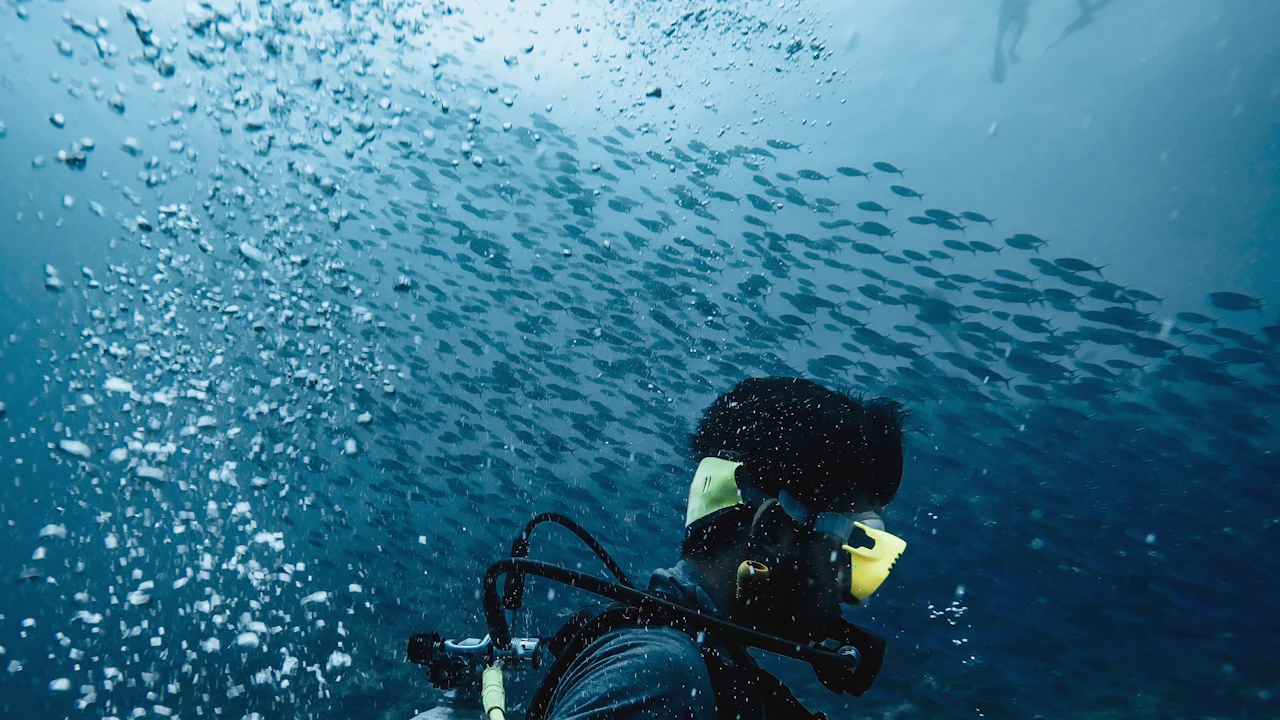
Too much lead is the most common reason divers struggle. Every extra pound has to be balanced with air in the BCD, and a big bubble of air shifts and expands as you change depth. Less lead means less air, and less air means steadier control.
- At the surface, with your BCD fully empty, hold a normal breath and relax.
- You should float about at eye level, then sink slowly as you breathe out.
- If you sink while still holding the breath, remove a little weight; if you cannot sink after exhaling, add a little.
- Note what worked, with your wetsuit and tank type, so you can start from it next time.
Air has weight, so a tank gets a little lighter as you breathe it down. That is why many divers feel floaty near the end of a dive, and why a check near the end of a dive tells you more than one at the start. On our dives, tanks and weights are included, so adjusting between dives is easy.

How to improve buoyancy in scuba with your breathing
Your lungs are a fine control built into your chest. A full breath in lifts you slightly, and a long breath out lets you settle. Once your weight is right, you can rise over a coral head or drop a little lower just by breathing.
- Breathe slowly and deeply, and never hold your breath on scuba.
- If you are drifting up, breathe out a little longer before you touch the BCD.
Using your BCD and trim the smart way
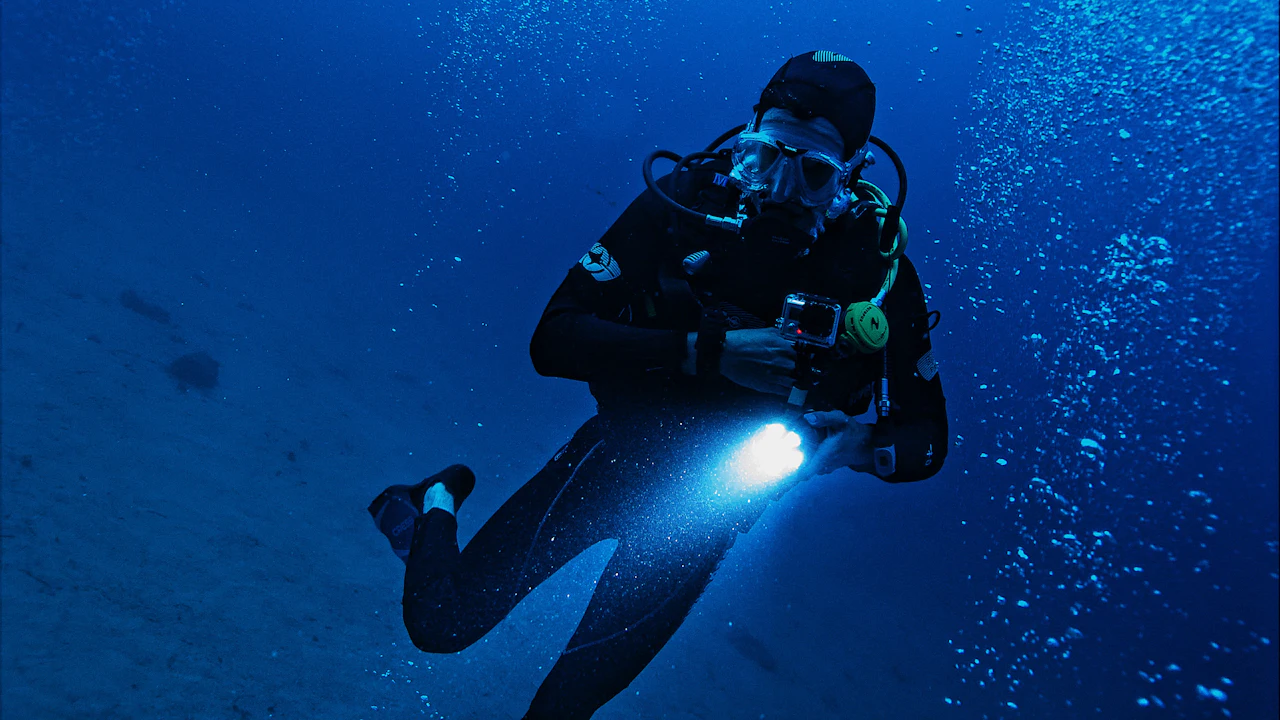
Think of the BCD inflator as a fine adjustment, not an elevator button. Add air in short taps, wait, and see what happens before you add more. On the way down, add a little as you go deeper, because water pressure squeezes the air in your jacket and your wetsuit.
On the way up the reverse happens: the air expands, so let a little out as you ascend. Divers who wait too long to vent find themselves rising faster and faster.
Trim: flat, level and streamlined
Trim is your body angle in the water. When your legs hang low, every kick pushes you up as well as forward, and your fins sweep toward the reef. Aim to lie flat, with knees bent and fins up, and keep hoses and gauges tucked in close.
| Problem | Likely cause | First fix to try |
|---|---|---|
| Sinking fast, constant inflating | Too much lead | Do a weight check and remove a little |
| Floating up at the end of the dive | Lighter tank, too little lead or late venting | Check weight near the end of a dive; vent early |
| Yo-yo up and down | Big BCD changes, held breath | Tiny inflator taps, slow full breathing |
| Legs dropping, kicking sand | Poor trim, weight sitting low | Bend knees, fins up, move weight higher if needed |
| Rising on every kick | Head up, feet down angle | Look ahead, level out, slow the kicks |
Practice drills and why the reef cares
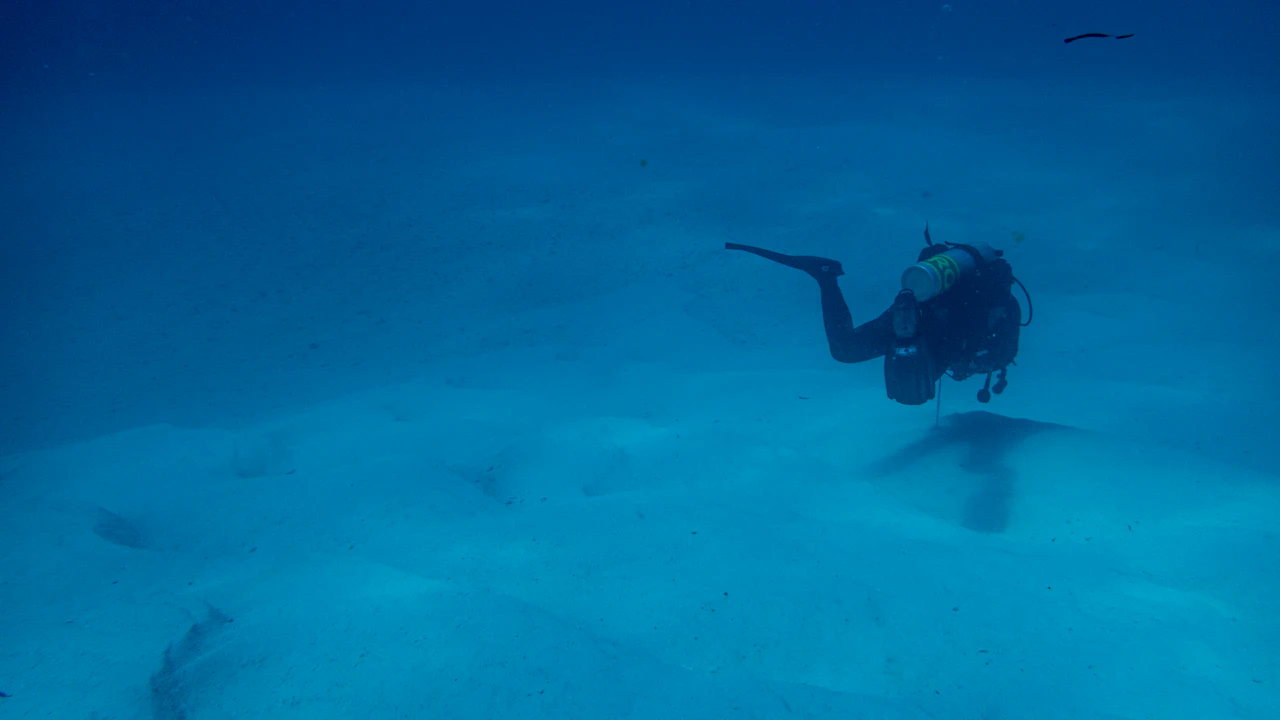
Buoyancy is a skill you build with repetition. These drills work best over sand in shallow water, with a buddy watching.
- Fin pivot: lie flat on the sand and rise and fall from your fin tips using only your breath.
- Hover: hold still for one minute with no kicking and no hand sculling.
- Depth steps: move up and down a few feet at a time, adjusting with breath first and BCD second.
- Slow ascent: rise gradually while venting early, then hold a steady safety stop.
The Coral Reef Alliance found that less experienced divers cause more reef damage through poor buoyancy control, often without meaning to. Its Coral Reef Alliance good diving practices guide asks divers to stay neutrally buoyant at all times, keep a comfortable distance from the reef, secure their gear and use good finning and body control. Our reef etiquette guide for divers covers the rest.
The same guide notes that cameras affect a diver’s buoyancy, so get steady before you add one. Our underwater photography tips for beginners explain how to start.
Courses that build buoyancy and who teaches them
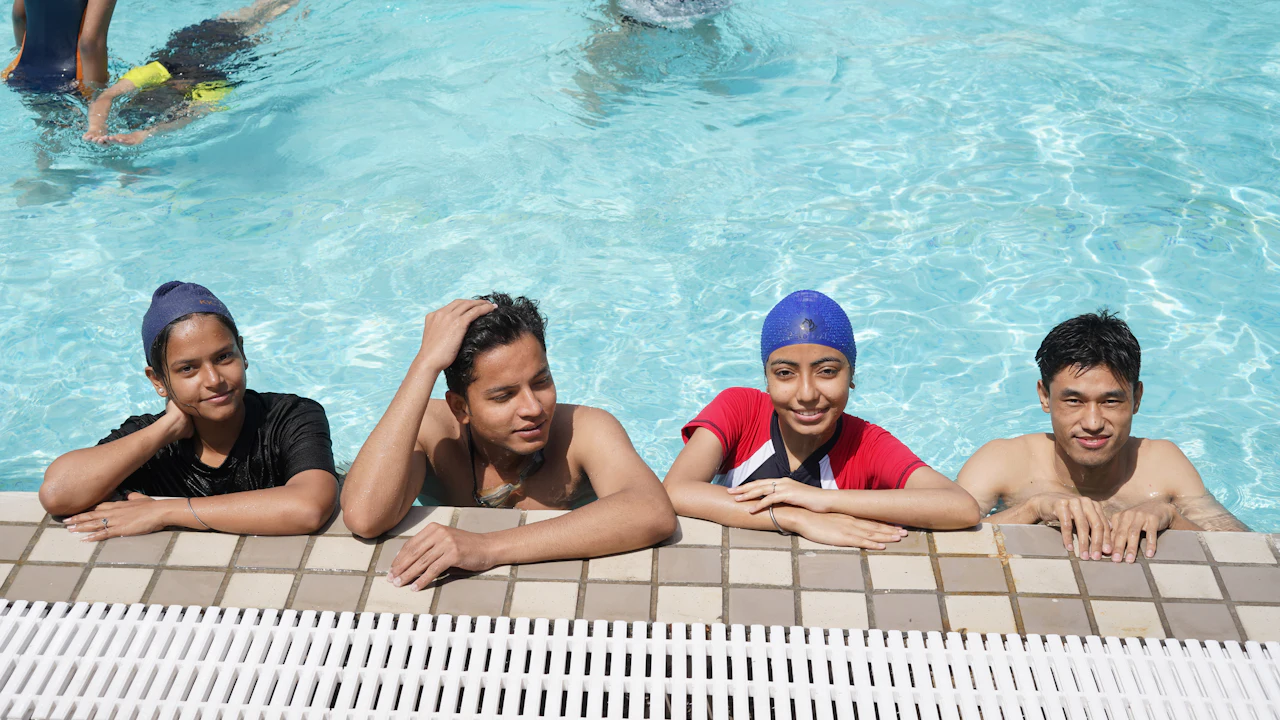
If it has been a while, our scuba refresher course for returning divers starts with a pool session to review your skills before a dive with the instructor in the Hol Chan Marine Reserve. The PADI Advanced Open Water course on Ambergris Caye adds five supervised dives, including deep and navigation, where steady buoyancy matters.
PADI also offers a Peak Performance Buoyancy specialty built around this skill. It is not among the specialties on our Water Sports page, so ask Elbert before you book. Our guide to PADI specialty courses in Belize lists the ones we do teach, and our guide to learning to dive on Ambergris Caye covers every route.
White Sands Dive Shop is a 5 Star PADI Dive Facility owned and operated by PADI IDC Staff Instructor Elbert Greer. Vivake K. Bhalla wrote that Elbert was “an outstanding instructor with a lot of experience and useful tips.” Read more letters from Elbert’s dive students, and find course details and current prices on our Water Sports page with every PADI course.
Buoyancy control tips for divers: your questions answered
What is the most important buoyancy tip for new divers?
Get your weighting right. With only the lead you need, your BCD holds very little air, so small changes in breathing are enough to control your depth.
How do I know if I am overweighted?
Do a weight check at the surface with an empty BCD and a normal breath held. If you sink instead of floating at about eye level, or you keep adding air to stay off the bottom, you are probably carrying too much lead.
Should I control buoyancy with my lungs or my BCD?
Both. Use the BCD for bigger changes, such as descending or settling at a new depth, and your breathing for the small adjustments in between.
Why do I float up at the end of a dive?
Air has weight, so your tank gets lighter as you use it. If you were barely weighted at the start, you can end up light near the surface, so check your weight near the end of a dive.
Which course helps most with buoyancy?
A refresher is ideal if your skills are rusty, and Advanced Open Water gives you five supervised dives to practice. PADI also has a Peak Performance Buoyancy specialty; ask Elbert whether he can teach it on your dates.
Practice with us on the reef
Want help dialing in your weight and trim? Write to Elbert at elbertgreer@fastmail.fm or call 011 (501) 226 2405, and tell us what has been giving you trouble.