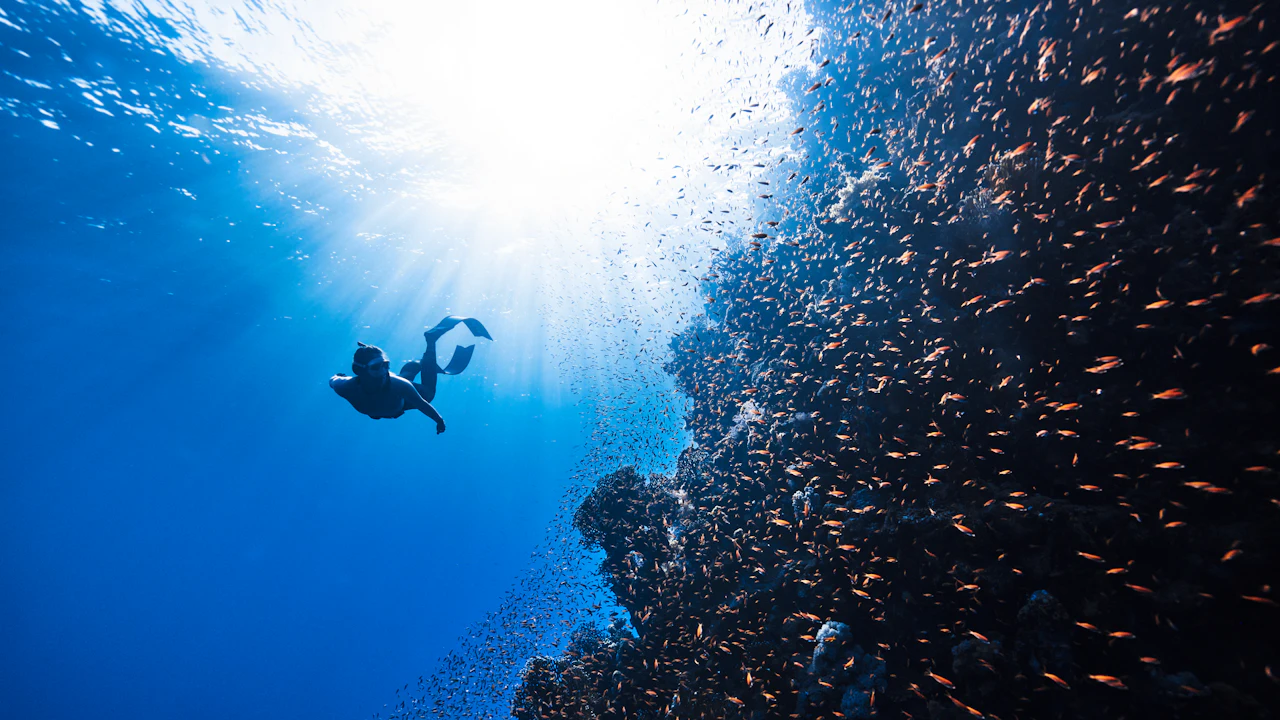
A coral reef looks as solid as rock, but its surface is a thin skin of living animals. Good reef etiquette for divers comes down to one idea: leave every part of the reef exactly as you found it. It takes a little skill and awareness, and anyone can learn it.
This guide is for new divers, returning divers and snorkelers heading out on our reef. We explain each habit in plain terms, why it matters, and what to do instead, so you can enjoy the reef and help it stay healthy for the next visitor.
What is good reef etiquette for divers and snorkelers?
Quick answer: Never touch, stand on or rest on coral, and keep a comfortable distance from the reef. Hold neutral buoyancy, swim horizontally, watch your fins and tuck in loose gear. Do not touch, chase or feed marine life, take nothing home, wear reef-friendly sun protection and follow the marine reserve’s rules.
Why the reef needs good manners
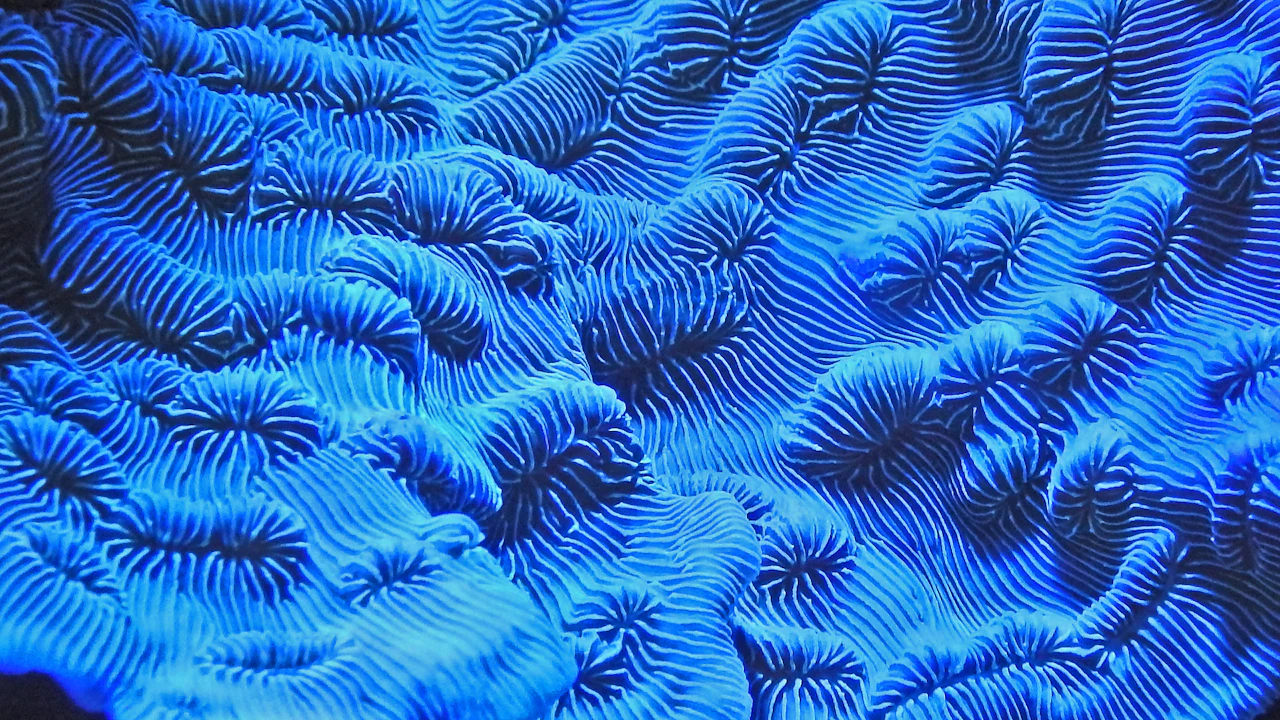
Each coral head is built by tiny animals called polyps, which form a living mat over a limestone skeleton. A brush from a hand, a fin or a gauge can scrape that mat away, and sand kicked up by careless fins can smother coral. Massive corals often grow less than an inch a year, so damage takes a long time to heal.
The Coral Reef Alliance sums it up in its Coral Reef Alliance guide to coral friendly diving and snorkeling: never touch, rest or stand on the reef, and keep a comfortable distance from it at all times. Everything else in this guide follows from that rule.
Our dives run along the largest barrier reef in this hemisphere, part of a protected reef system you can read about in our guide to the Belize Barrier Reef Reserve System and its seven UNESCO sites. Every diver who keeps off the coral helps keep it that way.
How not to damage coral while diving
Most reef damage is accidental. Divers lose track of their fins or drift down while busy with something else. These habits prevent it.
Master neutral buoyancy
Neutral buoyancy means you neither sink nor rise, and hover in place with steady breathing. It is the single most useful reef skill, because a diver who can hover never needs to reach for the bottom. Start with the right amount of weight, not extra “just in case”, and fine-tune with your breath rather than your hands.
If you have not dived for a while, a scuba refresher course on Ambergris Caye is a calm way to get your control back first. Our buoyancy control tips for divers go deeper into weighting and trim.
Know where your fins are
Fins reach farther behind you than most people realize. Swim in a horizontal position, keep your knees bent slightly and your fins up, and avoid big downward kicks near the bottom. Near sand or coral, a gentle frog kick moves water backward rather than down.
Keep your gear tucked in
A dangling backup regulator or gauge console drags across the reef without you ever feeling it. Clip your alternate air source and gauges close to your chest before you descend, and keep camera straps and lights secured. Fix any gear problem in open water or over sand, away from the coral.
Reef habits at a glance
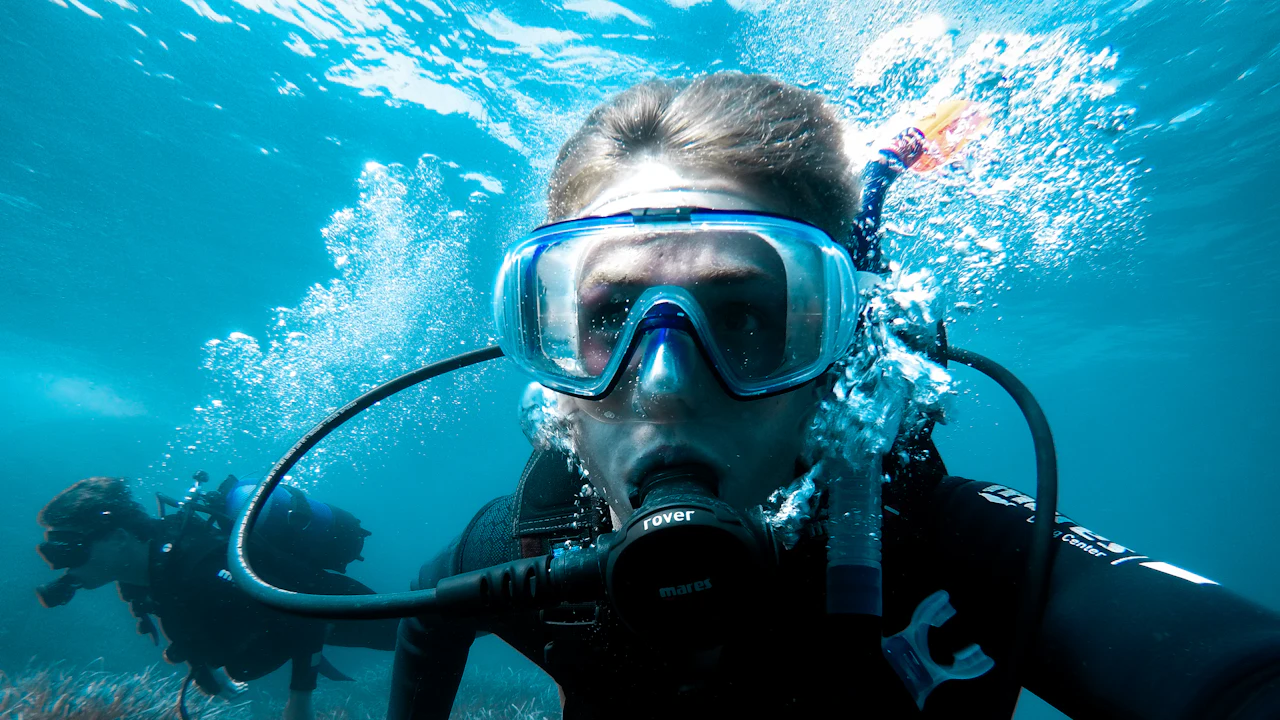
Here are the habits that harm a reef, beside what to do instead. Most of them come straight from the Coral Reef Alliance’s guidelines for divers and snorkelers.
| Habit to avoid | Why it matters | What to do instead |
|---|---|---|
| Touching, kneeling or standing on coral | Scrapes off the living layer of polyps | Hover, or float on your back at the surface to rest |
| Overweighting and poor trim | Pulls you down onto the reef | Carry only the weight you need and swim level |
| Big kicks near the bottom | Stirs up sand that settles on coral | Use small, gentle kicks and keep fins up |
| Dangling gauges and hoses | Drags across coral unnoticed | Clip everything close before you descend |
| Gloves and kneepads | Make it tempting to hold on to the reef | Leave them off in coral areas |
| Feeding, chasing or handling animals | Disturbs animals going about their day | Watch quietly and let animals come to you |
| Taking shells or coral home | Removes part of the habitat | Take photos and nothing else |
Wildlife: look, don’t touch, don’t chase
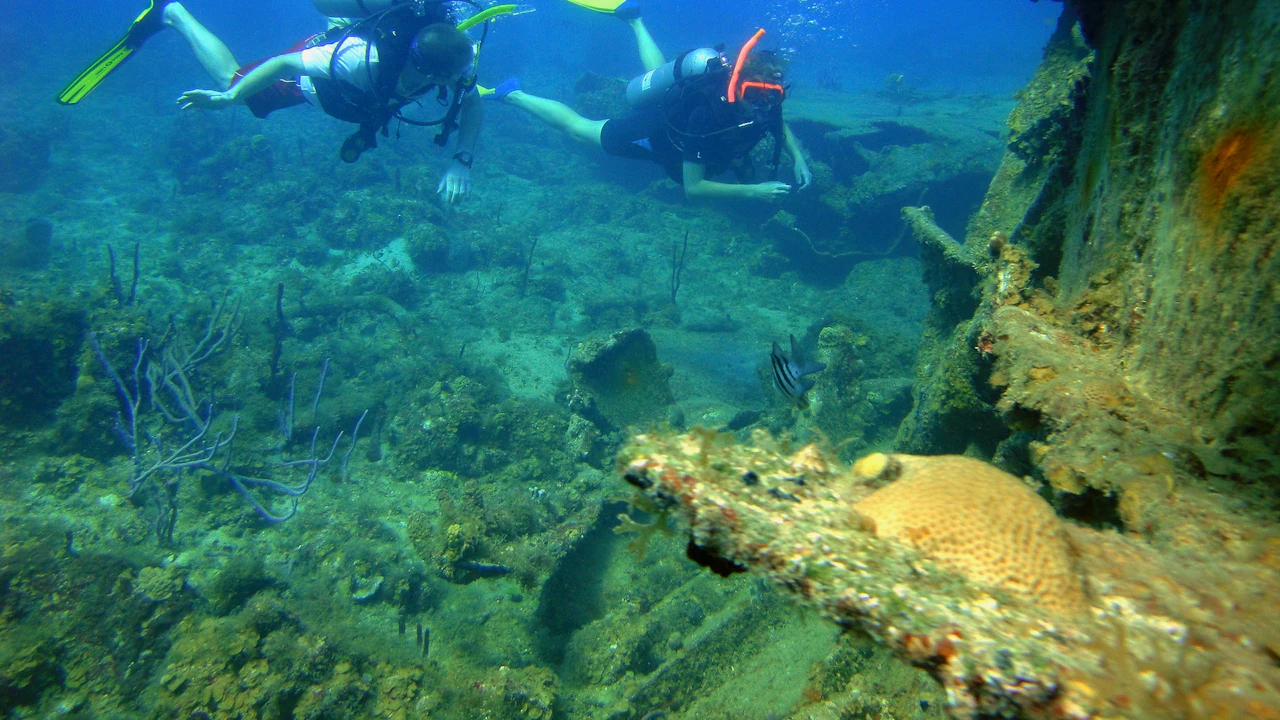
Sharks, turtles, rays and eels are the highlight of many dives here. The kindest thing you can do is give them space. Do not touch, chase, harass or feed marine life, and never try to ride an animal or block its path.
Feeding is on the same “never” list, even when fish crowd around and it seems harmless. If an animal swims toward you, stay still and let it decide how close to come. You will usually get a longer, better look than if you follow it.
Cameras and photographers
A camera adds task loading, and many divers lose their buoyancy the moment they line up a shot. The Coral Reef Alliance suggests leaving photo and video gear behind until you are experienced. When you are ready, our guide to underwater photography for beginners shows how to shoot without settling on the reef.
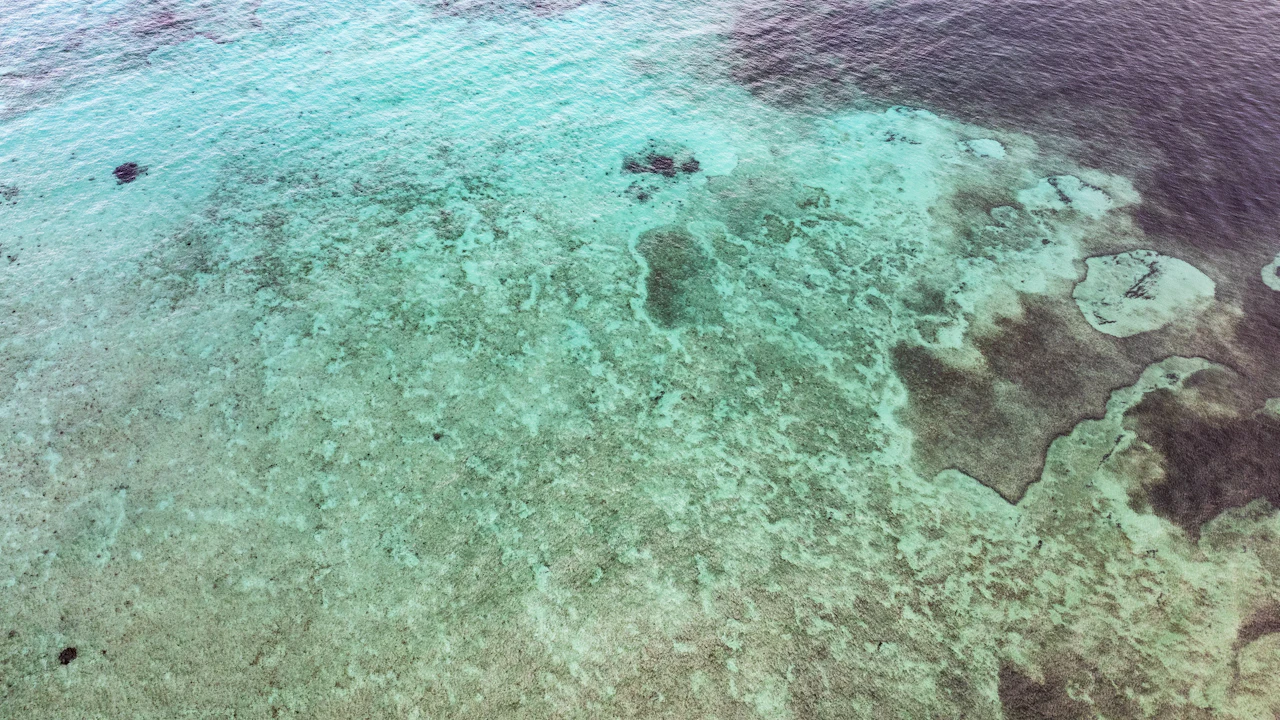
Responsible snorkeling, sunscreen and reserve rules
Snorkelers follow the same rules, with one extra: adjust your mask and fins away from the reef, never while standing on it. If you are unsure in the water, a snorkel vest gives you extra buoyancy so you can rest at the surface. Our Hol Chan and Shark Ray Alley snorkeling trip is a good place to practice.
Some sunscreen ingredients can harm coral once they wash off your skin. A rash guard covers more of you with no lotion at all. Our guide to reef-safe sunscreen for Belize snorkel and dive trips explains which ingredients to avoid.
Marine reserves have their own rules, and the Coral Reef Alliance advises every visitor to learn and follow local laws and to support reef protection through user fees. Reserve rules commonly cover zones, fishing, anchoring and what you may take. On our Hol Chan Marine Reserve dive, park tickets are not included in the trip, and those fees help pay for the reserve.
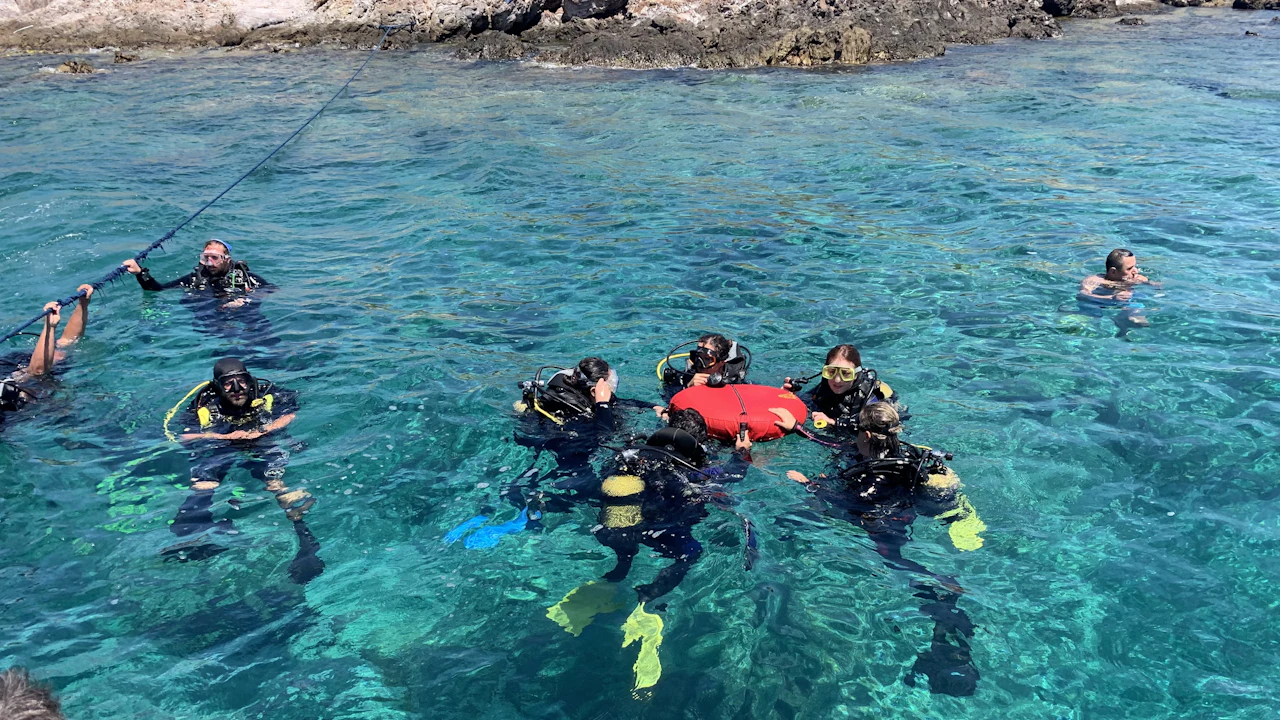
Diving with an instructor who takes it seriously
White Sands Dive Shop is a 5 Star PADI Dive Facility on the beach in San Pedro, owned and operated by Elbert Greer, PADI IDC Staff Instructor. Local dive and snorkel trips leave at 9:00, with pickup at the dock of your hotel, and our guide to diving on Ambergris Caye covers the trips we run.
Vivake K. Bhalla wrote that “He was very friendly and fun, but equally very strict about safety– perfect balance for and instructor.” You can read more in our letters from students Elbert has taught, and see courses and current prices on our Water Sports page of PADI courses.
Reef etiquette for divers: your questions answered
Is it ever OK to touch coral when diving?
No. Even a light touch can scrape off the thin layer of living polyps, so the Coral Reef Alliance advises never touching, resting or standing on the reef.
Should I wear gloves on a reef dive?
The Coral Reef Alliance advises avoiding gloves and kneepads in coral areas, because they make it tempting to hold on to the reef. Good buoyancy is the better protection.
Can I feed the fish while snorkeling?
Please don’t. The Coral Reef Alliance lists feeding marine life alongside touching, chasing and harassing it as things every diver and snorkeler should avoid.
What if I start sinking toward the reef?
Add a small puff of air to your BCD, take a slow full breath and fin gently away. If you keep struggling, signal your buddy or guide and move up over sand or open water.
Does reef etiquette apply to snorkelers too?
Yes. Snorkelers should never stand on coral, should adjust gear away from the reef and should keep their distance from wildlife, just like divers.
Plan a reef trip with us
Want to brush up on your skills before a reef trip, or ask about a dive? Email Elbert at elbertgreer@fastmail.fm or phone 011 (501) 226 2405. Tell us your experience level and we will suggest a good place to start.