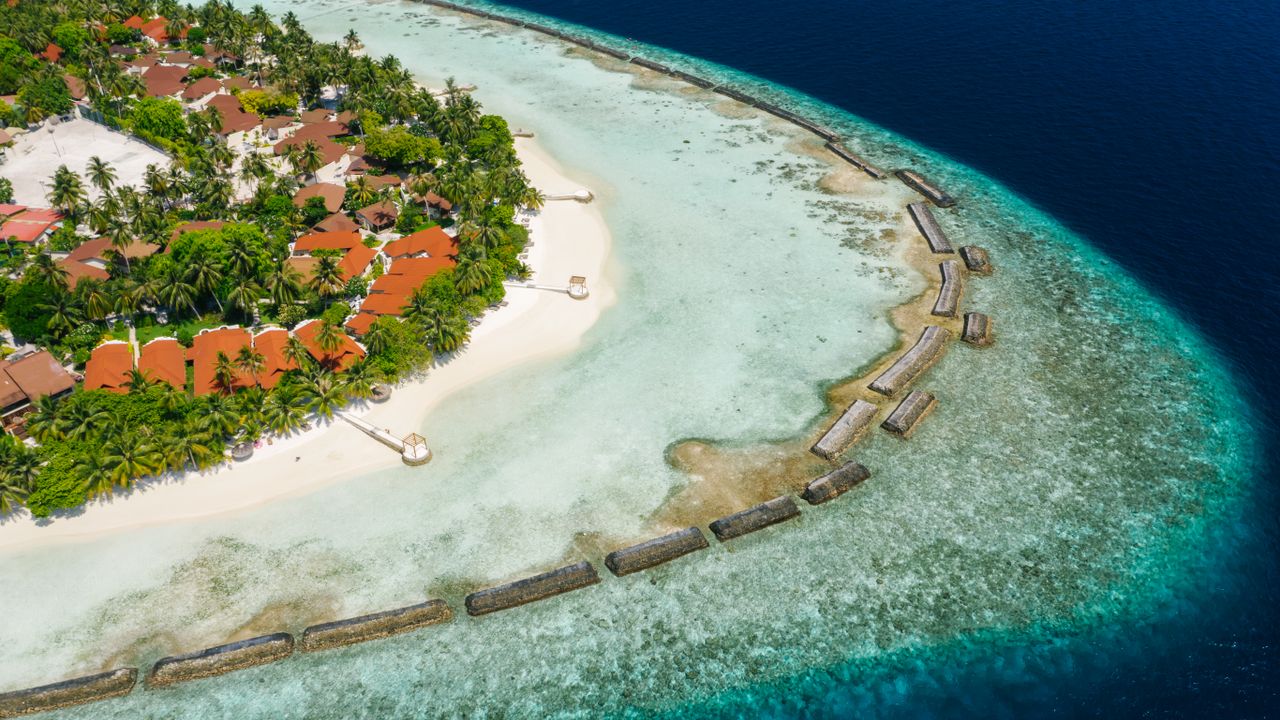
Our dive shop sits on the beach facing the largest barrier reef in this hemisphere, and visitors often ask which parts of it are a World Heritage Site. The answer is the Belize Barrier Reef Reserve System, a group of protected areas that UNESCO has listed since 1996.
This guide is for divers and snorkelers who want the facts straight before they visit. It covers the seven protected areas, why the reef earned its listing, its years on the danger list, and how the sites you can reach from Ambergris Caye fit in. Every fact about the listing comes from UNESCO.
What is the Belize Barrier Reef Reserve System, and what does it include?
Quick answer: It is a UNESCO World Heritage Site, inscribed in 1996, made up of seven protected areas along the barrier reef, the lagoon and the offshore atolls. They include the Blue Hole Natural Monument. UNESCO calls it the largest barrier reef in the northern hemisphere, and the seven areas cover 12% of the whole reef complex.
The seven protected areas of the reserve system
The UNESCO World Heritage listing for the Belize Barrier Reef Reserve System names exactly seven protected areas. Together they run from the border with Mexico in the north to near the Guatemalan border in the south, which is why UNESCO calls it a serial property: one listing made of several separate sites.
| Protected area | Type of protection | What UNESCO singles out |
|---|---|---|
| Bacalar Chico | National Park and Marine Reserve | Its jaguars, one of the top predators UNESCO names |
| Blue Hole | Natural Monument | A unique geological feature and its great hammerheads |
| Half Moon Caye | Natural Monument | A major colony of red-footed boobies |
| South Water Caye | Marine Reserve | Listed as one of the seven component areas |
| Glover’s Reef | Marine Reserve | Its ospreys and a common noddy colony |
| Laughing Bird Caye | National Park | Listed as one of the seven component areas |
| Sapodilla Cayes | Marine Reserve | Listed as one of the seven component areas |
UNESCO gives the whole property as 96,300 hectares. The reef complex around it holds roughly 450 sand and mangrove cayes, and UNESCO describes it as the largest reef complex in the Atlantic-Caribbean region and the second largest reef system in the world.

Why the Belize Barrier Reef is a World Heritage Site
UNESCO lists the reef under three of its natural criteria, numbered (vii), (ix) and (x). Each one says something useful to a diver.
Scenery and reef types
UNESCO calls the system unique in the world for the range of reef types packed into a small area. Patch reefs, fringing reefs, pinnacle reefs, the barrier reef itself, off-shelf atolls and rare deep water reefs all sit within it. It also notes that Charles Darwin called it “the most remarkable reef in the West Indies.”
A full ecosystem, from mangroves to deep ocean
The second criterion is about connection. UNESCO describes an unbroken gradient from land to the deep ocean: littoral forest, wetlands and mangroves, seagrass beds, lagoon reefs, the outer barrier reef and the atolls. That chain supports spawning, nesting, feeding and nursery grounds for reef life.

Belize Barrier Reef facts on wildlife
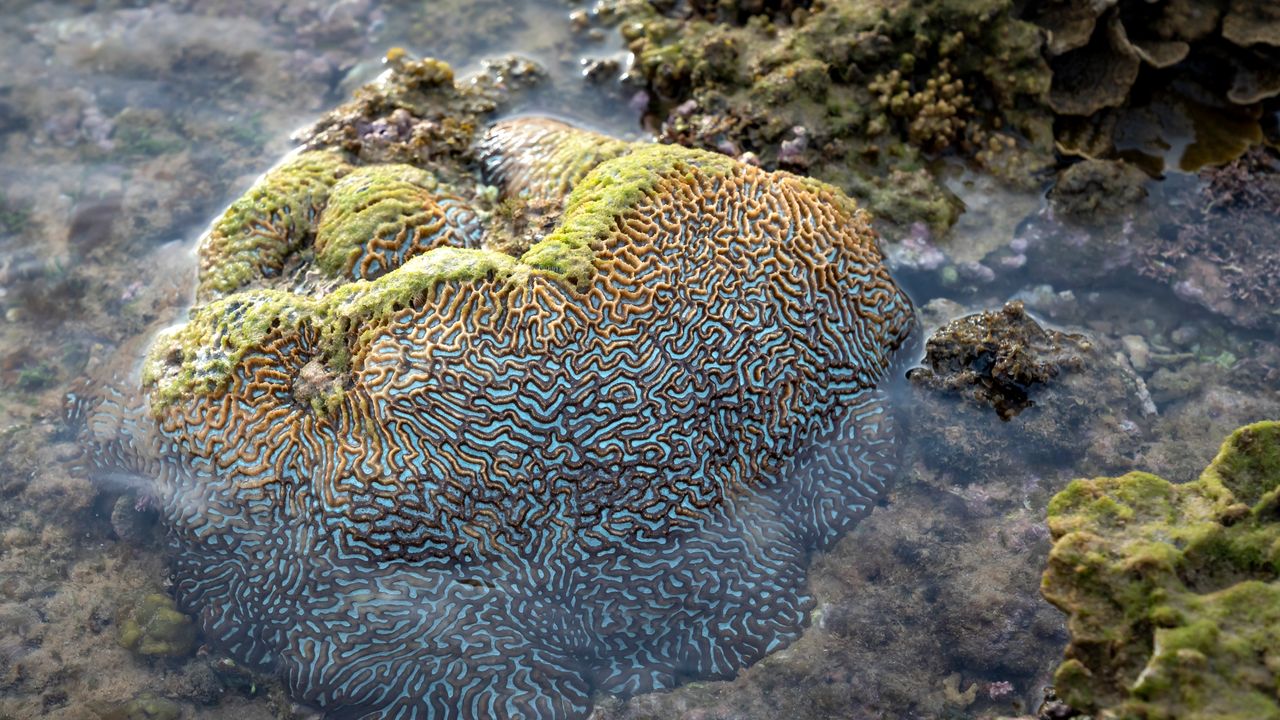
The third criterion is biodiversity. UNESCO records over 500 species of fish, 65 stony corals and 350 molluscs. Threatened species protected here include the West Indian manatee, the American crocodile and green, hawksbill and loggerhead sea turtles.
For more on what you are likely to meet on a local dive, see our guide to marine life you can see around Ambergris Caye.
Hol Chan and Turneffe are not among the seven sites
Many travel pages say that every famous dive spot in Belize is part of the World Heritage Site. UNESCO’s list says otherwise. Hol Chan Marine Reserve, the reserve our local trips visit, is a protected marine reserve in its own right, but it is not one of the seven areas UNESCO names.
Turneffe is similar. UNESCO mentions Turneffe Island as one of Belize’s three atolls when it describes the wider reef, yet no Turneffe protected area appears among the seven listed sites. Both are still superb dives: read our guides to the Hol Chan Marine Reserve dive and the Turneffe Atoll dive trip from San Pedro.
The danger list years, and threats UNESCO still names
The reef was on the List of World Heritage in Danger from 2009 to 2018. UNESCO says it was added in 2009 because of the destruction of mangroves and marine ecosystems, offshore oil extraction and unsustainable building projects.
In 2018 the World Heritage Committee removed it from the danger list. UNESCO’s announcement of the reef’s removal from the danger list credits a moratorium on oil exploration in Belize’s entire maritime zone and stronger forestry rules that better protect mangroves.
The work is not finished. UNESCO still lists overharvesting of marine resources, coastal development, tourism, industrial development and proposed oil and gas exploration as management challenges. It also names climate change risks: coral bleaching, stronger and more frequent hurricanes, and sea level rise.
- Keep your fins and hands off the coral, and stay neutrally buoyant over the reef.
- Choose a sunscreen that is kinder to reefs: see our guide to reef-safe sunscreen for Belize.
- Pay the park ticket when you visit a marine reserve, since entrance fees help fund Belize’s protected areas.

Diving the reserve system from Ambergris Caye
The one World Heritage area you can dive with us is the Blue Hole Natural Monument at Lighthouse Reef. Our Great Blue Hole and Lighthouse Reef day trip is a full day with three dives, and it includes continental breakfast, lunch, snacks and drinks.
It is a deep dive, so check the Blue Hole dive requirements and how to prepare before you book. Closer to home, our 1-, 2- and 3-tank dives on the barrier reef leave at 9:00 with pickup at your hotel dock, and our guide to diving Ambergris Caye covers the local reef.

Who will show you the reef
White Sands Dive Shop is a 5 Star PADI Dive Facility, a PADI International Resort Association member and licensed by the Belize Tourism Board. It is owned and operated by PADI IDC Staff Instructor Elbert Greer; read more about Elbert Greer, your PADI instructor.
One student, Susan, wrote after her first dives with Elbert: “you pointed out so many cool things to look at, not to mention the manatee.” Read more letters from Elbert’s dive students.
Belize Barrier Reef Reserve System: your questions answered
What are the seven sites of the Belize Barrier Reef Reserve System?
UNESCO lists Bacalar Chico National Park and Marine Reserve, Blue Hole Natural Monument, Half Moon Caye Natural Monument, South Water Caye Marine Reserve, Glover’s Reef Marine Reserve, Laughing Bird Caye National Park and Sapodilla Cayes Marine Reserve.
When did the Belize Barrier Reef become a World Heritage Site?
UNESCO inscribed the Belize Barrier Reef Reserve System on the World Heritage List in 1996.
Is the Belize Barrier Reef still on the danger list?
No. It was on the List of World Heritage in Danger from 2009 to 2018, and UNESCO removed it in 2018 after an oil exploration moratorium and stronger mangrove protection.
Is Hol Chan Marine Reserve part of the World Heritage Site?
No. Hol Chan is a protected marine reserve, but it is not one of the seven areas UNESCO lists for the Belize Barrier Reef Reserve System.
Can I dive the World Heritage Site from Ambergris Caye?
Yes. Our full-day trip to Lighthouse Reef includes the Blue Hole, and the Blue Hole Natural Monument is one of the seven protected areas.
Plan your reef days with us
Tell us your dates, your certification level and which parts of the reef you want to see, and Elbert will help you plan local dives and an atoll day. Email elbertgreer@fastmail.fm or call 011 (501) 226 2405.