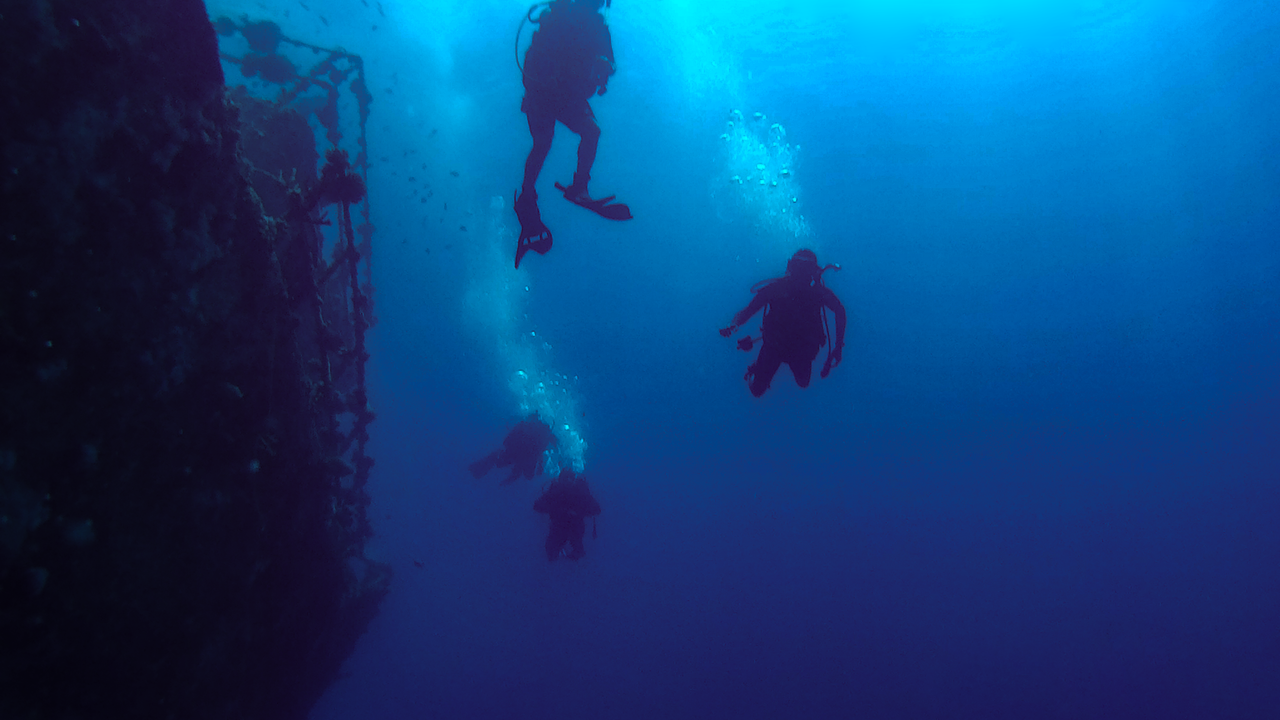
The Great Blue Hole is the dive many visitors to Ambergris Caye want on their list. This guide explains the blue hole dive requirements divers commonly meet, why they exist, and how to get ready so the day goes well.
It is written for certified divers planning a trip, especially newer divers who are not sure they qualify yet. White Sands Dive Shop runs full-day trips to the Blue Hole at Lighthouse Reef from San Pedro, and the last step of this guide is simple: email us so we can confirm what our trip asks of you.
What are the usual Blue Hole dive requirements for certified divers?
Quick answer: Each operator sets its own rules, but divers are commonly asked for a certification card, a logbook showing recent dives, comfort with deep diving and good buoyancy control. Advanced Open Water is the level many operators look for. Because the shop’s own requirements are not listed here, email White Sands Dive Shop to confirm before you book.
Why the Blue Hole has requirements at all
The Blue Hole is a deep, nearly circular sinkhole on an offshore atoll, and the dive is about the wall and the rock formations below the rim rather than coral gardens. That depth is the whole reason operators screen divers.
It is also a protected place. The UNESCO listing for the Belize Barrier Reef Reserve System names the Blue Hole Natural Monument as one of the seven protected areas inscribed as a World Heritage Site in 1996. UNESCO even singles out the great hammerheads of the Blue Hole as one sign of the system’s ecological value.
How deep is the Blue Hole dive?
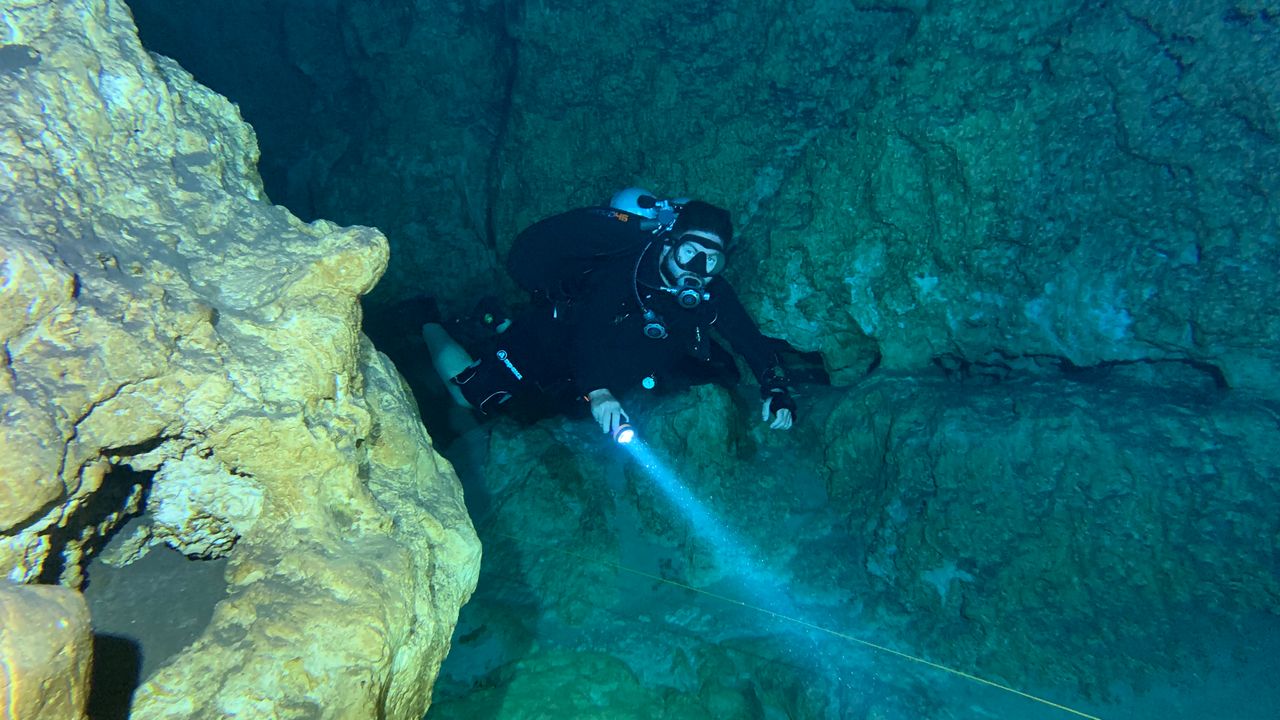
The exact depth of any Blue Hole dive is set by the operator’s dive plan and the guide on the day, so ask for the planned profile when you book. According to PADI, Open Water Divers are trained to 60 feet, Advanced Open Water Divers to 100 feet, and the Deep Diver specialty prepares divers for 130 feet, which PADI calls the recreational diving limit.
Depth also shortens your time. PADI’s own example from its dive planner gives 56 minutes of no-decompression time at 60 feet but only 20 minutes at 100 feet. That is why deep dives feel brief, and why a slow, controlled ascent with a safety stop matters so much at the end.
Nitrogen narcosis and the deep part of the dive
Narcosis is the reason experience matters more than bravery here. Divers Alert Network explains that nitrogen narcosis on air or nitrox is generally felt around 80 to 100 feet, and that every individual is affected differently from dive to dive. It can dull judgment at exactly the moment you need to watch your gauge and your buddy.
The good news is that narcosis eases as you ascend. A diver who knows the feeling from training, and who has practiced ascending a few feet when it shows up, handles it calmly.
Blue Hole dive requirements divers commonly face
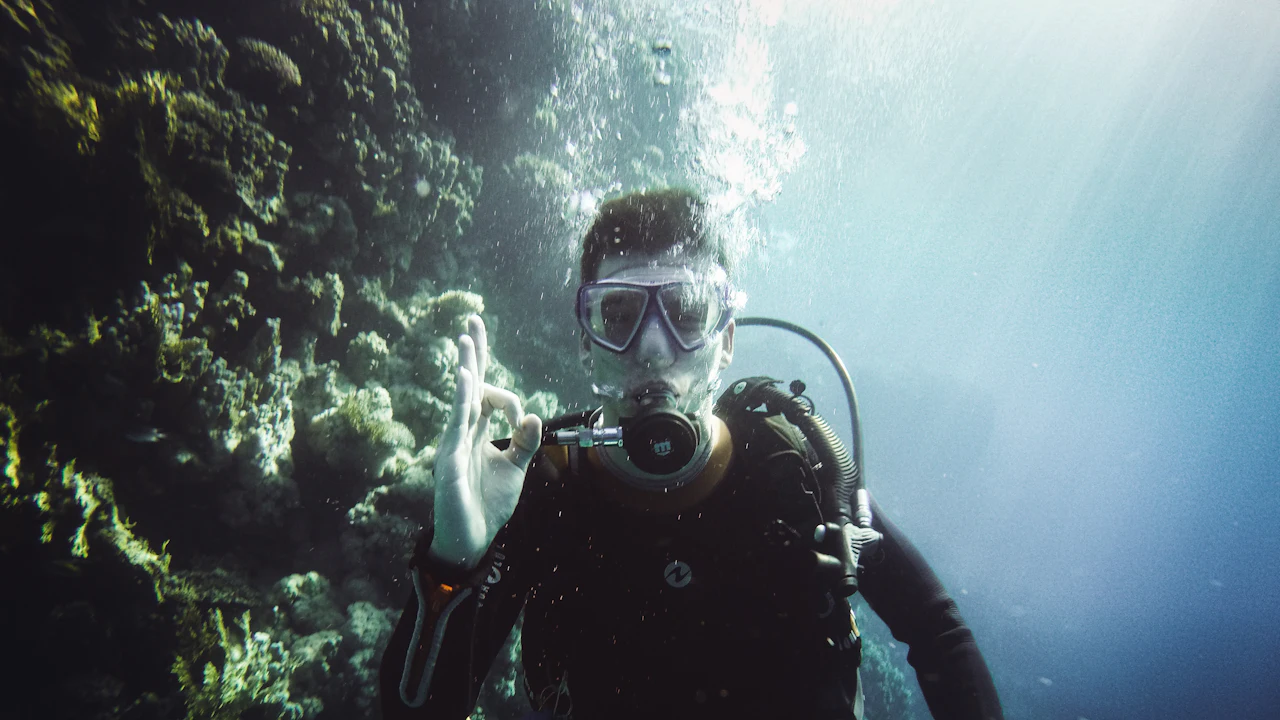
There is no single rulebook for this dive. Across operators, the same handful of checks come up again and again, and the table shows what each one is and why it is asked. Treat it as a self-check, not as our trip’s rules.
| Common check | Why operators ask | How to prepare |
|---|---|---|
| Certification card | Proves your training level and the depth you were trained to | Bring the card or have your digital record ready |
| Advanced Open Water or similar | Includes a supervised deep dive and training beyond 60 feet | Take the course earlier in your trip or before you travel |
| Logged dives | Shows real experience, not only a card | Bring your logbook with depths and dates filled in |
| Recent diving | Skills fade after a long break | Do local reef dives first, or a refresher |
| Buoyancy control | A deep wall leaves no bottom to settle on | Practice hovering and slow ascents on easier dives |
| Fitness to dive | A long boat day plus a deep dive is demanding | Answer the medical form honestly and rest the night before |
Some operators add a check-out dive or a minimum number of logged dives. We have not listed White Sands Dive Shop’s certification level, dive count or maximum depth on this page, so please email us before you plan the day around it.
How to get ready on Ambergris Caye
The simplest plan is to put the Blue Hole near the end of your stay and build up to it. A few days of local diving give you recent dives in your log, settle your weighting and let your guide see how you dive.
- Email us your certification level, number of logged dives and date of your last dive.
- Start with our 1-, 2- and 3-tank dives on the barrier reef, which leave at 9:00 with pickup at your hotel dock.
- If you are not yet Advanced, consider taking the course before the trip day.
- Book the Blue Hole day for when you feel rested and well.
The Advanced Open Water course on Ambergris Caye is built for this. It includes five specialty dives, with Deep, Night and Navigation as the three core dives, so you meet depth with an instructor beside you. Back after a long break? Our scuba refresher course on Ambergris Caye brings your skills back first, and our guide to diving Ambergris Caye covers the local reef dives.
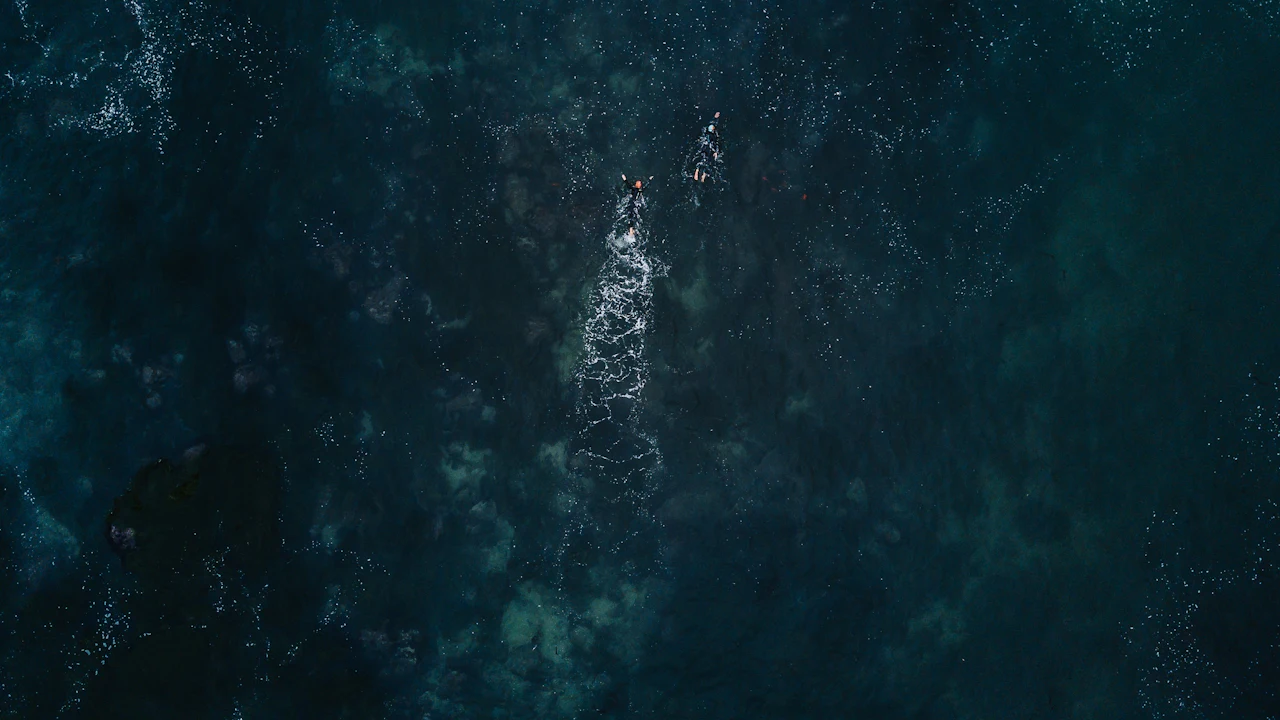
Is the Blue Hole dive worth it?
Our trip is a full day to Lighthouse Reef with three dives, and it includes continental breakfast, lunch, snacks and drinks. The Blue Hole is about geology and the thrill of the deep blue, while the other dives of the day tend to show more reef life.
If you are not ready yet, the atolls are not off the table. Our Turneffe Atoll dive trip from San Pedro is another three-dive full day. See the Great Blue Hole and Lighthouse Reef day trip page for the original trip details, and the current prices on our Water Sports page.
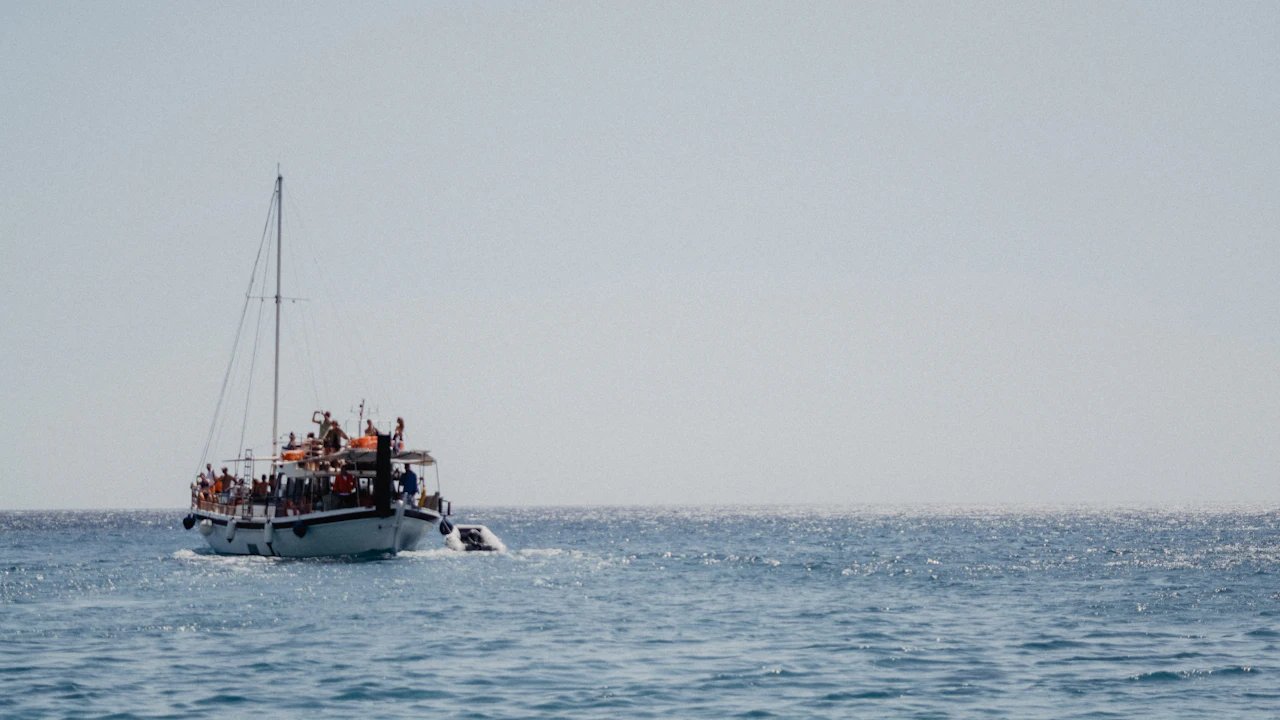
Who plans your dive day
White Sands Dive Shop is a 5 Star PADI Dive Facility on the beach in San Pedro, owned and operated by PADI IDC Staff Instructor Elbert Greer. It is a PADI International Resort Association member and licensed by the Belize Tourism Board. You can read more about Elbert Greer, your PADI instructor.
One student, Vivake K. Bhalla, put it this way: “He was very friendly and fun, but equally very strict about safety.” Read the full letters from Elbert’s dive students.
Blue hole dive requirements: your questions answered
Do I need Advanced Open Water to dive the Blue Hole?
Many operators look for Advanced Open Water or similar training, because it includes a supervised deep dive. Requirements differ from shop to shop, so email White Sands Dive Shop to confirm ours before you book.
How deep is the Blue Hole dive?
The depth is set by the dive plan on the day, so ask for the planned profile. PADI trains Advanced Open Water Divers to 100 feet and calls 130 feet the recreational diving limit.
Can a new Open Water diver go on the trip?
PADI trains Open Water Divers to 60 feet, which is shallower than a typical deep wall dive. Email us your training and logged dives and we will tell you what fits.
What is included in the Blue Hole day trip?
Our trip to Lighthouse Reef is a full day with three dives, and it includes continental breakfast, lunch, snacks and drinks.
What should I bring to show my experience?
Bring your certification card and a logbook showing your recent dives with depths and dates.
Ask us about the Blue Hole before you book
Tell us your certification, how many dives you have logged and when you last dived, and Elbert will confirm what our Blue Hole trip requires and help you plan the days before it. Email elbertgreer@fastmail.fm or call 011 (501) 226 2405.