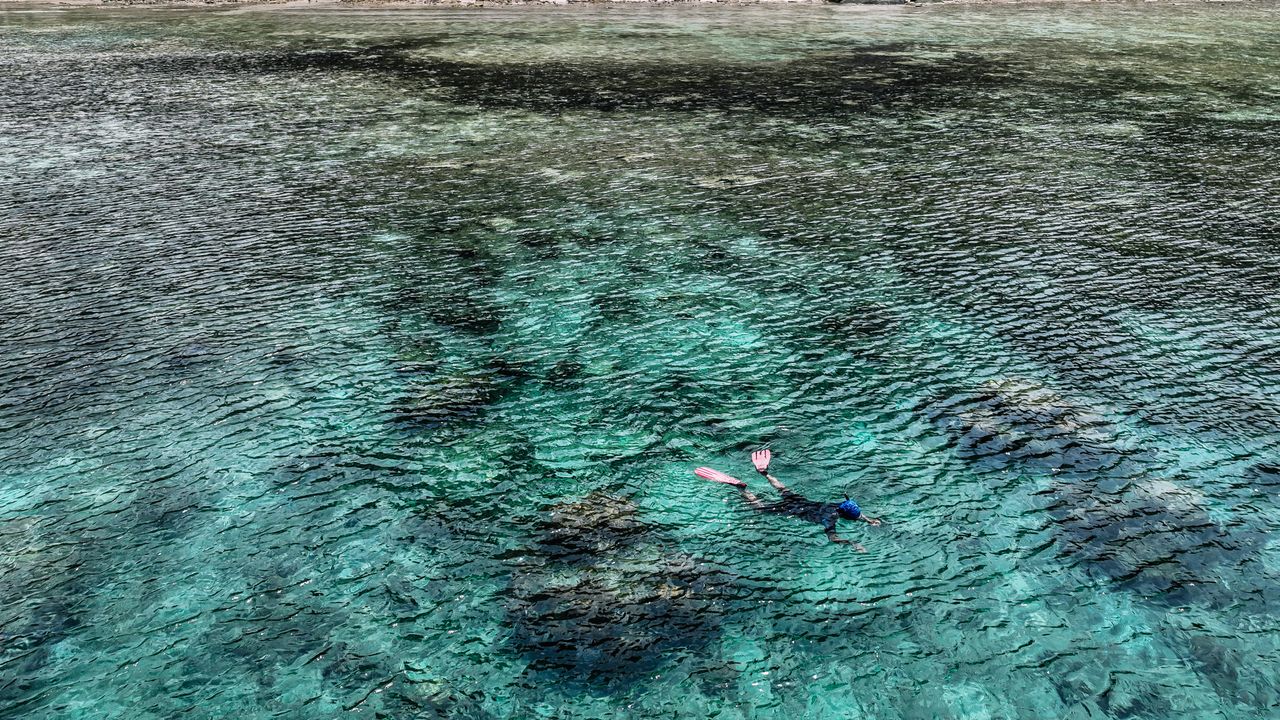
Sunscreen is the one item nearly every snorkeler packs, and the one most likely to end up on the coral. If you are searching for reef safe sunscreen Belize trips call for, this guide explains which ingredients the science points to, how to read a label in a minute, and the habits that matter more than any bottle.
It is written for snorkelers and divers heading out on the reef with White Sands Dive Shop, a 5 Star PADI Dive Facility on the beach in San Pedro. You will not find brand picks here. You will find a checklist that works on any bottle in any store.
What counts as reef safe sunscreen for a Belize snorkel trip?
Quick answer: Choose a lotion without oxybenzone or octinoxate, two UV filters NOAA lists among the sunscreen chemicals that can harm marine life. A mineral formula is the better option, and a long-sleeved rash guard means you need far less of it. Apply on land well before the boat leaves, and skip sprays.
Why sunscreen matters on a coral reef
The sunscreen you apply does not all stay on your skin. As NOAA’s National Ocean Service explains in its page on how sunscreen chemicals affect corals and marine life, it can wash off when we swim or shower and enter the water.
NOAA says that in coral, these chemicals can build up in the tissue, induce bleaching, damage DNA, deform young coral and even kill it. The same page lists effects on algae, sea urchins, mussels, fish and dolphins. It also cites a 2022 National Academy of Sciences review that found specific UV filters in chemical sunscreen can harm aquatic life, including corals.
The fish, rays and turtles you came to see depend on that coral. Changing what you rub on your shoulders is a small price for keeping it.
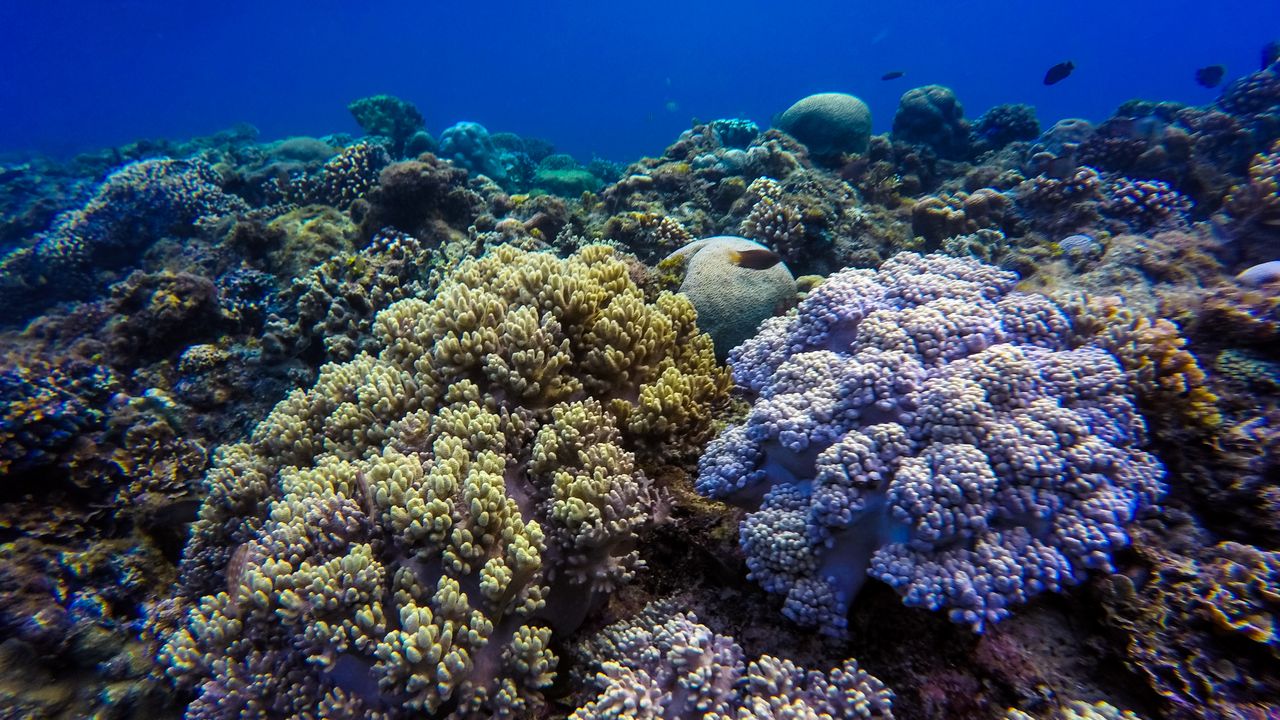
Ingredients to avoid, and how to read the label
“Reef safe” and “reef friendly” are marketing words, so turn the bottle over and read the active ingredients instead. NOAA’s list of sunscreen chemicals that can harm marine life includes these:
- Oxybenzone
- Octinoxate
- Octocrylene
- Benzophenone-1, benzophenone-8, OD-PABA, 4-methylbenzylidene camphor and 3-benzylidene camphor
- Nano-sized titanium dioxide and nano-sized zinc oxide
Oxybenzone gets the most attention. The Coral Reef Alliance’s article on sunscreen and corals says it can make coral more likely to bleach, damage its DNA and disrupt hormones, at doses as low as 62 parts per trillion.
What about mineral sunscreen?
NOAA calls mineral sunscreen a better option because it has fewer effects on aquatic life, and the Coral Reef Alliance recommends zinc oxide or titanium oxide formulas. Note that NOAA’s list names the nano-sized forms of both minerals. If a label says “non-nano,” that is the form NOAA does not list.

Rash guard, lotion or spray: comparing your options
Sunscreen is only one way to stop a burn. NOAA notes that UV protective clothing, like sun shirts and pants, is also a great option, and the Coral Reef Alliance suggests a long-sleeved rash guard when you swim. Here is how the choices compare for a morning on the water.
| Option | Effect on the reef | Good for | Drawbacks |
|---|---|---|---|
| Long-sleeved rash guard or sun shirt | Nothing washes off into the water | Back, shoulders and arms while you float face down | Leaves hands, face and legs to cover another way |
| Non-nano mineral lotion | NOAA calls mineral sunscreen the better option | Face, neck, ears, backs of legs and feet | Can feel thick and leave a white film |
| Chemical lotion without the listed filters | Check every active ingredient against NOAA’s list | Travelers who dislike a white film | Takes careful label reading |
| Spray or aerosol sunscreen | The Coral Reef Alliance says sprays often miss the skin and settle on the sand | Not recommended for reef days | Hard to apply evenly on a breezy boat |
| Shortie wet suit | Nothing washes off into the water | Divers and cold snorkelers | Short sleeves and legs leave limbs exposed |
Most of our guests settle on a mix: a rash guard on the body and a mineral lotion on whatever skin is left. A shortie wet suit is on our scuba and snorkel gear rental list if you would rather not pack one.

Sunscreen for snorkeling in Belize: habits that protect coral
Our local snorkel trips leave at 9:00, and we pick you up at the dock of your hotel. That timing makes the routine below easy to follow.
- Put on lotion at your hotel, before pickup, so you are not rubbing it in on a moving boat or over the reef.
- Cover the back of your neck, the backs of your legs and the tops of your feet. Face down in the water, these burn first.
- Wear the rash guard into the water and keep a hat and shirt in your bag for the ride back.
- Use less product, not more. Clothing does most of the work.
- Keep your fins off the coral. NOAA’s advice to reef visitors also covers not touching wildlife and not stirring up sediment.
NOAA also suggests seeking shade between 10 am and 2 pm. A morning trip has you in the water before the strongest sun, but it is still worth covering up on the ride home.
Where this applies: our two snorkel trips
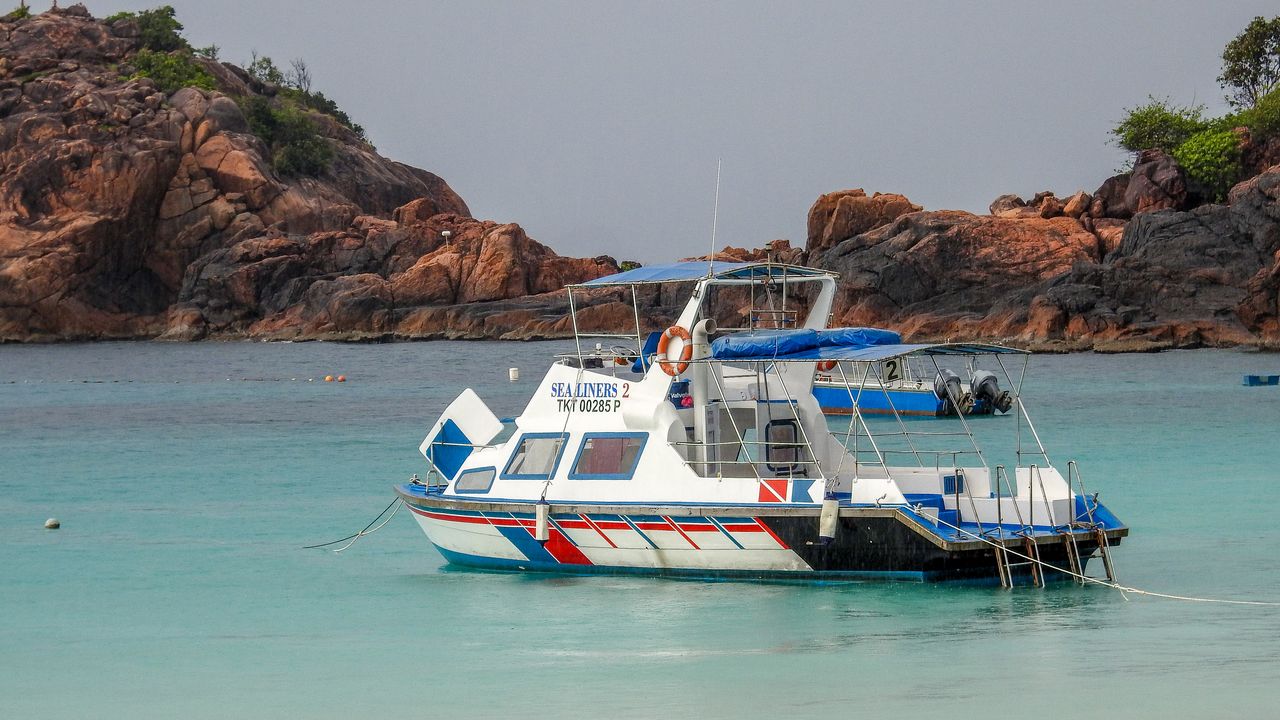
White Sands Dive Shop runs two snorkel trips, and both put you over living coral. Our Hol Chan and Shark Ray Alley snorkeling trip visits the marine reserve and the stop known for its rays. Park tickets are not included on that trip.
Our Mexico Rocks snorkeling trip guide covers the other trip on our list, including how to watch turtles without disturbing them. Divers can read our guide to scuba diving on Ambergris Caye, where the same sunscreen habits apply between dives.
Want to know what lives on that coral? See our guide to Ambergris Caye marine life and our page on the Belize Barrier Reef Reserve System.
Is there a sunscreen law in Belize?
You will see travel blogs say Belize has banned certain sunscreens. Neither NOAA nor the Coral Reef Alliance pages we cite mention a Belize rule, so we do not claim one here. Either way, the ingredient checklist above protects the coral whether or not a law asks you to.
If you are unsure, ask us when you book, and pack your sunscreen from home so you are not hunting for one on the island. Our Belize dive trip packing list has the rest of what to bring.
Who takes you out on the reef
White Sands Dive Shop is owned and operated by Elbert Greer, a PADI IDC Staff Instructor. We are a PADI International Resort Association member and are licensed by the Belize Tourism Board. Read about Elbert Greer, your PADI instructor.
Vivake K. Bhalla wrote that Elbert was “very friendly and fun, but equally very strict about safety.” That care extends to the reef itself. You can read more letters from Elbert’s dive and snorkel students.
Reef safe sunscreen, Belize: your questions answered
Which sunscreen ingredients harm coral reefs?
NOAA lists oxybenzone, octinoxate, octocrylene, several benzophenones and camphors, OD-PABA, and nano-sized zinc oxide and titanium dioxide among the sunscreen chemicals that can harm marine life.
Is mineral sunscreen better for snorkeling?
NOAA calls mineral sunscreen a better option because it has fewer effects on aquatic life. Look for a non-nano zinc oxide or titanium dioxide lotion.
Is spray sunscreen bad for the reef?
The Coral Reef Alliance advises avoiding sprays, which often miss the skin and settle on the sand. A lotion applied before the boat leaves is the better choice.
Do I still need sunscreen if I wear a rash guard?
Yes, for the skin it does not cover, such as your face, neck, hands, legs and feet. The rash guard simply means you need much less product.
Does Belize ban some sunscreens?
The authority pages we cite do not mention a Belize rule, so we cannot confirm one. Ask us when you book and choose a lotion without oxybenzone or octinoxate either way.
Book your snorkel trip with White Sands Dive Shop
Tell us which snorkel trip you would like, how many are in your group and where you are staying, and we will meet you at your hotel dock for the 9:00 departure. Email elbertgreer@fastmail.fm or call 011 (501) 226 2405.