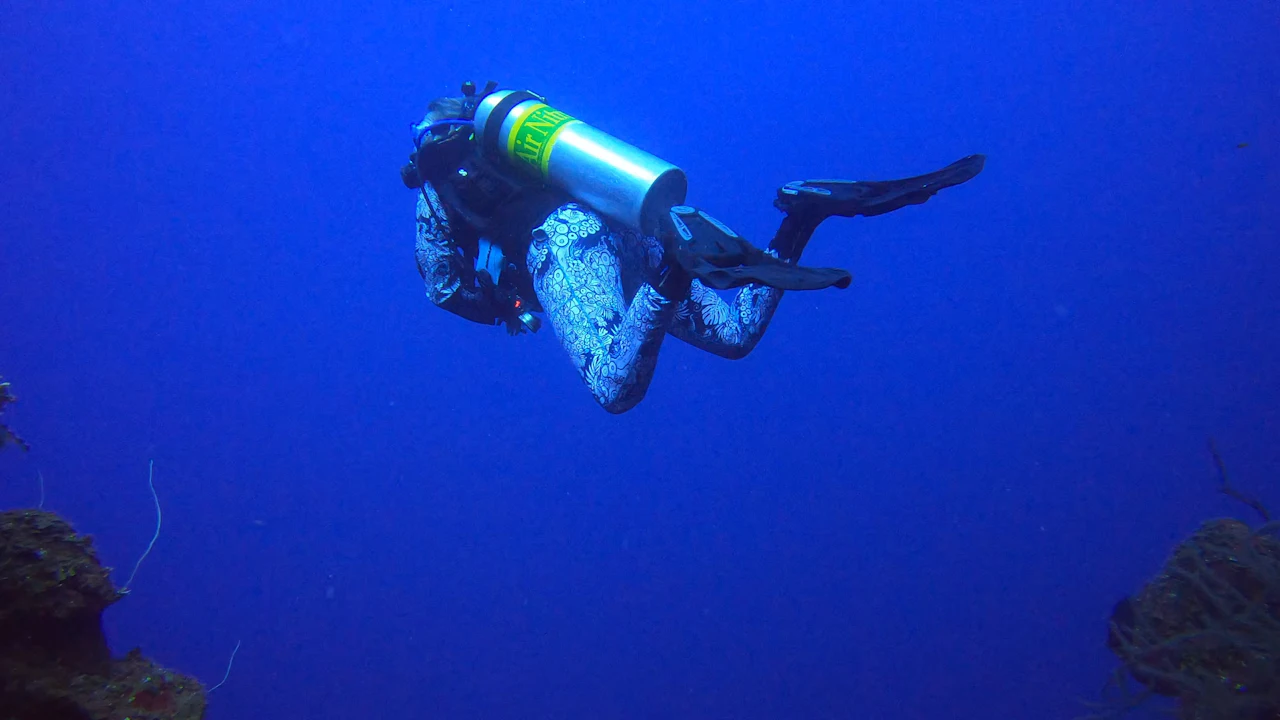
Ask ten new divers what they want to know first and many will ask how deep recreational divers can go. The answer has two parts: the overall limit for recreational diving, and the limit that applies to you today, which depends on your training. This guide covers both, using the figures PADI publishes.
It is written for people planning a first course, newly certified divers wondering what comes next, and anyone eyeing a bucket list deep site. We keep to what PADI states, explain the levels in plain words, and show how training opens up deeper water step by step.
How deep can recreational divers go with each certification?
Quick answer: PADI says that, with the necessary training and experience, the limit for recreational scuba diving is 40 meters/130 feet. Beginning divers stay shallower than about 18 meters/60 feet, and the Advanced Open Water course extends that limit to 30 meters/100 feet. Some of the most popular diving is shallower than 12 meters/40 feet.
The recreational diving depth limit
PADI’s scuba certification FAQ from PADI puts it simply: with the necessary training and experience, the limit for recreational scuba diving is 40 meters/130 feet. The key words are training and experience. The 40 meter figure is a ceiling for trained, experienced divers, not a target for everyone.
Every level below that has its own, shallower limit. For almost everyone reading this, the useful question is which limit applies at your current level, and how to move to the next one.
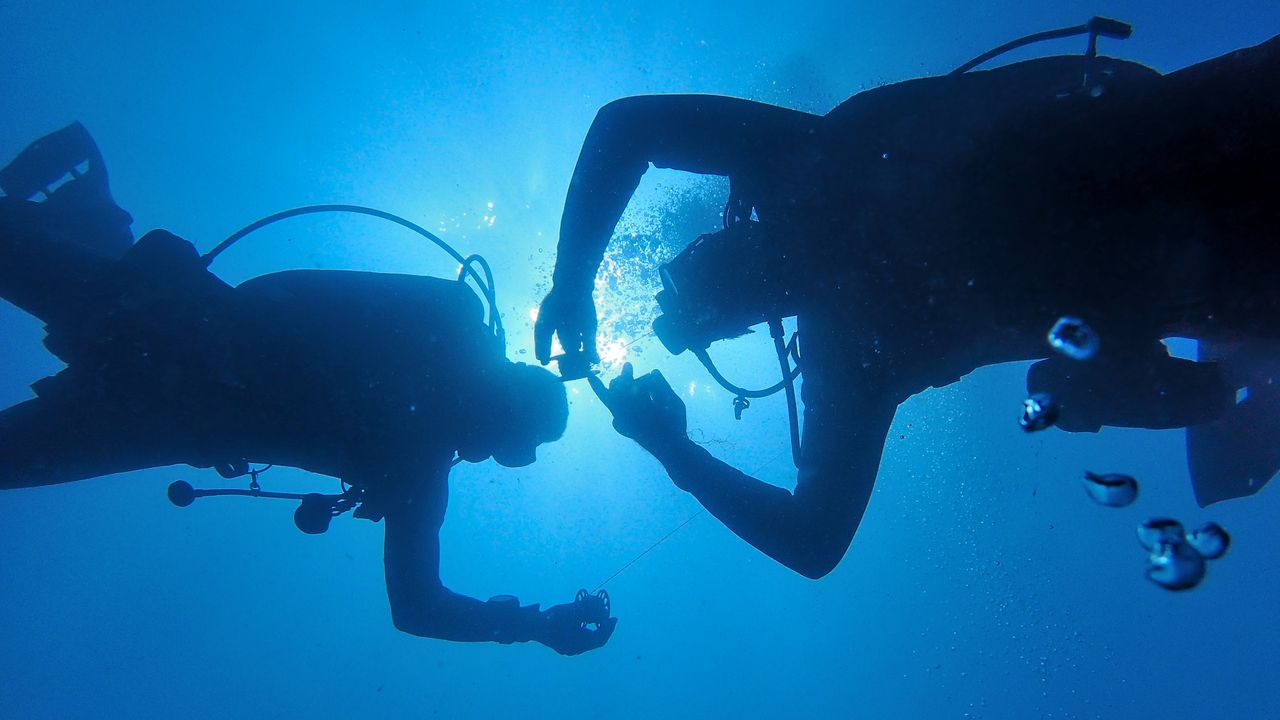
Open Water depth limit and other levels
The table below lines up each step with the depth PADI states for it, plus the Discover Scuba Diving limit from our own Water Sports page with course details and prices. Read it as a training ladder: each rung adds skills before it adds depth.
| Level | Depth limit | Source | Who it suits |
|---|---|---|---|
| Discover Scuba Diving | Up to 40 ft in the Marine Reserve, with a certified divemaster | Our Water Sports page | First try, no certification |
| Open Water Diver | 18 meters / 60 feet | PADI | New certified divers |
| Advanced Open Water Diver | 30 meters / 100 feet | PADI | Divers ready for more experience |
| Recreational limit | 40 meters / 130 feet, with the necessary training and experience | PADI | Trained, experienced divers |
| Junior Open Water Diver (under 15) | More conservative, by age; confirm with your instructor | PADI | Children aged 10 to 14 |
Open Water Diver: 18 meters / 60 feet
PADI says beginning scuba divers stay shallower than about 18 meters/60 feet. At White Sands Dive Shop, the Open Water Diver course includes four open water dives, and we suggest you allow 3 to 4 days. Our guide to learning to dive on Ambergris Caye explains each beginner course side by side.
Advanced Open Water: 30 meters / 100 feet
On its page of next steps for PADI Open Water Divers, PADI says the Advanced Open Water course extends your depth limit from 18 meters (60 feet) to 30 meters (100 feet). Our Advanced Open Water course on Ambergris Caye includes five dives, with Night, Deep and Navigation as the three core dives.
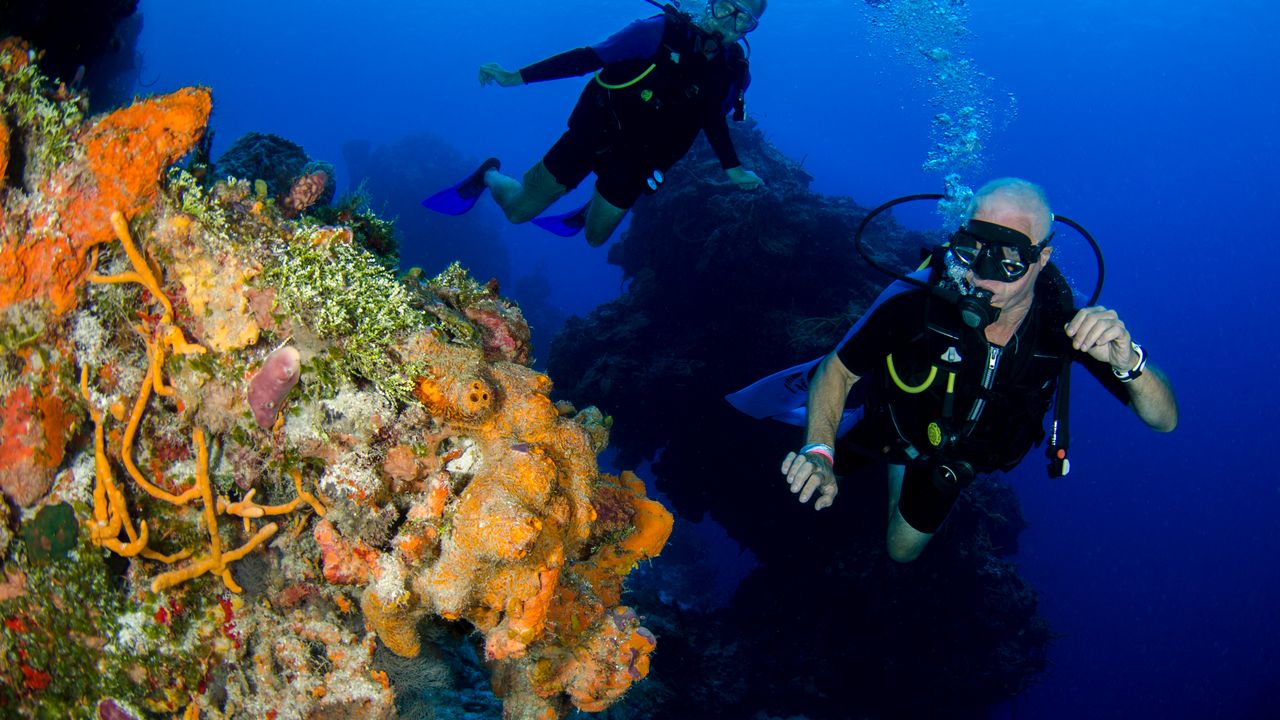
Depth limits for junior divers
PADI says the minimum age for scuba certification is 10 years old in most areas. Student divers younger than 15 earn the PADI Junior Open Water Diver certification, and they may upgrade to Open Water Diver when they reach 15.
Junior divers follow more conservative rules than adults, and those rules depend on age. Because the exact figures depend on the child’s age and rating, ask the instructor to confirm them before any trip. Our guide to scuba diving for kids and young teens covers the wider picture for families.
Why deeper is not always better
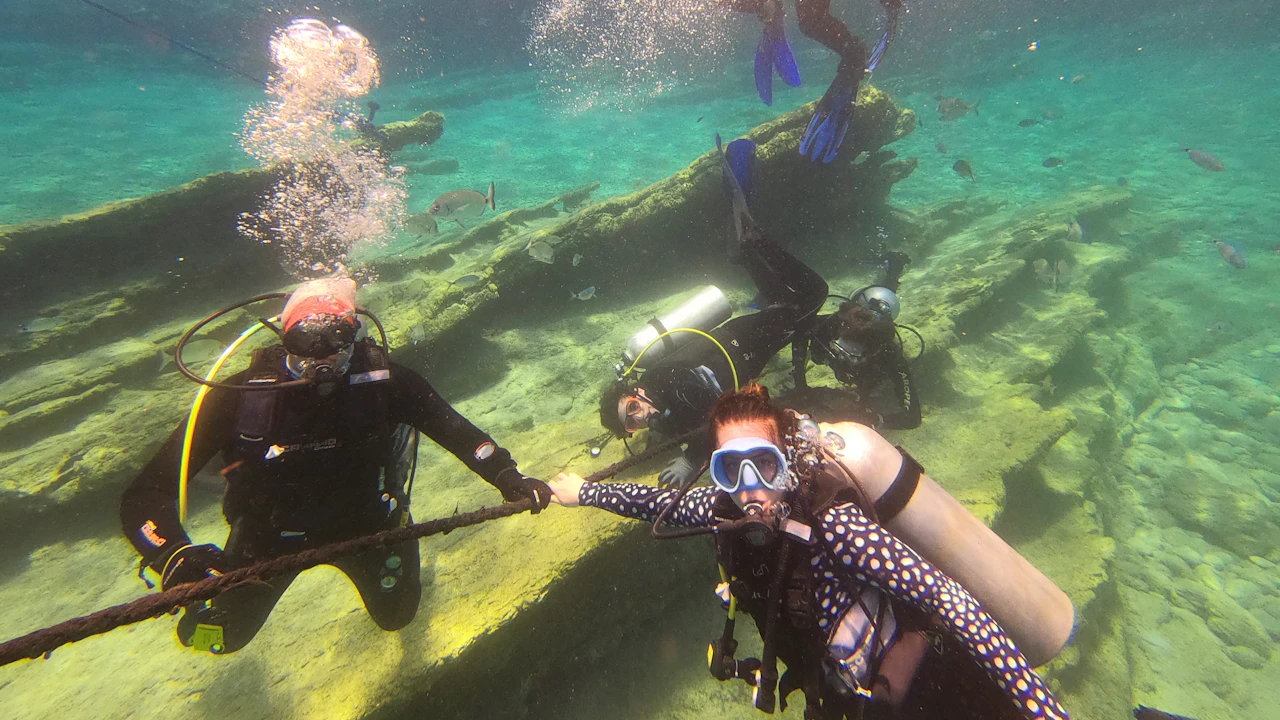
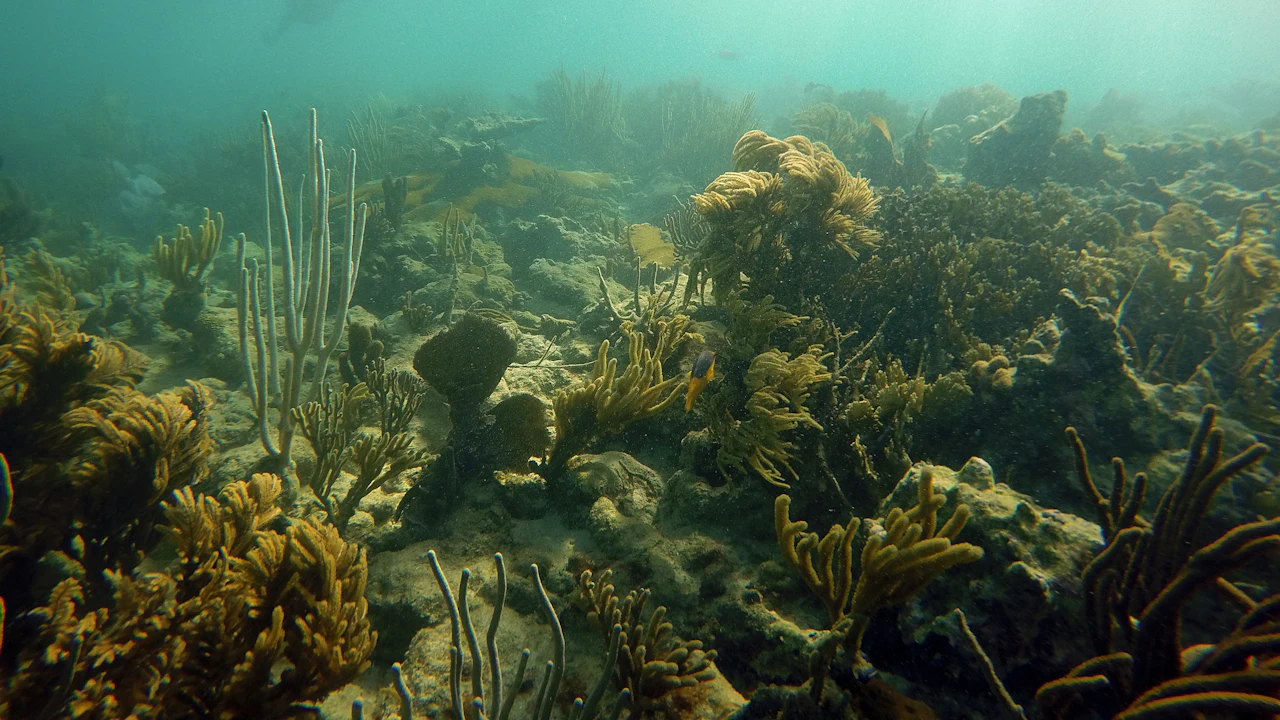
It is easy to treat depth as a score. PADI makes a quieter point worth remembering: some of the most popular diving is shallower than 12 meters/40 feet. A limit is a ceiling, not a goal, and a relaxed shallow dive often shows you more.
Depth also costs you air. Our guide to how long a scuba tank lasts explains why deeper dives tend to be shorter. Two other effects are worth reading about before you go deeper: our pages on nitrogen narcosis symptoms and how to handle them and on decompression sickness symptoms divers should know.
How to qualify for deeper dives
If a deep site is on your list, the path is training first, depth second. PADI names Deep Diver as one of its popular specialty courses after Advanced Open Water. A typical route looks like this:
- Earn your Open Water Diver certification and log some relaxed dives within its limit.
- Take Advanced Open Water (ours includes a Deep dive), which PADI says extends your limit to 30 meters/100 feet.
- Add the Deep Diver specialty and build experience before planning dives toward the recreational limit.
Many visitors ask about the Great Blue Hole. Our Great Blue Hole trip page describes full-day excursions of three dives, and our guide to Blue Hole dive requirements explains what to have in place before you book. We also offer PADI specialty courses in Belize.
What to tell us before you book a dive
Depth limits only help if everyone on the boat knows yours. When you write to us, a few details let us match you to the right dive or course from the start, and save time on the day.
- Your certification level and the agency that issued it.
- Roughly how many dives you have logged, and when you last dived.
- The age of any child in your group who wants to dive.
- Any deep site you hope to visit, so you can plan training around it.
Bring your certification card or eCard with you as well. If it has been a while since your last dive, our scuba refresher course on Ambergris Caye is an easy way to get comfortable before going deeper.
Train with Elbert Greer
White Sands Dive Shop is a 5 Star PADI Dive Facility on the beach in San Pedro, owned and operated by Elbert Greer, PADI IDC Staff Instructor. He can help you work out which level fits your plans.
After finishing her certification, a student named Susan wrote to Elbert: “You truly put me at ease and made the whole experience fun.” Vivake K. Bhalla called him “very strict about safety”. Read more in our letters from students Elbert has taught.
How deep can recreational divers go: your questions answered
What is the maximum depth for recreational diving?
PADI says that, with the necessary training and experience, the limit for recreational scuba diving is 40 meters or 130 feet.
How deep can I go with an Open Water certification?
PADI says beginning divers stay shallower than about 18 meters or 60 feet, and the Advanced Open Water course extends the limit from 18 meters to 30 meters.
How deep can Advanced Open Water divers go?
PADI states that Advanced Open Water extends your depth limit to 30 meters or 100 feet.
Can children dive as deep as adults?
No. PADI certifies divers from age 10 in most areas, and divers under 15 earn the Junior Open Water Diver rating, which carries more conservative rules. Your instructor confirms the limits for each age.
Is deeper diving better?
Not necessarily. PADI notes that some of the most popular diving is shallower than 12 meters or 40 feet.
Plan your next level with us
Not sure which limit applies to you, or which course fits your trip? Email Elbert at elbertgreer@fastmail.fm or phone 011 (501) 226 2405 with your certification level and dates, and we will help you plan.