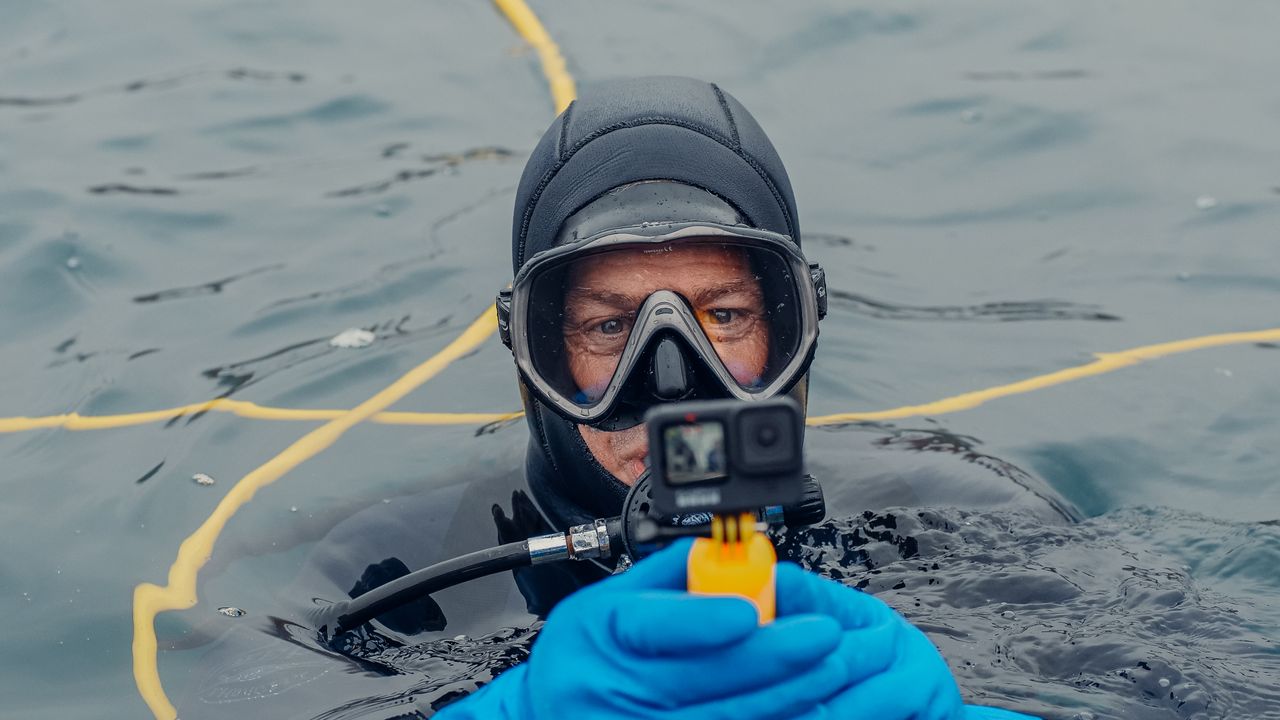
Ears are the first thing most new divers notice on the way down, and the first thing many of them worry about before a lesson. Our short answer on how to equalize ears scuba diving beginners can trust is this: start early, go gently, and never push through pain.
This guide is for anyone booked on a first try dive or certification course, and for divers who struggled to clear on a past trip. It explains the techniques described by Divers Alert Network (DAN), the dive medicine organization, when to use them, and the signs that mean you should stop diving and see a doctor. It is general information, not medical advice.
How to equalize ears scuba diving: what is the safe method?
Quick answer: Begin before you descend, then equalize every few feet for the first 10 to 15 feet. Pinch your nose and exhale gently (Valsalva), pinch and swallow (Toynbee), or pinch and tense your throat as if saying the letter K (Frenzel). If you feel pain, stop, rise a few feet and try again. Never force it.
Why your ears need equalizing underwater
Behind each eardrum is a small air space, the middle ear, which connects to the back of your throat through a narrow passage called the Eustachian tube. As you sink, water pressure pushes on the outside of the eardrum. Unless you send a little air up that tube to match it, the drum bows inward and starts to ache.
This matters because DAN calls middle-ear barotrauma, or ear squeeze, the most common dive injury in its DAN guide to middle-ear barotrauma in divers. Equalizing is a skill you practice, not a talent you either have or lack.
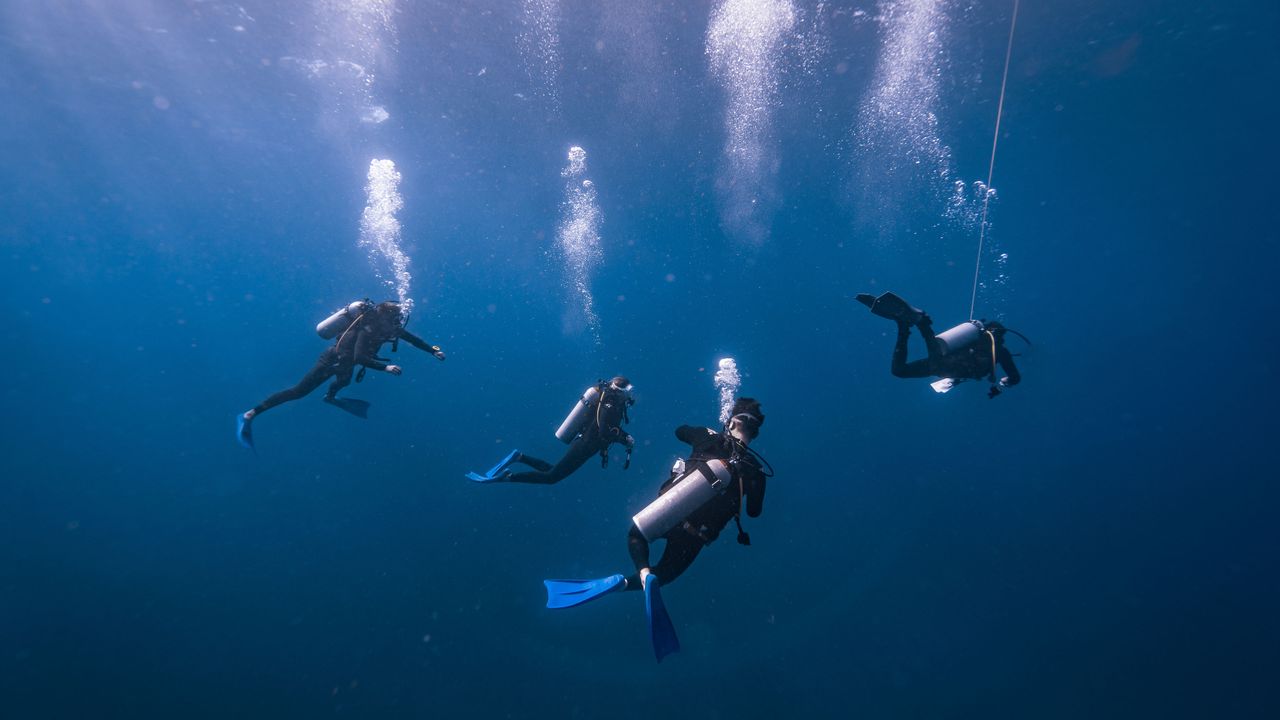
Ear equalization techniques diving medicine describes
DAN’s DAN page on middle-ear equalization techniques lists seven methods. The table below sums each one up in our own words.
| Technique | How you do it | Worth knowing |
|---|---|---|
| Passive | Nothing; the ears vent by themselves | Happens on the way up, not the way down |
| Voluntary tubal opening | Yawn or wiggle your jaw | Hands free, but takes practice for most people |
| Valsalva | Pinch your nostrils and exhale gently through your nose | The one most students learn first; gentle is the key word |
| Toynbee | Pinch your nostrils and swallow | DAN notes it is useful during ascent |
| Frenzel | Pinch your nostrils, tighten your throat and make a K sound | Uses throat muscles rather than lung pressure |
| Lowry | Pinch, then gently exhale and swallow at the same time | A blend of Valsalva and Toynbee |
| Edmonds | Push your jaw forward, then do Valsalva or Frenzel | Helpful when a plain Valsalva is not enough |
Try them on land first, in the days before your trip. You should feel a soft click or fullness in both ears when one works. If you feel nothing, or it takes a hard blow to get there, mention it to your instructor before the first dive rather than discovering it at depth.
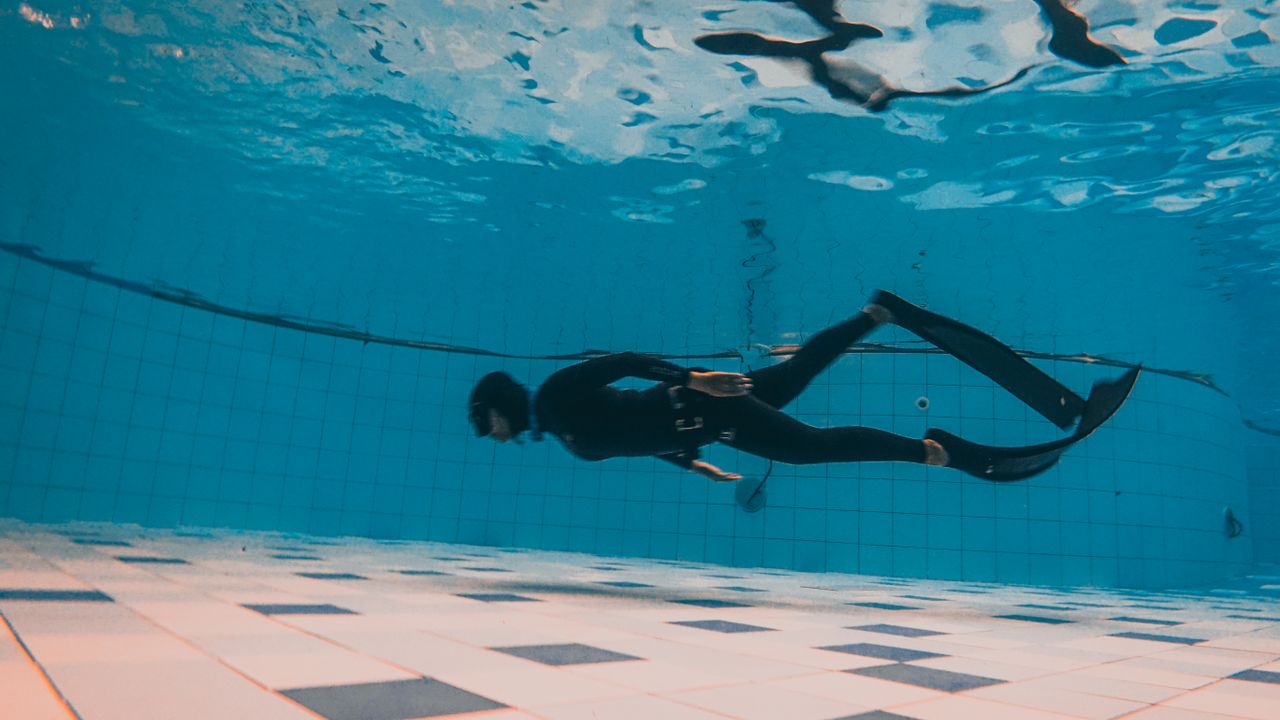
When to equalize: a simple descent routine
Timing matters as much as technique. The biggest pressure change happens close to the surface, so the first few feet are where ears are won or lost.
- Do a gentle equalization at the surface, before your head goes under.
- Descend slowly, and equalize every few feet for the first 10 to 15 feet, before you feel pressure.
- If an ear will not clear, stop going down, rise a few feet and try again.
- Do not bounce up and down trying to force it; patience works better.
- Keep equalizing now and then as you level off, since small depth changes count too.
Agree a hand signal for an ear problem with your instructor or buddy before you get in. Using it is never a nuisance, because a slow descent is far better than a sore ear that ends your week of diving.
Ear pain scuba diving: what to do if an ear won’t clear
DAN puts it plainly: pain is not acceptable. Pain means you went deeper than your ears could keep up with, so the answer is to ascend a few feet until it eases, then equalize again. If it still will not clear, ending the dive is the right call and nothing to be embarrassed about.
Colds, hay fever, allergies and other upper airway infections can make equalizing hard or impossible. DAN advises against diving when congested. Decongestants are a question for your own doctor before the trip, because DAN warns that one wearing off mid-dive can cause a reverse block, where air gets trapped on the way up.
Signs to stop diving and see a doctor
DAN lists these warning signs. If any of them show up, stop diving and get a professional medical opinion rather than guessing.
- Pain, dizziness or a spinning feeling (vertigo), or sudden hearing loss during a dive: abort the dive, and if it persists, do not dive again until you have seen a physician.
- A clogged or stuffed feeling, popping or crackling that lingers after you surface.
- Pain that gets worse, a fever or discharge from the ear, which can point to infection.
DAN also says not to put any drops in the ear canal after an ear squeeze, and to return to diving only once a physician confirms the injury has healed. Planning a flight home? Our guide to flying after diving in Belize covers the timing, and dive insurance for a Belize trip is worth sorting before you travel.

Practicing equalization in a beginner course
The easiest place to learn is with an instructor beside you in calm water. Our guide to learning to dive on Ambergris Caye compares the routes, and both Discover Scuba and the Refresher include a pool session, so you can try each technique in shallow water before the reef.
- Discover Scuba Diving on Ambergris Caye: basic knowledge, a pool session with gear and one open water dive with a certified divemaster, to a maximum of 40 ft.
- The PADI Open Water course on Ambergris Caye: five classes, including diving physics and maladies, then four open water dives. Allow 3-4 days.
- The scuba refresher course for returning divers: a pool session to review your skills, then a dive with the instructor.
Course details and current course prices are on our Water Sports page with every PADI course. If ears worried you on a past trip, say so when you book.
Who teaches you at White Sands Dive Shop
White Sands Dive Shop is a 5 Star PADI Dive Facility on the beach in San Pedro, owned and operated by PADI IDC Staff Instructor Elbert Greer. Students describe a teacher who keeps it relaxed without cutting corners.
Vivake K. Bhalla wrote that Elbert “was very friendly and fun, but equally very strict about safety.” You can read that note and others in our letters from Elbert’s dive students.
How to equalize ears scuba diving: your questions answered
Which equalization technique should a beginner try first?
Most students start with Valsalva: pinch your nostrils and exhale gently through your nose. If that does not work, Toynbee (pinch and swallow) or Frenzel (pinch and make a K sound with your throat) are good next tries.
How often should I equalize on the way down?
DAN suggests starting before you descend and equalizing every few feet for the first 10 to 15 feet. Do it before you feel pressure, not after.
Can I dive with a cold or blocked nose?
DAN advises not to dive when congested, because a blocked nose can stop your ears clearing. Ask your own doctor before using any decongestant for diving.
What should I do if my ear hurts underwater?
Stop descending, rise a few feet until the pain eases and try to equalize again. If it still will not clear, end the dive calmly with your instructor.
When should I see a doctor about my ears after diving?
See a physician if pain, vertigo or hearing loss persists, if your ear still feels full or crackles after diving, or if you notice worsening pain, fever or discharge. Only return to diving once a doctor says the ear has healed.
Ask us before your first dive
With questions about an upcoming course, write to Elbert at elbertgreer@fastmail.fm or call 011 (501) 226 2405. Medical questions belong with your own doctor, but we are glad to talk you through how a lesson works.