Most dive trips end with nothing more serious than a sunburn. Still, the question of dive insurance Belize travelers ask before booking is a fair one: if something went wrong underwater, who would pay for the chamber, the doctors and the flight home? This guide explains the main ideas in plain words, using what the Divers Alert Network (DAN) says about its own membership and insurance.
It is written for certified divers and students planning dives with White Sands Dive Shop, a 5 Star PADI Dive Facility in San Pedro. We are not insurers, and this is not financial or medical advice. Think of it as a checklist to take to your own policy documents.
What does dive insurance cover on a Belize dive trip?
Quick answer: Dive accident insurance pays for the costs of a diving injury that ordinary health and travel plans often leave out. DAN says its plans cover hyperbaric chamber treatment, hospital and doctor charges, and emergency transport by ground, air or sea. DAN membership alone does not include this cover, and policy terms vary, so read yours.
Why divers carry dive accident insurance
Serious diving injuries such as decompression illness can need treatment in a hyperbaric chamber, a pressurized room used by doctors who treat divers. DAN describes its dive accident insurance as a way to insure against the costs of dive injuries that are often left uncovered by typical health insurance.
In its article on dive accident insurance versus travel protection, DAN adds that chamber treatments are not typically covered by medical or travel insurance. It notes that some countries require large payments up front, and that follow-up care can run for weeks after a diver gets home.
Our homepage carries a “Be my buddy” link to DAN. It is the organization whose terms we summarize here.
Scuba diving insurance for a Belize trip: three different things
Travelers often mix up three separate products. DAN keeps them apart, and so should you when you compare cover.
| Type of cover | What DAN says it is for | Diving injuries | What to check |
|---|---|---|---|
| DAN membership | Emergency hotline, medical information line and TravelAssist evacuation services | DAN says membership alone does not cover the costs of a dive accident | Which membership level you hold and what TravelAssist includes |
| Dive accident insurance | Costs of diving accidents and injuries, bought separately after joining DAN | Chamber treatment, hospital and doctor charges, emergency transport | Plan limits, which activities are covered, rules where you live |
| Travel insurance | Trip cancellation, delayed flights, lost baggage, identity theft | DAN says very few travel plans cover scuba incidents | Diving add-ons, depth limits, divemaster or certification conditions |
| Health insurance at home | Your everyday medical care | DAN says dive injuries are often left uncovered | Whether it pays abroad and whether it pays chamber treatment |
Membership is not the same as insurance
This is the point most divers miss. DAN’s membership page states that membership alone does not provide coverage for the costs of a dive accident, and that dive accident insurance must be bought separately for each member. Its insurance page says to join DAN first, then add the insurance.

DAN dive insurance: evacuation, chamber and travel exclusions
DAN’s dive accident insurance page lists what its plans pay for. These are the parts most relevant to a diver on an island.
- Hyperbaric treatment: chamber treatment is covered, along with physician and hospital charges.
- Emergency transport: ambulance transport by ground, air or sea to the nearest hospital or hyperbaric chamber.
- Delays: extra travel and lodging costs if prescribed treatment holds up your return.
- Gear: lost or damaged diving equipment from a covered accident.
DAN also says its dive accident plan provides secondary accident medical coverage. Ask DAN how that works alongside any other insurance you hold. Coverage and availability vary by state, province and plan, and the policy wording is what counts.
Where travel insurance falls short
DAN says very few travel protection plans cover scuba diving incidents. Some sell diving cover for an extra fee, but may require you to dive with a divemaster or hold certification from a particular agency. DAN adds that many travel plans exclude dives deeper than 100 feet (30 m).
That depth limit matters if your trip includes deeper offshore dives. Read our Great Blue Hole dive requirements guide and the Great Blue Hole and Lighthouse Reef day trip page before you compare policies.
If an accident happens: the order DAN gives
Knowing the steps before you travel saves time when it counts. DAN’s guidance is short and clear.
- Call local emergency services first.
- Then call the DAN emergency hotline, which is open around the clock and accepts collect calls.
- Let DAN arrange any evacuation. DAN states that it must arrange the transportation for covered emergency evacuation fees to be paid, and that transport you arrange yourself may not be reimbursed.
Save the hotline number in your phone and keep your membership details with your certification card. Your buddy or travel partner should know where both are.
Questions to ask before you buy any policy
We cannot tell you which policy to buy. These questions, drawn from the points DAN raises, help you read the fine print yourself:
- Does it cover scuba diving at all, or only as an add-on?
- Is there a depth limit, and does it fit the dives you plan?
- Does it pay for hyperbaric chamber treatment abroad?
- Does it cover emergency transport, and who must arrange it?
- Is the cover primary or secondary to your other insurance?
- Does it cover training dives on a course as well as fun dives?
Ask us about the dives you plan, and we can tell you what each trip involves. Our guide to scuba diving on Ambergris Caye covers the local reef dives, the night dive and the full day trips, and our guide to flying after diving in Belize covers the last day of your trip.
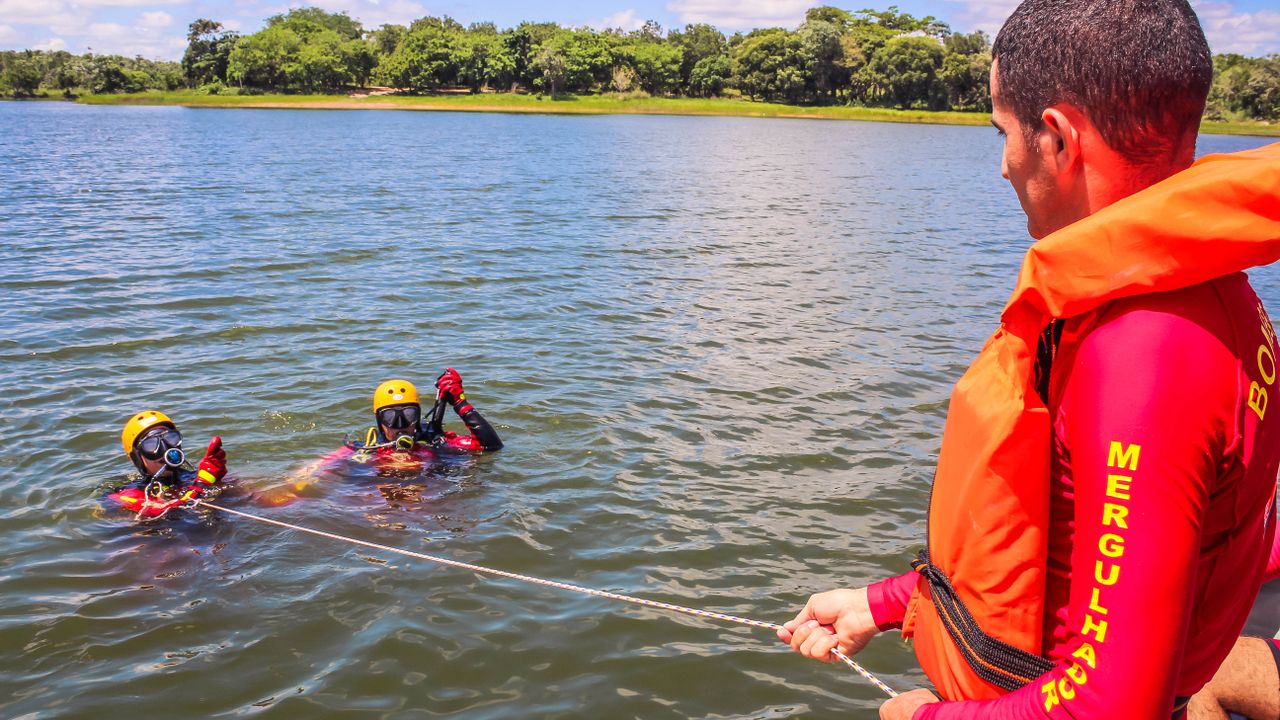
Insurance is the backup; training is the first line
Insurance pays the bills, but skills prevent and manage accidents. Our PADI Rescue Diver course in Belize develops the knowledge and skills to perform diver rescues, manage diving accident situations and give proper first aid. It includes twelve rescue scenarios, and we suggest allowing three days.
If it has been a while since your last dive, our scuba refresher course on Ambergris Caye starts with a pool session before a dive with the instructor. Course details and current prices are on our PADI course list on the Water Sports page.
White Sands Dive Shop is owned and operated by Elbert Greer, a PADI IDC Staff Instructor; read about Elbert Greer, your PADI instructor. Vivake K. Bhalla wrote that Elbert was “very friendly and fun, but equally very strict about safety.” More letters from Elbert’s dive students are on our site.
Dive insurance, Belize: your questions answered
Does DAN membership include dive accident insurance?
No. DAN says membership alone does not cover the costs of a dive accident, and dive accident insurance is bought separately after you join.
Does travel insurance cover scuba diving?
DAN says very few travel plans cover scuba incidents. Some offer diving cover for an extra fee, often with conditions such as a depth limit of 100 feet (30 m).
What does DAN dive accident insurance pay for?
DAN lists hyperbaric chamber treatment, physician and hospital charges, emergency transport by ground, air or sea, extra travel and lodging if treatment delays your return, and lost diving gear from a covered accident.
Who should I call first after a dive accident?
DAN advises calling local emergency services first, then the DAN emergency hotline. DAN must arrange evacuation transport for covered fees to be paid.
Do I need dive insurance to dive with White Sands Dive Shop?
Ask us when you book and we will tell you what applies to your dives. Whatever you choose, read the policy wording for diving, depth and chamber cover.
Plan your dives with White Sands Dive Shop
Tell us your certification level, the dives you have in mind and where you are staying, and we will help you plan the trip. Email elbertgreer@fastmail.fm or call 011 (501) 226 2405.