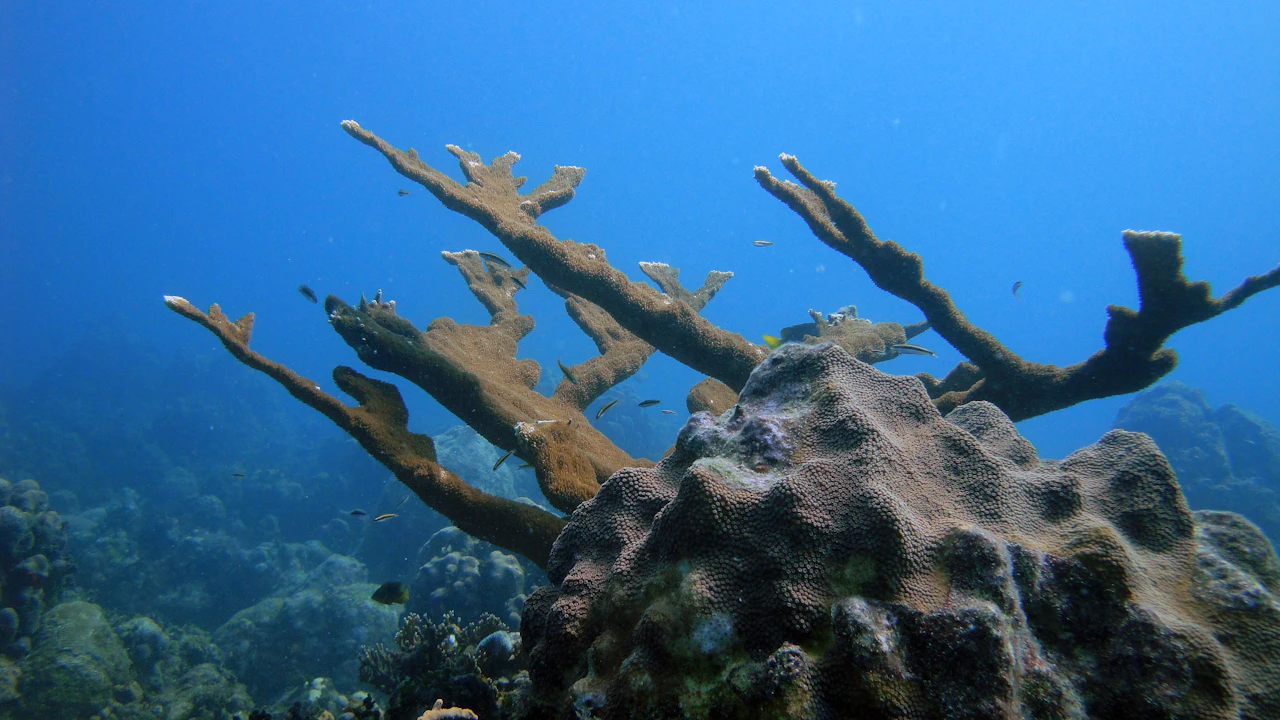
Elkhorn coral helped build the shallow Caribbean reefs that divers travel to Belize to see. Elkhorn coral and its cousin, staghorn coral, built much of the Caribbean’s shallow reef framework, and today both are rare enough to be protected as threatened species in the United States.
This guide is for divers and snorkelers who want to know what they are looking at in the shallows, why these corals matter, what is hurting them, and what you can do to help on your trip. Every fact about the corals comes from NOAA Fisheries, the US agency that manages their recovery.
What should divers know about elkhorn coral in Belize?
Quick answer: Elkhorn coral is a fast-growing, branching Caribbean reef builder that lives in clear water 1 to 15 feet deep. NOAA lists it as threatened: disease has cut it to under 3 percent of its former numbers, and warming seas cause deadly bleaching. Divers help by never touching it, finning carefully and using reef-safe sunscreen.
What elkhorn coral looks like
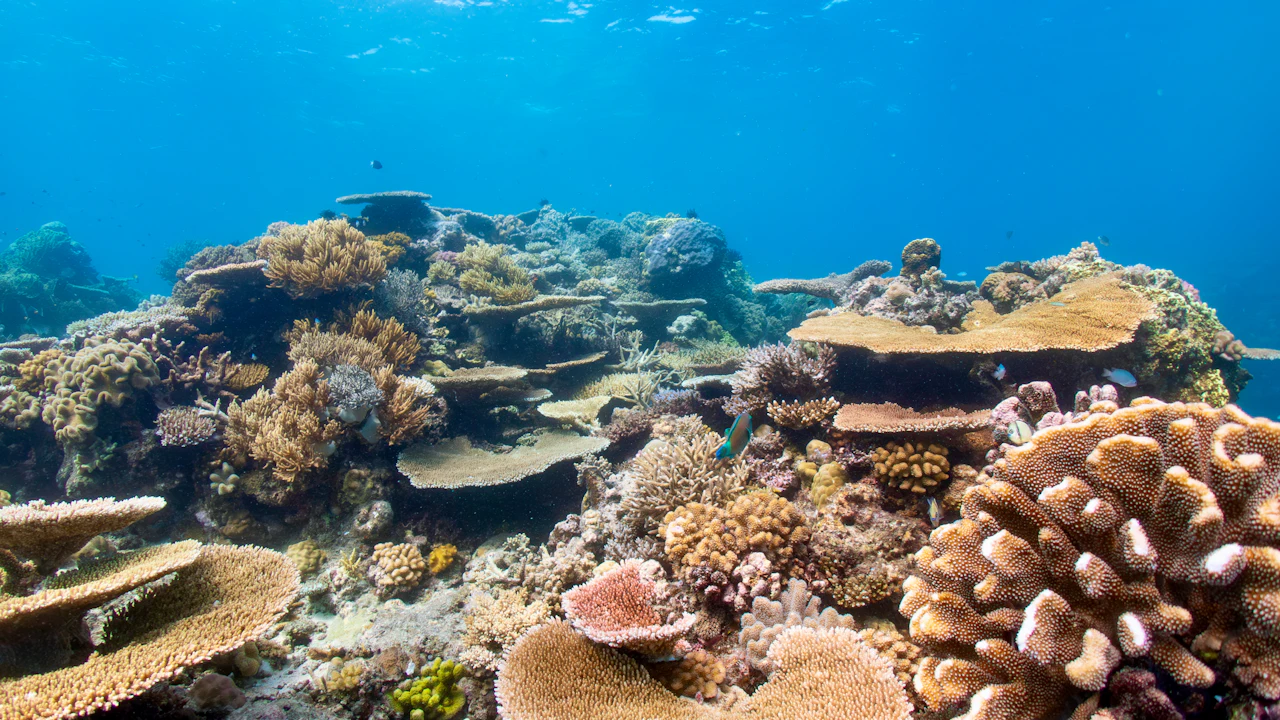
According to the NOAA Fisheries elkhorn coral species page, colonies are golden tan or pale brown with white tips. The color comes from tiny algae living inside the coral’s tissue. The branches are flat and wide, like the antlers of an elk, and they angle upward from a central trunk.
A single branch can be up to 15 inches wide. Whole colonies can reach about 6 feet tall and 12 feet across, and they often lock together into dense thickets. Healthy elkhorn can add up to 5 inches of branch length a year, one of the fastest growth rates of any coral, and a colony can live for hundreds of years.
Where it grows
NOAA says elkhorn lives on reefs in the Bahamas, Florida and the Caribbean, in clear, shallow water about 1 to 15 feet deep. It thrives where waves break hard, such as the reef crest. That shallow home puts it within reach of snorkelers and divers, which is exactly why good fin control matters.
Elkhorn vs staghorn coral: the two Acropora reef builders
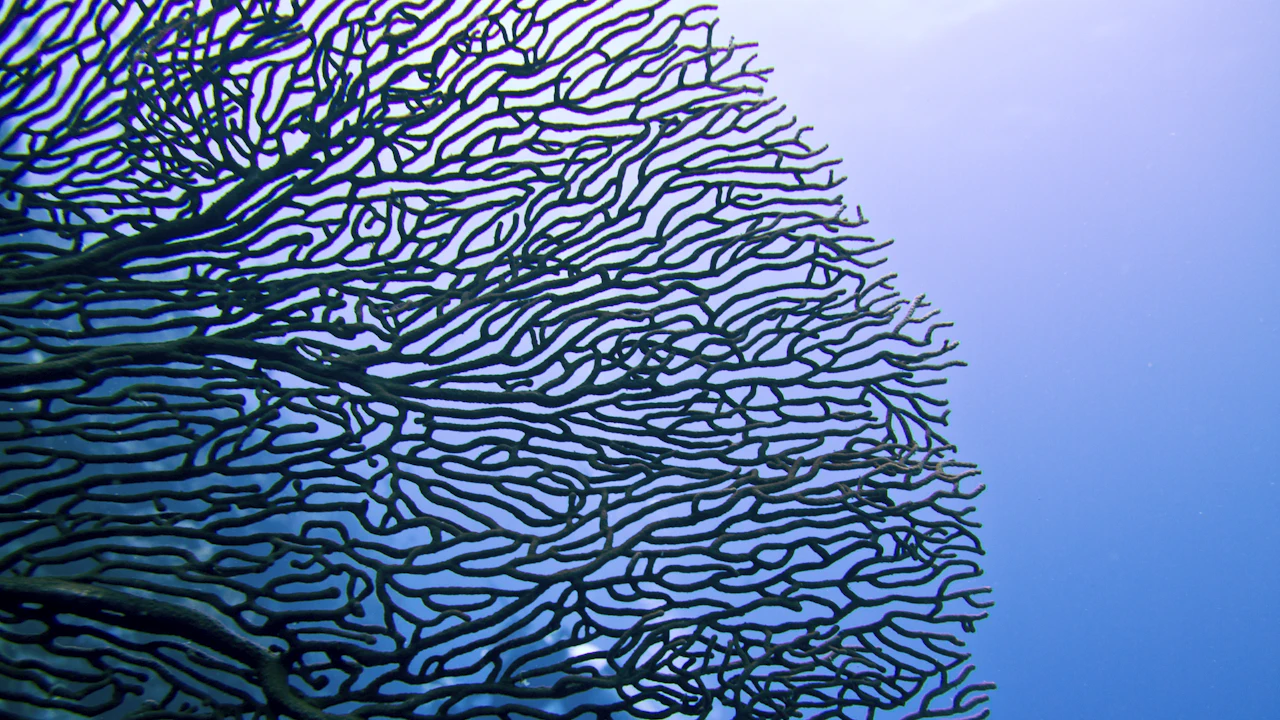
Elkhorn and staghorn are both Acropora corals, and NOAA manages them under a single recovery plan. The NOAA Fisheries staghorn coral page describes staghorn as having narrow, antler-like branches that grow in thickets, usually deeper than elkhorn. The table sums up the differences.
| Feature | Elkhorn coral | Staghorn coral |
|---|---|---|
| Branch shape | Flat, wide, frond-like branches | Narrow, antler-like branches |
| Branch size | Up to 15 inches wide, 1 to 2 inches thick | Typically 1 to 3 inches thick |
| Colony size | About 6 feet tall, 12 feet across | At least 4 feet tall, 6 feet or more across |
| Usual depth | 1 to 15 feet | About 15 to 60 feet |
| Growth when healthy | Up to 5 inches of branch a year | Up to 8 inches of branch a year |
| Status | Threatened under the US Endangered Species Act | Threatened under the US Endangered Species Act |
| Who sees it most | Snorkelers and shallow divers | Divers on shallow to mid-depth reefs |
Why elkhorn and staghorn matter to the reef
NOAA calls elkhorn one of the most important reef-building corals in the Caribbean, and says it helped build the region’s reefs over the last 5,000 years. Its big, fast-growing branches created the shallow structure that breaks waves and gives fish places to shelter and feed.
That structure is the home of many of the fish you will try to name on your first snorkel. Our reef fish identification guide for snorkelers and divers explains how to tell the main families apart. For the bigger picture of the reef these corals helped build, read our guide to the Belize Barrier Reef Reserve System World Heritage site.
What is killing elkhorn coral
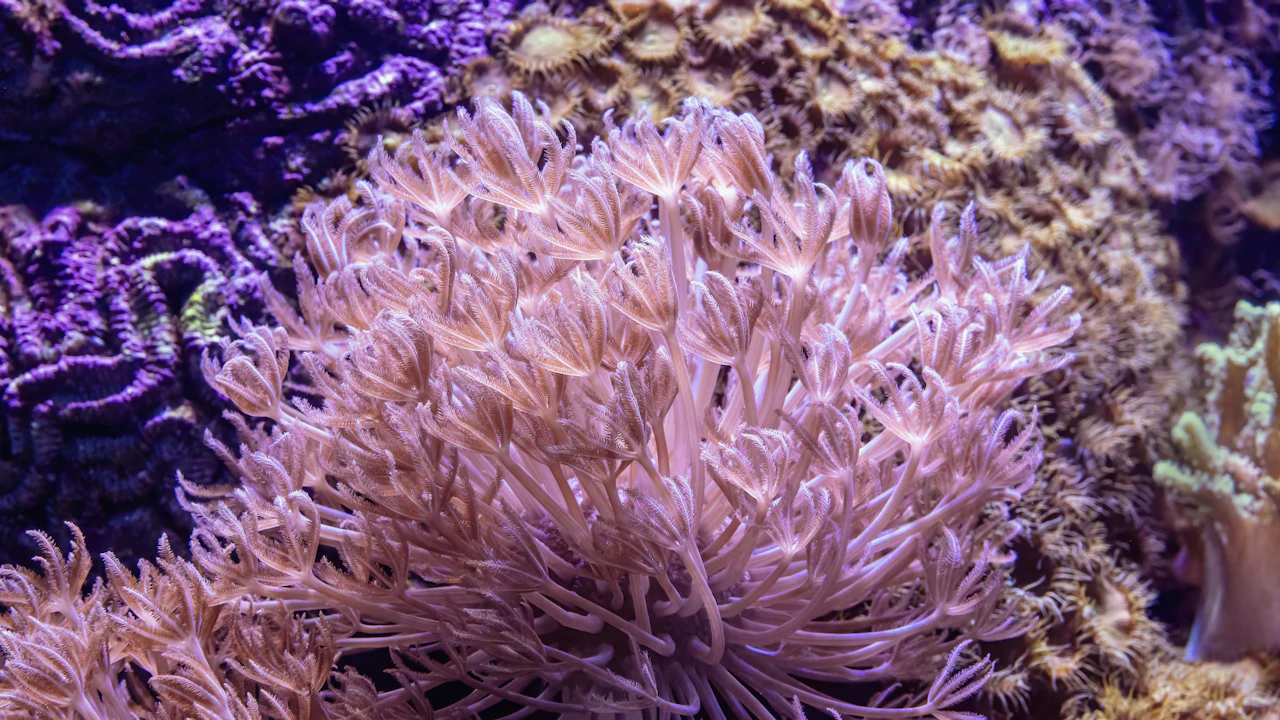
NOAA says white band disease drove a decline of about 97 percent starting in the 1980s. Today the species holds less than 3 percent of its former abundance, and successful reproduction from spawning is very rare, which makes natural recovery slow.
The threats NOAA lists today are:
- Ocean warming: heat makes corals expel their algae and bleach, which often kills them.
- Ocean acidification: it makes building a skeleton harder.
- Disease: especially white band and white plague.
- Overfishing of grazers: without plant-eating fish, algae can take over the reef.
- Pollution and physical damage: runoff, sediment, storms and boat groundings.
Heat is the newest blow. NOAA reports that the 2023 and 2024 marine heatwaves killed 89 to 100 percent of known wild and restored elkhorn colonies in the Florida Keys. Our guide to coral bleaching on the Belize reef explains how bleaching works, and our article on parrotfish and how they keep coral reefs healthy shows why grazing fish matter.
Acropora coral restoration: how corals are being helped
Because elkhorn and staghorn can regrow from broken pieces, restoration teams across the region grow fragments in underwater nurseries and then plant them back on reefs, a step called outplanting. NOAA’s recovery work also includes rescuing and reattaching corals broken by storms or groundings, banking coral sperm and genes, and studying how to raise young corals from spawning.
NOAA is clear that restoration alone cannot save these corals. Its recovery plan also calls for cutting greenhouse gases and reducing local stress such as pollution and overfishing. If you want to see spawning science in action, our guide to coral spawning on the reef explains the yearly event.
How divers and snorkelers can protect elkhorn coral in Belize
Shallow corals take the most bumps from people, so the small things you do in the water count. NOAA’s advice for the public, plus basic reef manners, comes down to a short list:
- Never touch, stand on or kneel on coral, even when you are tired in shallow water.
- Keep your fins up and your gauges tucked in. Our buoyancy control tips for divers help you hover instead of sinking onto the reef.
- Choose sunscreen with zinc oxide or titanium dioxide rather than oxybenzone, as NOAA suggests. See our guide to reef-safe sunscreen for Belize trips.
- Ask boats to anchor in sand or use moorings, away from coral.
- Save energy and water at home, since NOAA names climate change and runoff as leading threats.
Our reef etiquette guide for divers covers the rest, and new snorkelers can start with our snorkeling tips for beginners. For the reef trips we run from San Pedro, see our guide to diving on Ambergris Caye.
Dive the reef with a careful instructor
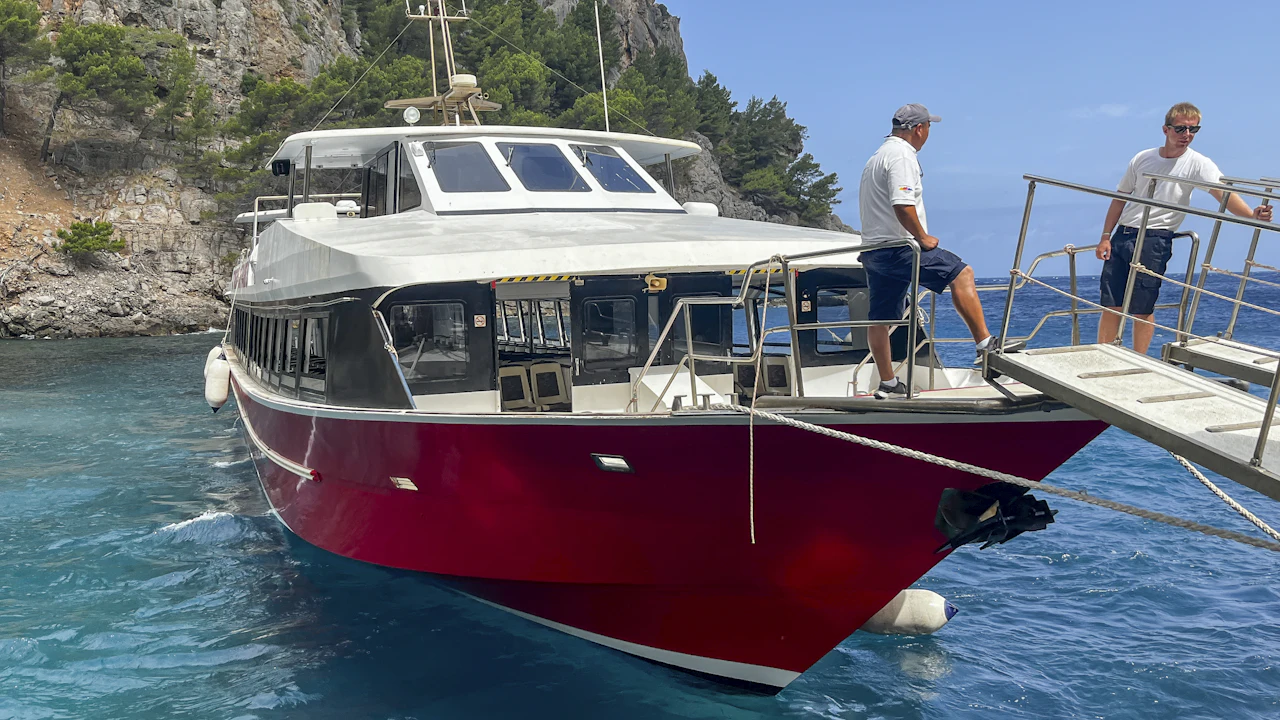
White Sands Dive Shop is a 5 Star PADI Dive Facility on the beach in San Pedro, overlooking what our homepage calls “the largest barrier reef in this hemisphere”. The shop is owned and operated by PADI IDC Staff Instructor Elbert Greer, and we offer daily diving, SCUBA instruction and snorkeling.
Students notice the care. Vivake K. Bhalla wrote that Elbert was “very friendly and fun, but equally very strict about safety”, and you can read more in the letters from Elbert’s dive students.
Elkhorn coral Belize: your questions answered
Is elkhorn coral endangered?
Elkhorn coral is listed as threatened under the US Endangered Species Act. NOAA says it has lost about 97 percent of its population since the 1980s, mainly to white band disease.
How deep does elkhorn coral grow?
NOAA says elkhorn usually lives in clear, shallow water about 1 to 15 feet deep, often where waves break. That makes it easy to see while snorkeling.
What is the difference between elkhorn and staghorn coral?
Elkhorn has flat, wide branches like elk antlers and lives in very shallow water. Staghorn has narrow, antler-like branches and usually grows about 15 to 60 feet deep.
Can I touch elkhorn coral?
No. Touching, standing on or kicking coral damages living tissue, and in US waters harming these corals is prohibited. Keep your fins up and look without touching.
Can elkhorn coral recover?
It can regrow from broken pieces, and restoration teams grow fragments in nurseries and plant them back on reefs. NOAA says lasting recovery also depends on cutting greenhouse gases and local stress.
Plan a reef trip with Elbert
Want to see the shallow reef up close, the careful way? Email Elbert at elbertgreer@fastmail.fm or call 011 (501) 226 2405 to plan your diving or snorkeling.