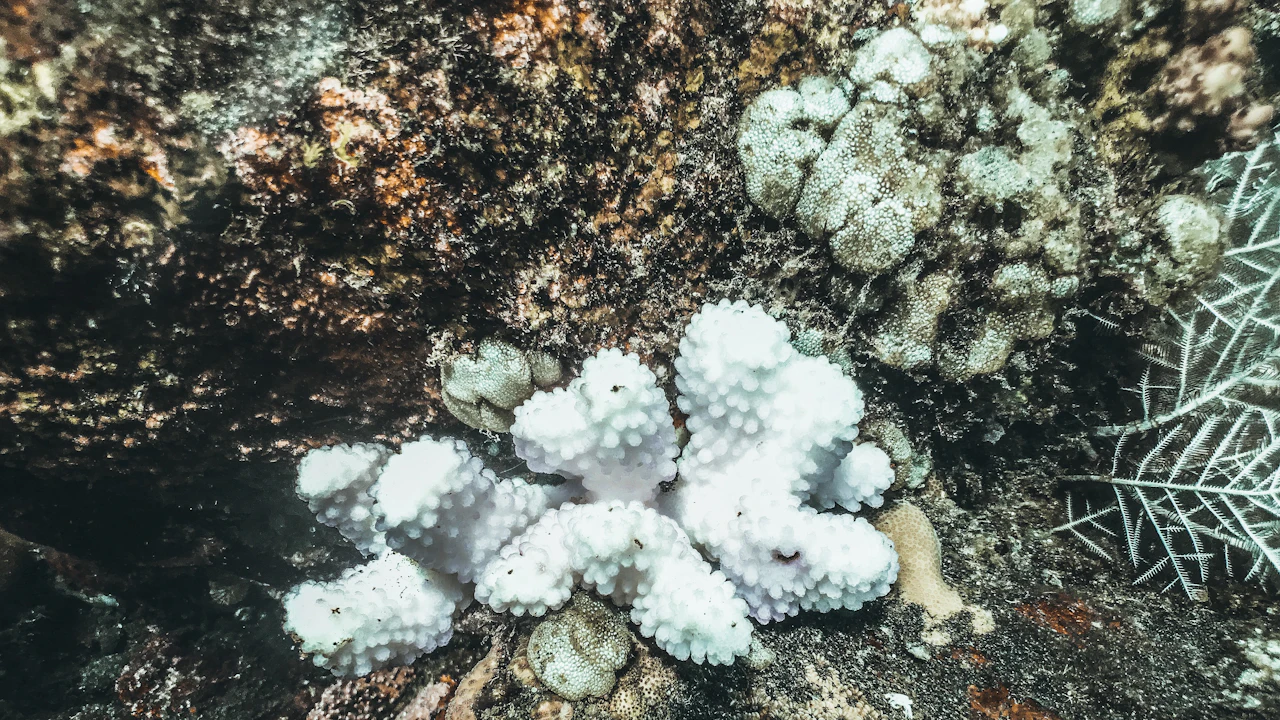
White patches on a reef catch every diver’s eye, and the first question is usually the same: is that coral dead? This guide to coral bleaching in Belize explains what bleaching is, what causes it, whether corals can recover and what you can do as a visiting diver or snorkeler.
Our coral bleaching Belize guide explains what you may be looking at underwater on a reef trip. We are a dive shop, not scientists, so the science below comes from the National Oceanic and Atmospheric Administration (NOAA), the US agency that tracks coral reef health worldwide.
What is coral bleaching in Belize, and is bleached coral dead?
Quick answer: Coral bleaching happens when stressed corals expel the tiny algae living in their tissue and turn white. NOAA names warming water as the leading cause. A bleached coral is not dead: if the stress eases, it can regain its algae and recover. If the stress lasts, the coral can starve, sicken and die.
What is coral bleaching?
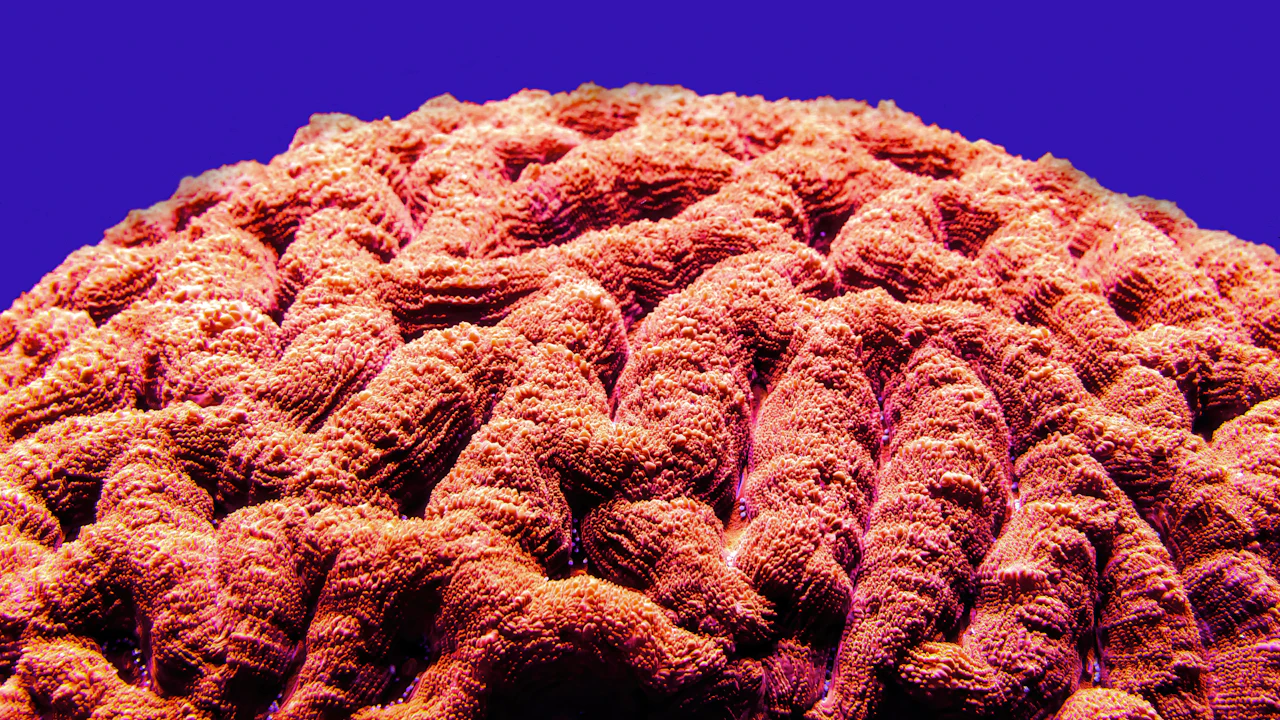
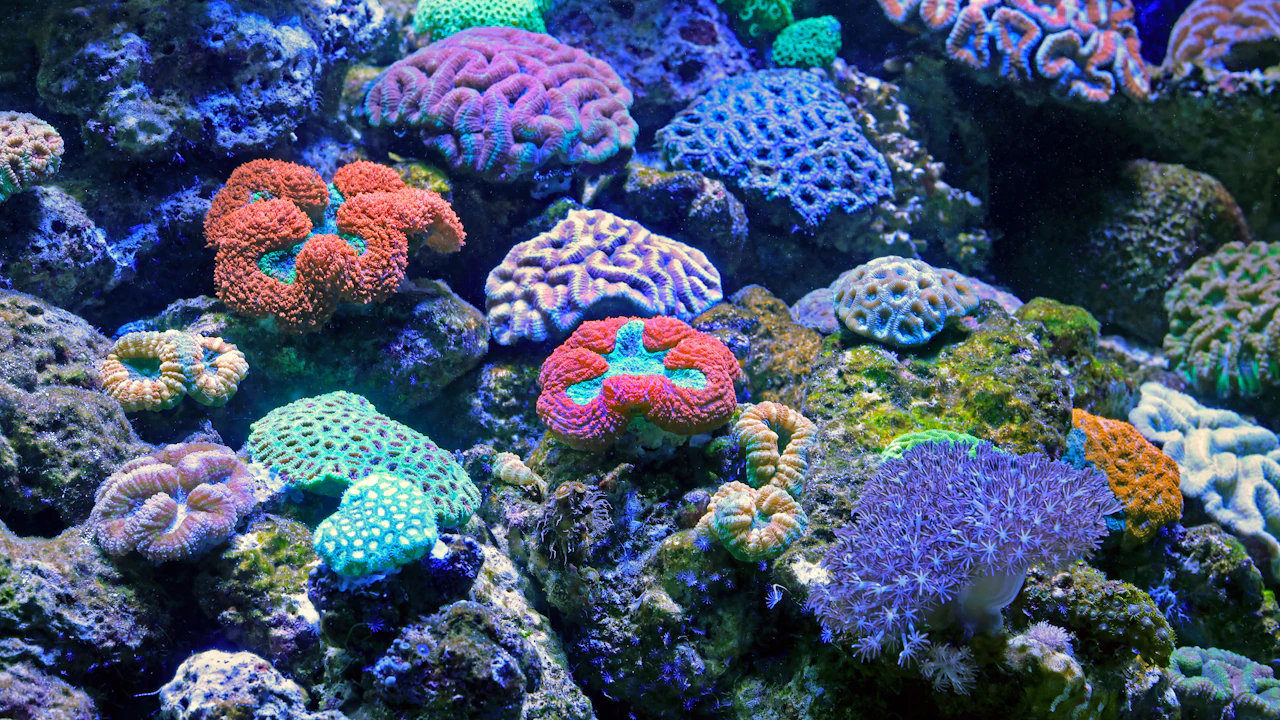
A reef-building coral is an animal, but it lives in partnership with microscopic algae called zooxanthellae. According to NOAA’s explanation of what coral bleaching is, these algae are the coral’s primary food source and give it its color. In return, the coral gives the algae a home.
When conditions change too much, the coral expels the algae and turns completely white. NOAA explains that the white you see is the coral’s own skeleton showing through its now transparent tissue. That is why a bleached reef can look bright and almost clean from a distance, even though it is in trouble.
Why the algae matter so much
In a NOAA Ocean Podcast on bleaching, scientists explain that as much as 90 percent of what the algae make through photosynthesis goes to the coral. Without its algae, the coral loses its main food supply. It becomes pale, weaker and more open to disease.
What causes coral bleaching?
NOAA names warming ocean temperatures, driven by climate change, as the leading cause. But heat is not the only stress that can do it. The table below sets out the causes NOAA lists and what each one means in the water.
| Cause | What happens | Where it hits hardest |
|---|---|---|
| Warm water | Long periods of heat stress make corals expel their algae | Reefs across whole ocean regions during marine heatwaves |
| Unusually cold water | Cold stress can also trigger bleaching | Shallow reefs during rare cold snaps |
| Runoff and pollution | Storm rain dilutes seawater and carries pollutants onto the reef | Near-shore corals |
| Strong sunlight | High temperature plus intense sun adds to the stress | Shallow-water corals |
| Extreme low tides | Corals exposed to air can bleach | The shallowest corals |
The NOAA podcast adds that corals typically do not tolerate water cooler than about 65 degrees Fahrenheit or warmer than about 90 degrees Fahrenheit. Heat stress that lasts weeks matters more than a single hot afternoon.
Can bleached coral recover?
Yes, it can. NOAA is clear that a bleached coral is not dead. If the stress is mild and short, corals can take algae back into their tissue and regain their color.
Recovery has a cost, though. NOAA scientists note that disease outbreaks often follow bleaching events, and that corals which survive have less energy for building skeleton and for reproducing for a while afterward. That is one reason the yearly coral spawning on the Belize reef matters so much to how a reef bounces back.
If the algae stay away and the stress continues, NOAA says the coral eventually dies. NOAA also notes that bleached corals are more likely to catch disease, so a long bleaching season can leave lasting damage.
Global bleaching events and the Caribbean
Bleaching can strike one reef, or it can strike reefs across the world at once. NOAA calls the 2014 to 2017 event the third global bleaching event ever documented, and the longest, most widespread and most damaging on record at the time.
In its NOAA Coral Reef Conservation Program resilience strategy, the agency states that 2023 marked the beginning of the fourth global bleaching event, which it describes as the most severe and widespread to date. In 2023 NOAA scientists also described a basin-wide mass bleaching event in the Caribbean.
The Caribbean has been here before. NOAA notes that in 2005 the region lost about half of the coral on US Caribbean reefs in a single year, after heat stress that satellites showed was greater than the previous 20 years combined.
Is the Belize reef bleaching right now?
Conditions change from season to season and from site to site, so we will not guess. If you want to know what the reef looks like before your trip, email or call Elbert before you travel and ask what he is seeing on the reef. For background on the reef itself, see our guide to the Belize Barrier Reef Reserve System.
Coral bleaching in Belize: what divers and snorkelers can do
You cannot cool the ocean on vacation, but you can lower the other stresses a reef has to handle. NOAA suggests these steps for anyone who visits or cares about reefs:
- Keep off the coral: keep your hands, feet and fins away from corals, which are already stressed in a warm year.
- Cover up instead of slathering on: NOAA suggests sun-protective clothing in place of sunscreen. Our reef-safe sunscreen guide for divers and snorkelers covers the options.
- Do not anchor on coral: anchoring near live coral adds physical damage to heat damage.
- Cut runoff at home: go easy on fertilizers and herbicides, which rain carries toward the sea.
- Share what you learn: NOAA encourages people to teach others about reefs, and to support efforts to reduce carbon emissions.
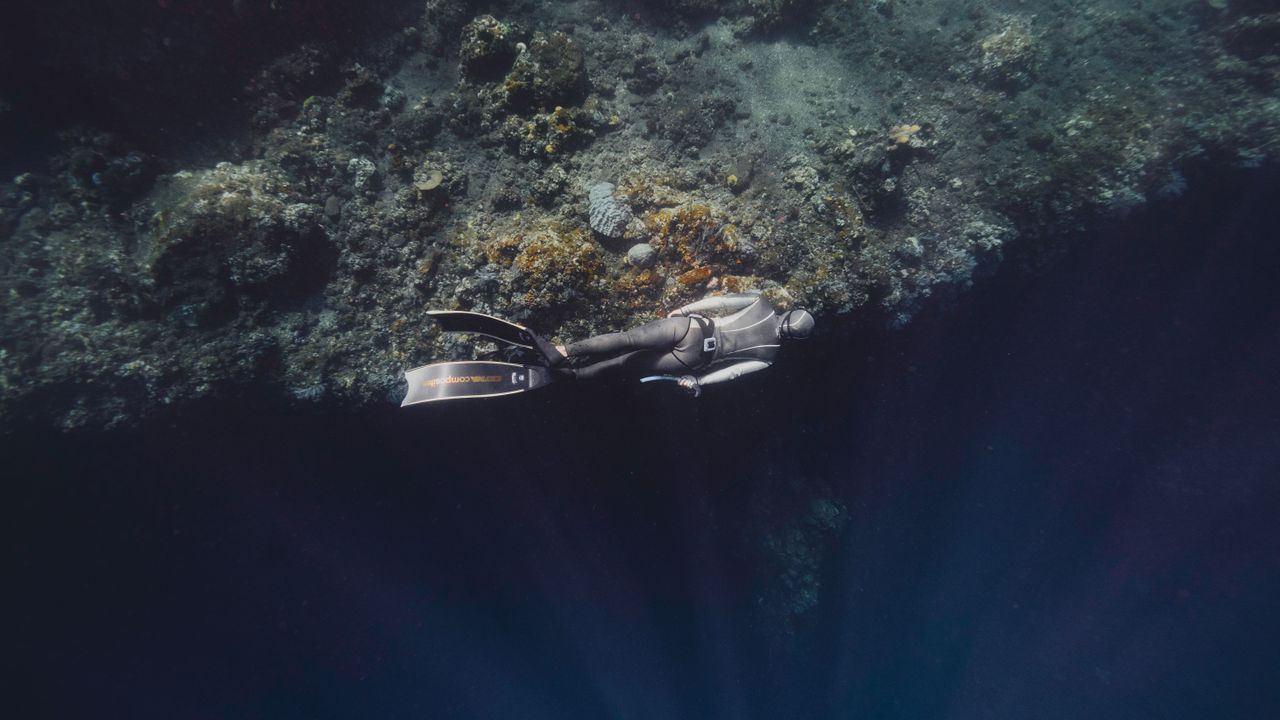
Good buoyancy is the best reef protection
Accidental contact usually happens when a diver sinks, kicks or kneels without meaning to. Practicing your buoyancy, keeping gauges and hoses tucked in and staying a little higher above the reef all help. On a snorkel, float flat and keep your fins up rather than standing on the bottom.
Healthy reefs also depend on the habitats around them. The meadows on the lagoon side of the reef are part of the same system, and our guide to seagrass beds in Belize and why they matter explains how they help.
Diving the reef with Elbert
White Sands Dive Shop is a 5 Star PADI Dive Facility on the beach in San Pedro, owned and operated by Elbert Greer, PADI IDC Staff Instructor. We offer daily diving, SCUBA instruction and snorkeling, and our guide to scuba diving on Ambergris Caye describes the barrier reef dives we run.
One nervous student, Minette Layne, wrote that Elbert “really calmed me down and set me up for a wonderful couple of weeks of diving and snorkeling.” You can read more in our letters from students Elbert has taught, and find courses and current prices on our Water Sports page of dives and PADI courses.
Coral bleaching, Belize: your questions answered
What causes coral bleaching?
NOAA names warming ocean temperatures as the leading cause. Cold snaps, runoff and pollution, strong sunlight and extreme low tides can also stress corals enough to make them expel their algae.
Is bleached coral dead?
No. NOAA says a bleached coral is still alive but stressed. If conditions improve it can regain its algae; if the stress continues, it can starve and die.
How long does it take coral to recover from bleaching?
It depends on how severe and how long the stress was. NOAA notes that surviving corals can stay weaker for a while, with less energy for growth and reproduction and a higher risk of disease.
Is it still worth diving with coral bleaching around?
Bleached coral is still alive, and a reef is home to far more than its hard corals. Ask us about current conditions before your trip so you know what to expect.
Does sunscreen cause coral bleaching?
NOAA names warm water as the leading cause, but suggests sun-protective clothing in place of sunscreen as one way to reduce local stress on reefs.
Questions about the reef before your trip?
Want to know what the reef looks like this season, or which dives suit your experience? Email Elbert at elbertgreer@fastmail.fm or phone 011 (501) 226 2405. Tell us your dates and experience, and we will help you plan.