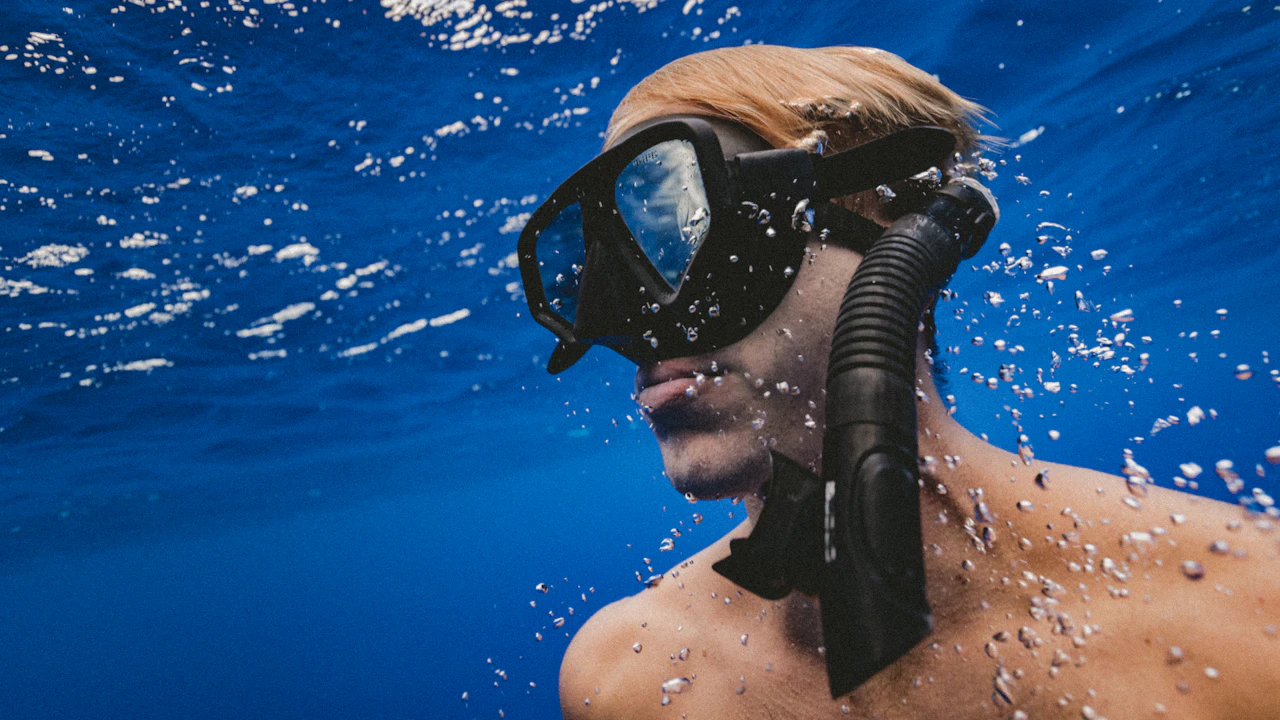
Claustrophobia and scuba diving sound like a bad match. A mask covers your nose, a regulator fills your mouth and a wetsuit hugs every inch of you. Yet many people who dislike tight spaces find that, once they are underwater, the reef feels wide open rather than closed in.
This guide is for travelers who feel trapped in elevators or MRI machines, and for anyone who pulled off a mask in a panic the first time they tried one. We go through the gear piece by piece, share simple ways to get used to it, and say when the fear is something to raise with a doctor first.
Can you go scuba diving with claustrophobia?
Quick answer: Many people with mild claustrophobia dive happily. The trapped feeling usually comes from the mask and a snug wetsuit, and it eases with slow practice: breathing from the regulator at the surface, then in shallow water, then clearing the mask. A diagnosed phobia or panic attacks call for a talk with your doctor first.
Why scuba gear can feel claustrophobic
Very little of the trapped feeling comes from the water itself. It comes from the gear, and each piece has its own fix. Knowing which one bothers you most is the first step.
Mask claustrophobia
The mask is the usual culprit. It covers your nose, so you have to breathe through your mouth, and water near your nose makes many people want to hold their breath. A mask that fits well and seals cleanly leaks less, which takes away a lot of the worry.
The regulator in your mouth
Breathing through a mouthpiece feels strange for the first few minutes. The trick is to breathe slowly and fully, never hold your breath, and let your body learn that the air keeps coming.
A snug wetsuit
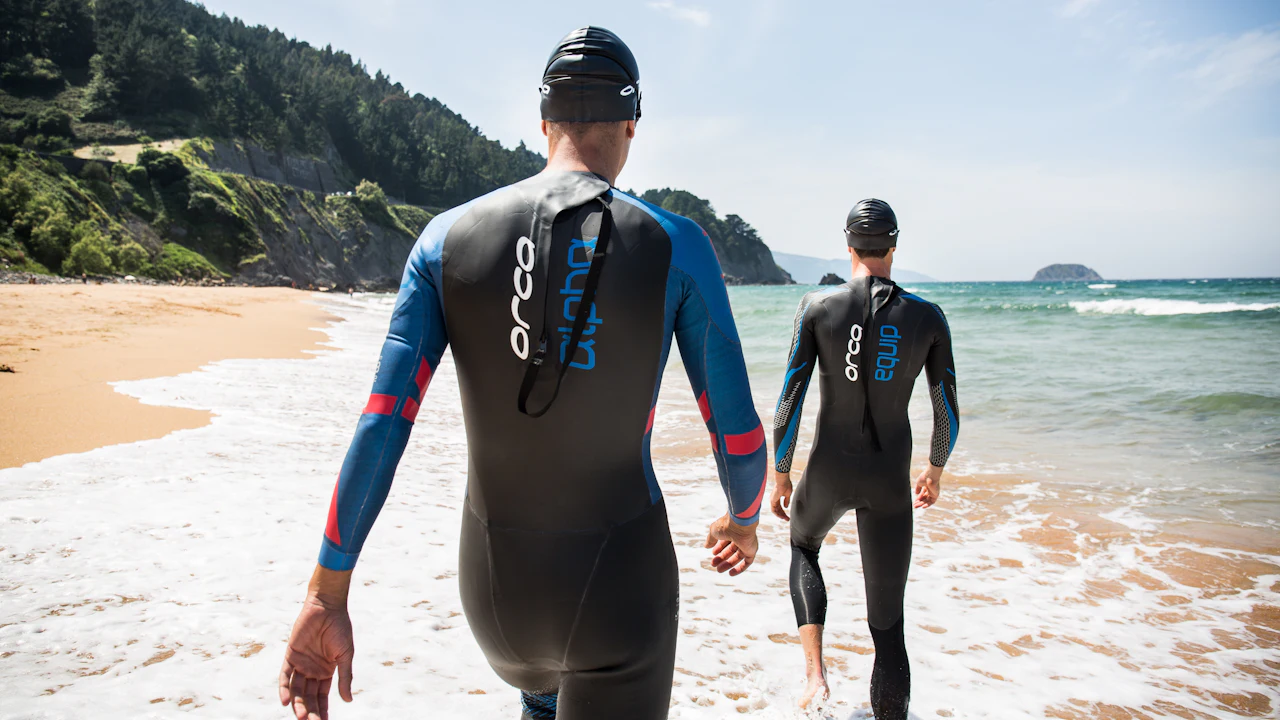
A wetsuit is meant to fit snugly so cold water does not flush through it, and that squeeze around the chest can feel confining on land. Our guide to wetsuit thickness for warm water diving explains why fit matters and what lighter options exist for warm seas.
The open feeling of clear water
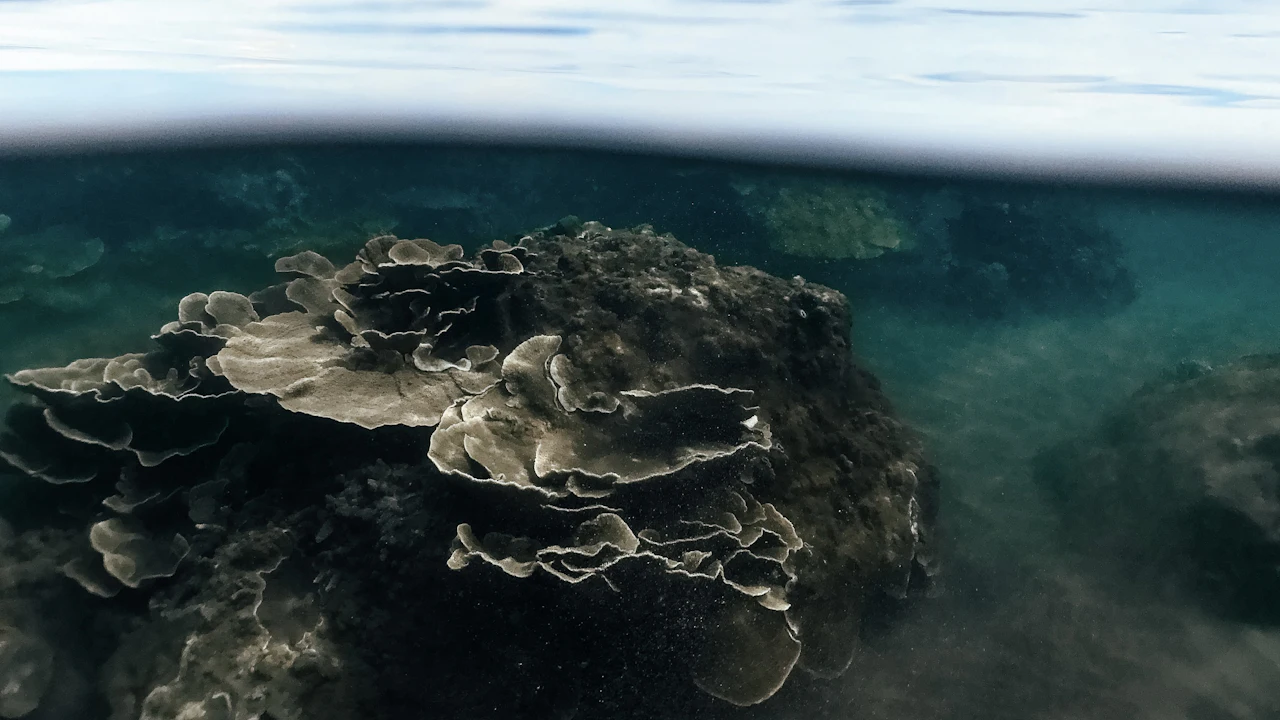
Claustrophobia is a fear of being enclosed, and a shallow reef in clear water is about as unenclosed as it gets. You can see the bright surface above you, the sand below and blue water in every direction. Many nervous divers say the boat ride felt tighter than the dive.
What tends to trigger the feeling is the opposite: murky water, darkness, or overhead spaces such as caves and wrecks. Those are not part of a beginner’s first dives, so you can choose open, sunny, shallow water while you build confidence.
Can claustrophobic people dive? A step-by-step start
The answer for most people is to take it in small steps, each one easy enough that it feels a little boring before you move on. Here is the order we suggest.
- Put the mask on at the surface and breathe through your mouth, face out of the water.
- Breathe from the regulator at the surface, with your head above water, until it feels routine.
- Put your face in the water while standing in the shallow end, still breathing from the regulator.
- Kneel on the bottom of the pool and just breathe for a minute or two.
- Practice letting a little water into the mask and clearing it, then work up to more.
At every step, you can stand up, lift your face out of the water and take a break. Tell your instructor about your claustrophobia before the session so the pace is set around you, not around a schedule.
Mask clearing practice takes the fear away
Most mask fear is really fear of water reaching your nose. Once you know you can push that water out in a couple of seconds, it stops being frightening. Our guide on how to clear a dive mask underwater walks through the steps: press the top of the frame, look up and exhale gently through your nose.
You can start at home. Put your face in a bowl of water with your eyes closed, breathe only through a snorkel, and watch for bubbles that show you are breathing out through your nose. It sounds small, but it trains exactly the habit the mask needs.
Snorkel, pool or Discover Scuba Diving?
If you are not sure how you will react, choose a first step you can step back from easily. The table compares three gentle options.
| First step | What you wear | How it helps with claustrophobia | Next step |
|---|---|---|---|
| Snorkeling | Mask, snorkel and fins | Gets you used to the mask with your head at the surface | A pool session on scuba |
| Pool session (part of Discover Scuba Diving and courses) | Full scuba gear | Calm, clear, shallow water where you can stand up any time | An open water dive |
| Discover Scuba Diving | Full scuba gear | Pool practice first, then one dive with a divemaster to 40 feet | The Open Water course |
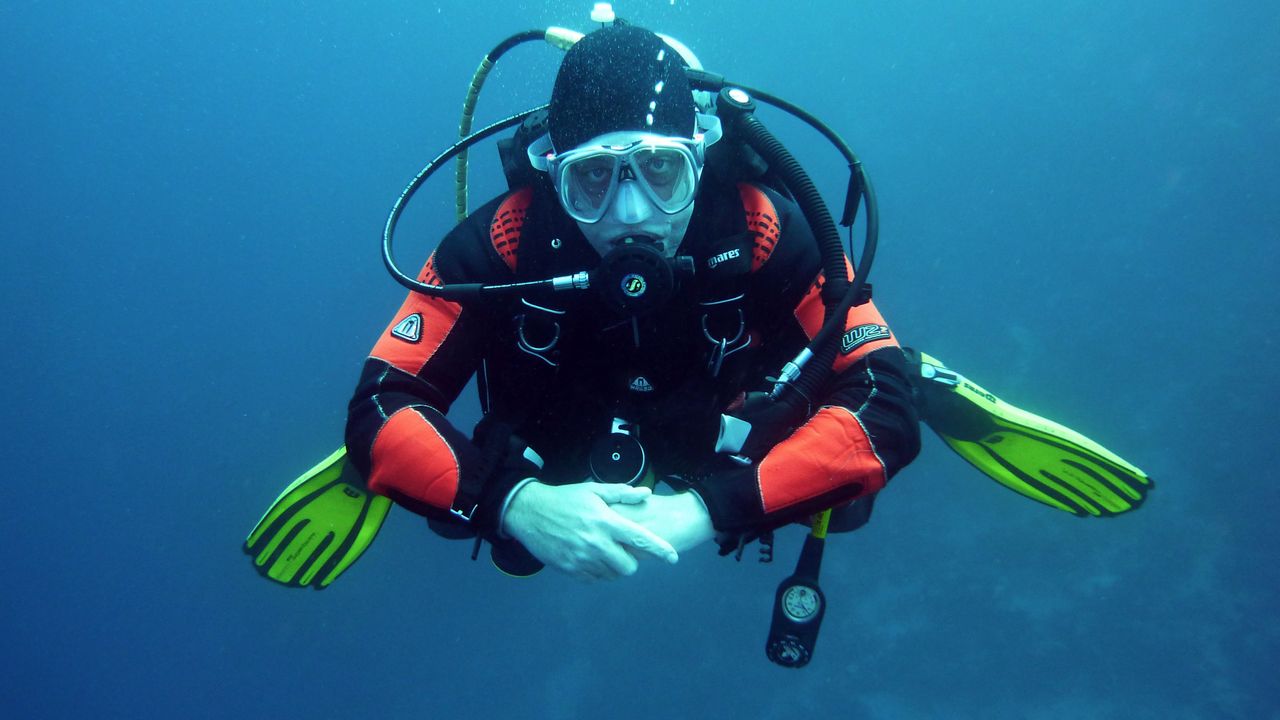
Our Discover Scuba Diving experience on Ambergris Caye includes basic knowledge, a pool session with gear and one open water dive with a certified divemaster. If you are also unsure about deep water, read whether non-swimmers can scuba dive.
When to talk to a doctor
Feeling a little hemmed in by the gear is common and usually fades with practice. A phobia is different. DAN counts phobias among the anxiety disorders and, in Simple Jitters or Enduring Anxiety?, advises anyone who suspects one to speak with a doctor about whether diving is right for them.
See your doctor before your trip if you have had panic attacks, a diagnosed phobia, or take medication for anxiety, since DAN notes that medications can bring their own concerns. If the fear is general nerves rather than tight spaces, our guide to scuba diving with anxiety covers calming habits and what DAN says about panic.

Learning with Elbert
White Sands Dive Shop is a 5 Star PADI Dive Facility on the beach in San Pedro, owned and operated by PADI IDC Staff Instructor Elbert Greer. Our guide to learning to dive on Ambergris Caye compares the first steps, with current course prices on our Water Sports page.
Students who started out uneasy often say the same thing. Susan wrote to Elbert: “You truly put me at ease and made the whole experience fun.” Minette Layne, who came for a refresher, wrote that “you really calmed me down”. Read more in the letters from Elbert’s dive students.
Claustrophobia and scuba diving: your questions answered
Can claustrophobic people scuba dive?
Many people with mild claustrophobia dive comfortably once they get used to the mask and regulator in small steps. A diagnosed phobia or panic attacks should be discussed with your doctor first.
Why does a dive mask feel claustrophobic?
It covers your nose, so you breathe only through your mouth, and water near your nose can make you want to hold your breath. Practicing mask clearing usually takes that fear away.
Is snorkeling a good first step for claustrophobia?
Yes. Snorkeling lets you get used to a mask with your head at the surface, before you add the regulator and the rest of the scuba gear.
Does a tight wetsuit make claustrophobia worse?
It can feel confining on land, because a wetsuit is meant to fit snugly. In warm water many divers choose a thinner suit, and the squeeze is less noticeable once you are in the water.
Should I see a doctor about claustrophobia before diving?
If you have a diagnosed phobia, panic attacks or take anxiety medication, yes. DAN advises speaking with a doctor about whether diving is appropriate for you.
Talk it over with Elbert
Tell us what part of the gear worries you when you get in touch, and we can talk through a first step that suits you. Email Elbert at elbertgreer@fastmail.fm or call 011 (501) 226 2405.