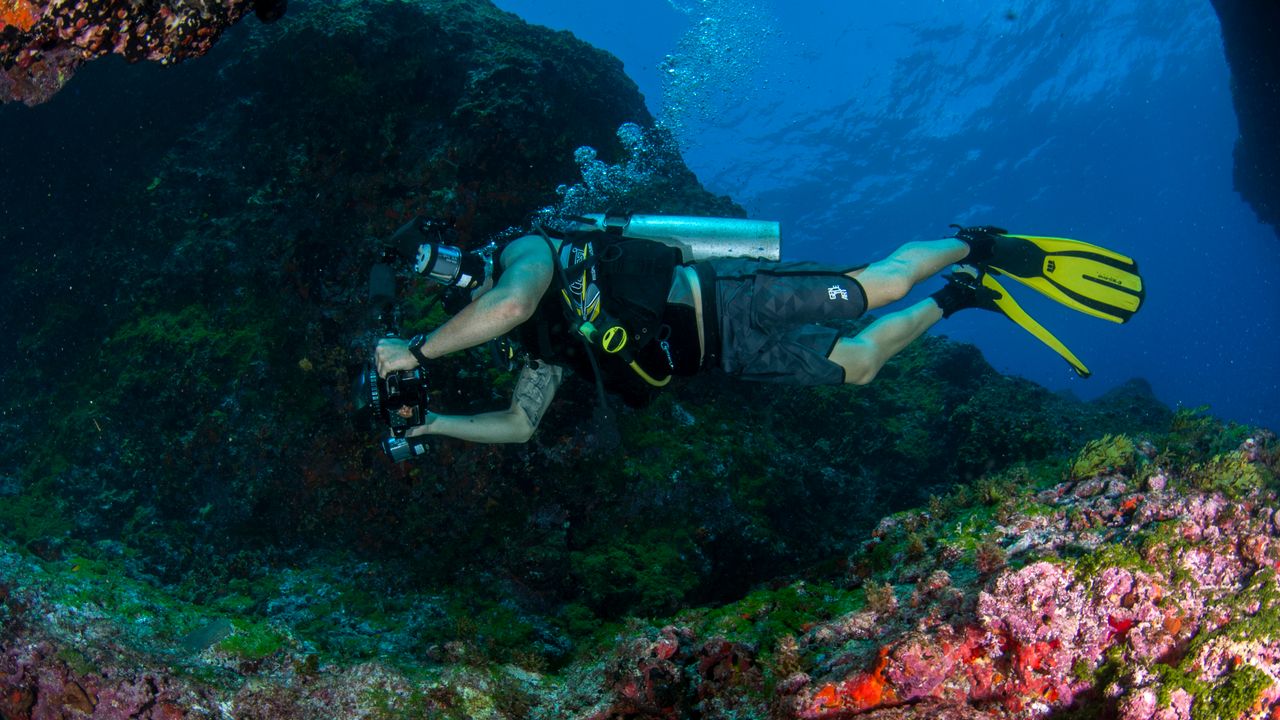
Tropical water feels warm when you first jump in, so it is fair to ask why divers wear neoprene at all. Choosing the right wetsuit thickness for warm water comes down to how long you stay in, how many dives you make in a day and how easily you feel the cold.
This guide is for divers and snorkelers packing for a Caribbean trip who are weighing a shortie, a full suit or just a rash guard. It uses the figures PADI gives on its blog, compares the main options and explains why fit matters more than the number printed on the suit.
What wetsuit thickness for warm water should you pack?
Quick answer: PADI’s blog calls 3mm the thickness for tropical waters and says a shortie suits water of 27°C (81°F) and above. Some warm water divers wear only a rash guard against sun and stingers, but PADI notes you can lose body heat even at 27°C (80°F), so most divers wear some neoprene.
Why you need a wetsuit in warm water
Water pulls heat away fast. PADI’s guide to choosing a wetsuit says water conducts heat away from you 20 times faster than air of the same temperature. A long dive, or two or three dives in a day, adds up even in the tropics.
PADI’s comparison of cold and warm water diving makes the same point: the body can lose heat in water as “warm” as 27°C (80°F), which is why tropical diving still calls for exposure protection. The gear is mostly the same in cold and warm water, it says, with that one exception.
Warmth is not the only job. PADI notes that exposure suits protect you from cuts, scrapes and stings, and in warm water a thin suit or rash guard also shields you from the sun.
Wetsuit thickness for warm water: PADI’s guide by temperature
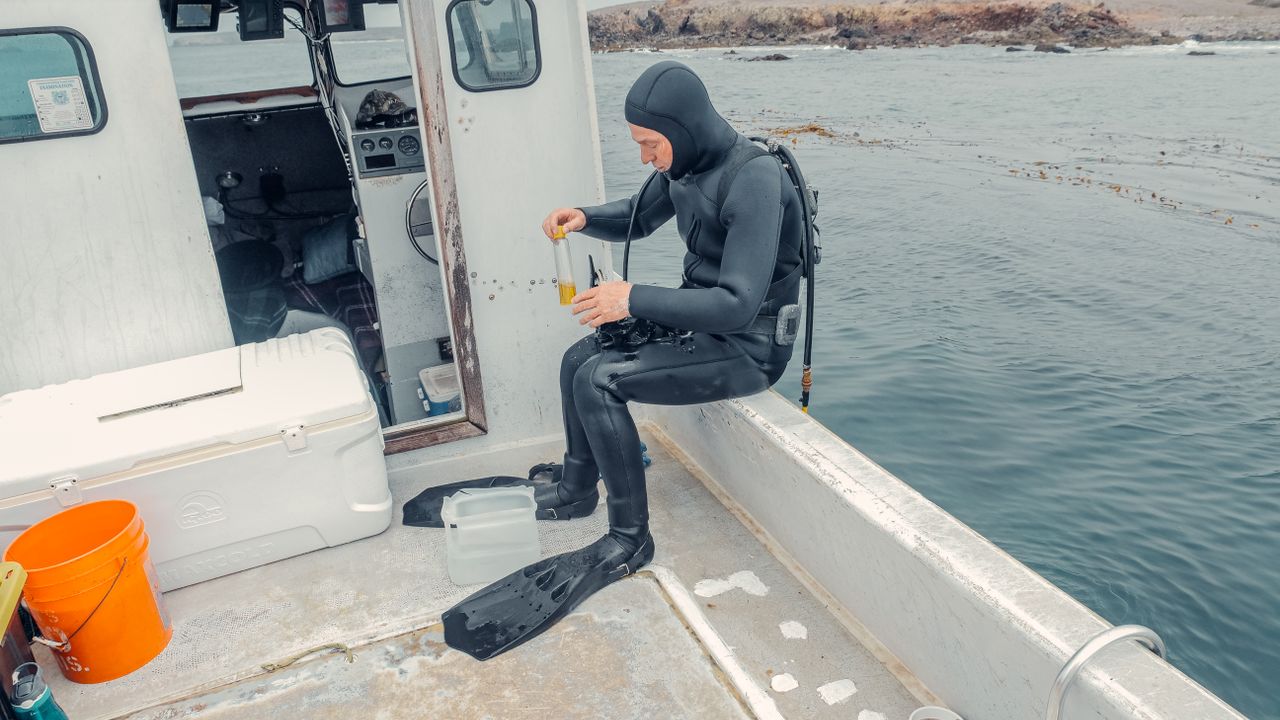
Neoprene comes in thicknesses from about 1.5mm to 7mm, and PADI says 3mm, 5mm and 7mm are the standard sizes. In general, it says, a wetsuit can keep a diver warm in water anywhere between 10°C (50°F) and 32°C (90°F), though the limits vary from person to person.
| Exposure protection | Water temperature PADI gives | What PADI says about it |
|---|---|---|
| Rash guard or thin wetsuit | Warm water | Worn to protect from the sun and stingers |
| Shortie (short sleeves and legs) | 27°C (81°F) and above | Usually a one-piece suit, best suited to the warmest water |
| 3mm full suit | Tropical waters; 21-26°C (70-80°F) in PADI’s freediving guide | The standard thickness for tropical diving |
| 5mm full suit | 15-21°C (60-70°F) in PADI’s freediving guide | A step up for cooler water |
| 7mm suit | Much cooler water; 10-15°C (50-60°F) in PADI’s freediving guide | Suitable for much cooler waters |
The three temperature bands for 3mm, 5mm and 7mm come from PADI’s freediving wetsuit advice, so treat them as a rough guide rather than a rule. That same advice says that if you are unsure, go a little thicker, because it is easier to cool off a suit than to enjoy a dive while cold.
What about water temperature on Ambergris Caye?
It changes with the season and the weather, so we would rather tell you current conditions than print a figure here. Our guide to the best time to dive Ambergris Caye explains the seasons, and an email before your trip gets you an answer for your dates.
Shorty vs full wetsuit vs rash guard
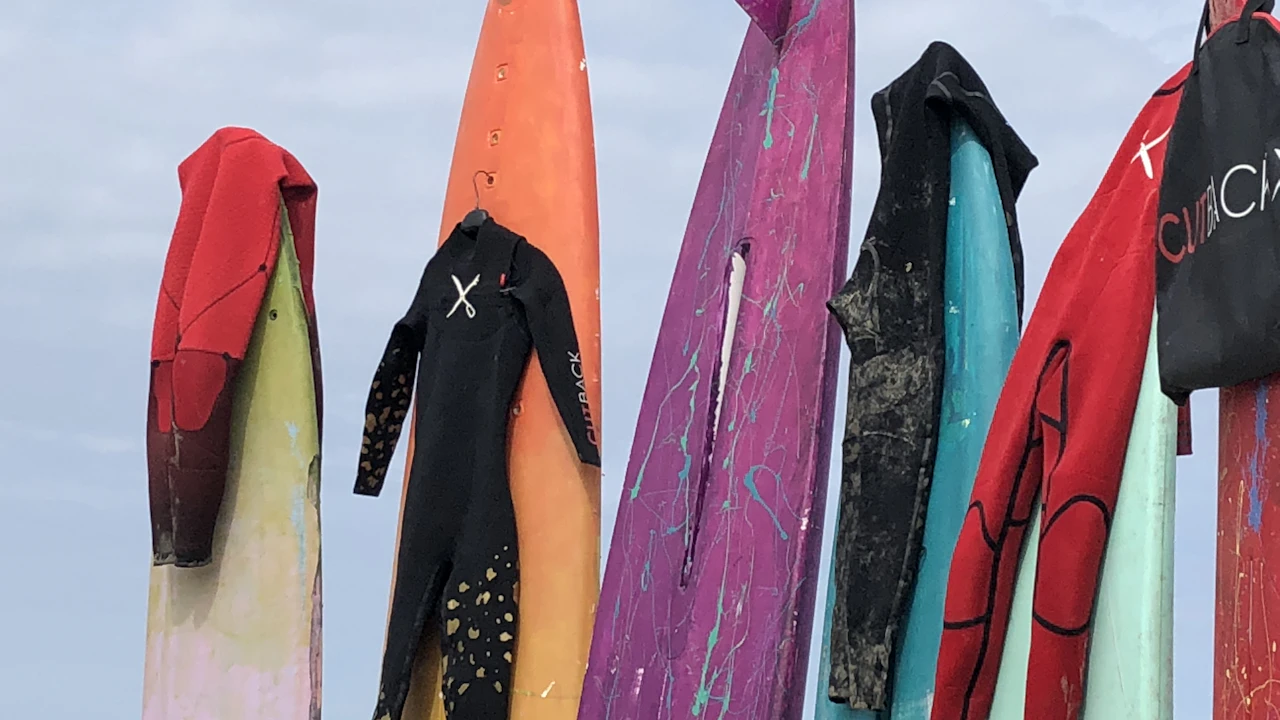
For a Caribbean trip, most divers end up choosing between three options. Each has a place, and many travelers pack a rash guard for snorkeling plus one suit for diving.
Rash guard
A rash guard is a thin, stretchy top. PADI mentions it as an option in warm water to protect from the sun and stingers, but it adds little warmth. It is light to pack and comfortable at the surface, which makes it popular with snorkelers.
Shortie
A shortie covers the torso with short sleeves and short legs. PADI says it is best suited to water of 27°C (81°F) and above. It keeps your core warmer than a rash guard while leaving arms and legs free, and it is quick to pull on between dives.
Full suit
A one-piece full suit covers arms and legs, and PADI lists them in 3mm, 5mm and 7mm. In warm water a 3mm full suit is the usual pick for divers who feel the cold or plan several dives a day. It also covers more skin against scrapes, stings and sun.
If you are not bringing your own, the rental list on our homepage includes a Shortie Wet Suit. Our scuba gear rental guide for Ambergris Caye lists the rest of the gear, and rates are on our Water Sports page with current prices.
Protection from stings, scrapes and sun
Covered skin is harder to sting or scrape. PADI says exposure suits protect against cuts, scrapes and stings, and its warm water advice names sun and stingers as the reasons divers wear a thin layer.
- Stings: fire coral is a common culprit on tropical reefs. Our guide to fire coral sting treatment and prevention explains what to do and how to avoid it.
- Scrapes: a suit protects knees and elbows if you brush the bottom, but good buoyancy is still the real fix.
- Sun: a rash guard or suit means less exposed skin on the boat and at the surface.
Getting the fit right
PADI calls fit the most important factor when buying a wetsuit. The water layer between your skin and the suit provides very little insulation; the neoprene does the work. A snug suit stops cold water from circulating through it, so a loose suit loses much of its value.
- It should feel snug everywhere, with no baggy spots at the back or under the arms.
- PADI’s freediving advice says a good suit should be a pain to put on, yet flexible enough to wear for hours.
- You should still be able to move your arms and breathe comfortably.
Comfort gear works together. A mask that seals well matters as much as a suit that fits, and our tips on how to stop mask fogging on a dive cover the other common complaint on the boat.
Diving with Elbert
White Sands Dive Shop is a 5 Star PADI Dive Facility on the beach in San Pedro, owned and operated by Elbert Greer, PADI IDC Staff Instructor. We offer daily diving, SCUBA instruction and snorkeling, and our guide to scuba diving on Ambergris Caye describes the barrier reef dives.
A student named Susan wrote to Elbert: “You truly put me at ease and made the whole experience fun.” Read more in our letters from students Elbert has taught.
Wetsuit thickness for warm water: your questions answered
What thickness wetsuit is best for tropical diving?
PADI’s blog describes 3mm as the thickness for tropical waters. Its freediving guide pairs 3mm with water of about 21 to 26°C (70 to 80°F).
Is a shortie warm enough?
PADI says a shortie is best suited to water of 27°C (81°F) and above. If you feel the cold or plan several dives a day, a full suit may be more comfortable.
Do I need a wetsuit in warm water at all?
PADI notes the body can lose heat even in water around 27°C (80°F), so tropical diving still calls for exposure protection. A suit also guards against cuts, scrapes and stings.
Is a rash guard enough for snorkeling?
PADI mentions a rash guard as warm water protection from the sun and stingers. It adds little warmth, so long sessions may call for a thin wetsuit.
How tight should a wetsuit be?
Snug. PADI calls fit the most important factor, because a loose suit lets cold water circulate inside it.
Questions before you pack?
Want to know current water conditions or which suit to bring for your dates? Email Elbert at elbertgreer@fastmail.fm or phone 011 (501) 226 2405. Tell us your plans and experience, and we will help you get ready.