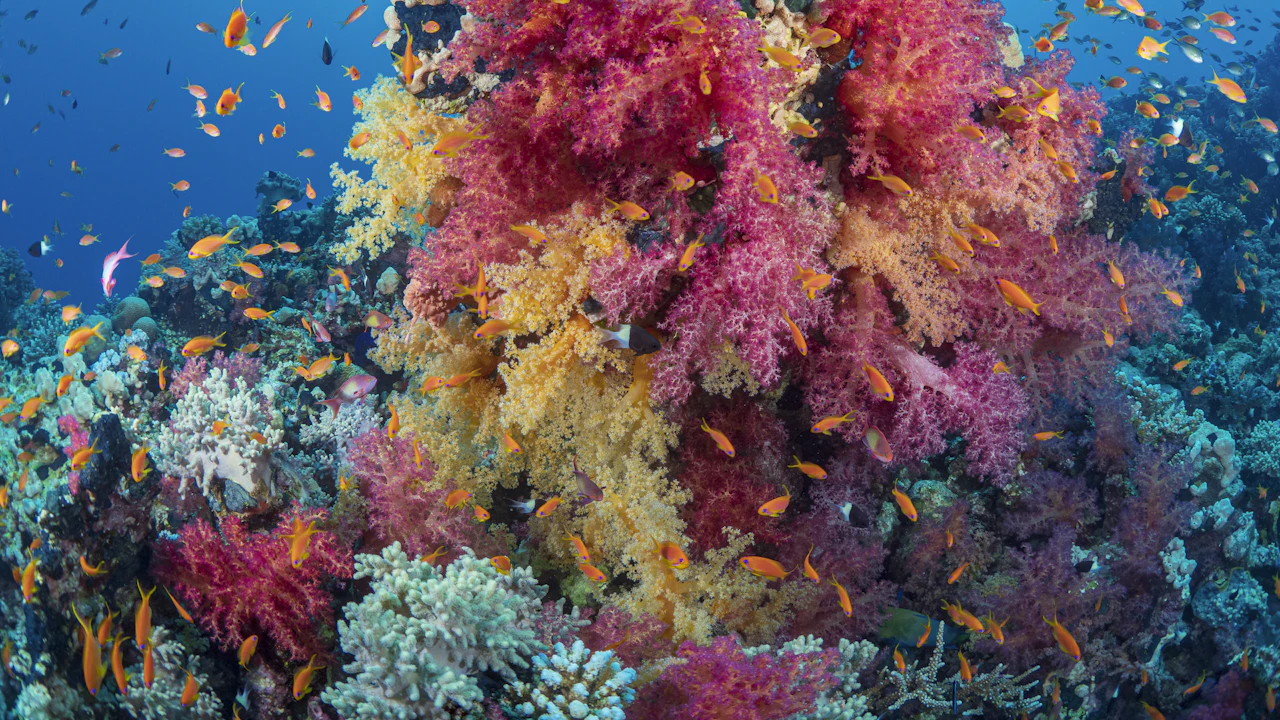
Brush a bare arm against the wrong patch of reef and you will know it within seconds: a sharp burning feeling, then a red, itchy welt. This guide covers fire coral sting treatment the way the Divers Alert Network (DAN) describes it, plus how to recognize fire coral and how to keep from touching it in the first place.
It is written for divers and snorkelers planning a reef trip, and for anyone who has just been stung and wants clear steps. We are a dive shop, not doctors, so everything below is general information from DAN. If you are hurt, a doctor is the right person to assess your own injury.
What is the right fire coral sting treatment?
Quick answer: DAN advises rinsing the area with white household vinegar, which stops unfired stinging cells but does not affect venom already injected. Expect redness and blisters; do not puncture them. Keep the skin clean, dry and open to the air. Any open wound needs a doctor, and a flare-up after a week or two is normal.
What is fire coral?
Fire coral looks like a hard coral, but it is not one. DAN explains that fire corals, in the genus Millepora, are hydrozoans, more closely related to the Portuguese man-of-war than to true corals. They grow in tropical and subtropical waters around the world.
The sting comes from tiny stinging cells. According to DAN, cells in the stony skeleton hold nematocysts, small capsules that release venom on contact. That is why even a light touch can burn.
How to recognize it
- Stony look: DAN describes a hard, calcareous skeleton, which is why fire coral is so easy to mistake for true coral.
- Branchy shape: on the open reef it often grows in branching forms, which DAN contrasts with the flat coatings it can also form.
- Where it hides: DAN warns that fire coral also grows over rocks, old shells and debris, where it may not look branchy at all.
Because it can coat almost any hard surface, the safest habit is simple: treat anything on the reef as something you do not touch. Our guide to marine life you can see on Ambergris Caye introduces the reef’s other residents.
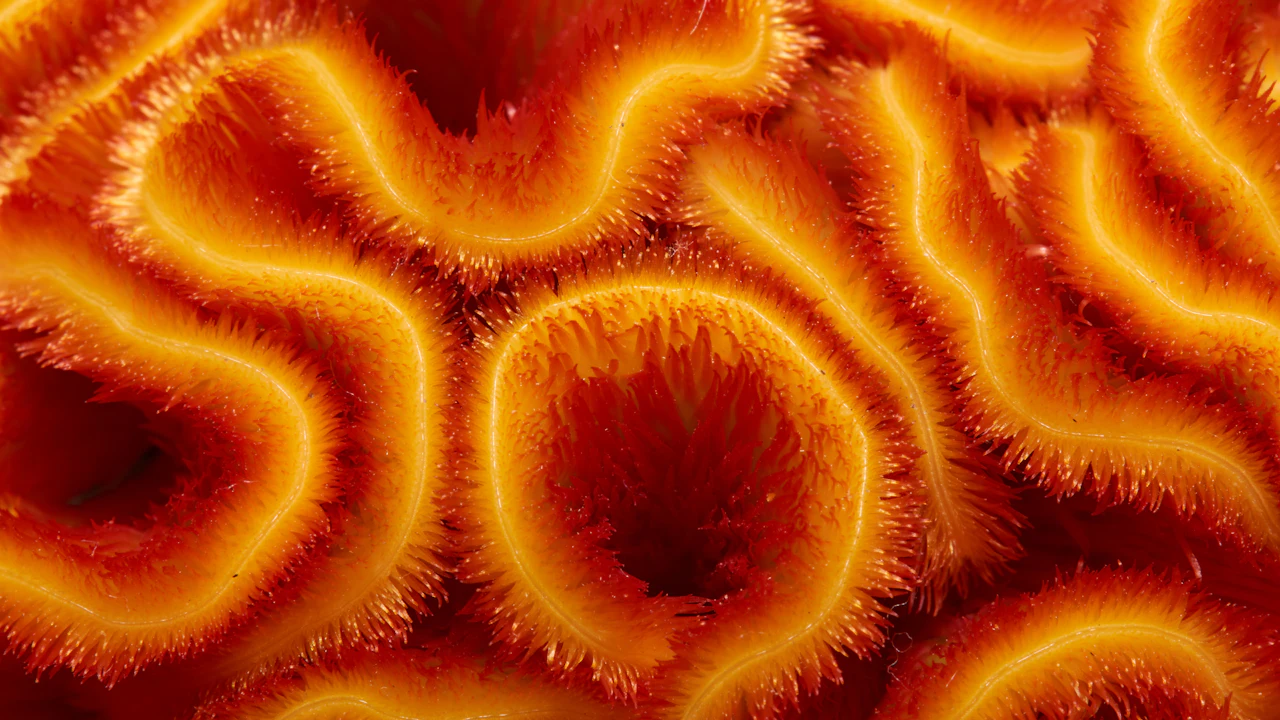
Fire coral rash and other sting symptoms
DAN describes a burning sensation that can last several hours. A skin rash usually appears within minutes to hours and may take days to clear. It can also come back days or weeks later, which surprises many divers who thought the sting had healed.
Open wounds are the most serious kind of contact. DAN notes that fire coral venom can cause tissue death at the edges of a cut, which can lead to a serious soft tissue infection. A scrape on fire coral is therefore more than a scratch.
| Type of contact | What DAN says you may notice | What DAN advises |
|---|---|---|
| Skin brushed the coral | Burning for several hours, then a rash within minutes to hours | Rinse with white household vinegar; keep the area clean, dry and exposed to air |
| Blisters form | Redness and blisters, even after quick first aid | Do not puncture them; let them dry out naturally |
| Rash returns | A flare-up after a week or two of improvement | DAN calls this relapse normal |
| Open wound or cut | Wound edges may become necrotic and infected | Get a medical evaluation; antibiotics and a tetanus booster may be needed |

Fire coral sting treatment: first aid as DAN describes it
These steps follow the Divers Alert Network fire coral guide. They are general first aid, not a diagnosis or a treatment plan for you.
- Rinse the area with white household vinegar (2 to 5 percent acetic acid). DAN says this helps stop unfired stinging cells from injecting more venom, but it does nothing to venom already in the skin.
- Expect redness and blisters, even with prompt care. Do not puncture the blisters; let them dry naturally.
- Keep the area clean, dry and exposed to air.
- Watch it over the following weeks. DAN says a relapse after a week or two of apparent improvement is normal.
Notice what is not on DAN’s list. It does not ask you to scrub the sting or to put on creams from the boat, and it is clear that vinegar is about stopping more stings, not curing the first one.
When to see a doctor
DAN says any open wound from fire coral needs a medical evaluation. Tell the doctor that fire coral venom can damage tissue before any stitches are placed, because the wound edges may become necrotic. Antibiotics and a tetanus booster may be needed, and the wound should be watched closely for signs of tissue death or infection.
You do not need a dive medicine specialist for the first visit; DAN notes that any doctor can do the initial evaluation. If a skin sting is spreading, very painful, or simply worrying you, see a doctor too. For any question about your own injury, a doctor or DAN’s medical team is the right source.
Getting back in the water
DAN says diving can resume once a physician decides the injury has closed and the risk of infection is acceptable. A minor skin rash and an open wound are very different cases, so let the doctor make that call.
How to avoid fire coral in the first place
The best fire coral sting treatment is never needing one. DAN’s prevention advice is short, and every point also protects the reef.
- Do not touch: avoid touching fire coral, and remember it can coat rocks and shells.
- Master buoyancy: a diver who hovers steadily keeps hands, knees and fins off the reef.
- Look down while descending: so you do not settle onto something that stings.
- Kneel only on clear sand: if you must touch the bottom, DAN says to choose clear, sandy areas.
- Cover up: DAN recommends a full-body wetsuit for protection against contact.
Our reef etiquette guide for divers and snorkelers covers the habits that keep you and the coral apart, and our buoyancy control tips for new divers help you hover instead of sinking. Rays on the sand are another reason to watch where you put your hands and feet; see how to avoid stingray stings while snorkeling and wading.
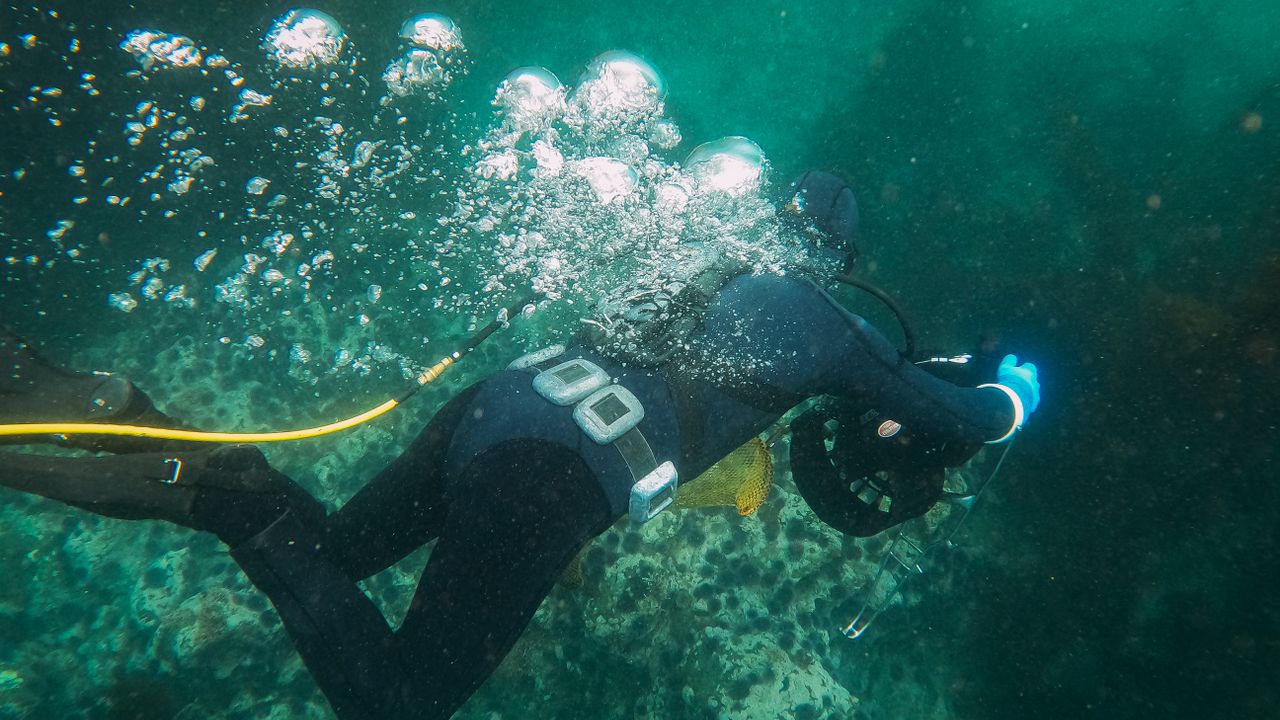
Diving the reef with Elbert
White Sands Dive Shop is a 5 Star PADI Dive Facility on the beach in San Pedro, owned and operated by Elbert Greer, PADI IDC Staff Instructor. We offer daily diving, SCUBA instruction and snorkeling, and our guide to scuba diving on Ambergris Caye describes the barrier reef dives we run.
One student, Vivake K. Bhalla, wrote that Elbert “was very friendly and fun, but equally very strict about safety”. You can read more in our letters from students Elbert has taught, and find dives, courses and current prices on our Water Sports page of dives and PADI courses.
Fire coral sting treatment: your questions answered
Is fire coral a real coral?
No. DAN explains that fire corals are hydrozoans, more closely related to the Portuguese man-of-war than to true corals, even though they have a stony skeleton.
Should I put vinegar on a fire coral sting?
DAN advises rinsing with white household vinegar. It helps stop unfired stinging cells from releasing more venom, but it does not affect venom already injected.
How long does a fire coral rash last?
DAN says the burning can last several hours and the rash may take days to resolve. The rash can return days or weeks later, and DAN calls a relapse after a week or two normal.
Should I pop fire coral blisters?
No. DAN says not to puncture the blisters and to let them dry out naturally while keeping the area clean, dry and exposed to air.
When does a fire coral sting need a doctor?
DAN says any open wound needs a medical evaluation, because the venom can damage tissue at the wound edges. See a doctor for any sting that worries you.
Questions before your reef trip?
Planning dives or snorkel trips and want to know what to expect on the reef? Email Elbert at elbertgreer@fastmail.fm or phone 011 (501) 226 2405. Tell us your dates and experience, and we will help you plan.