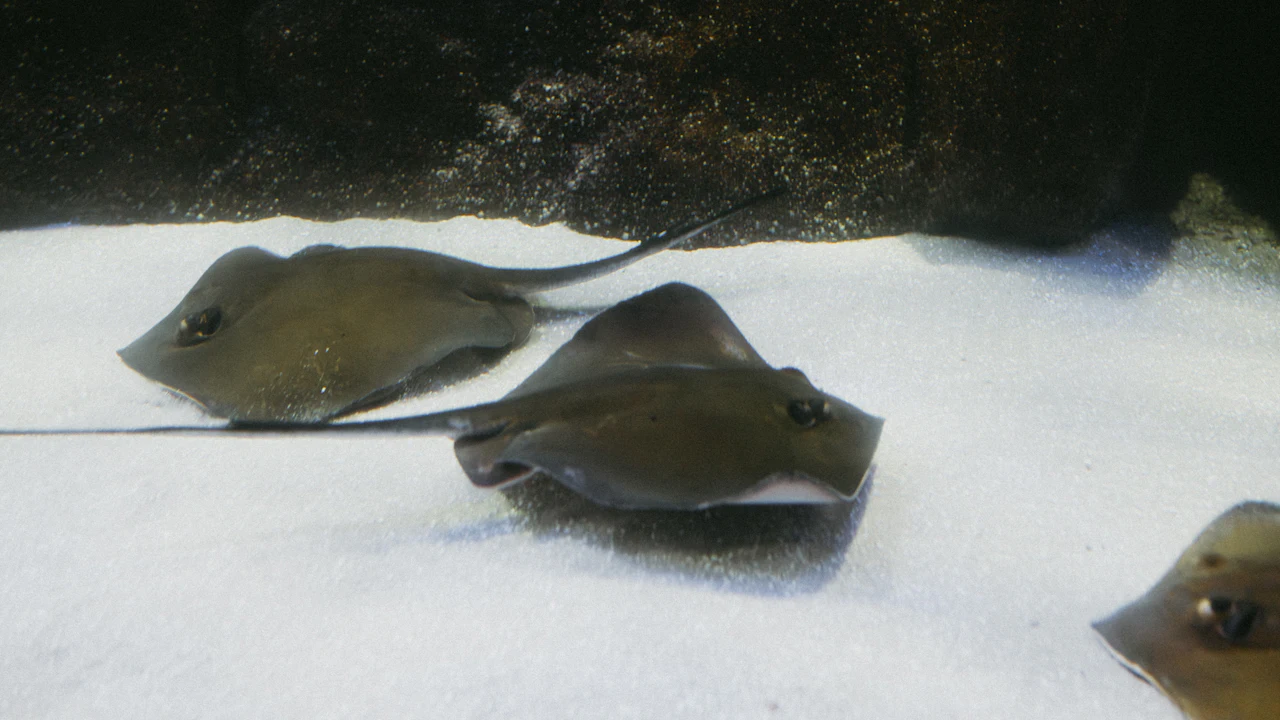
Stingrays are some of the calmest animals you will meet in shallow tropical water, and most visitors see them without any trouble at all. Knowing how to avoid stingray stings comes down to a few habits: how you walk on sand, where you put your hands and feet, and how you behave when a ray is close.
This guide is for snorkelers, waders and new divers planning a reef trip. We explain why stings happen, the “stingray shuffle”, good manners around rays at a snorkel stop, and what the Divers Alert Network (DAN) says to do if a sting happens anyway. We are a dive shop, not doctors, so any injury belongs with a doctor.
What is the best way to learn how to avoid stingray stings?
Quick answer: Shuffle your feet when wading instead of taking steps, check the bottom before you put a hand or knee down, and never swim straight over, touch or corner a ray. Stingrays are not aggressive; National Geographic describes stings as a defensive reflex, usually after a ray is stepped on or surprised.
Why stingray stings happen
Stingrays do not hunt people. In its report on a rare fatal sting, National Geographic notes that stingrays are not considered aggressive and typically use their venom-tipped tails only under duress. Such deaths, it adds, are extremely rare.
The trouble is that rays are hard to see. According to National Geographic’s stingray facts, they spend most of their time inactive and partially buried in sand, colored to match the seafloor as camouflage from predators. Put your foot down on one and it does the only thing it can: it swings its tail up in defense.
What the barb does
National Geographic describes the barb on the tail as a spine with serrated edges and a sharp point, carrying venom that can be dangerous to people. NOAA Fisheries lists sting rays among the animals that can injure swimmers and waders. That is why the goal is never to test a ray’s patience.
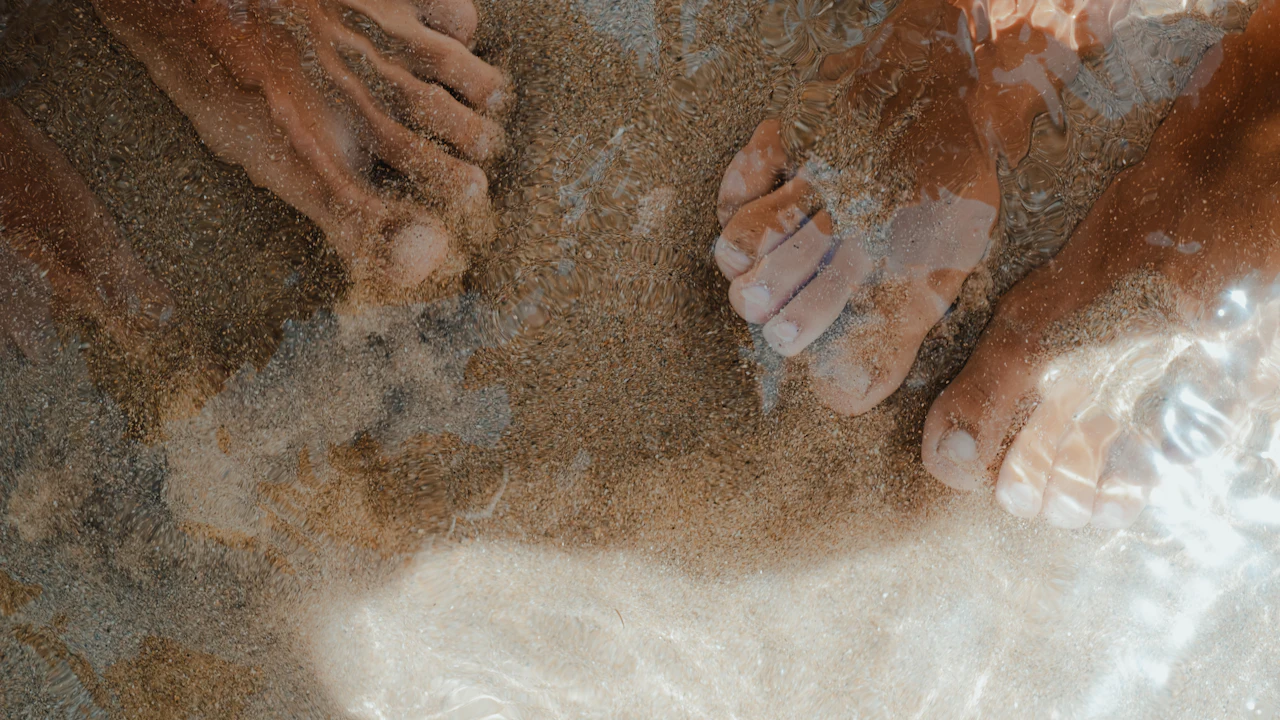
The stingray shuffle, step by step
DAN’s prevention advice is direct: always shuffle your feet when wading in waters where stingrays live. Sliding your feet warns a buried ray that you are coming, so it can swim off before you step on it.
- Walk into the water slowly; do not run or jump in from the beach or a dock ladder onto sand you cannot see.
- Keep your feet low and slide them forward along the bottom instead of lifting them for normal steps.
- Move one foot at a time and keep the pace slow, especially where the sand is soft or the water is cloudy.
- Once the water is deep enough, float and swim rather than walking.
DAN adds a second rule that matters for snorkelers and divers: always inspect the bottom before resting a limb in the sand. A quick look before you kneel or put a hand down is the underwater version of the shuffle.
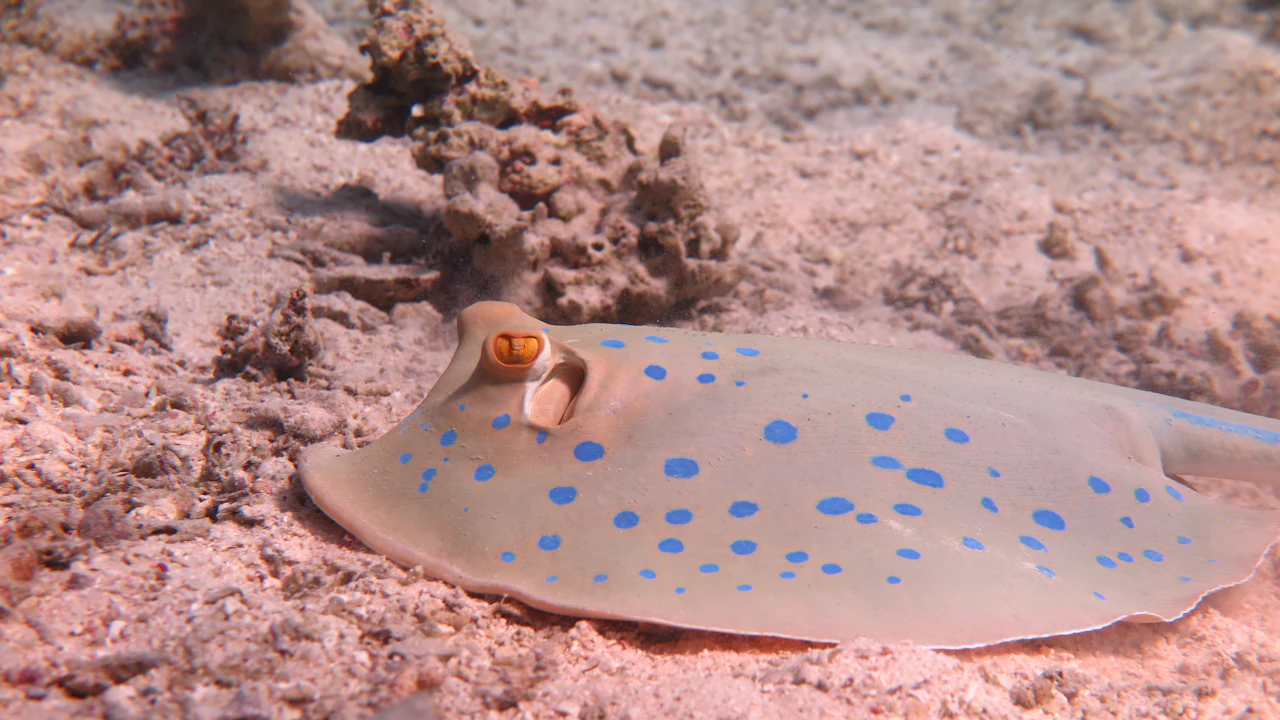
Stingray safety snorkeling and diving
Most snorkelers meet rays while floating above sand and seagrass, not while walking. The risk changes with what you are doing, so the habit changes too.
| Situation | Where the risk comes from | Habit that helps |
|---|---|---|
| Wading from a beach | A ray buried in sand you cannot see | Shuffle your feet; never take big steps |
| Standing up while snorkeling | Putting a foot down on the bottom without looking | Look first, or stay floating with your fins up |
| Diving near the bottom | A hand or knee resting on a hidden ray | Inspect the bottom before touching it; keep good buoyancy |
| Watching a ray up close | Crowding, touching or swimming straight over it | Give it space and let it choose the distance |
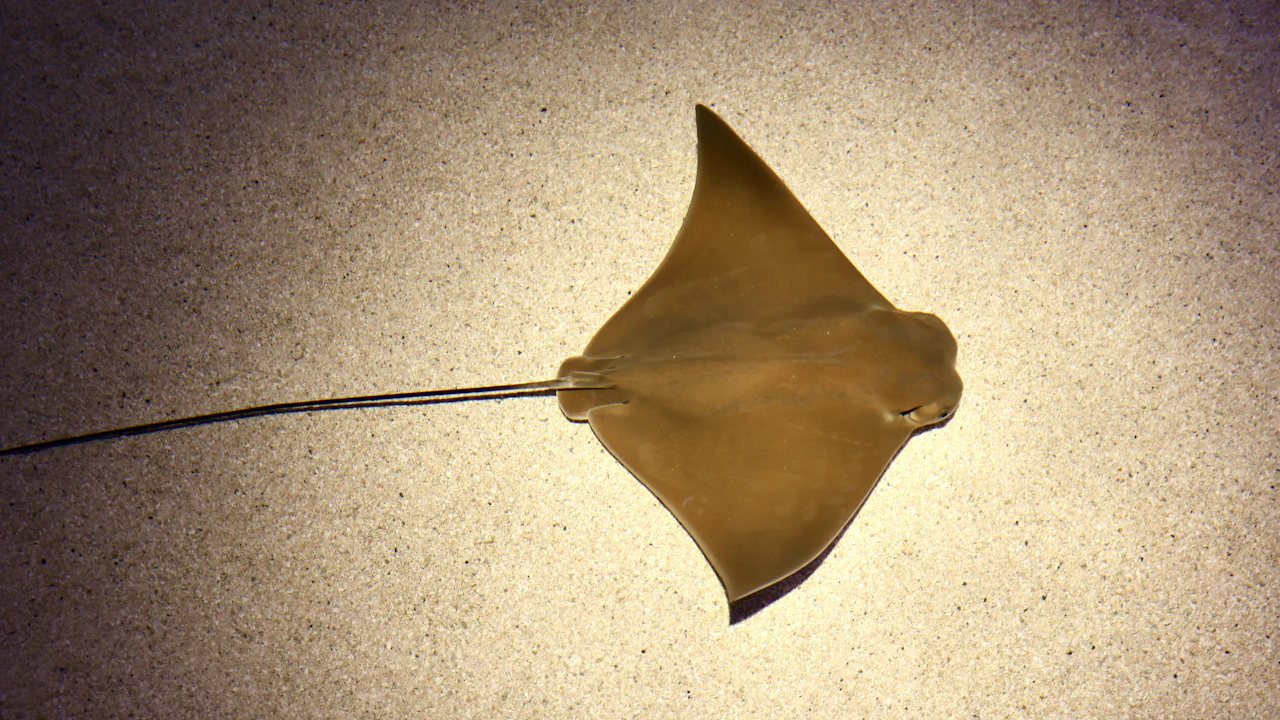
Good manners around rays
- Never grab, ride, chase or corner a ray; a cornered animal is the one most likely to defend itself.
- Do not swim directly over a ray close to the bottom; pass to one side.
- Keep your fins up and off the sand, and follow your guide’s instructions in the water.
- Stay calm. National Geographic notes that experts advise caution so you do not step on or surprise a ray lying on the bottom.
Our snorkeling tips for beginners cover floating and finning without touching the bottom, and our guide to snorkeling Hol Chan and Shark Ray Alley describes our Hol Chan and Shark Ray Alley snorkel trip, the stop where many visitors see rays for the first time.
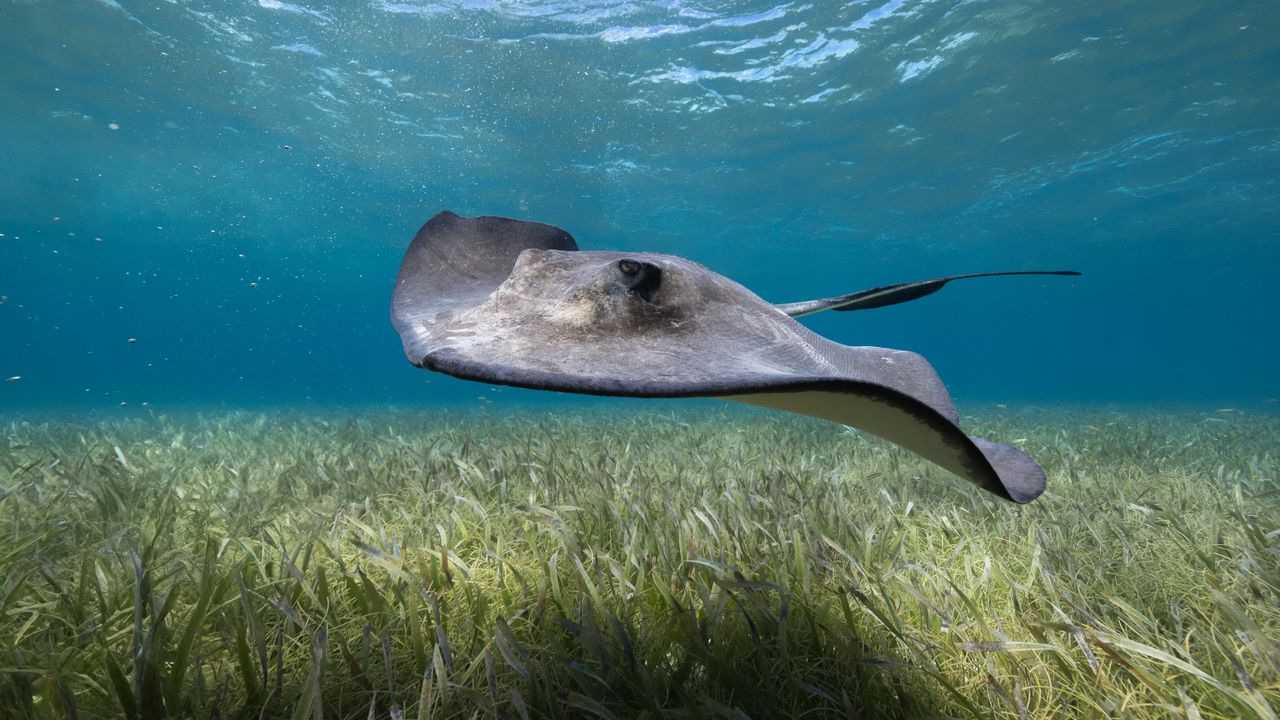
If a stingray stings you: what DAN says
Stings are uncommon, but it helps to know DAN’s general first aid before your trip. These steps come from DAN’s guide to hazardous marine life injuries; they are not a treatment plan for you.
- Rinse the wound with whatever clean water is available.
- Immediately immerse the wound in non-scalding hot water to tolerance, which DAN gives as 110 to 113 degrees F (43.3 to 45 degrees C).
- Scrub the wound with soap and water. Do not sew or tape it closed.
- Apply a dressing and seek medical help.
DAN also warns against causing a burn. Intense pain can make it hard for the injured person to judge heat, so if you are helping, test the water yourself. Every stingray sting should be seen by a doctor.
Rays are not the only reason to watch where you put your hands. Our guide to fire coral sting treatment and prevention covers the stony-looking reef animal that burns on contact, and our page on spotted eagle rays and how to watch them explains how to tell a stingray from its open-water cousin.
Snorkel and dive with Elbert
White Sands Dive Shop is a 5 Star PADI Dive Facility on the beach in San Pedro, owned and operated by Elbert Greer, PADI IDC Staff Instructor. Local dive and snorkel trips leave at 9:00, with pickup at the dock of your hotel. Our guide to scuba diving on Ambergris Caye describes the reef dives we run.
Nervous first-timers are welcome. One student, Minette Layne, wrote: “I was so panicked and you really calmed me down and set me up for a wonderful couple of weeks of diving and snorkeling.” Read more in our letters from students Elbert has taught, and see trips and current prices on our Water Sports page of dives and PADI courses.
How to avoid stingray stings: your questions answered
What is the stingray shuffle?
It means sliding your feet along the bottom instead of lifting them for normal steps. DAN advises always shuffling your feet when wading where stingrays live, so a buried ray has a chance to move away.
Are stingrays aggressive?
No. National Geographic says stingrays are not considered aggressive and typically use their tails only under duress, as a defensive reflex.
Is it safe to snorkel near stingrays?
Stings are rare when you keep your distance, never touch or corner a ray, and look before you put a hand or foot on the bottom.
What should I do if a stingray stings me?
DAN advises rinsing the wound with clean water, soaking it in non-scalding hot water to tolerance, cleaning it with soap and water, applying a dressing and seeking medical help.
Why do stingrays hide in the sand?
National Geographic explains that stingrays spend most of their time partially buried in sand, colored to match the seafloor as camouflage from predators.
Ask us before you snorkel
Have a question about snorkeling or diving with rays? Email Elbert at elbertgreer@fastmail.fm or phone 011 (501) 226 2405. Tell us your dates and experience, and we will help you plan.