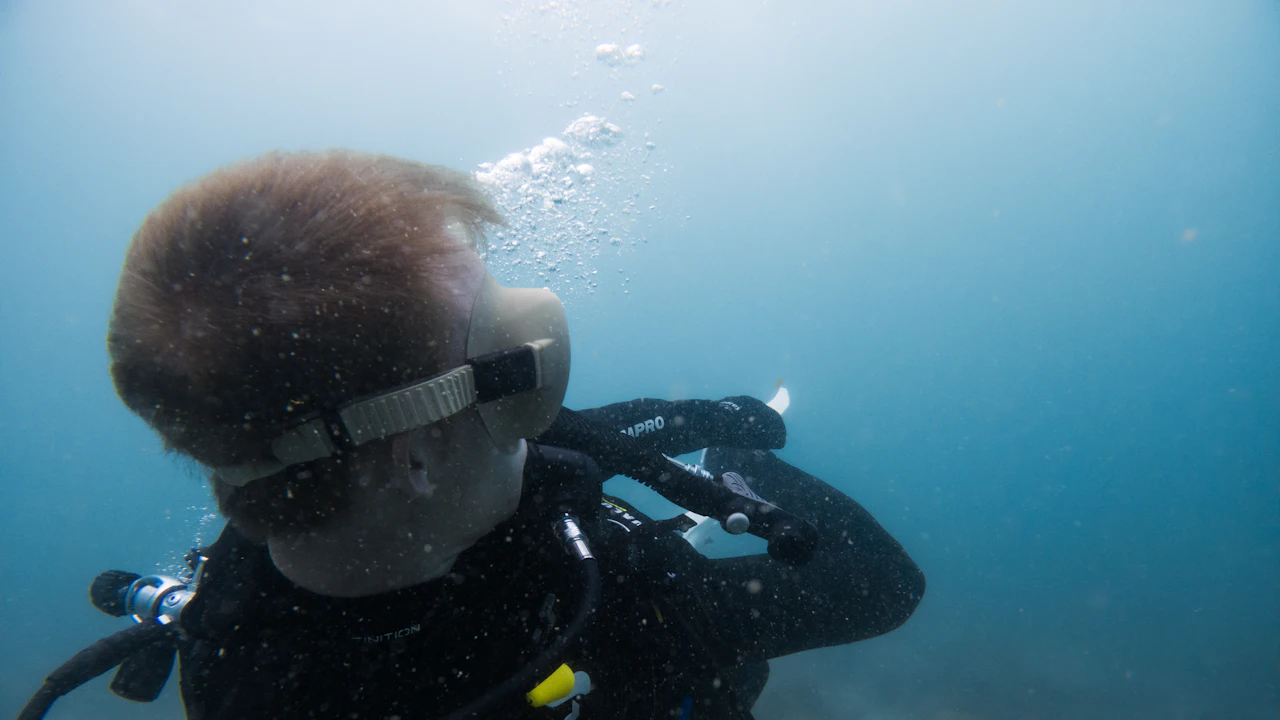
Sooner or later, every diver gets water in the mask. A buddy’s fin brushes your face, you smile at a turtle, or a strand of hair breaks the seal. Knowing how to clear a dive mask turns that moment into a two-second fix instead of a reason to end the dive.
This guide is for new students, nervous beginners and certified divers who never quite made peace with the skill. We walk through the steps PADI teaches, the difference between a little water and a full flood, and how to take the mask off and put it back on without panic.
How do you clear a dive mask underwater?
Quick answer: Keep breathing slowly from your regulator. Press the top of the mask frame against your forehead with your fingers, tilt your head back to look up, and exhale a long, steady breath through your nose. The air pushes the water out of the bottom of the mask. If some water remains, check the seal and exhale again.
Why mask clearing matters
Mask clearing is one of the core skills in the PADI Open Water course on Ambergris Caye, along with removing and replacing the mask and breathing without one. PADI points out that a buddy’s kick can knock a mask out of place, and that a mask can fog or leak at any time. A diver who can clear it calmly simply carries on.
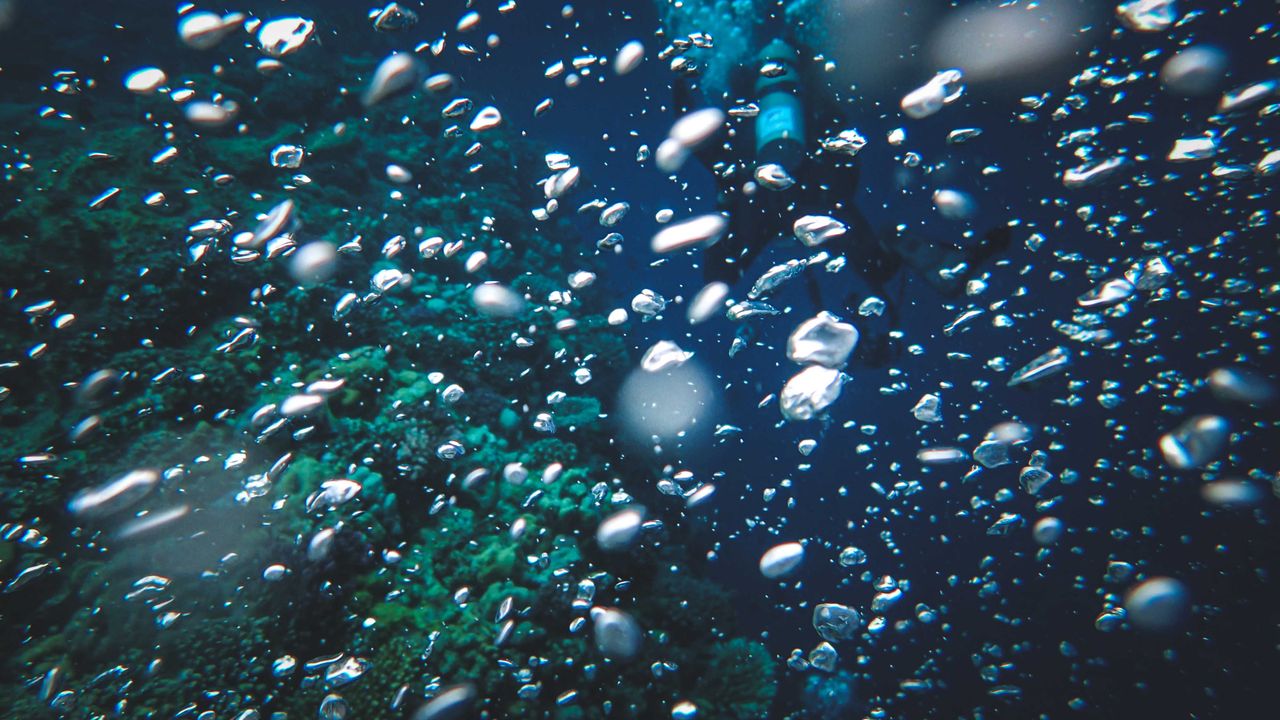
How to clear a dive mask, step by step
The method in PADI’s guide to clearing your mask takes only a few seconds once you have practiced it. Here is the sequence, in order.
- Stop and breathe. Pause your finning and keep a slow, steady breathing rhythm through your regulator. Never hold your breath.
- Press the top of the frame. Hold the top of the mask firmly against your forehead with your index fingers, so air can only escape at the bottom.
- Tilt and look up. Tip your head back slightly, as if looking at the surface.
- Exhale through your nose. Breathe out a long, steady stream, not a sharp blast. The air rises into the mask and pushes the water out under the lower skirt.
- Check and repeat. If water remains, take a breath from the regulator and exhale through your nose again.
Remember to inhale through your mouth only. A common mistake is breathing in through the nose right after clearing, which pulls in water and starts the problem again.
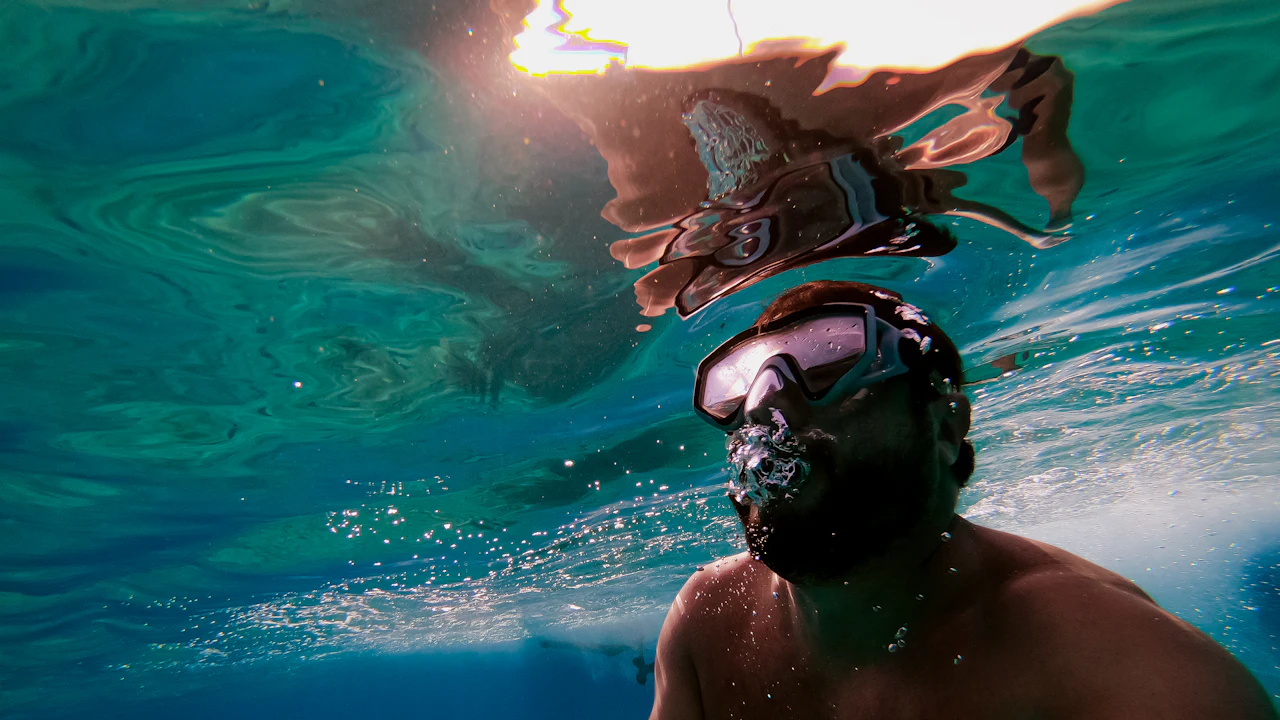
Partial flood vs full flood
Most water in a scuba mask is a small leak, a puddle that tickles your nose. A full flood is rarer and happens when the mask is knocked loose or taken off on purpose during training. The technique is the same for both; only the length of the exhale changes.
| Situation | What it feels like | How to handle it | Common cause |
|---|---|---|---|
| Partial flood | A little water around the nose or lower lens | Press the top of the frame, look up, one steady nose exhale | Hair under the skirt, smiling, a loose strap |
| Full flood | Mask full of water, eyes underwater | Keep breathing, reseat the mask, longer exhale, repeat if needed | A fin kick or the mask removal skill |
| Mask off | Water on your whole face, blurry view | Hold the mask, thumb in the nose pocket, replace, then clear | Training drill or a dislodged mask |
| Slow repeat leak | Water keeps creeping back in | Clear, then check for hair, a hood edge or a twisted strap | Poor fit, hair or a twisted strap |
A mask that leaks on every dive is usually a fit problem, not a skill problem. Our guide on how to choose a dive mask that fits your face explains the fit test, and a better seal also helps with fog.
Mask removal and replacement
PADI calls mask removal the skill that most often makes student divers anxious, and the reason is simple. The feeling of water around your nose makes people want to hold their breath. PADI’s mask removal guide breaks it into a calm sequence.
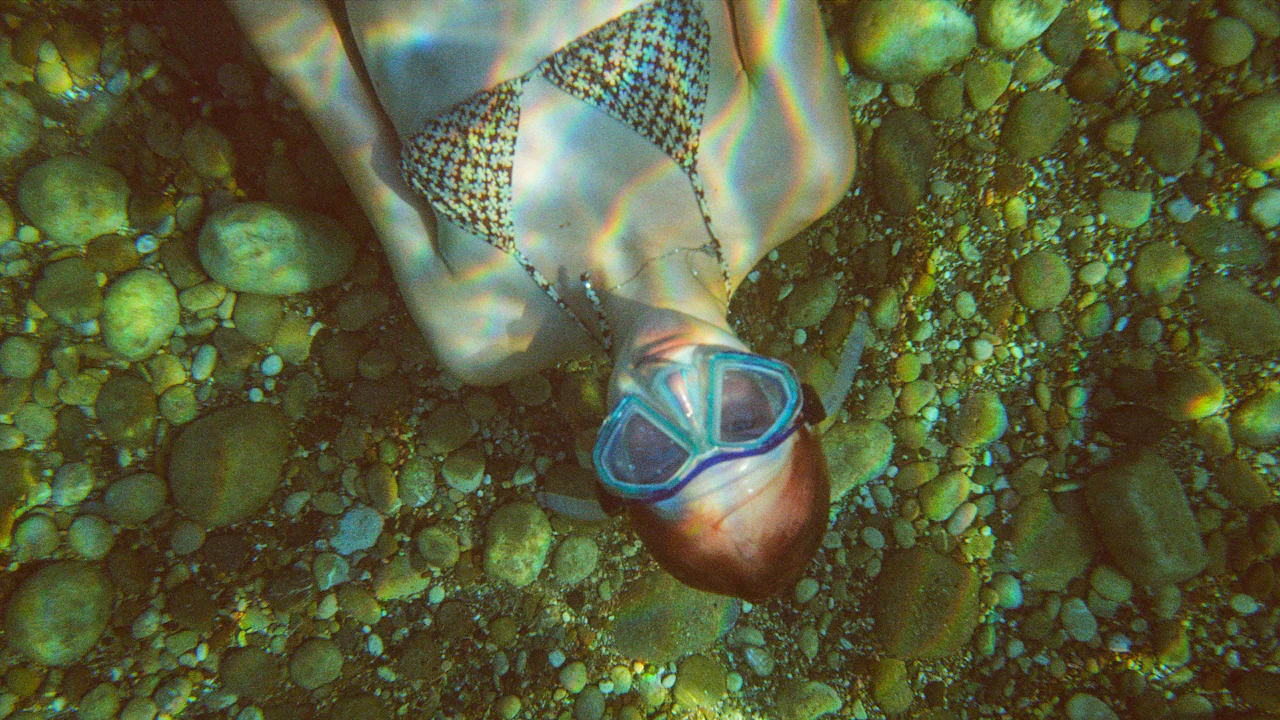
Taking the mask off
Settle your breathing first, then break the seal at the top and let the mask flood so your face gets used to the water. Hold the mask in one hand, slip the strap off with the other, and keep your thumb in the nose pocket so you always know which way it faces. If you wear contact lenses, keep your eyes closed.
Putting it back on
Stay still for a few seconds and notice that you are still breathing normally. PADI’s point is worth remembering: the mask helps you see, it is not life support. Then place the mask on your face, sweep hair out of the seal, route the strap without twisting it and clear the mask as above.
Staying calm with water in your scuba mask
Mask skills are mostly breathing skills. PADI’s advice is to breathe only through your mouth while diving, since breathing through your nose can cause leaks and makes mask removal harder. The key, as PADI puts it, is to relax and take your time.
- Practice at home. PADI suggests putting your face in a bowl of water with your eyes closed and breathing only through a snorkel. Bubbles near your nose mean you are exhaling through it.
- Ask for help. Tell your instructor if you wear contacts, and ask them to pinch your nose for you the first time if that helps.
- Exhale gently through your nose as the mask comes off. A small stream of bubbles keeps water out of your nostrils.
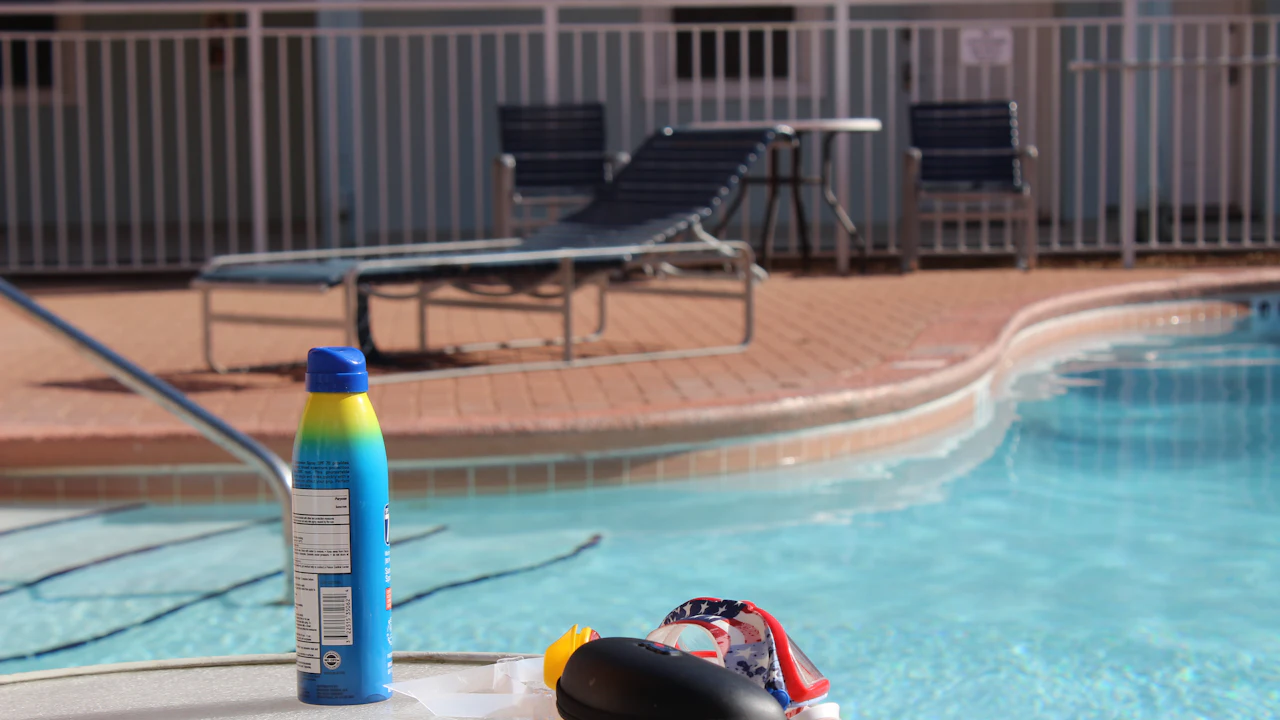
Fewer leaks, less fog: mask habits that help
Every time you clear, you add a little moisture to the inside of the lens. Our guide on how to stop mask fogging on a dive covers toothpaste, defog and the other tricks PADI recommends.
Keep the strap snug and comfortable, and check that it is not twisted. If you wear a hood, PADI notes the skirt should sit on your skin, not on the neoprene. Equalizing your ears on the way down is a related habit; see how to equalize your ears when scuba diving.
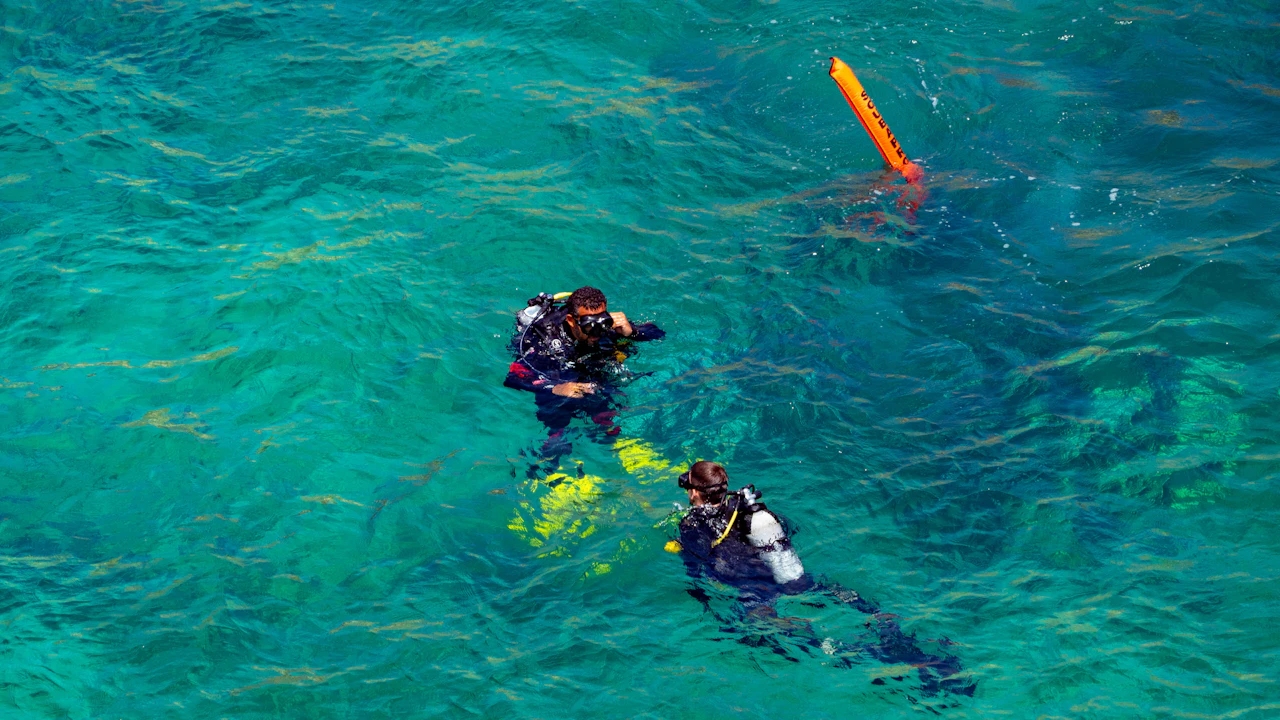
Practice the skill with a patient instructor
White Sands Dive Shop is a 5 Star PADI Dive Facility on the beach in San Pedro, owned and operated by PADI IDC Staff Instructor Elbert Greer. Our overview of learning to dive on Ambergris Caye explains each course. If it has been a while, a scuba refresher course on Ambergris Caye starts with a pool session to review your skills.
Mask skills are where many students feel nervous, and patience fixes that. Minette Layne wrote to Elbert, “I was so panicked and you really calmed me down”, and Susan said, “You truly put me at ease and made the whole experience fun.” Read more in the letters from Elbert’s dive students, and see current course prices on our Water Sports page.
How to clear a dive mask: your questions answered
Why does water keep getting into my dive mask?
The usual causes are hair under the skirt, smiling or moving your face, a strap that is too tight or too loose, or a mask that does not fit your face shape. Breathing in through your nose also pulls water in.
Should I keep my eyes open when my mask floods?
It is your choice. PADI says a blurry view can help you stay oriented, but keep your eyes closed if salt water bothers them or if you wear contact lenses.
How many times should I exhale to clear my mask?
Often once is enough. If water remains, PADI advises exhaling through your nose again and checking the seal for trapped hair.
What if I panic when water touches my nose?
Stop, keep breathing slowly from your regulator and exhale gently through your nose to keep water out. Practicing with a snorkel and your face in a bowl of water at home builds the habit before you dive.
Is mask clearing part of the PADI Open Water course?
Yes. Clearing, removing and replacing a mask and breathing without one are core skills that you practice in calm conditions before the open water dives.
Questions before your course? Ask Elbert
If mask skills worry you, tell us before your trip and we will talk you through what to expect. Email Elbert at elbertgreer@fastmail.fm or call 011 (501) 226 2405.