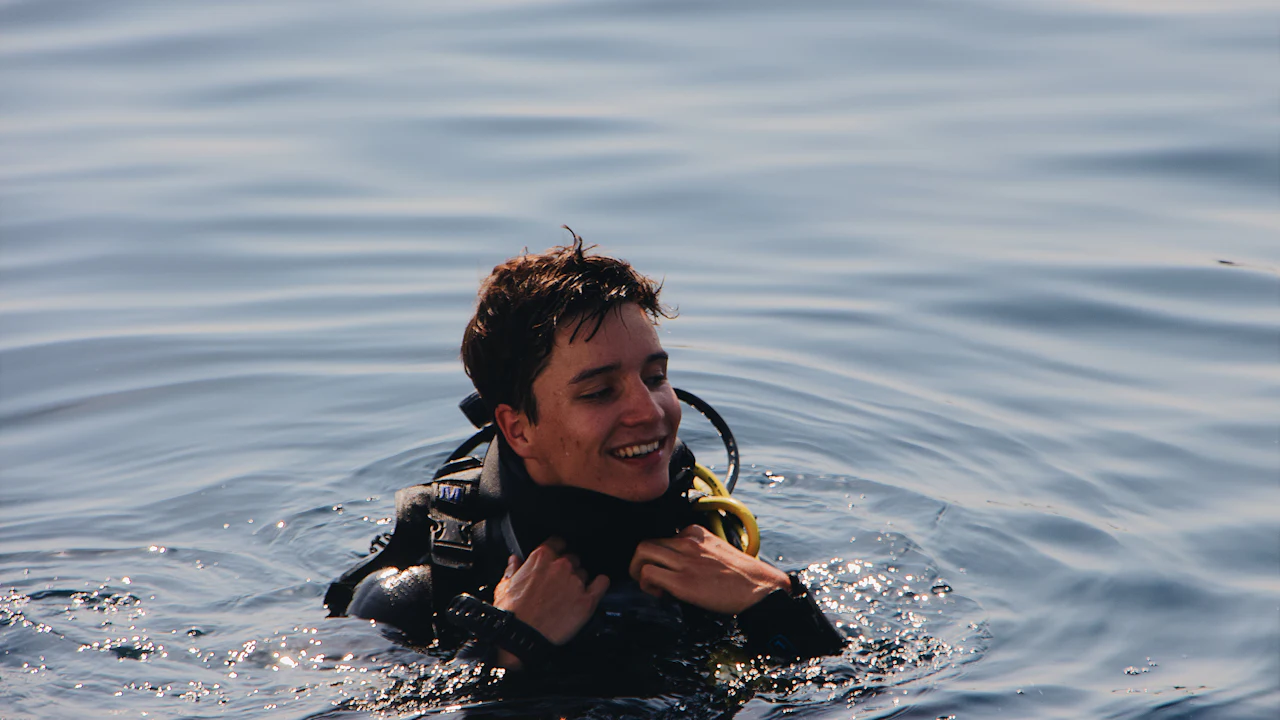
Scuba diving with anxiety is more common than most people think. Plenty of our students arrive with a knot in their stomach, and many of them leave asking when they can dive again. Feeling nervous about breathing underwater for the first time is a normal human reaction, not a sign that diving is wrong for you.
This guide is for first-timers with butterflies, students who had a rough moment in the pool, and anyone who lives with an anxiety condition and wants to know where they stand. We are a dive shop, not doctors, so we share what the Divers Alert Network (DAN) says and the calm habits that help on the day.
Is scuba diving with anxiety possible?
Quick answer: Usually, yes. DAN says mild anxiety does not have to rule out recreational diving, as long as it is controlled. Slow breathing, practice in calm water and a patient instructor help most nervous divers. If you have an anxiety disorder or take medication for it, talk to your doctor before you dive.
Nervous about scuba diving? Nerves vs panic
DAN’s article Simple Jitters or Enduring Anxiety? says it is perfectly normal to feel a mix of emotions before a dive. Those nerves usually fade once you are in the water and doing something. An anxiety disorder is different: the worry and dread persist, and they can get worse.
Panic sits at the far end of that scale. DAN describes it as a sudden, paralyzing reaction, and it matters underwater because, as stress rises, a diver’s ability to notice problems and respond well shrinks. The goal is to catch stress early, while it is still small and easy to settle.
| Feeling | What it looks like | What helps |
|---|---|---|
| Pre-dive nerves | Butterflies, chatty or quiet on the boat, fading once you start | A clear briefing, gear checked early, a few slow breaths |
| Rising stress | Fast breathing, tight grip, fixating on the gear or the surface | Stop, breathe, signal your instructor, settle before going on |
| Panic | An urge to bolt for the surface, unable to think clearly | Prevention: catch stress early, dive within your comfort zone |
| Anxiety disorder | Worry that persists and gets in the way of daily life | A conversation with your doctor before you dive |
What DAN says about panic underwater
DAN’s page Anxiety: Is It a Contraindication to Diving? lists the signs dive professionals are taught to watch for. Divers need to recognize the escalating cycle of stress and break out of it before it reaches panic.
Signs of stress to notice in yourself
- Rapid breathing or the feeling that you cannot get enough air
- A racing heart, sweating or tense muscles
- A white-knuckle grip on the ladder or the anchor line
- Stalling, or suddenly worrying about your ears or your gear
- A strong urge to escape to the surface
The usual triggers
DAN lists common stressors such as time pressure, task loading (too many new things at once), unfamiliar equipment, tricky conditions, pushing your limits and diving for the wrong reason, for example to please someone else. Removing just one of them often calms a nervous diver down. That is why a slower pace makes such a difference.
Calming habits for scuba diving with anxiety
None of these habits needs special talent. They work best when you practice them in the pool first, so they feel familiar by the time you reach the reef.
Slow, deep breathing
Fast, shallow breathing is both a sign of stress and a cause of more stress, because it can leave you feeling short of air. Breathe in slowly and fully, then breathe out a little longer than you breathed in. Never hold your breath on scuba.
Stop, breathe, think, act
Divers learn a simple four-step routine for any surprise underwater. It is the practical way to break the stress cycle DAN describes.
- Stop moving and hold your position.
- Breathe slowly from your regulator until your breathing settles.
- Think about what is actually wrong and what your options are.
- Act calmly, one step at a time, with your instructor or buddy beside you.
Signal early, and go at your own pace
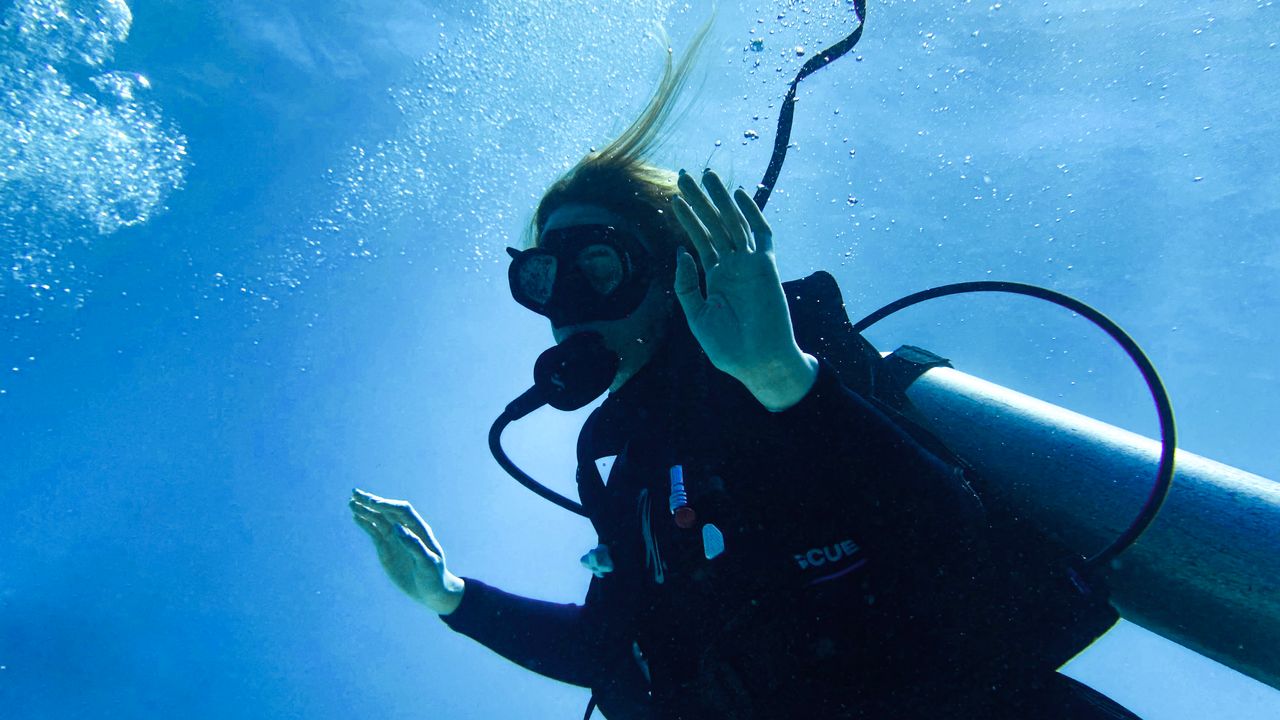
Tell your instructor you are nervous before you get wet, and agree on how you will show it underwater. A flat hand rocked side to side means “something is not right”, and that is all it takes to pause. DAN is clear that it is always acceptable to sit out a dive for any reason.
Some people simply need more repetition. DAN notes that some students need extra practice or one-on-one instruction to feel safe, and our guide to private scuba lessons on Ambergris Caye explains how that format works. Our tips for your first open water dive cover what to expect on the boat.
Try Discover Scuba Diving first
If you are unsure whether you will like breathing underwater, start small. Our Discover Scuba Diving experience on Ambergris Caye includes basic knowledge, a pool session with gear and one open water dive. That dive is with a certified divemaster at depths up to 40 feet.
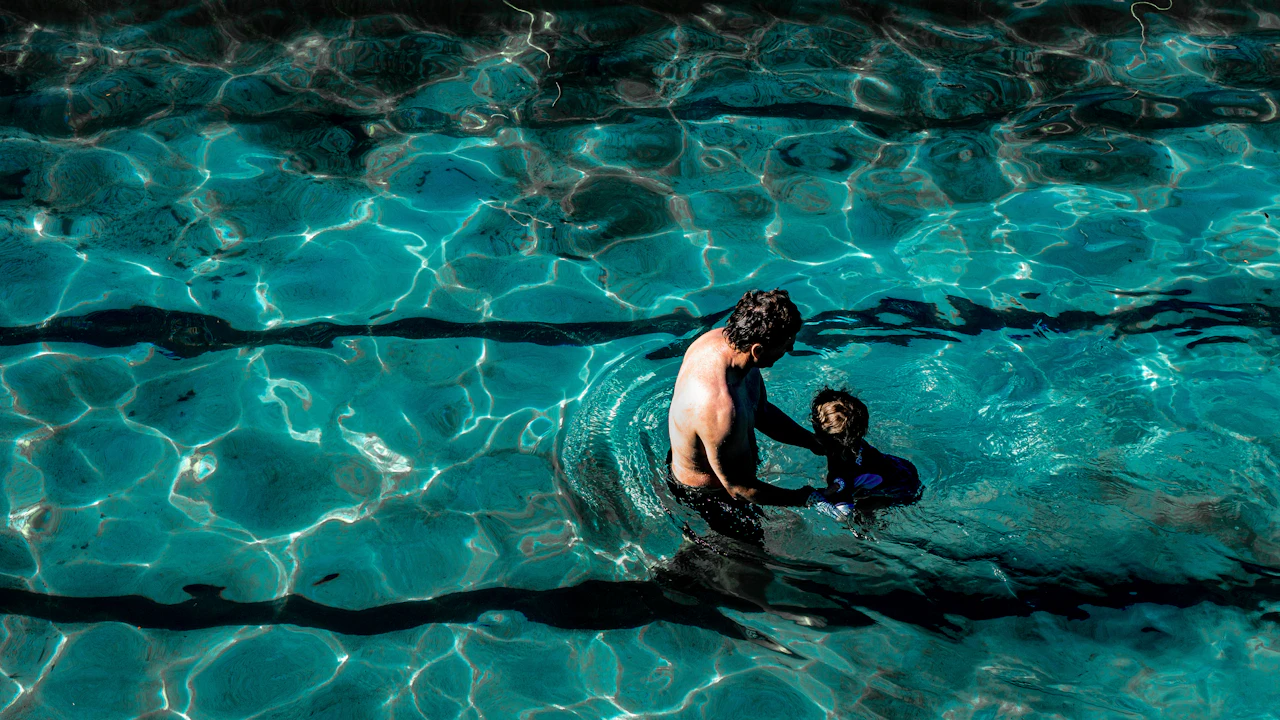
The pool comes first, in calm, clear water where you can stand up whenever you like. Many nervous people find that the moment they realize they can breathe normally is the moment the fear starts to ease. If tight gear or the mask is what bothers you, read our guide to claustrophobia and scuba diving as well.
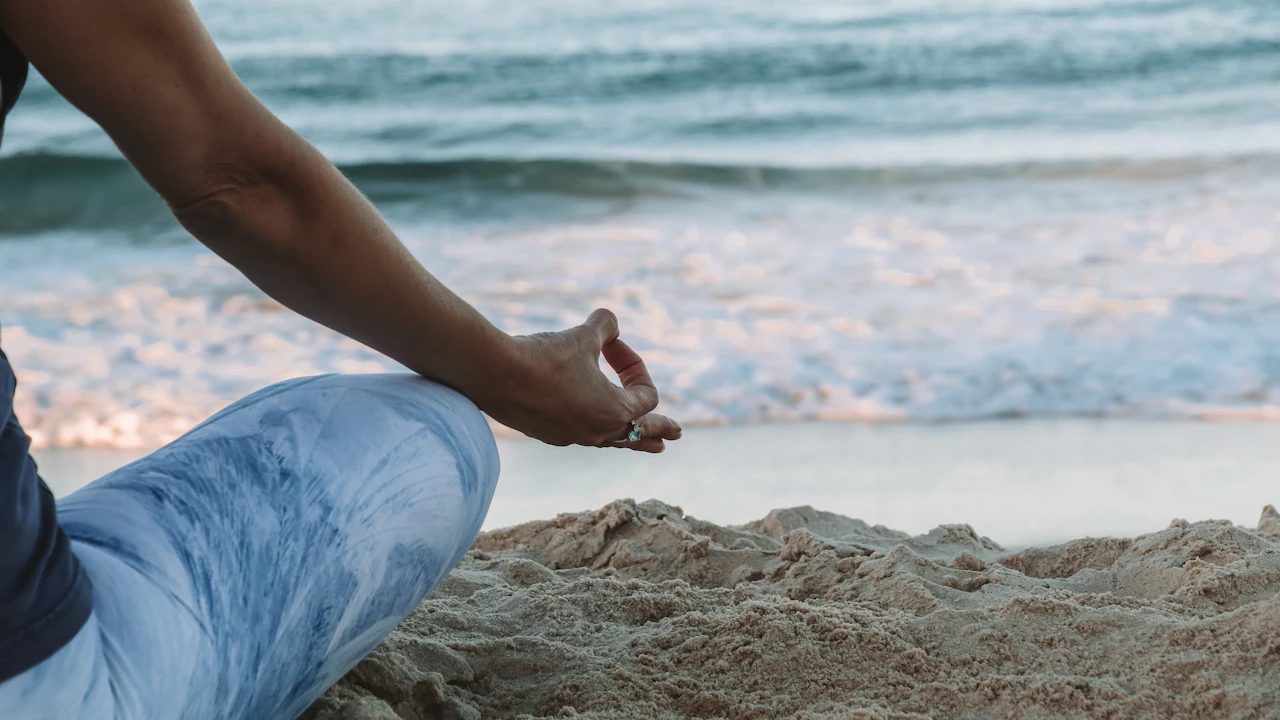
Anxiety disorders, medication and your doctor
This is where we stop giving tips and point you to a professional. DAN says a diver with an anxiety disorder may not be able to function in a situation of escalating stress. Treatment can include medication, working with a licensed professional, or both, and DAN notes that medications may bring their own concerns for diving.
If you have been diagnosed with an anxiety or panic disorder, or you take medication for anxiety, talk to your doctor about diving before your trip. DAN advises working with your health care provider to find treatment that is compatible with diving. Some medical conditions can also cause anxiety symptoms, which is one more reason to get a proper check.
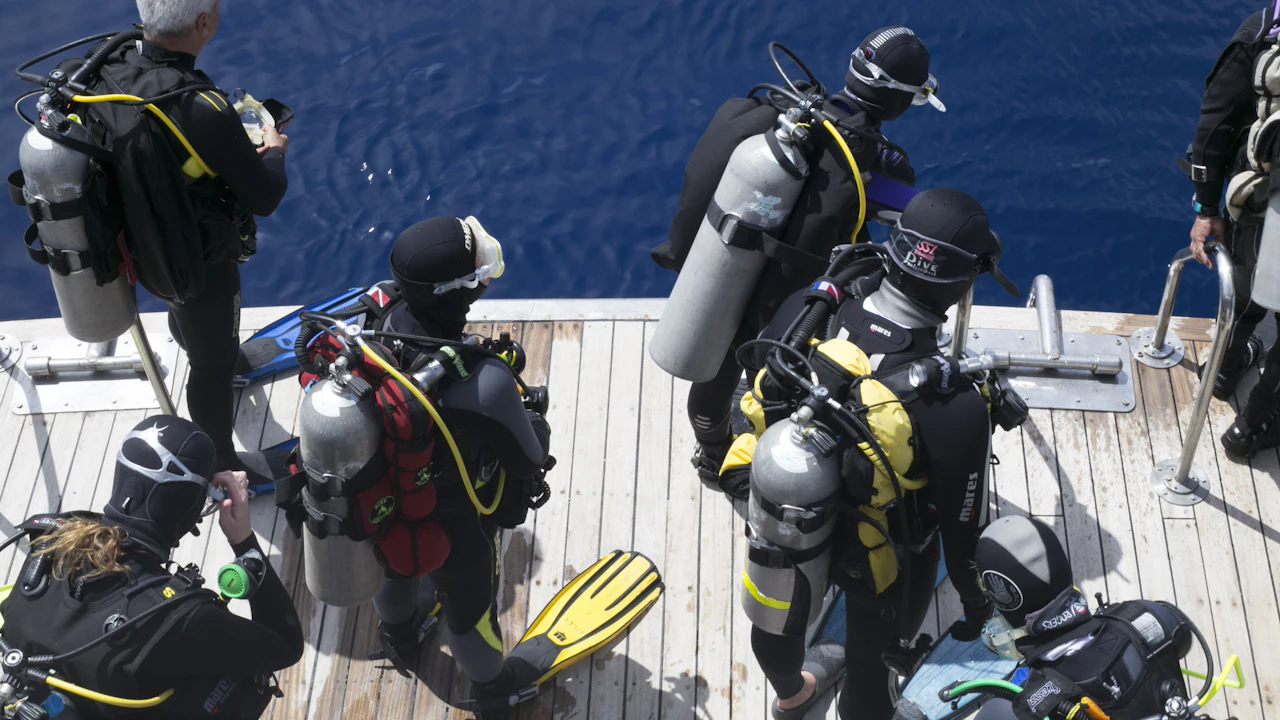
Learning with a patient instructor
White Sands Dive Shop is a 5 Star PADI Dive Facility on the beach in San Pedro, owned and operated by PADI IDC Staff Instructor Elbert Greer. Our guide to learning to dive on Ambergris Caye compares every first step, and each course is listed with current course prices on our Water Sports page.
Nervous students write to Elbert more often than you might expect. After her refresher, Minette Layne wrote: “I was so panicked and you really calmed me down”. Susan told him: “You truly put me at ease and made the whole experience fun.” You can read their full words in the letters from Elbert’s dive students.
Scuba diving with anxiety: your questions answered
Can you scuba dive if you have anxiety?
Often, yes. DAN says mild anxiety does not have to rule out recreational diving if it is controlled. If you have an anxiety disorder or take medication for it, your doctor should help you decide.
Is it normal to be nervous before scuba diving?
Yes. DAN says it is perfectly normal to feel a mix of emotions before a dive. Those nerves usually fade once you are in the water and settled into slow breathing.
What should I do if I start to panic underwater?
Stop, breathe slowly from your regulator, think about what is wrong, then act calmly with your instructor or buddy. Signal early, while the stress is still small.
Can I dive while taking anxiety medication?
Ask your doctor. DAN notes that medications may introduce their own concerns for diving, so your doctor should check that your treatment is compatible with it.
Is it OK to end a dive because I feel anxious?
Yes. DAN says it is always acceptable to sit out a dive for any reason, and ending a dive early is a sensible choice, not a failure.
Tell Elbert how you feel
If nerves are what is holding you back, say so when you get in touch, and we can talk through which first step suits you. Email Elbert at elbertgreer@fastmail.fm or call 011 (501) 226 2405.