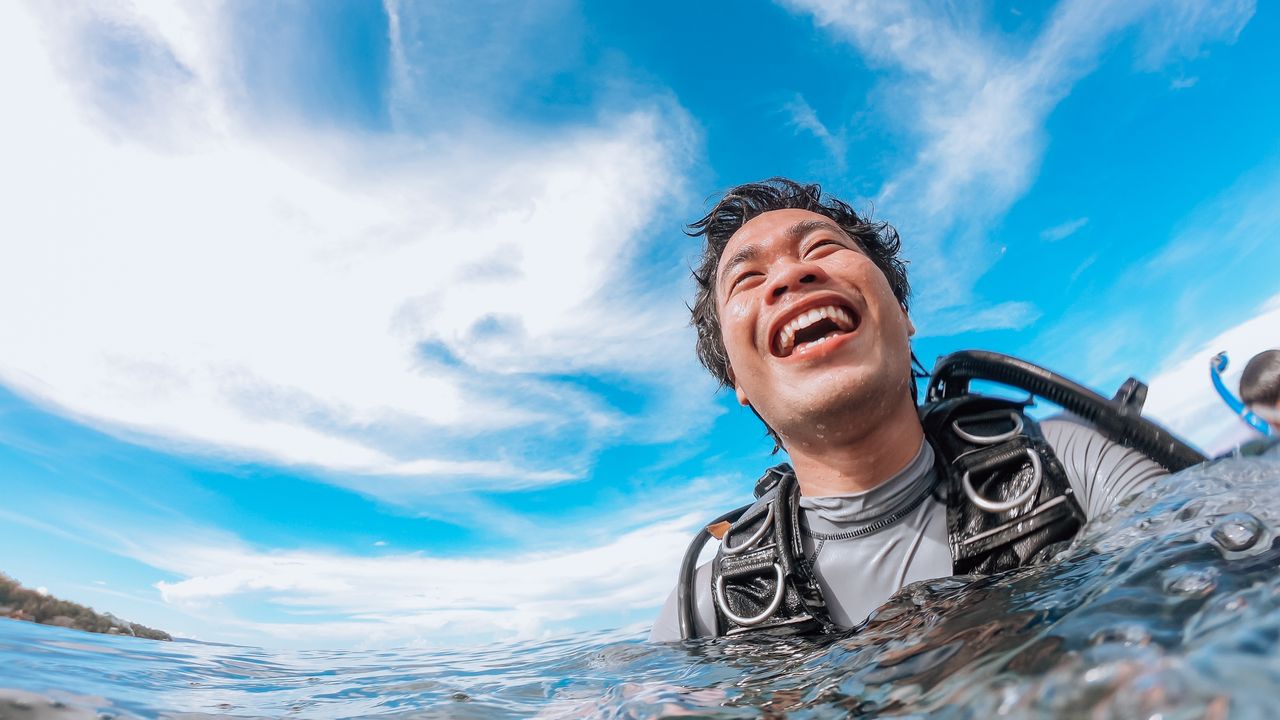
Feeling jittery before your first ocean dive does not mean you are not cut out for scuba. It usually means you care about doing it right. These first open water dive tips are for nervous beginners who want to know what to expect and how to settle their nerves, from the night before to the moment you surface.
We have kept it practical. You will find a short checklist, a plain comparison of the beginner courses, a few calming habits for the dive itself, and the real words of students who arrived anxious and left glad they stayed.
What are the most useful first open water dive tips for a nervous beginner?
Quick answer: Sleep well, skip alcohol, go easy on coffee and arrive early to try on your gear without rushing. Tell your instructor exactly what worries you. Underwater, breathe slowly and deeply, never hold your breath, equalize early, and stay close to your buddy. Nerves ease with each dive.
First ocean dive nerves are normal
Almost everyone feels some tension the first time they breathe underwater in the sea. The PADI blog on overcoming scuba diving anxiety makes the same point: worry eases with each dive, and a calm site plus a supportive buddy makes a real difference. Its author even suggests switching instructors if your first one does not put you at ease.
It also helps to know that your first ocean dive is not a test you sit alone. In a Discover Scuba Diving experience, a certified divemaster dives with you and you stay no deeper than 40 ft. In the Open Water course, the open water dives come after classes and practice, so the ocean is a new setting for skills you have already met.
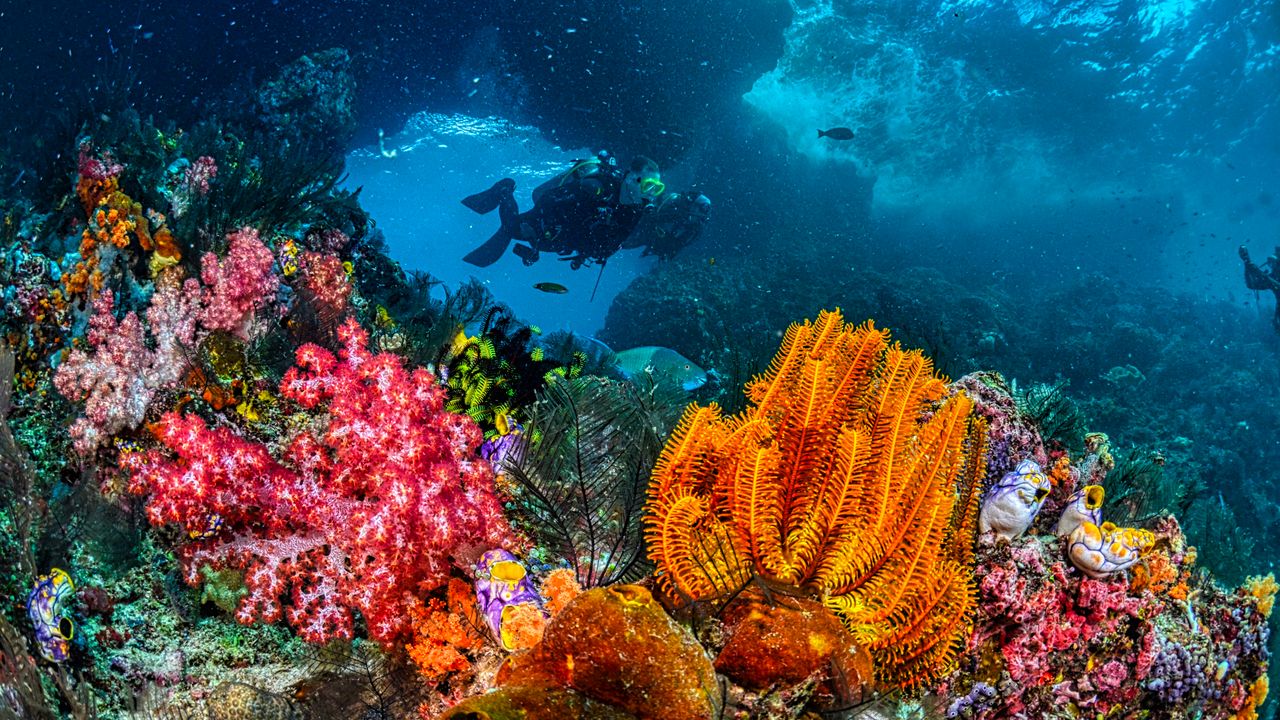
Which beginner dive suits a nervous first-timer?
If you are unsure whether you are ready to commit to a full certification, start by comparing what each option involves. None of these is a race, and the right one is simply the one that matches your time and confidence.
| Option | What happens | Open water dives | Time to allow | Suits |
|---|---|---|---|---|
| Discover Scuba Diving | Basic knowledge, then a pool session with gear | One, with a certified divemaster, to 40 ft at most | Minimum time | Anyone who wants to try before committing |
| PADI Open Water Diver | Five classes, from gear preparation to diving physics | Four | 3-4 days | Travelers ready to earn a full certification |
| Open Water referral | Initial training done at home, then completion with Elbert | Four | Two half days | Students who started the course at home |
| Scuba Refresher | A pool session to review and refresh your skills | One, with the instructor | Pool session plus one dive | Certified divers who feel rusty or nervous |
The full details are in our guides to Discover Scuba Diving for first-timers, the PADI Open Water Diver course with four ocean dives and every way to learn to dive on Ambergris Caye. Current course prices are listed on our Water Sports page of PADI courses.
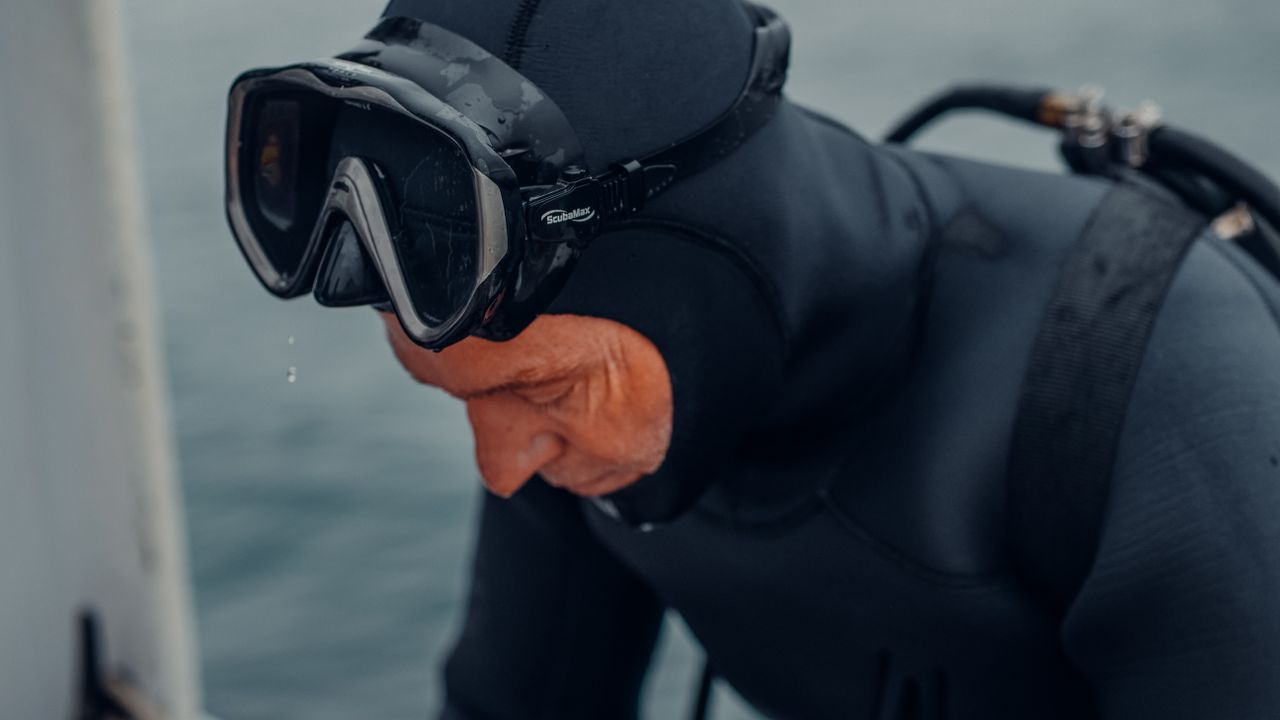
Tips for new scuba divers before the day
Good first dives start the evening before. Most of these habits come straight from PADI’s advice for anxious divers, and none of them cost you anything.
- Get a full night of sleep and skip alcohol the night before.
- Cut back on caffeine the morning of the dive, and eat something light.
- If you get seasick, ask your own doctor about medication well before the trip.
- Arrive early, so you have time to try on a mask and wetsuit without hurrying.
- Avoid picturing worst-case scenarios; picture a slow, easy swim instead.
Our packing list for a Belize dive trip covers what to bring, and the page on scuba gear rental on Ambergris Caye explains what you can borrow. Local dive and snorkel trips leave at 9:00, with pickup at the dock of your hotel.
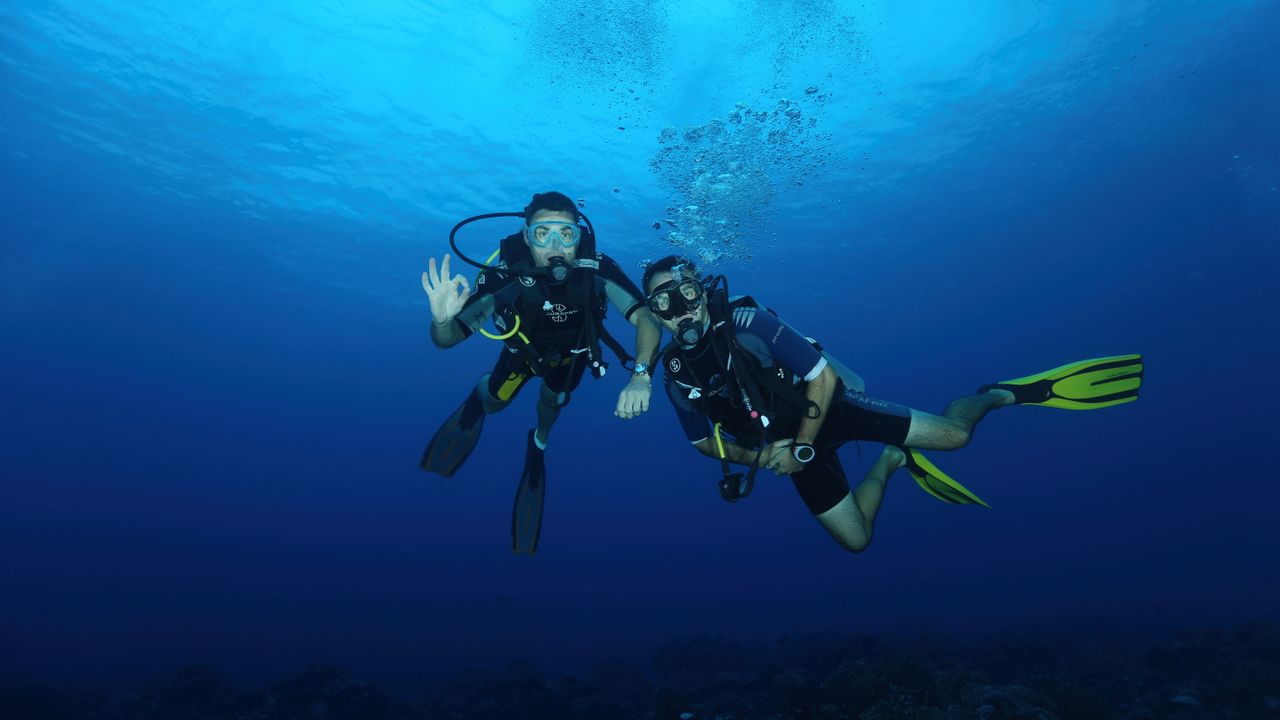
On the boat and under the surface
Once you are in the water, a handful of simple habits do most of the work. Think of them as a short routine you repeat, rather than a list of rules to remember under pressure.
- Breathe slowly and deeply, and never hold your breath. Slow breathing also helps you settle.
- Go down gently and equalize early, before your ears feel any pressure. Our guide on how to equalize your ears when scuba diving walks through each technique.
- Stay within easy reach of your buddy and keep the instructor in sight.
- If something feels wrong, stop, stay still, breathe, then signal your buddy or instructor.
- Do not compare yourself to others in the group. People learn at different speeds, and that is fine.
Ask questions whenever something is unclear, before the dive or after it. A question you are shy about asking is often one the person next to you wanted answered too.
What our students said about being put at ease
Our lessons are taught by Elbert Greer, PADI IDC Staff Instructor, who owns and operates White Sands Dive Shop, a 5 Star PADI Dive Facility in San Pedro. We would rather you hear about nerves from people who felt them.
Minette Layne of Seattle, Washington came for a refresher and wrote: “I was so panicked and you really calmed me down and set me up for a wonderful couple of weeks of diving and snorkeling.” She added: “If it hadn’t been for you and your caring teaching style, I most certainly would have given up and I would have missed out on some of the richest memories of my trip.”
Susan, who completed her certification, put it simply: “You truly put me at ease and made the whole experience fun.” Bryan Nelson wrote that Joan first insisted he be along on all of Sam’s certification dives, but “After her first meeting with you she waived that requirement, realizing that Sam was in the best possible hands.”
You can read the full notes in our letters from students Elbert has taught.

After your first dive
Take a minute on the boat to notice what went well, and log it. The second dive often feels easier than the first, because the unknown has become familiar.
Rest and drink water afterward. Before you head home, read our note on waiting to fly after diving in Belize. When you are ready for more, the Advanced Open Water course on Ambergris Caye adds five specialty dives.
First open water dive tips: your questions answered
Is it normal to be scared before my first open water dive?
Yes. Many beginners feel nervous, and the PADI blog notes that anxiety tends to ease as you gain experience. Telling your instructor what worries you is a good first step.
How deep is a Discover Scuba Diving dive?
Our Discover Scuba Diving experience includes one open water dive with a certified divemaster, at depths up to 40 ft.
How many open water dives are in the Open Water course?
The PADI Open Water Diver course includes four open water dives after five classes. We suggest you allow 3-4 days.
What should I do if I start to panic underwater?
Stop, stay still and slow your breathing with long exhales. Never hold your breath, and signal your buddy or instructor so you can end the dive together if you need to.
What should I eat and drink before my first dive?
Eat something light, drink plenty of water, cut back on caffeine and avoid alcohol the night before. A rested body copes with nerves far better.
Talk to us about your first dive
Nervous about booking? Email Elbert at elbertgreer@fastmail.fm or phone 011 (501) 226 2405, and tell him what worries you. He would rather hear it before the boat leaves than halfway down the line.