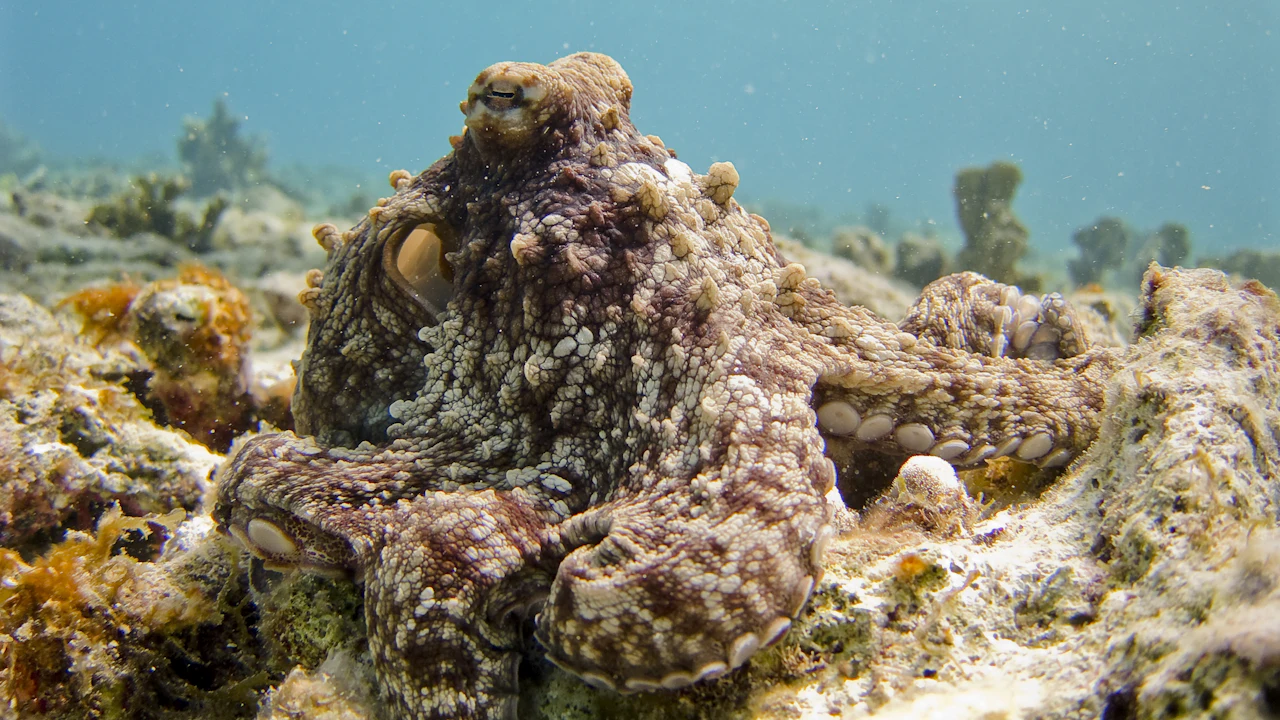
A patch of reef that looked like rock a moment ago suddenly flushes color, sprouts eight arms and glides away. If you have ever seen that, you have met an octopus, and around Ambergris Caye the one most often seen is the Caribbean reef octopus. This guide explains how to recognize it, how its camouflage works and how to watch it without spoiling its night.
It is written for divers and snorkelers, especially anyone planning a first night dive or hoping to photograph one. Octopuses are wild and expert at hiding, so no one can promise you a sighting. Knowing what to look for does improve your odds.
How do you spot a Caribbean reef octopus?
Quick answer: Look at night, slowly, around reef crevices and caves. The Caribbean reef octopus is the most common octopus on the Belize reef and moves around mainly after dark, hunting crabs and lobsters. By day it shelters in a den. Watch for movement and color changes, keep your distance and never touch it.
Identifying the Caribbean reef octopus
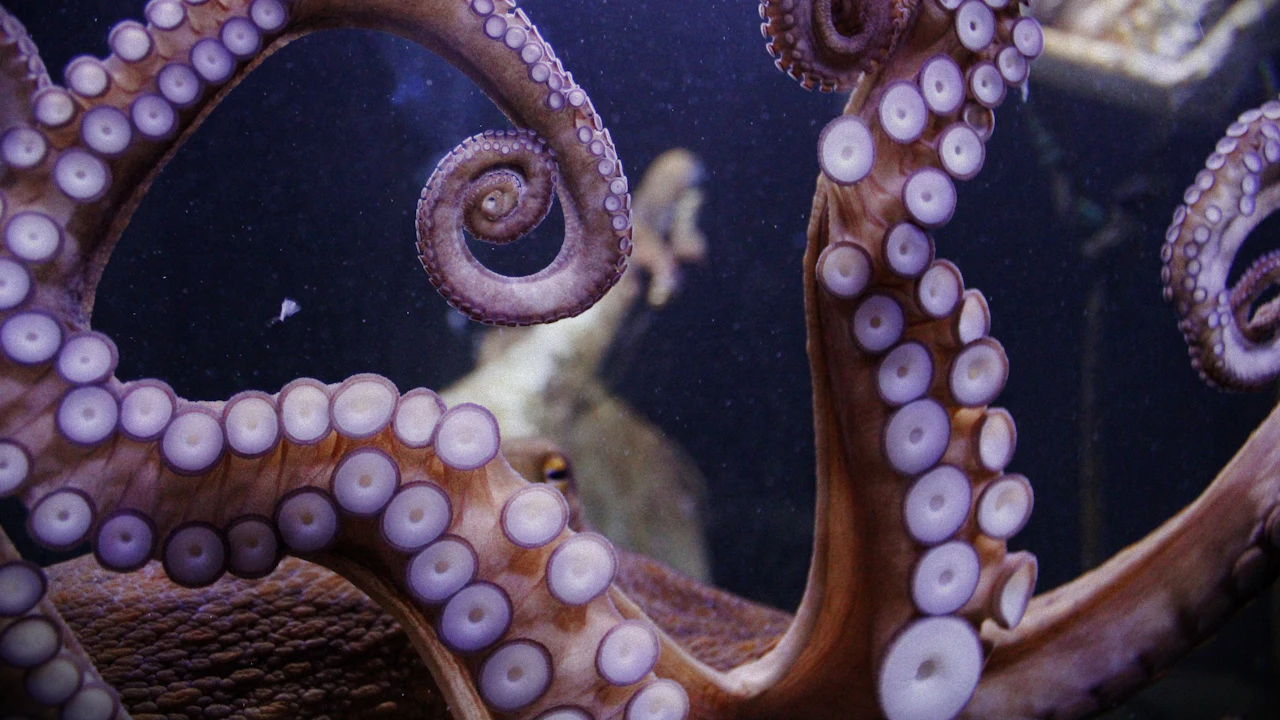
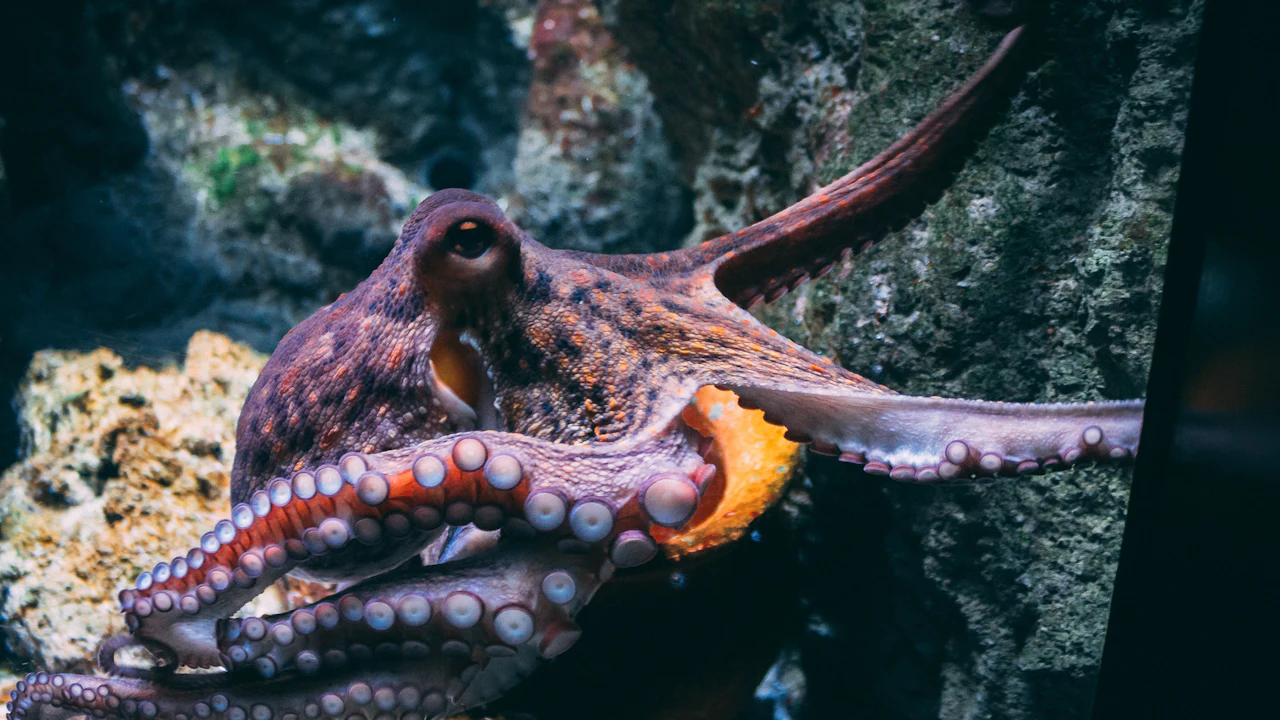
All octopuses share the same basic plan. As National Geographic’s octopus fact file explains, they are cephalopods with a bulbous head, large eyes and eight arms, each lined with hundreds of suckers. Their only hard part is the beak, so they can squeeze through any opening bigger than it.
National Geographic counts around 300 octopus species in the world’s oceans. The Reef Brief column of the Green Reef conservation group, reprinted on AmbergrisCaye.com, says the Caribbean reef octopus (Octopus briareus) is the species most often found on the Belize reef, ranging from about six inches to three feet in size.
- Shape: a soft, rounded body with no shell and eight flexible arms.
- Suckers: two rows along each arm, used to feel, taste and grip.
- Color: never fixed; it shifts with the background and the animal’s mood.
How octopus camouflage works
An octopus changes color with its skin, not its eyes. National Geographic’s article on how cephalopods change shape and color describes skin packed with pigment-filled sacs, each wrapped in its own small muscle. Stretch the sac and the color shows; squeeze it and the color shrinks to a dot.
Texture changes too. Small bumps, flaps and ridges in the skin can be raised or smoothed, so the animal can look like rough rock one second and smooth sand the next. National Geographic calls this the swiftest known change in the animal kingdom, and adds a surprise: most cephalopods are color-blind.
| Camouflage tool | How it works | What you might notice |
|---|---|---|
| Pigment sacs | Muscles stretch or squeeze each sac to show or hide color | Waves of color, or a sudden flush from pale to dark |
| Skin texture | Bumps, flaps and ridges rise or flatten | A “rock” that turns smooth as it starts to move |
| Body shape | A soft body with no shell squeezes into gaps | Arms vanishing into a crack far smaller than the animal looked |
| Ink | A dark cloud hides an escape and dulls a predator’s sense of smell | A puff of ink and an empty patch of reef |
Color is also a signal. The Reef Brief column notes that an octopus’s color reflects its mood. If one goes dark or starts to ink, it is telling you that you are too close.
Octopus night dive: when the hunter comes out
AmbergrisCaye.com’s reef animal guide describes octopuses in Belize as nocturnal, moving around at night. They feed on crustaceans and mollusks, including crabs and lobsters, and may lure prey by waving an arm tip that looks like a worm. National Geographic adds that sensors in the suckers let an octopus find hidden food by touch and taste.
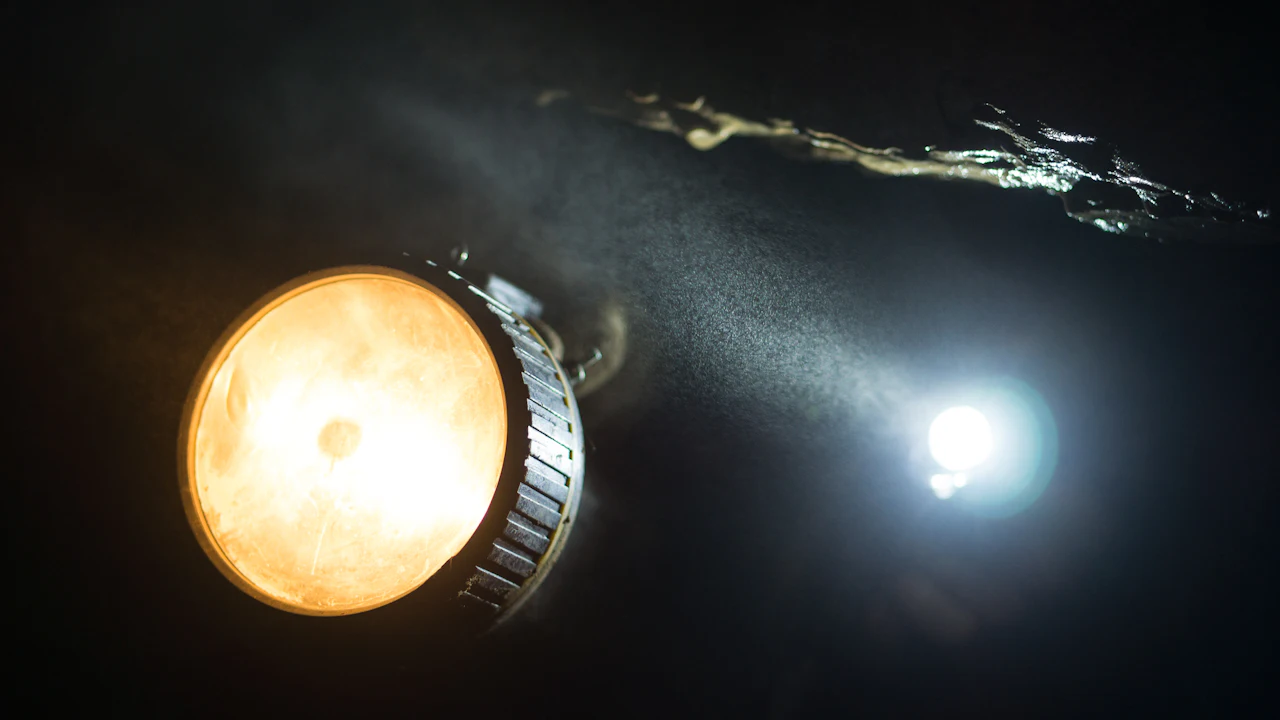
That is why a night dive is the classic way to look for one. White Sands Dive Shop offers a one-tank night dive, and your dive light is not included, so bring or arrange one. Our guide to night diving on Ambergris Caye covers what to expect after dark.
Reading the reef for dens
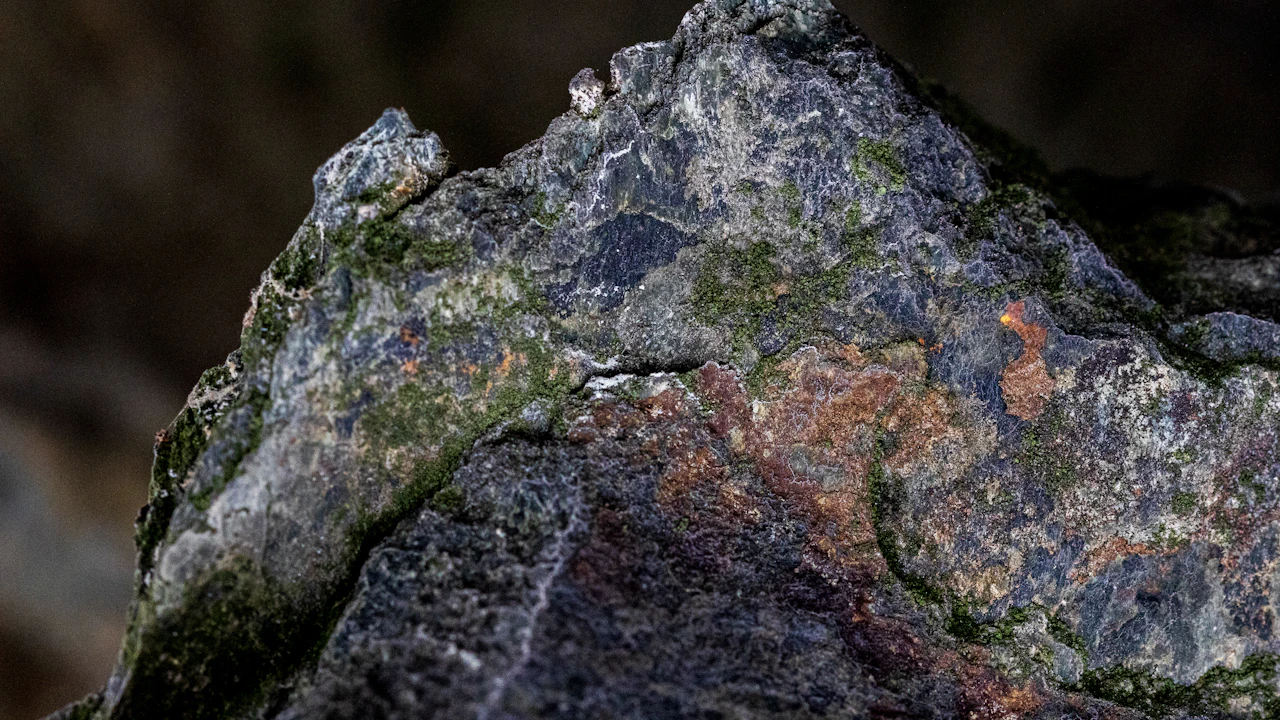
By day an octopus rests in a den. The reef animal guide says they live where reef formations create caves and dens and usually pick a protected spot as a long-term home. National Geographic describes octopuses building dens from rocks, and some pull a rock across the entrance like a door.
The reef guide notes that an octopus eats the flesh of its prey and discards the shell, so empty shells near a crack can be a clue that someone is home. Look, but do not reach in. A female may be inside with eggs; the reef guide notes she stops eating while she guards them and dies soon after they hatch.
How to watch an octopus without disturbing it
The best octopus encounters happen when the animal forgets you are there. That takes patience and good manners in the water.
- Hover still, with your fins up and away from the reef.
- Keep your hands to yourself; Hol Chan’s rules forbid touching coral, touching or feeding fish, and disturbing any animal on the reef.
- Point your light slightly to one side of the animal, not straight into its eyes.
- Back off if it darkens, inks or retreats, and let it go.
Our reef etiquette guide for divers and snorkelers covers these habits in more detail, and our buoyancy control tips for new divers help you hover instead of sinking onto the coral.
Photographing an octopus
Let the octopus set the pace. Settle a respectful distance away, frame the shot and wait for it to move into the open rather than chasing it. A shot of the arms flowing over coral, or an eye peering from a crack, often tells a better story than a close-up of a frightened animal.
Our underwater photography guide for beginners covers camera settings, lighting and composition. Steady buoyancy matters even more than the camera.
Exploring the reef with Elbert
White Sands Dive Shop is a 5 Star PADI Dive Facility on the beach in San Pedro, owned and operated by Elbert Greer, PADI IDC Staff Instructor. Our guide to scuba diving on Ambergris Caye describes the barrier reef dives we run, and our overview of marine life around Ambergris Caye introduces more reef residents, from the octopus to the queen conch grazing in the seagrass.
One student, Susan, wrote that her dives with Elbert stood out because “you pointed out so many cool things to look at, not to mention the manatee.” Read more in our letters from students Elbert has taught, and see current prices on our Water Sports page of dives and PADI courses.
Caribbean reef octopus: your questions answered
Is the Caribbean reef octopus nocturnal?
Yes. AmbergrisCaye.com’s reef animal guide describes octopuses in Belize as nocturnal, moving around at night to hunt and resting in dens by day.
How does an octopus change color?
National Geographic explains that its skin holds pigment-filled sacs, each wrapped in a small muscle that stretches or squeezes it. Bumps and ridges in the skin also rise or flatten to change texture.
What does the Caribbean reef octopus eat?
The Belize reef guide says octopuses feed on crustaceans and mollusks, including crabs and lobsters, sometimes luring prey by waving an arm tip like a worm.
Will I see an octopus on a night dive?
Nobody can promise it. Octopuses are wild and expert at hiding, but searching slowly around crevices after dark gives you the best chance.
Can I touch an octopus?
No. Hol Chan’s rules forbid touching coral, touching or feeding fish, and disturbing any animal on the reef. Watch from a respectful distance instead.
Questions before your night dive?
Planning a night dive and hoping to meet the reef’s best hider? Email Elbert at elbertgreer@fastmail.fm or phone 011 (501) 226 2405. Tell us your dates and experience, and we will help you plan.