
The reef you dove this morning is a different place after sunset. A night dive on Ambergris Caye shows you corals with their feeding tentacles out, animals that spend the day hidden in crevices, and a narrow beam of color in your light where daylight showed only blue.
This guide is for certified divers staying in San Pedro who are thinking about adding one dive after dark, and for newer divers wondering whether they are ready. It covers what changes on the reef at night, who the dive suits, what to bring, and how to book it with White Sands Dive Shop.
What is a night dive on Ambergris Caye, and can I book one?
Quick answer: Yes. White Sands Dive Shop lists a one-tank night dive among its local dives, with tanks and weights included. A dive light is not included, but you can rent one from us. At night most coral polyps feed and animals such as spiny lobsters leave their dens, so the reef looks and behaves differently.
Why night diving in San Pedro feels like a new reef
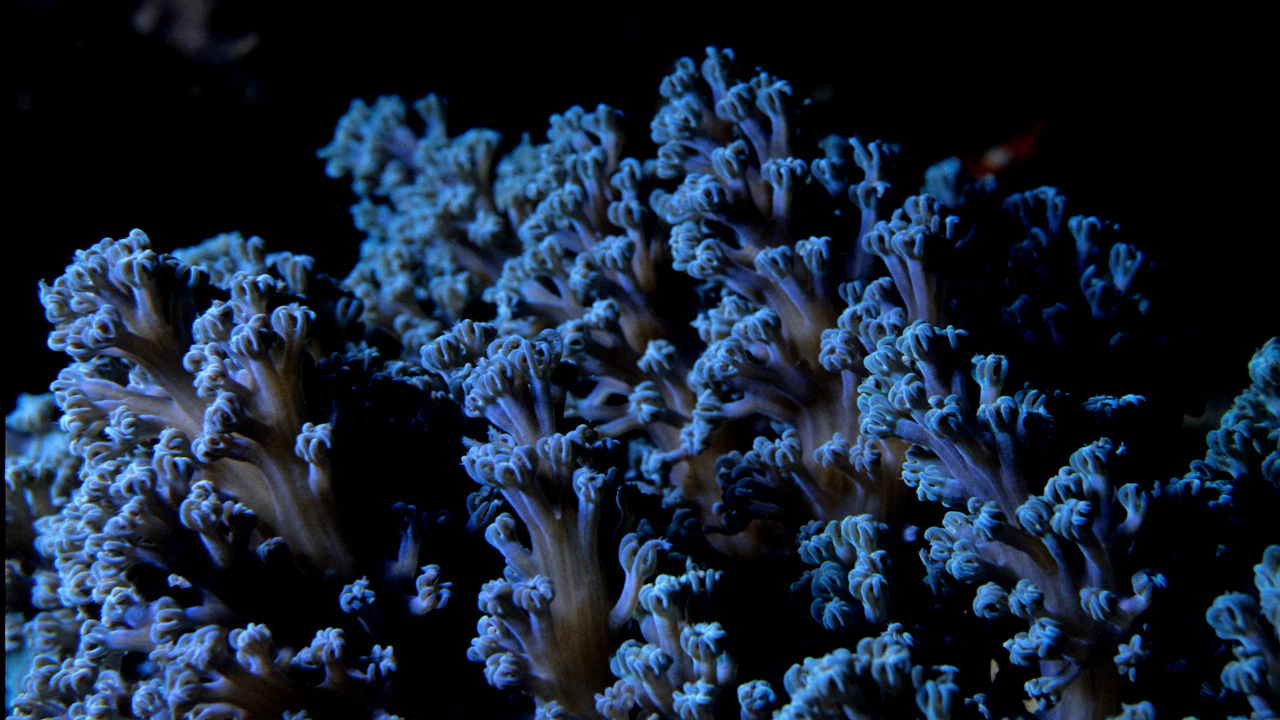
The biggest change is in the coral itself. According to the NOAA National Ocean Service guide to coral anatomy and feeding, most coral polyps feed at night. They use stinging cells called nematocysts on their tentacles to catch prey ranging from tiny zooplankton to small fish.
That means a coral head that looked like smooth stone at noon can look soft and fuzzy in your beam after dark. Shine your light slowly across it and you will see the polyps open. Keep your fins and hands well away, because those tentacles are working.
Animals that come out after dark
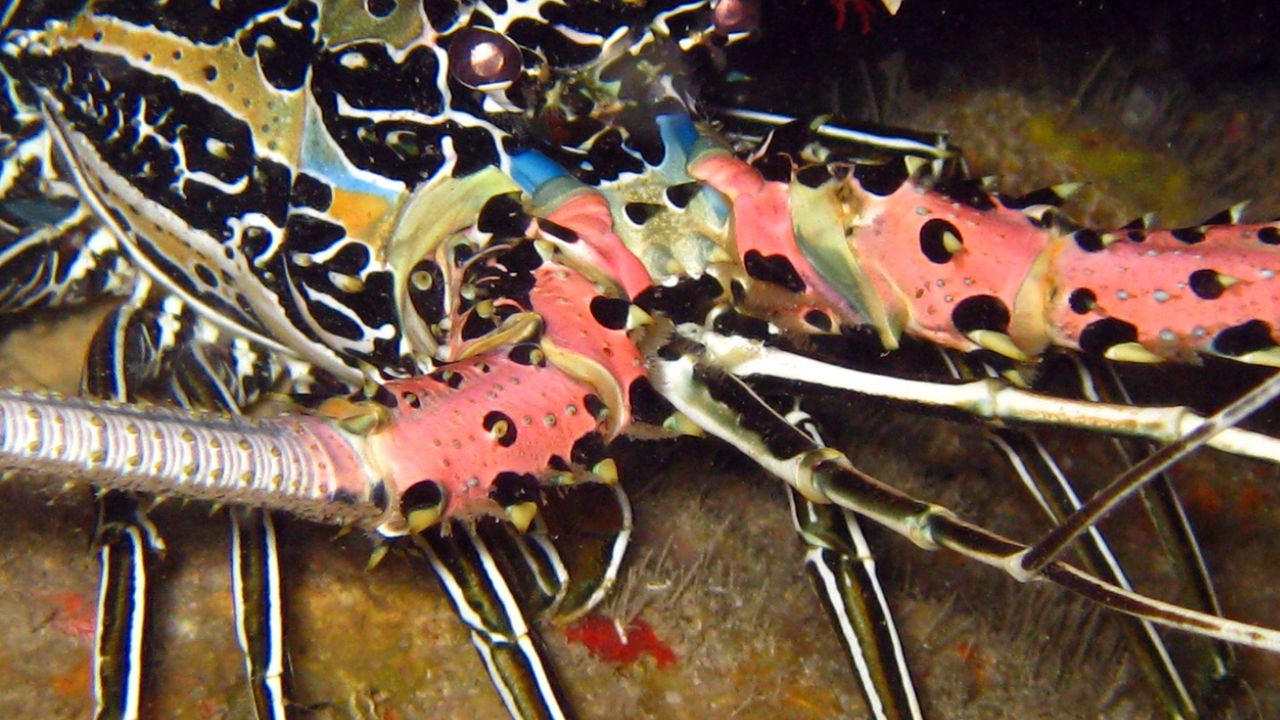
Some reef residents keep the opposite schedule to you. The NOAA Fisheries profile of the Caribbean spiny lobster describes it as nocturnal: it shelters in coral reefs, burrows and dens by day and forages at night. Its range covers the whole Caribbean Sea.
We don’t promise any one animal, because the sea never works to a script. What we can promise is that you will look at the reef in small pieces, one beam at a time, and notice details you swam straight past in daylight.
Day reef dive, night dive or the Advanced course?
There are three ways to see the barrier reef with White Sands Dive Shop, and they suit different divers. This side-by-side view should help you choose, or decide to do all three.
| Question | Morning reef dive | One-tank night dive | Night dive in the Advanced course |
|---|---|---|---|
| When | Scheduled 9:00 departure, pickup at your hotel dock | After dark; ask us for the time | Arranged with your instructor during the course |
| Tanks | One, two or three tanks | One tank | One of five training dives |
| Light | Not needed | Not included; rent one or bring your own | Ask us when you book the course |
| What stands out | Color, visibility, wide views of the reef | Feeding corals and animals that hide by day | The same reef, plus training in night techniques |
| Best for | Every certified diver, every trip | Certified divers who want something new | New divers who want their first night dive with an instructor |
All our dives include tanks and weights. For the current rate of each one, see the dive and course price list on our Water Sports page, or email us and we will confirm it.
Who a night dive suits, and when to train first
A guided night dive suits certified divers who are comfortable with their buoyancy and their gear. If you can hold steady over the reef in daylight without touching it, you have the main skill you need after dark.
- Recently certified divers: the night dive is one of the three required core dives in our PADI Advanced Open Water course on Ambergris Caye, alongside deep and navigation dives, so your first one comes with training.
- Divers who are out of practice: book the scuba refresher course on Ambergris Caye early in your stay and save the night dive for later in the week.
- Divers collecting specialties: Night Diver is one of the specialty ratings that count toward PADI Master Diver, and we teach specialty courses.
Tell us your certification level, your number of logged dives and the date of your last dive when you ask about a night dive. We will tell you honestly whether it is a good fit tonight or better after a day or two of reef diving.

What to bring and how the dive works
The listing on our homepage is plain about one detail: the light is not included. You can rent a dive light from us, along with a BCD, a regulator, a shortie wetsuit and mask, snorkel and fins.
A night dive checklist
- Reserve a rental light when you book, or pack your own with fresh batteries or a full charge.
- Bring your certification card and logbook.
- Pack a warm layer for the boat ride back, since the air cools after sunset.
- Listen closely to the briefing on light signals and how to stay with your guide and buddy.
- Check your gear by light on the boat before you roll in, not after.
In the water, move slowly and keep your beam pointed at the reef, never into another diver’s eyes. Stay close enough to your buddy to see their light at all times. A calm, slow dive shows you far more than a fast one.
Want to plan the rest of your diving around the night dive? Our complete guide to diving Ambergris Caye lays out the morning reef dives and the atoll days, including the Great Blue Hole day trip from San Pedro. Daytime divers who want a shallow reserve dive can read about the Hol Chan Marine Reserve dive and Shark Ray Alley snorkel.
Night diving with Elbert Greer’s dive shop
White Sands Dive Shop is a 5 Star PADI Dive Facility, licensed by the Belize Tourism Board and owned and operated by PADI IDC Staff Instructor Elbert Greer. You can read about his background in our profile of PADI IDC Staff Instructor Elbert Greer.
Safety matters more after dark, and students notice how Elbert handles it. Vivake K. Bhalla wrote that Elbert “was very friendly and fun, but equally very strict about safety.” More notes like that one are collected in our letters from Elbert’s dive students.
Night dive, Ambergris Caye: your questions answered
Is a dive light included with the night dive?
No. Our one-tank night dive is listed with the light not included. You can rent a dive light from us or bring your own.
Do I need Advanced Open Water to night dive?
Tell us your certification level and recent experience and we will advise you. If you would like training for your first night dive, the night dive is one of the three core dives in our Advanced Open Water course.
What will I see on a night dive?
NOAA notes that most coral polyps feed at night, so corals look very different with their tentacles out. Nocturnal animals such as the Caribbean spiny lobster leave their dens to forage after dark.
What is included in the night dive?
All our dives include tanks and weights. Other gear, including the light, BCD, regulator and wetsuit, can be rented.
Where do night dives go?
The night dive is one of our local dives. Ask us when you book and we will tell you which site is planned for your night.
Book your night dive
Email elbertgreer@fastmail.fm or call 011 (501) 226 2405 with your dates, certification level, logged dives and whether you need a rental light. We will confirm the night, the meeting point and the gear you need.