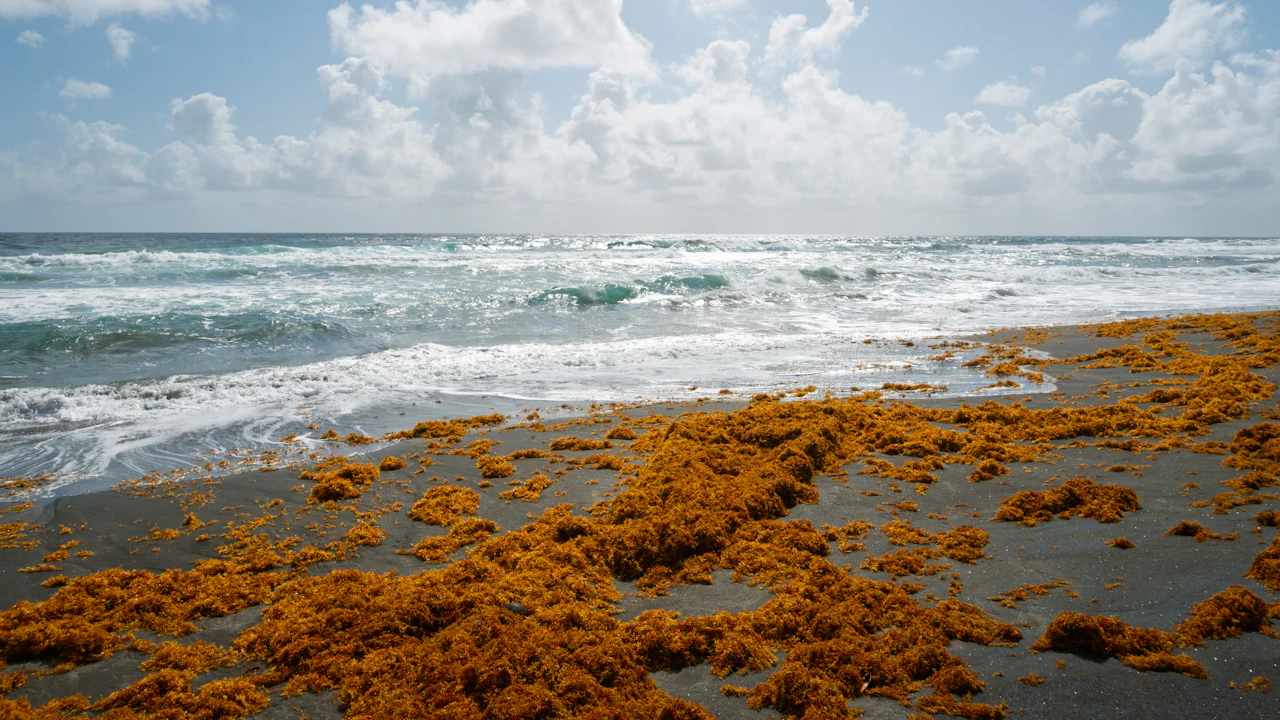
If you have been reading about sargassum seaweed Belize trips before booking, you have probably seen photos of brown seaweed heaped along Caribbean beaches. It is a fair thing to wonder about. You are coming for clear water, and nobody wants to plan a holiday around a smell.
This guide is for divers, snorkelers and beach lovers who want the facts first. We explain what sargassum is, where it comes from and why the Caribbean sees more of it now, all from what the National Oceanic and Atmospheric Administration (NOAA) says. We do not forecast conditions for any month, because nobody can promise what the wind and currents will bring.
What is sargassum seaweed in Belize, and does it ruin diving?
Quick answer: Sargassum is a floating brown algae that drifts on the open ocean and shelters fish and young sea turtles. NOAA says winds and currents carry large amounts of it into the Caribbean, where masses that wash ashore can pile up, rot and release a rotten-egg smell. The problem is mainly at the shoreline, and arrivals vary from week to week.
What is sargassum seaweed?
NOAA describes sargassum as a type of floating brown algae. Unlike most seaweeds, which start life attached to the seafloor, the species that form big rafts drift freely and reproduce on the high seas. NOAA calls them “holopelagic,” a word that simply means they spend their whole life floating.
Out in open water, those rafts are a good thing. NOAA notes that they give food, shelter and breeding grounds to hundreds of marine species. Fish such as gray triggerfish, amberjack and mahi mahi use them, and juvenile sea turtles find food and cover in the mats.
Where the name comes from
The Sargasso Sea, in the western North Atlantic, is named after this seaweed. NOAA’s page on the Sargasso Sea from NOAA’s National Ocean Service explains that it is the only sea with no land boundary. Its edges are set by ocean currents instead of coastlines, and its floating mats serve as nurseries for sea turtles.
Why the Caribbean sees more sargassum now
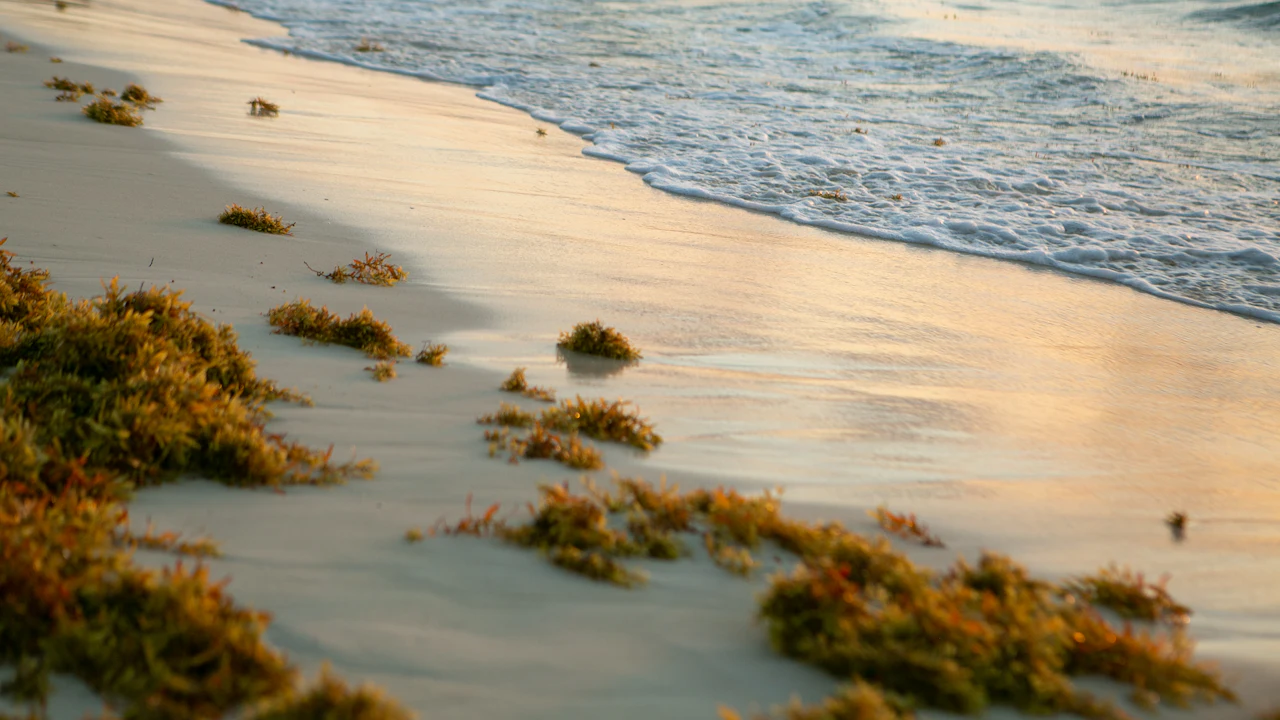
For a long time, most sargassum stayed in the Sargasso Sea. According to NOAA, its range expanded in 2011, when a new population driven by shifting wind patterns took hold in the open ocean. That population is often called the Great Atlantic Sargassum Belt.
NOAA explains that ocean currents carry large amounts of this sargassum west into the Caribbean, the Gulf and the tropical South Atlantic. When winds and currents push big masses toward land, they wash ashore in what NOAA calls inundation events. So the Caribbean’s seaweed is not coming from the reef itself. It is drifting in from the wider Atlantic.
Sargassum season in the Caribbean
You will see plenty of websites name a “sargassum season.” NOAA’s guidance focuses instead on tracking where mats are now and forecasting where they are likely to land. Since arrivals depend on wind and currents, we would rather point you to those tools than guess at months.
Seaweed on beaches: what it means for you
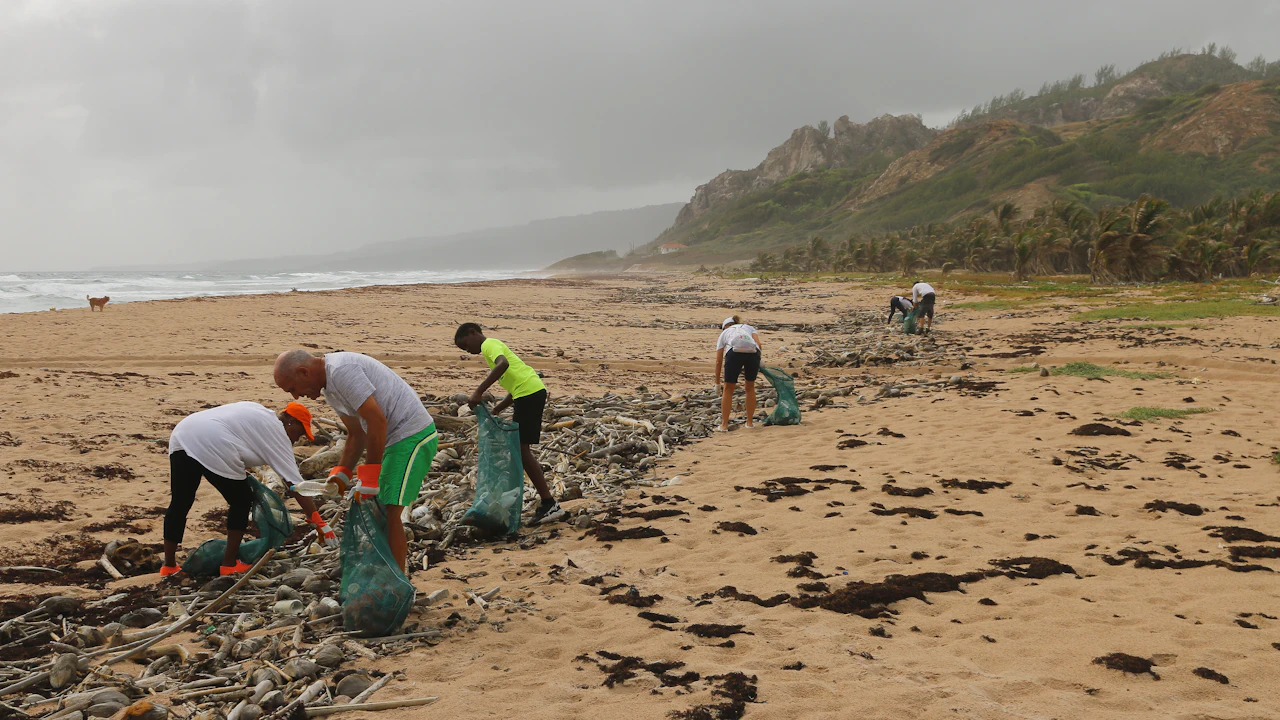
The trouble starts when the seaweed reaches shore. NOAA’s overview of sargassum and its impacts from NOAA’s Ocean Service lists what happens during these events:
- Smell: as sargassum decays on the beach, it releases hydrogen sulfide, a gas with a rotten-egg smell that can irritate your airways.
- Brown water: masses near shore can form brown tides along the coast.
- Contaminants: NOAA says the seaweed can carry arsenic, heavy metals, other contaminants and marine debris.
- Cleanup: removal options are limited and costly, and inundation events can hurt tourism.
The sensible takeaway is simple. Don’t sit or play in rotting piles, and if the smell bothers your breathing, move away from it. Anyone with asthma or another breathing condition should ask their doctor for advice before travel.
| Where the sargassum is | What NOAA says | What it means for a visitor |
|---|---|---|
| Open ocean | Floating rafts feed and shelter hundreds of species, including juvenile sea turtles | Healthy habitat, not a problem |
| Drifting toward the coast | Winds and currents push masses toward shore | Arrivals vary with weather, so check forecasts |
| Nearshore water | Masses can form brown tides | Murky water close to the beach |
| Piled on the beach | Decay releases hydrogen sulfide, a rotten-egg smelling gas | Odor and possible breathing irritation, so keep your distance |
| On or near coral | Brown tides can smother coral reefs and other marine life | A concern for the reef’s health, worth protecting |
Sargassum and the reef: does it affect diving?
NOAA warns that brown tides can smother coral reefs and other plants and animals. That is a real concern for the health of any reef, and one more reason the Belize Barrier Reef Reserve System and its protected areas matter so much.
For a diver, the question is narrower: does seaweed at the beach change the dive? Our homepage describes our dives as boat trips to the barrier reef, with pickup at the dock of your hotel. NOAA’s description of brown tides is about water near shore, and we can’t promise anything about a given day out on the reef, so ask us about current conditions when you book.
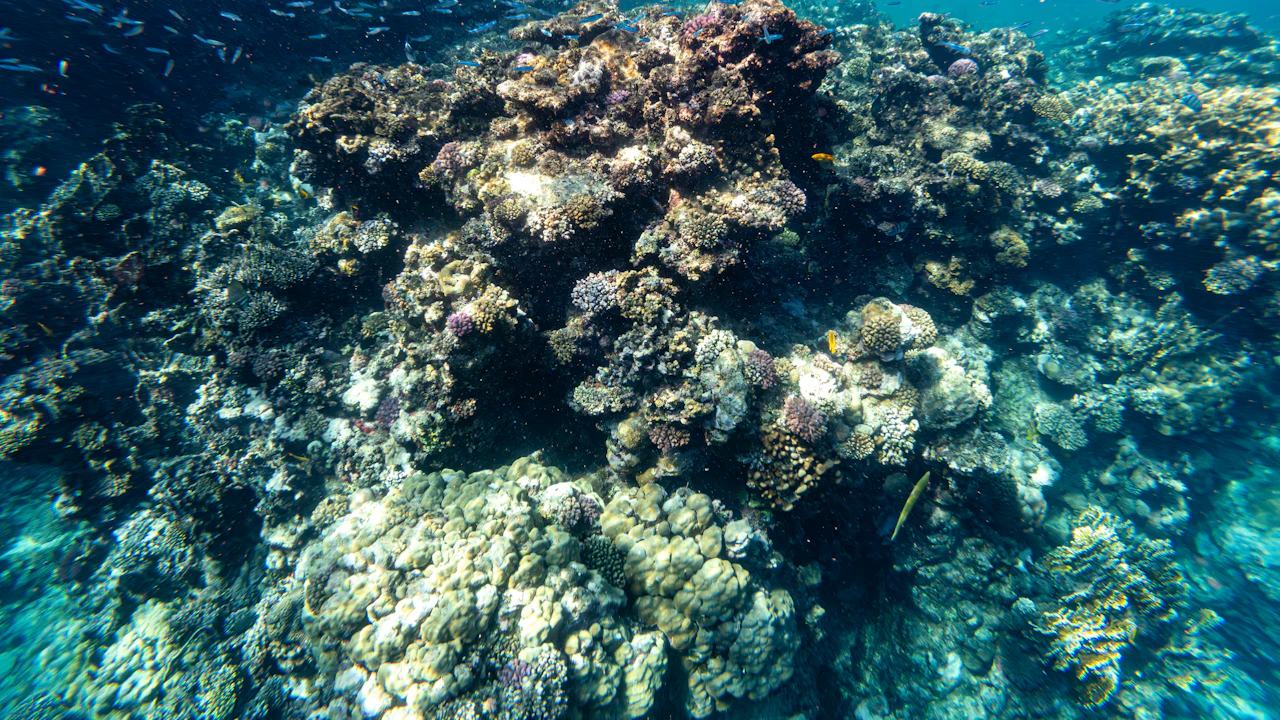
Animals you might meet near floating mats
Because drifting rafts shelter fish and young turtles, they are part of the open-ocean food web. Out on the reef, though, the animals that grab divers’ attention are the residents. If sharks are on your list, read our guide to Caribbean reef sharks and how to behave around them.
Planning a trip around sargassum
You can’t book around seaweed months in advance, but you can plan smart. NOAA, with the University of South Florida, uses satellites to map where sargassum is likely to wash ashore across the Caribbean and Central America. It also offers a Sargassum Tracker with short and long-range outlooks.
- Choose your dates for diving first, using our guide to the best time to dive Ambergris Caye.
- Check our notes on hurricane season in Belize and what it means for divers, since weather drives both storms and currents.
- Look at NOAA’s tracking tools in the week before you fly.
- Email Elbert and ask what he is seeing right now.
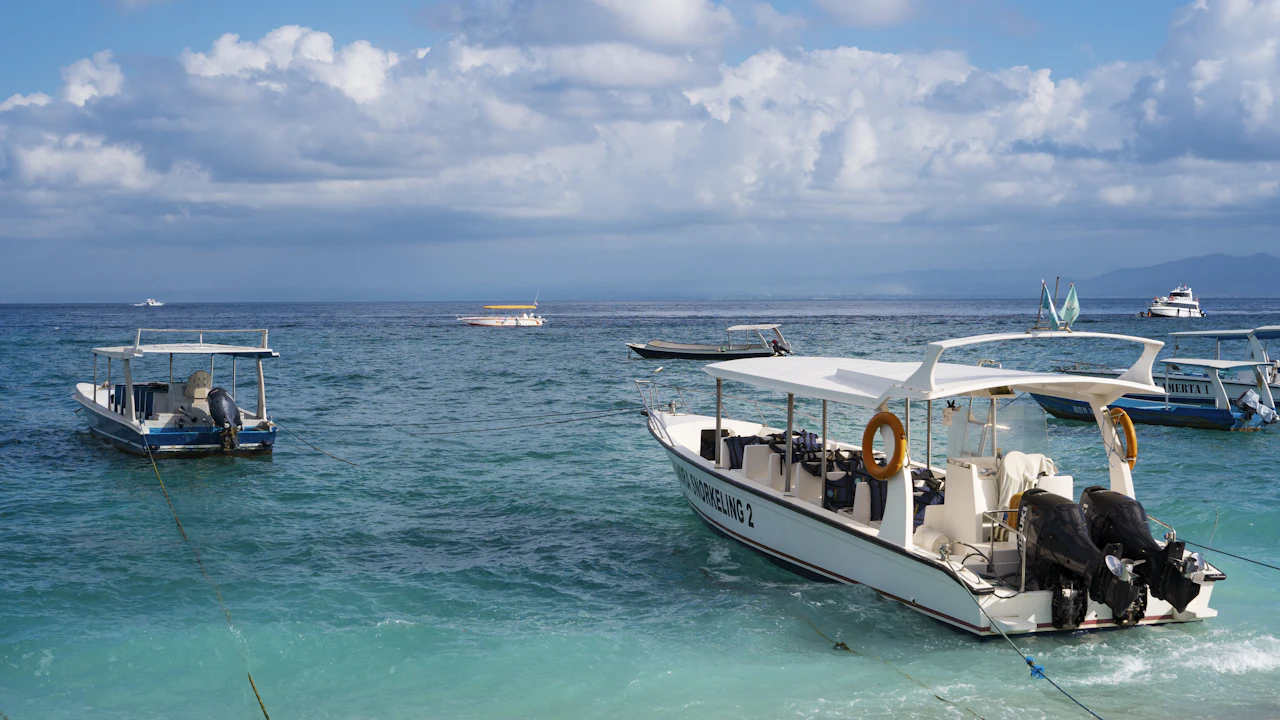
Diving with White Sands Dive Shop
White Sands Dive Shop is a 5 Star PADI Dive Facility on the beach in San Pedro, overlooking what our homepage calls “the largest barrier reef in this hemisphere”. The shop is owned and operated by Elbert Greer, PADI IDC Staff Instructor. Local dive and snorkel trips leave at 9:00.
Vivake K. Bhalla wrote that Elbert was “very friendly and fun, but equally very strict about safety”. Read more in our letters from students Elbert has taught, browse our guide to scuba diving on Ambergris Caye, and find trips and current prices on our Water Sports page of dives and PADI courses.
Sargassum seaweed, Belize: your questions answered
What is sargassum?
NOAA describes sargassum as a floating brown algae. In the open ocean its rafts give food, shelter and breeding grounds to hundreds of marine species, including juvenile sea turtles.
Why is there more sargassum in the Caribbean than before?
NOAA says the range of sargassum expanded in 2011, when a new population driven by shifting wind patterns took hold in the open ocean. Currents now carry large amounts of it west into the Caribbean.
Is sargassum harmful to people?
According to NOAA, sargassum rotting on the beach releases hydrogen sulfide, a gas with a rotten-egg smell that can cause breathing irritation. Keep away from decaying piles and ask your doctor if you have a breathing condition.
Can sargassum harm coral reefs?
Yes. NOAA notes that brown tides formed by sargassum masses can smother coral reefs and other marine life.
Can anyone predict sargassum for my travel dates?
Not months ahead. NOAA offers satellite maps and a Sargassum Tracker with short and long-range outlooks, so check them close to your trip and ask us what we are seeing.
Ask Elbert about conditions before you travel
Wondering what the beaches and the reef look like this week? Email Elbert at elbertgreer@fastmail.fm or phone 011 (501) 226 2405. Tell us your dates and your diving experience, and we will help you plan.