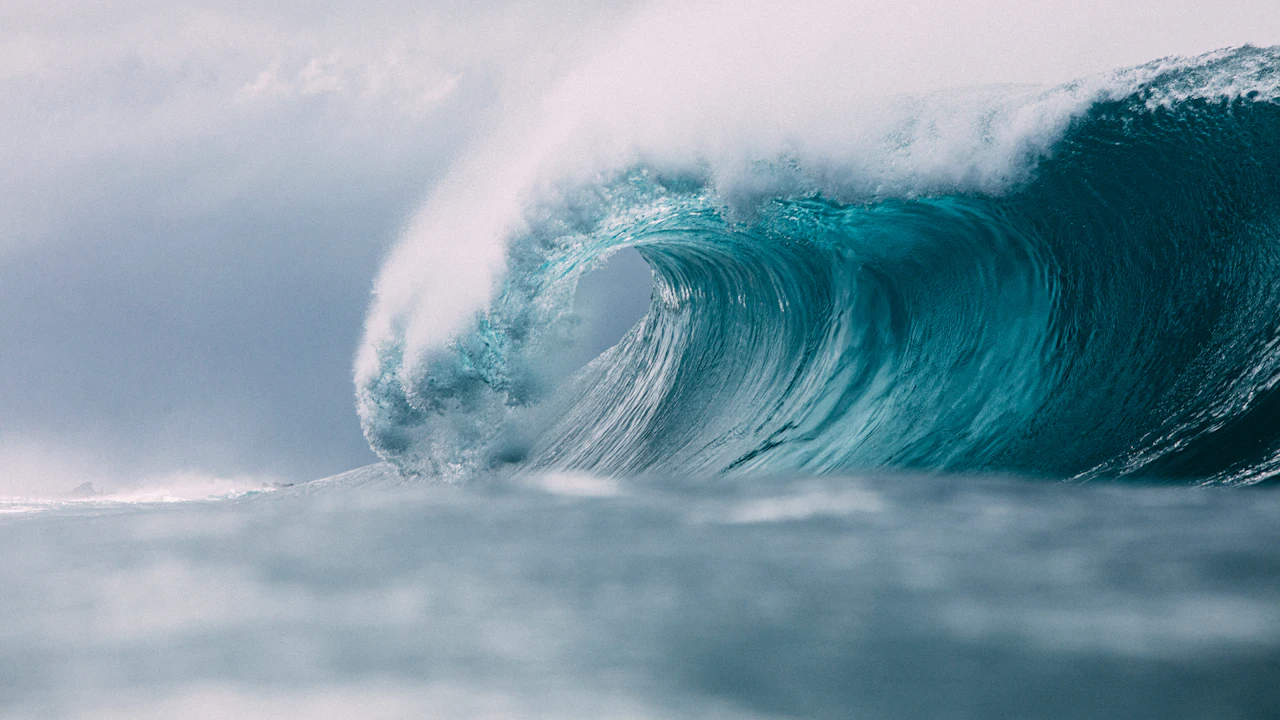
Here are coral reef zones explained the simple way: a walk from the shore out to deep blue water. Every reef changes as you move across it, from calm sandy shallows to a crest of breaking waves and then a slope that drops away. Each band has its own conditions and its own residents.
This guide is for snorkelers and divers who want to understand what a guide means by the crest or the fore reef. We use NOAA’s reef profile and the Coral Reef Alliance, and we show how mangroves and seagrass beds tie in with the reef.
Coral reef zones explained: what are the main parts of a reef?
Quick answer: Moving seaward from shore, NOAA names the reef flat on the sheltered side, the reef crest (or algal ridge) where waves break, and the fore reef, which slopes into deeper water. Barrier reefs and atolls also have a lagoon. Waves, light, depth and sediment decide which corals and animals live in each zone.
Why a coral reef has zones
NOAA explains that fringing reefs, barrier reefs and atolls share similar profiles. The shape of the sea floor, depth, the strength of waves and currents, light, temperature and suspended sediment together create bands of corals, algae and other species, both across the reef and down it.
Those bands vary with the location and type of reef, so no two reefs match exactly. NOAA lists the major divisions common to most reefs, moving seaward from shore, as the reef flat, the reef crest or algal ridge, the buttress zone and the seaward slope.
Light sets the deepest limit. NOAA says most reef-building corals live where light reaches, to about 30 meters (98 feet), because the algae in their tissues need sunlight. Our sibling guide on how coral reefs form from coral polyps explains that partnership.
The lagoon and the reef flat: the back reef
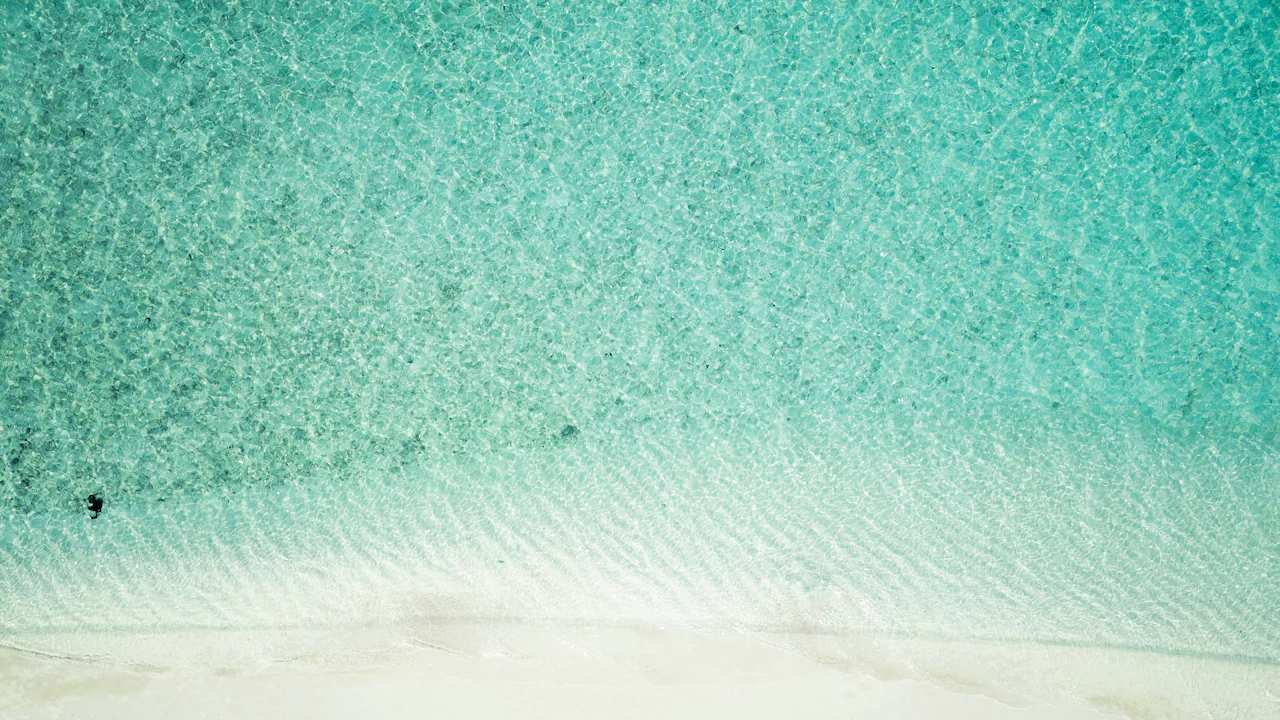
The sheltered side of the reef, facing land, is often called the back reef. What you find there depends on the reef type, as the Coral Reef Alliance explains in its guide to the types of coral reef formations.
- Fringing reefs grow close to the coast, separated from the shore by narrow, shallow lagoons.
- Barrier reefs run parallel to the coast across deeper, wider lagoons. NOAA describes the lagoon as open, often deep water.
- Atolls are rings of coral around a protected central lagoon.
- Patch reefs are small, isolated reefs that usually grow between fringing and barrier reefs and rarely reach the surface.
The reef flat
Just behind the crest lies the reef flat. NOAA describes a bottom of coral rock and loose sand, and says large parts of this zone may be exposed at low tide. It is shallow, sheltered ground rather than a wall of living coral.
The reef crest, where the waves break
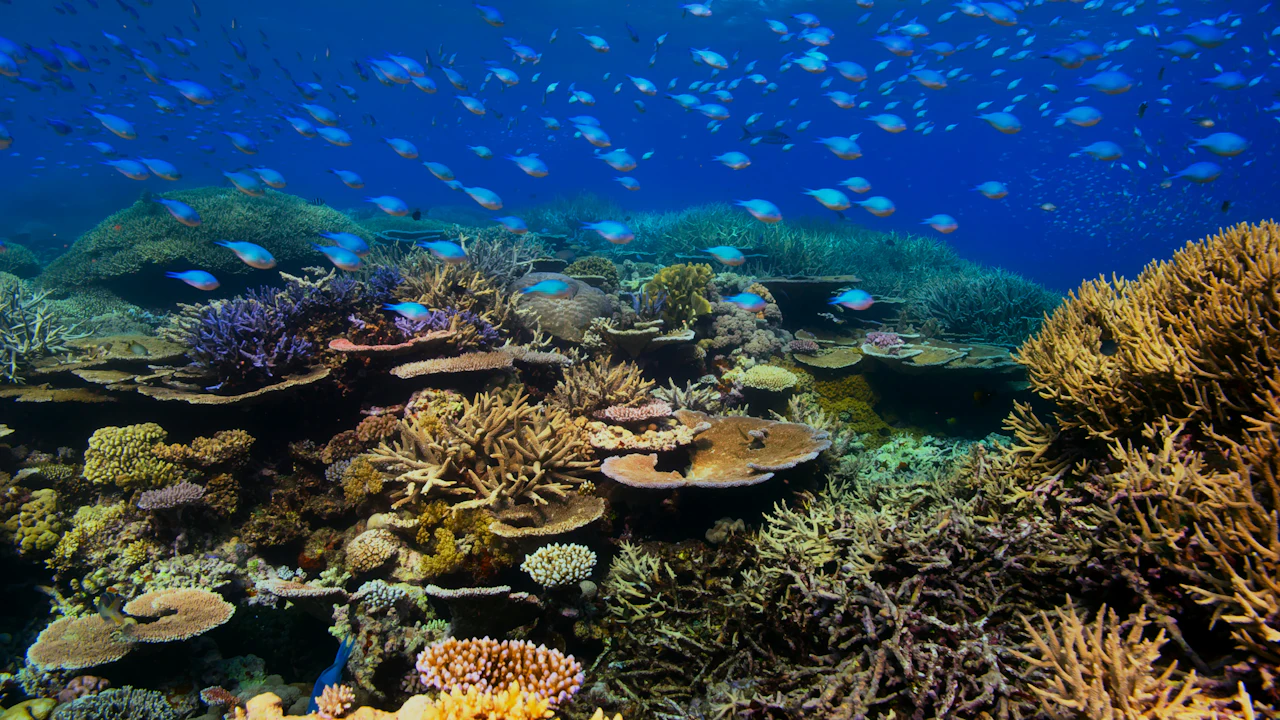
NOAA’s coral reef profile diagram and zone descriptions call the reef crest, or algal ridge, the highest point of the reef. It is almost always exposed at low tide and takes the full force of incoming waves.
That pounding means living corals are practically nonexistent on the crest itself, according to NOAA. Small crabs, shrimps and other animals live in the cavities underneath, protected from both waves and predators.
On a barrier reef, the Coral Reef Alliance adds, the shallowest points can reach the surface and form a barrier to navigation. That is how the barrier reef gets its name.
The fore reef: buttress zone and seaward slope
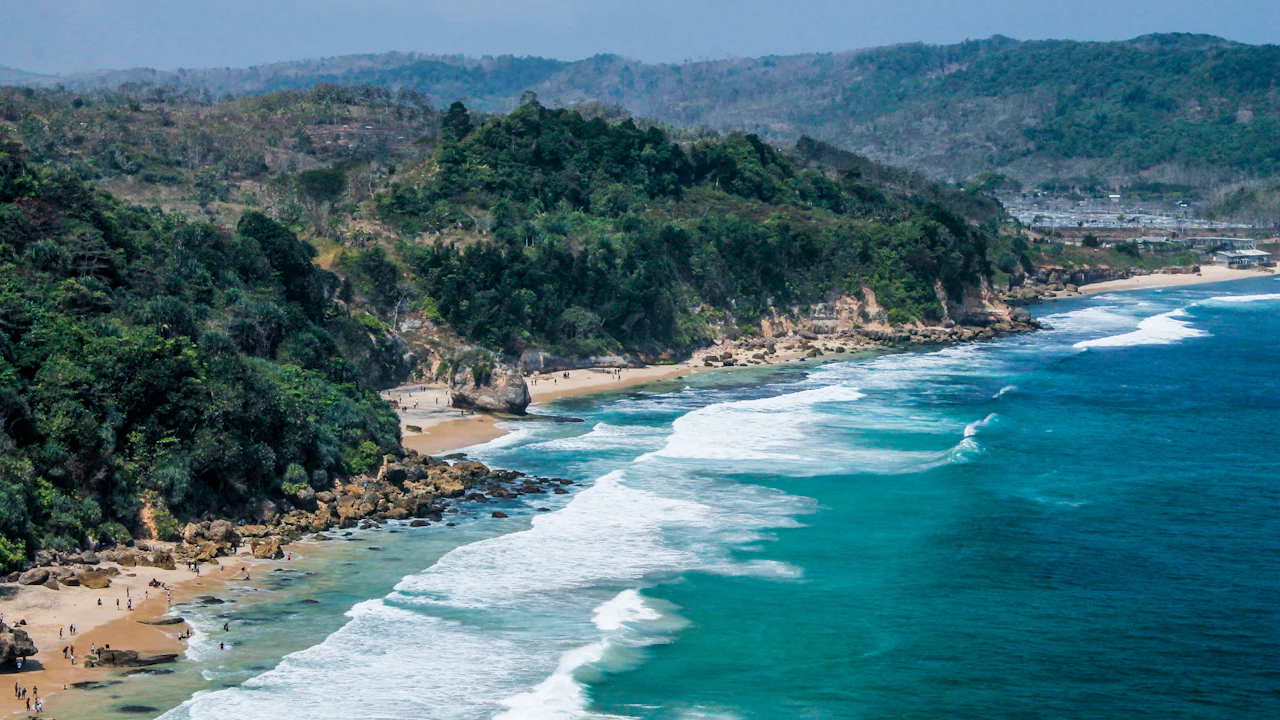
Seaward of the crest, NOAA describes the fore reef, or reef front, as a more rugged area that slopes into deeper water. Deep channels can cut into the reef face. The fore reef breaks the force of incoming waves, stabilizes the reef and drains debris and sediment off into deeper water.
Here life changes with depth. NOAA says that while light fades, calmer water lets a greater number of coral species develop. Deeper down, sponges, sea whips, sea fans and non-reef-building corals become abundant and gradually replace the stony corals, and the drop-off can extend hundreds of feet.
Our guides to sea fans and soft corals and sea sponges on coral reefs introduce the animals that take over on the deeper slope.
| Zone | Position | Conditions | Life NOAA describes |
|---|---|---|---|
| Reef flat (back reef side) | Sheltered side, behind the crest | Coral rock and loose sand; large parts exposed at low tide | A shallow, sheltered bottom |
| Reef crest (algal ridge) | Highest point of the reef | Almost always exposed at low tide; full force of the waves | Living corals practically nonexistent; crabs and shrimps in cavities below |
| Upper fore reef | Seaward of the crest | Rugged, with channels; less wave action | A greater number of coral species |
| Deep slope | Down the drop-off | Fading light; can extend hundreds of feet | Sponges, sea whips, sea fans and non-reef-building corals |
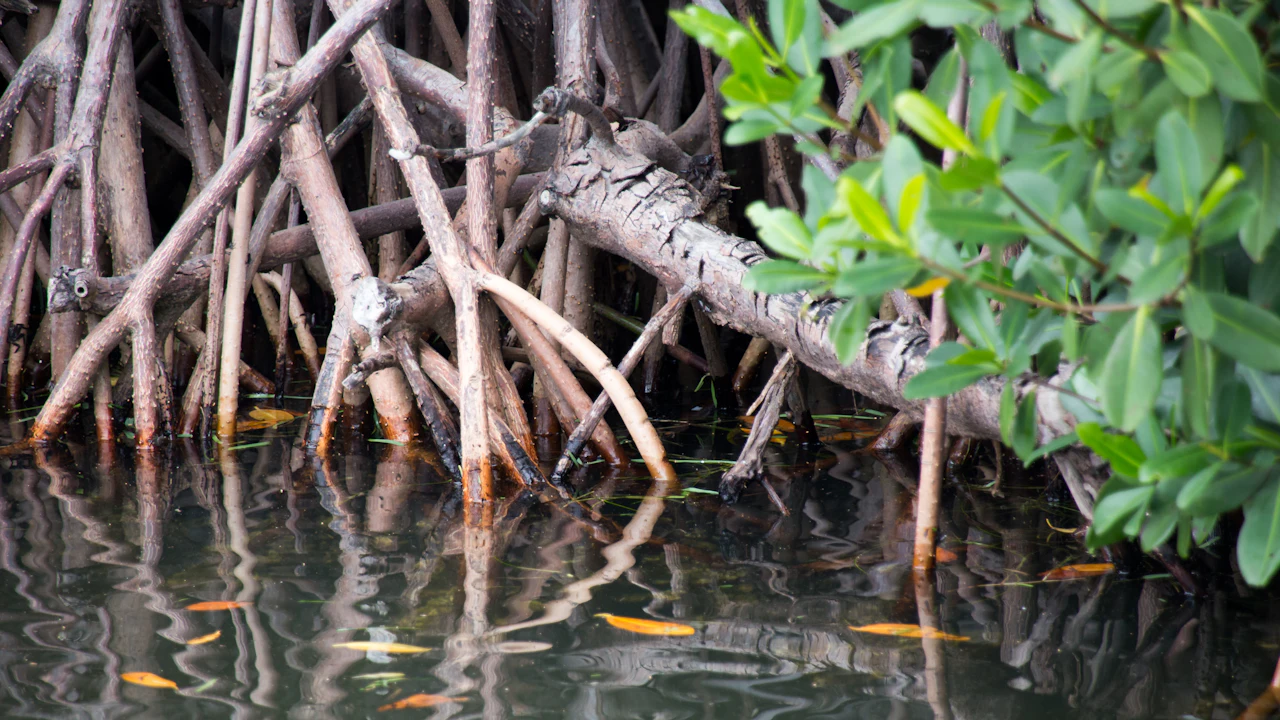
How mangroves and seagrass link to the reef
A reef does not stop at the lagoon. UNESCO, as summarized in our guide to the Belize Barrier Reef Reserve System World Heritage site, describes an unbroken chain from littoral forest, wetlands and mangroves through seagrass beds and lagoon reefs to the outer barrier reef and the atolls. That chain supports spawning, nesting, feeding and nursery grounds.
Mangroves: shelter and cleaner water
NOAA says the still, sheltered water among mangrove roots gives breeding, feeding and nursery areas to snapper, tarpon, crabs, shrimp and other species. The roots also slow tidal water, so sediment settles out. Our guide to mangrove forests in Belize goes deeper.
Seagrass: meadows in the lagoon
Seagrasses are rooted flowering plants, and NOAA calls them critical habitat, refuge and feeding areas for many animals. Their canopy calms waves and traps fine sediment. Our guide to seagrass beds in Belize covers the turtles, manatees and rays that use them.
Trapped sediment matters to coral. The Coral Reef Alliance warns that cloudy water or sediment covering corals keeps sunlight from the algae that feed them.

Seeing the zones on the Belize reef
Our shop on the beach in San Pedro overlooks the largest barrier reef in this hemisphere. UNESCO notes patch, fringing and pinnacle reefs, the barrier reef and off-shelf atolls along it within a small area. Our guide to diving Ambergris Caye covers our daily trips, which leave at 9:00 with pickup at your hotel dock.
Whatever the zone, keep fins and hands off the coral. Our guide to reef etiquette for divers and snorkelers explains how.
Explore the reef with Elbert
White Sands Dive Shop is a 5 Star PADI Dive Facility, owned and operated by PADI IDC Staff Instructor Elbert Greer. See our course list and current prices on the Water Sports page.
One student, Susan, wrote that her first dives were special because Elbert “pointed out so many cool things to look at, not to mention the manatee.” Read more letters from Elbert’s dive students.
Coral reef zones explained: your questions answered
What are the main zones of a coral reef?
Moving seaward from shore, NOAA names the reef flat, the reef crest or algal ridge, the buttress zone and the seaward slope. Barrier reefs and atolls also have a lagoon.
What is the difference between the back reef and the fore reef?
The back reef is the sheltered, landward side, where NOAA describes the reef flat of coral rock and sand. The fore reef faces the open sea and slopes into deeper water.
Why are there so few corals on the reef crest?
NOAA says the crest takes the full force of incoming waves and is almost always exposed at low tide, so living corals are practically nonexistent there.
Where is the most coral diversity on a reef?
On the fore reef. NOAA says reduced wave action there lets a greater number of coral species develop, before sponges and sea fans take over in deeper water.
How are mangroves and seagrass connected to coral reefs?
NOAA says mangroves give nursery areas to fish and slow tidal water so sediment settles, and seagrass beds shelter animals and trap fine sediment.
Plan your reef days with us
Questions about the reef or your dive plans? Email Elbert at elbertgreer@fastmail.fm or call 011 (501) 226 2405.