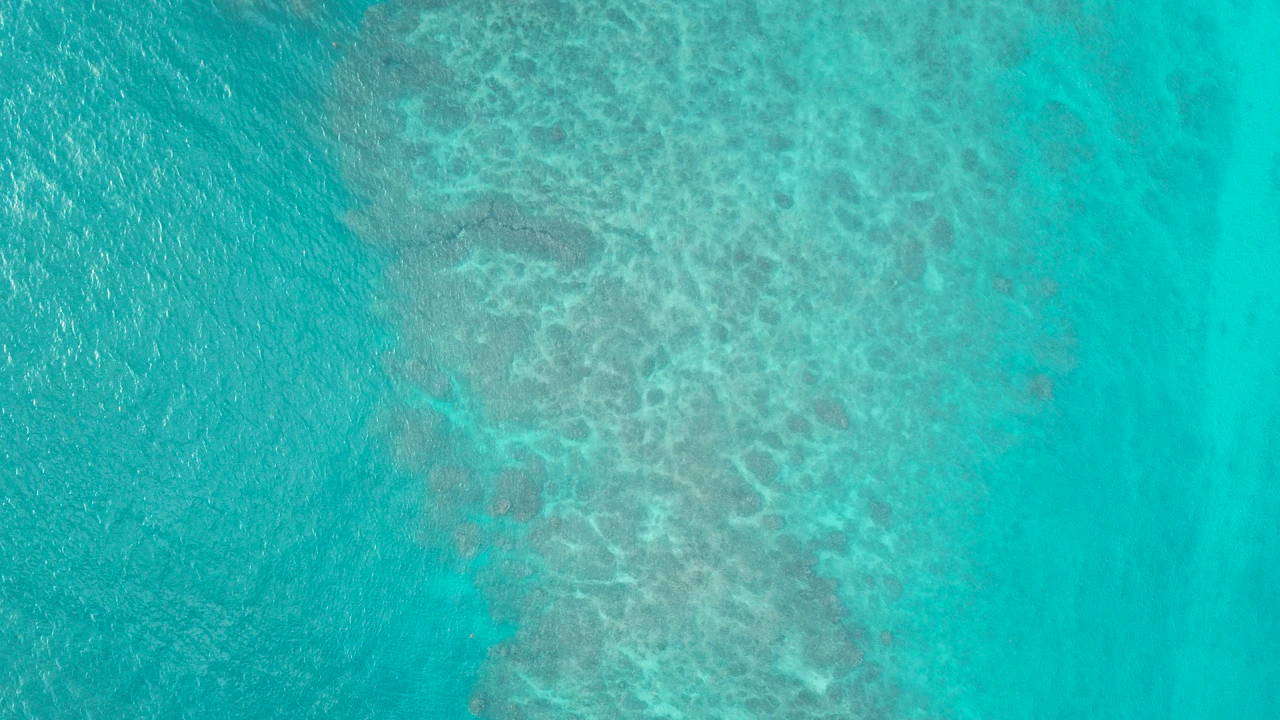
Learning how coral reefs form changes the way you see a dive. That boulder of coral under your fins was laid down, a thin layer at a time, by tiny animals.
This guide is for divers, snorkelers and curious travelers who want the science in plain words. We cover polyps, their algae, growth rates and the main reef types, using NOAA and the Coral Reef Alliance as sources.
How do coral reefs form?
Quick answer: Coral reefs form when free-swimming coral larvae settle on a hard surface and grow into colonies of hard coral polyps. Each polyp secretes a skeleton of calcium carbonate beneath itself, helped by algae living in its tissues. Layer on layer, over thousands of years, those skeletons build fringing reefs, barrier reefs and atolls.
Coral polyps: the tiny animals that build a reef
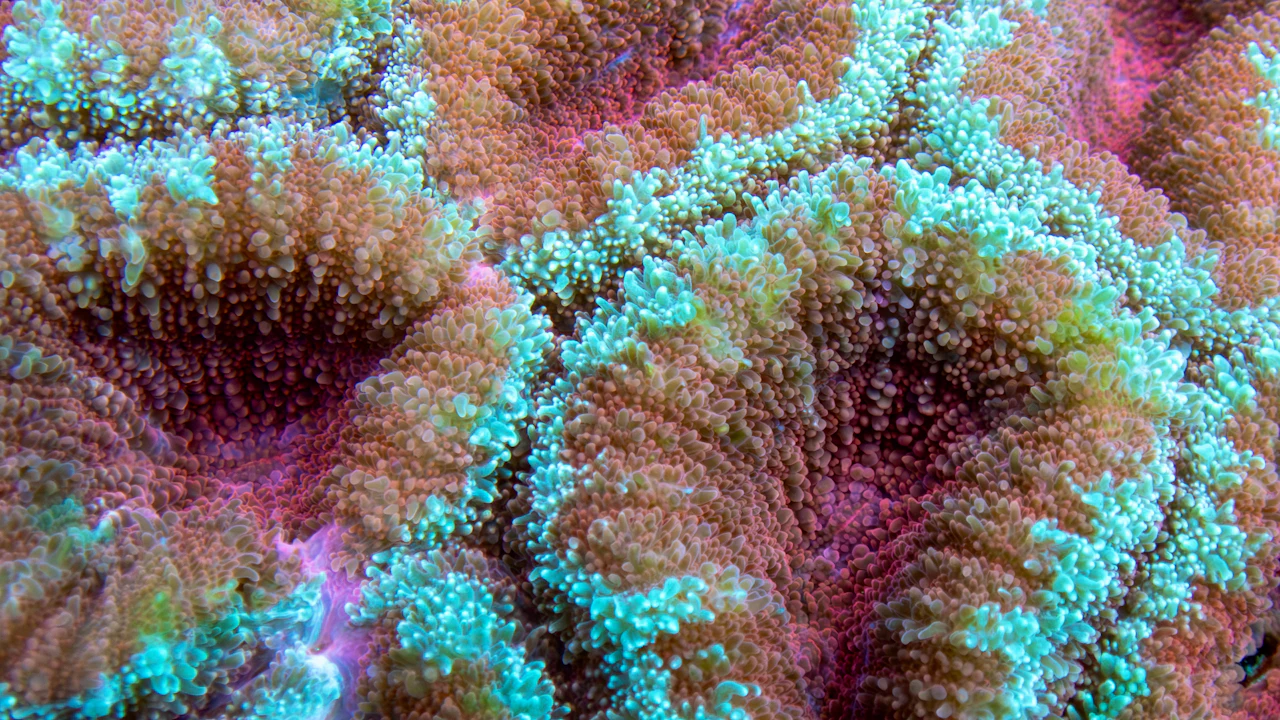
NOAA’s introduction to corals explains that a coral is usually made up of individual animals called polyps. Each polyp has a stomach with a single opening, the mouth, ringed by tentacles. The tentacles defend it, catch food and clear debris.
Most coral polyps feed at night. They catch prey with stinging cells called nematocysts, the same kind of cell a jellyfish uses.
Hard corals build reefs, soft corals do not
NOAA is clear that hard, or stony, corals are the reef builders. Their polyps average 1 to 3 millimeters across, and colonies hold hundreds to hundreds of thousands of them, cemented together by the calcium carbonate they secrete.
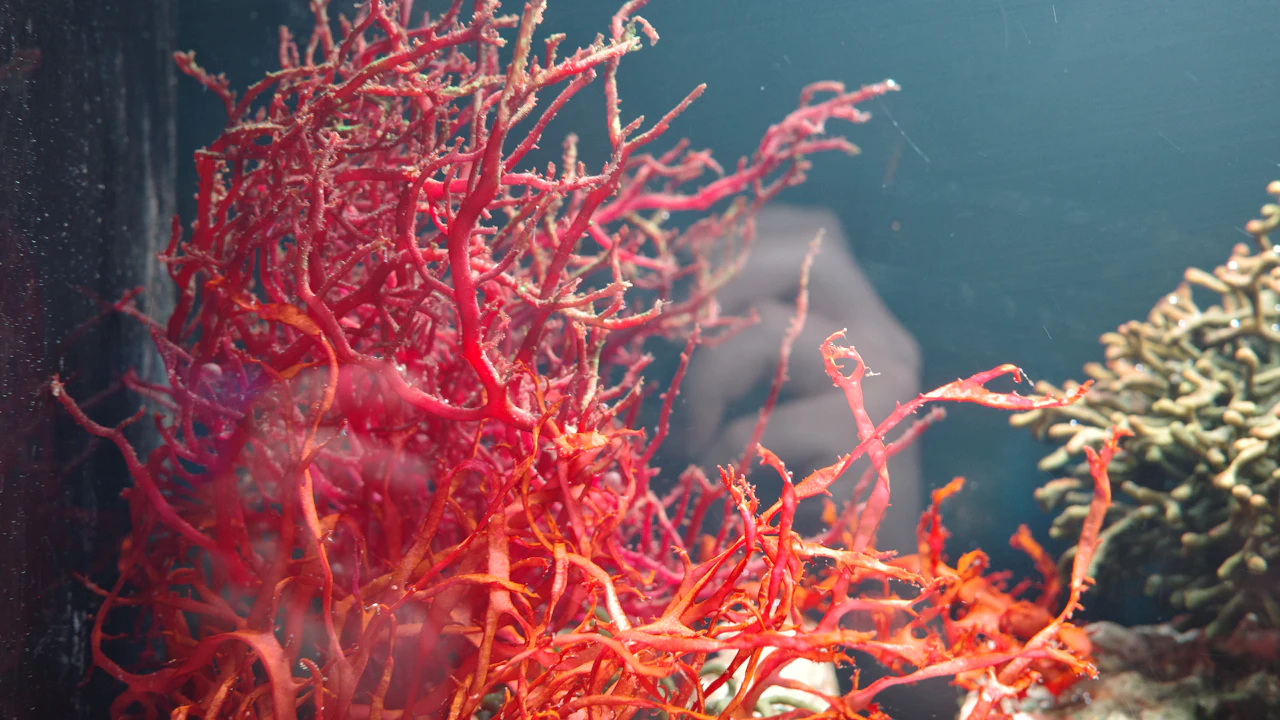
Soft corals such as sea fans and sea whips grow a flexible skeleton instead, so they bend with the current but never form a reef. They still add structure to the reefs they grow on.
Zooxanthellae: the algae that power reef building
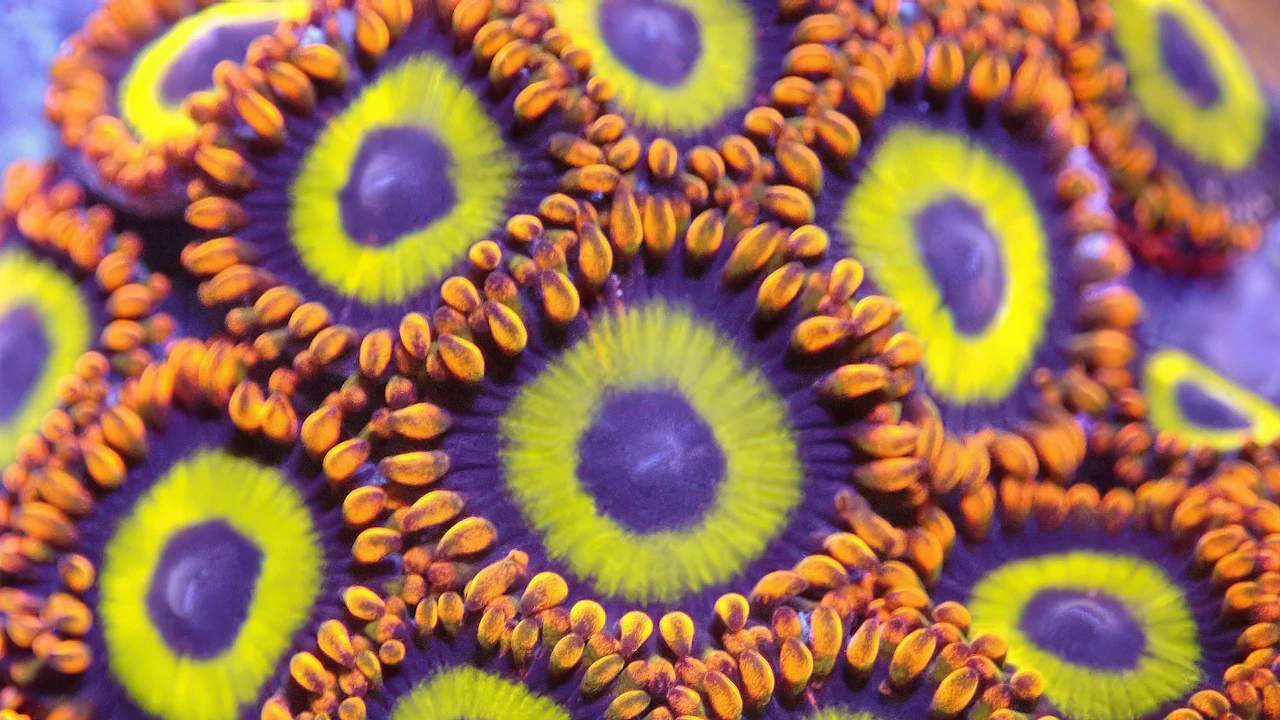
Most reef-building corals carry photosynthetic cells called zooxanthellae in their tissues. NOAA describes a partnership where both sides benefit: the coral gives the algae shelter plus the carbon dioxide and water they need, and the algae turn sunlight into sugars and proteins for the coral.
NOAA says as much as 90 percent of the organic material the algae produce passes to the coral. The coral uses it to make proteins, fats and carbohydrates and to produce calcium carbonate.
Because the algae need light, corals need clear water. When stressed corals expel their algae, they turn white, which is coral bleaching; our guide to coral bleaching on the Belize reef explains what that means for divers.
How coral reefs form, step by step
Put the polyps and the algae together and you get a slow building process, as NOAA and the Coral Reef Alliance describe it.
- Larvae settle. Free-swimming coral larvae attach to submerged rock or another hard surface along the edge of an island or continent. See our guide to coral spawning in Belize.
- A cup forms. The lower part of each polyp secretes a limestone cup, called a calyx, that the polyp sits in.
- The polyp rises. From time to time the polyp lifts off its base and lays a new floor above the old one, so the colony grows upward.
- Others add to the frame. Algae, sponges, sediment and mollusks such as clams add to the structure.
- New corals settle on old ones. Baby corals settle on the old skeletons, so the reef keeps building while local threats stay low.
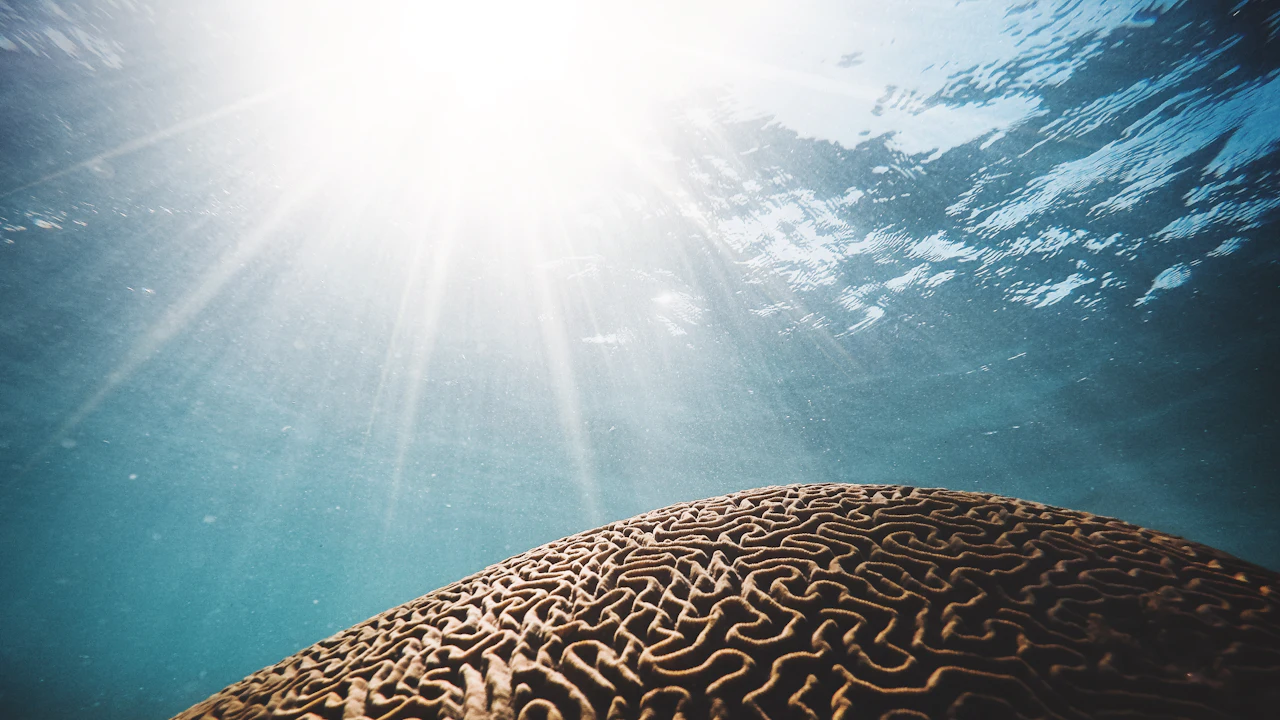
Boulder-like massive corals can be as small as an egg or as large as a house, says NOAA. Our brain coral facts for divers look at one of the best known massive corals.
How fast coral reefs grow
NOAA’s tutorial on how coral reefs are built and the reef types gives growth rates of 0.3 to 2 centimeters a year for massive corals and up to 10 centimeters a year for branching corals. At that pace, it can take up to 10,000 years for a coral reef to form.
NOAA says barrier reefs and atolls can take from 100,000 to 30 million years to fully form, depending on their size. Slow growth is a good reason to keep your fins and hands off the coral.
What reef-building corals need
- Warm water: many shallow corals grow best between 23 and 29 degrees C (73 to 84 degrees F), according to NOAA.
- Salty water: NOAA gives 32 to 42 parts per thousand.
- Light: most reef-building species live where light reaches, to about 30 meters (98 feet), mostly between 35 degrees north and south.
- Clear water: murky water or sediment cuts the light the algae need, says the Coral Reef Alliance.
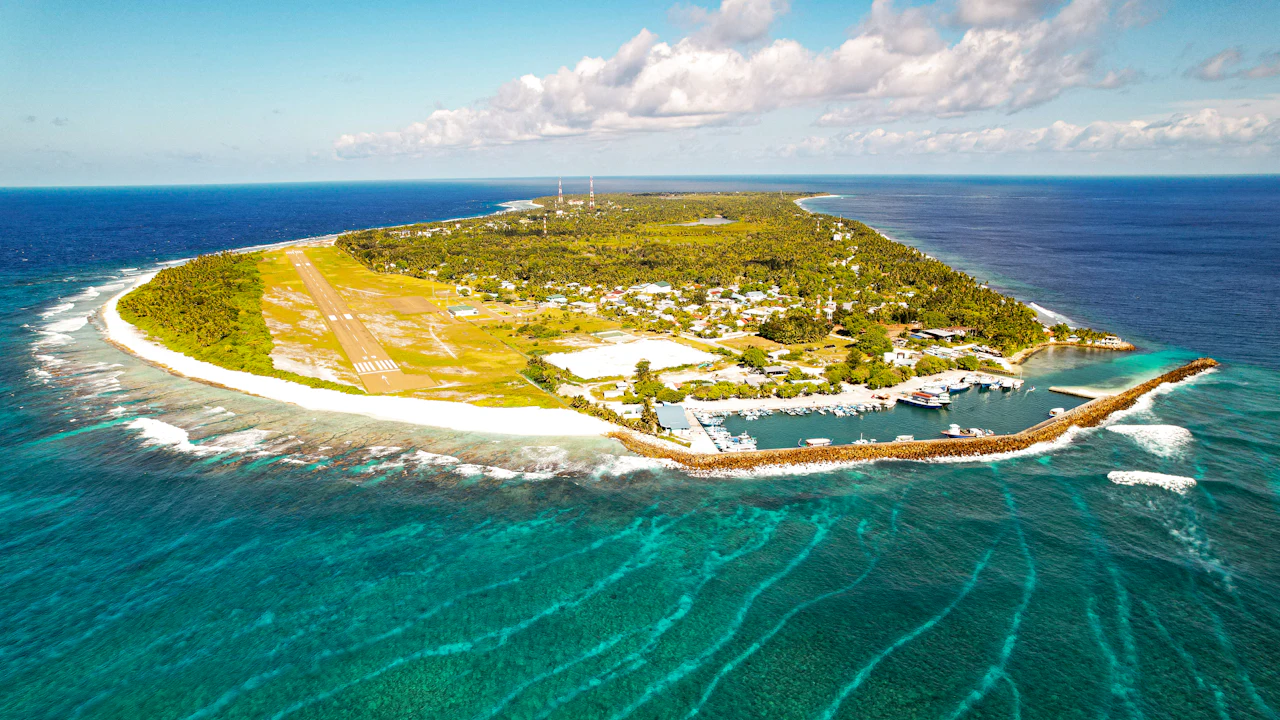
Fringing, barrier and atoll reefs, plus patch reefs
As a reef grows, NOAA says it takes one of three main shapes: fringing, barrier or atoll. The Coral Reef Alliance adds patch reefs as a fourth type that scientists generally recognize.
| Reef type | Where it grows | The lagoon | Worth knowing |
|---|---|---|---|
| Fringing reef | Straight out from the shore of an island or continent | None, or narrow and shallow | The most common reef type |
| Barrier reef | Parallel to the coast, farther out | Wider, open and often deep | Can reach the surface and block navigation |
| Atoll | A ring of reef, usually far out at sea | A central, protected lagoon | Usually circular or oval; parts may emerge as islands |
| Patch reef | Small, isolated reefs on the shelf floor | Usually between fringing and barrier reefs | Vary in size and rarely reach the surface |
From fringing reef to atoll
NOAA describes the classic route. A fringing reef grows around an oceanic island, which can take up to 10,000 years, and keeps expanding over the next 100,000 years if conditions allow. As the island slowly sinks, the fringing reef becomes a barrier reef.
When the island disappears completely below the water, a ring of growing coral is left around an open lagoon: an atoll. NOAA notes that research into how atolls form continues. The Coral Reef Alliance adds that a rising sea level around an island can produce the same result.
The reef types you can see in Belize
UNESCO’s listing, summarized in our guide to the Belize Barrier Reef Reserve System World Heritage site, notes patch, fringing and pinnacle reefs, the barrier reef itself, off-shelf atolls and rare deep water reefs, all in a small area. It also records Charles Darwin calling it “the most remarkable reef in the West Indies.”
Our shop on the beach in San Pedro overlooks the largest barrier reef in this hemisphere, and our guide to diving Ambergris Caye covers the local reef trips. For the atolls, our Great Blue Hole trip to Lighthouse Reef and the Turneffe Atoll dive trip from San Pedro are full days with three dives.
To see how a reef is laid out, read our sibling guide, coral reef zones explained for divers and snorkelers.
See the reef with a PADI instructor
White Sands Dive Shop is a 5 Star PADI Dive Facility, owned and operated by PADI IDC Staff Instructor Elbert Greer. Our course list and current prices on the Water Sports page show every program.
Vivake K. Bhalla wrote that “Elbert Greer was an outstanding instructor with a lot of experience and useful tips.” You can read more in the letters from Elbert’s dive students.
How coral reefs form: your questions answered
Are coral reefs made of rock or animals?
Both. Hard coral polyps are animals that secrete calcium carbonate skeletons, which build up into the rock-like reef, as NOAA explains.
How long does it take for a coral reef to form?
NOAA says it can take up to 10,000 years for a coral reef to form, and 100,000 to 30 million years for large barrier reefs and atolls, depending on size.
How fast does coral grow?
NOAA gives 0.3 to 2 centimeters a year for massive corals and up to 10 centimeters a year for branching corals.
Do soft corals build reefs?
No. Soft corals such as sea fans and sea whips have flexible skeletons and do not form reefs, though they grow on reefs and add to them.
What are the main types of coral reef?
NOAA names three main types: fringing reefs, barrier reefs and atolls. The Coral Reef Alliance adds patch reefs as a fourth.
Questions before your reef trip?
Want to see a barrier reef up close? Email elbertgreer@fastmail.fm or call 011 (501) 226 2405.