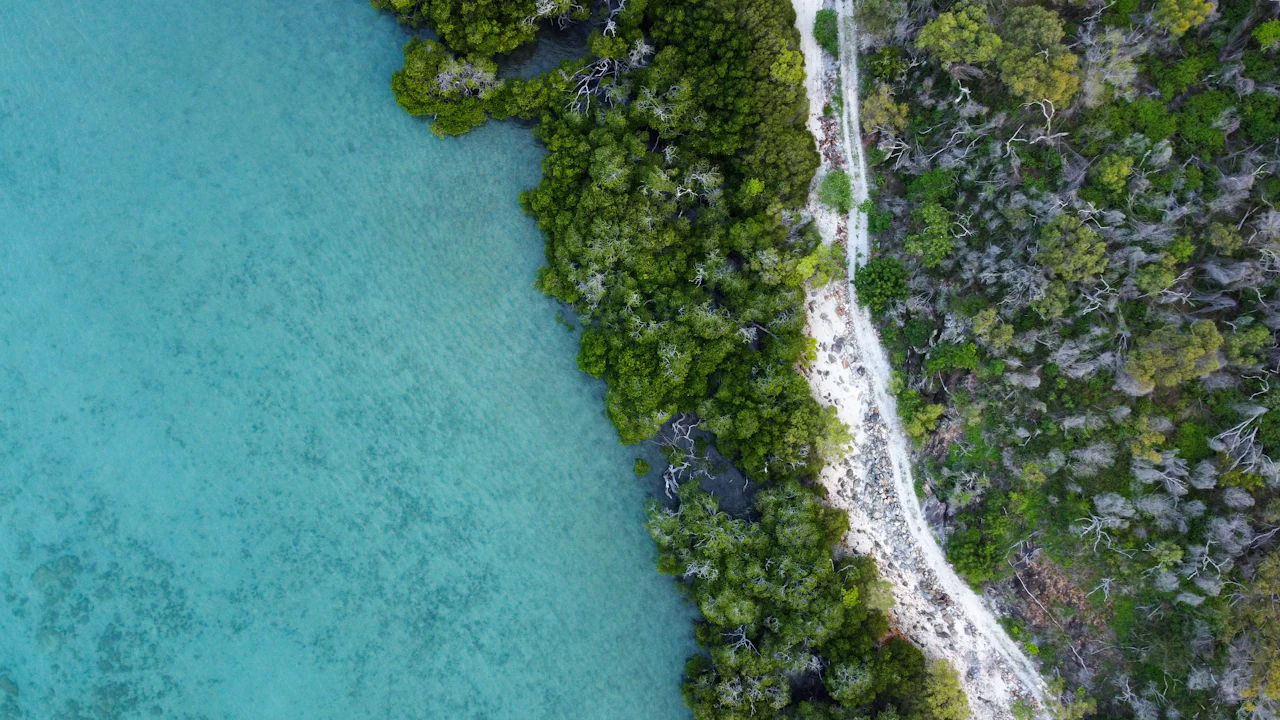
Mangroves are the low, dense forests that grow right at the edge of the sea, with roots reaching into salt water. This guide to mangrove forests Belize visitors ask us about explains what mangroves are, the three kinds you will meet and why they matter so much to the reef you came to dive.
It is written for divers, snorkelers, birders and anyone curious about the coast. We rely on NOAA and UNESCO for the science, and on our own pages for what White Sands Dive Shop offers.
Why do mangrove forests in Belize matter to the reef?
Quick answer: Mangroves are salt-tolerant trees and shrubs that grow where the land meets the sea. NOAA says their tangled roots give fish food and shelter from predators and help protect the shoreline from storms and erosion. UNESCO lists mangrove forests and mangrove cayes as part of the protected Belize Barrier Reef Reserve System.
What a mangrove forest is
NOAA’s page on what a mangrove forest is and why it matters describes mangroves as a group of trees and shrubs that live in the coastal intertidal zone. That is the strip of shore that floods at high tide and drains at low tide. NOAA counts about 80 different species of mangrove tree.
Mangroves grow only in tropical and subtropical regions, because they cannot survive freezing temperatures. They do best where slow-moving water lets fine sediment settle, building up a muddy bottom that is low in oxygen. Most mangroves are flooded by the tide at least twice a day.
How mangroves live in salt water
NOAA’s estuaries tutorial explains two tricks. Some species filter salt out at their roots, and others push salt out through glands on their leaves, which can leave salt crystals on the leaf surface. Many species also send up aerial roots called pneumatophores that take in oxygen the muddy soil cannot supply.
Even the seeds are unusual. NOAA says mangrove seeds start growing while still on the parent tree, and these seedlings, called propagules, drop into the water and float upright until they reach water shallow enough to root.
Red, black and white mangroves compared
NOAA’s estuaries tutorial describes three common mangroves, each in its own zone from the water’s edge inland. Once you know the pattern, you can read a shoreline from the boat.
| Mangrove | Where it grows | How often it floods | What to look for |
|---|---|---|---|
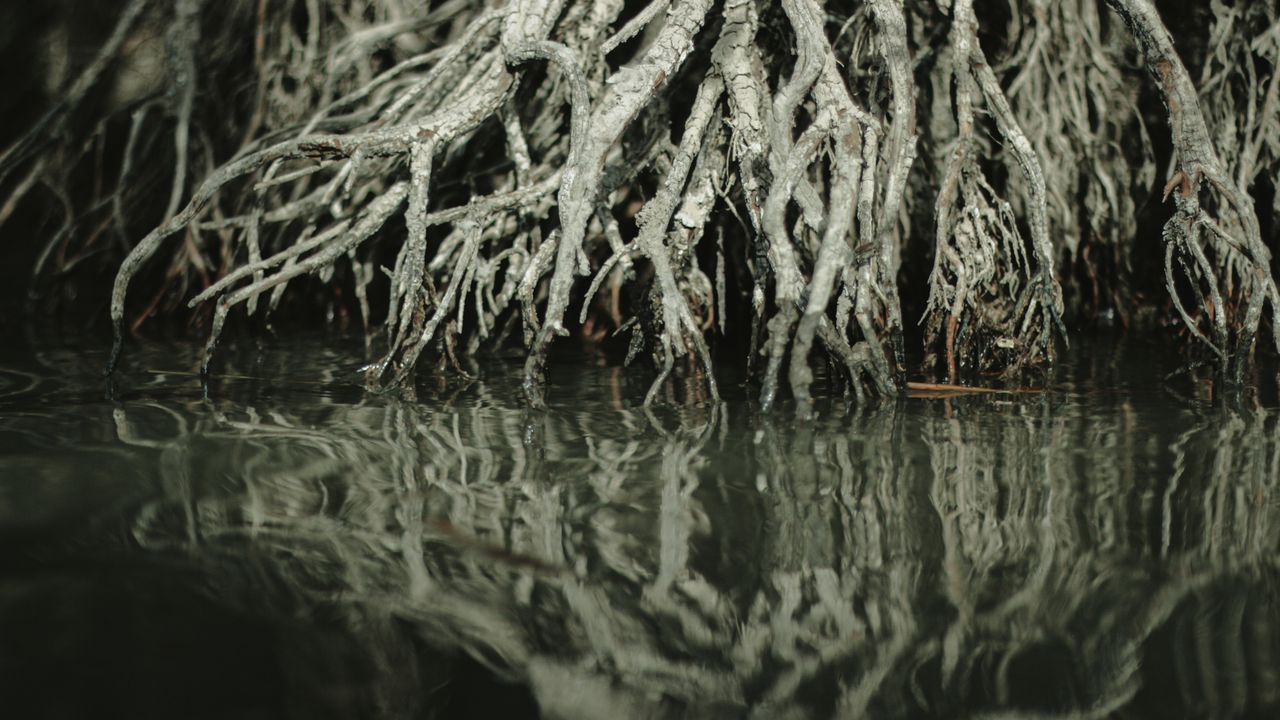
| Red mangrove (Rhizophora mangle) | The seaward edge, facing open water | The most tidal flooding of the three | Arching prop roots that make the tree look as if it stands on stilts |
| Black mangrove (Avicennia germinans) | Further inland, on slightly higher ground | Only shallow flooding at high tide | Aerial roots (pneumatophores) poking up from the mud |
| White mangrove (Laguncularia racemosa) | The highest, most inland part of the forest | Almost never flooded by the tide | Often grows beside buttonwood, a tree that is not a true mangrove |
NOAA links prop roots and pneumatophores to many mangrove species rather than to one, so treat the last column as a field guide, not a rule. The red mangrove’s stilt roots are the ones snorkelers know best, because they reach down into clear water.
Why mangroves matter to the reef
Mangroves, seagrass and coral work as one system. UNESCO describes the Belize coast as a gradient from littoral forest, wetlands and mangroves, through seagrass beds and lagoon reefs, out to the barrier reef and the atolls. Together they support spawning, nesting, feeding and nursery functions across the life of many animals.
A nursery for reef fish
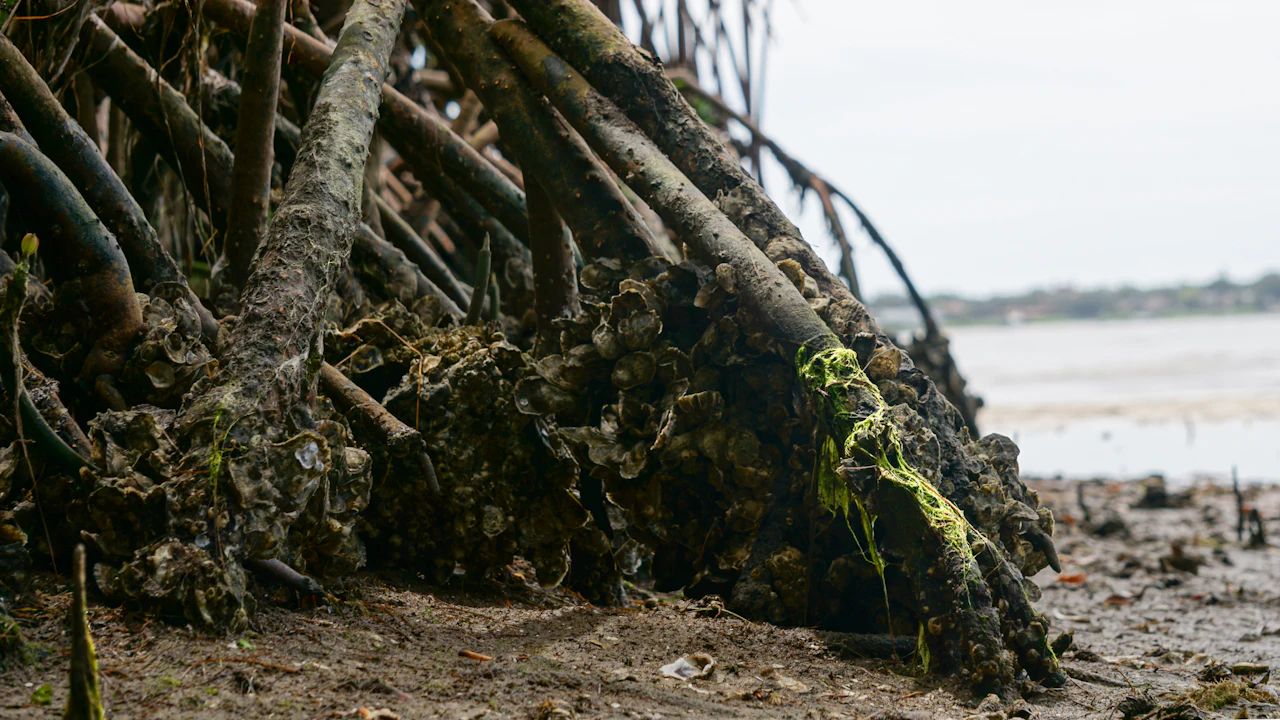
NOAA says the still, sheltered water among mangrove roots gives protected breeding, feeding and nursery areas. It names snapper, tarpon, oysters, crabs and shrimp among the animals that use them. The roots attract fish looking for food and for shelter from predators.
Those names will sound familiar. Our reef and fly fishing trips from Ambergris Caye page lists snapper and barracuda among common reef catches, and tarpon on the flats. If you are curious about the reef’s larger predators, our guide asking are barracuda dangerous to divers and snorkelers is a good next read.
A natural storm barrier
NOAA says mangrove forests stabilize the coastline and reduce erosion from storm surges, currents, waves and tides. The dense roots also slow tidal water, so sediment settles out instead of washing onto the reef. NOAA adds that prop and stilt roots help the trees stand up to waves and storm surge.
Birds of the mangrove forests in Belize
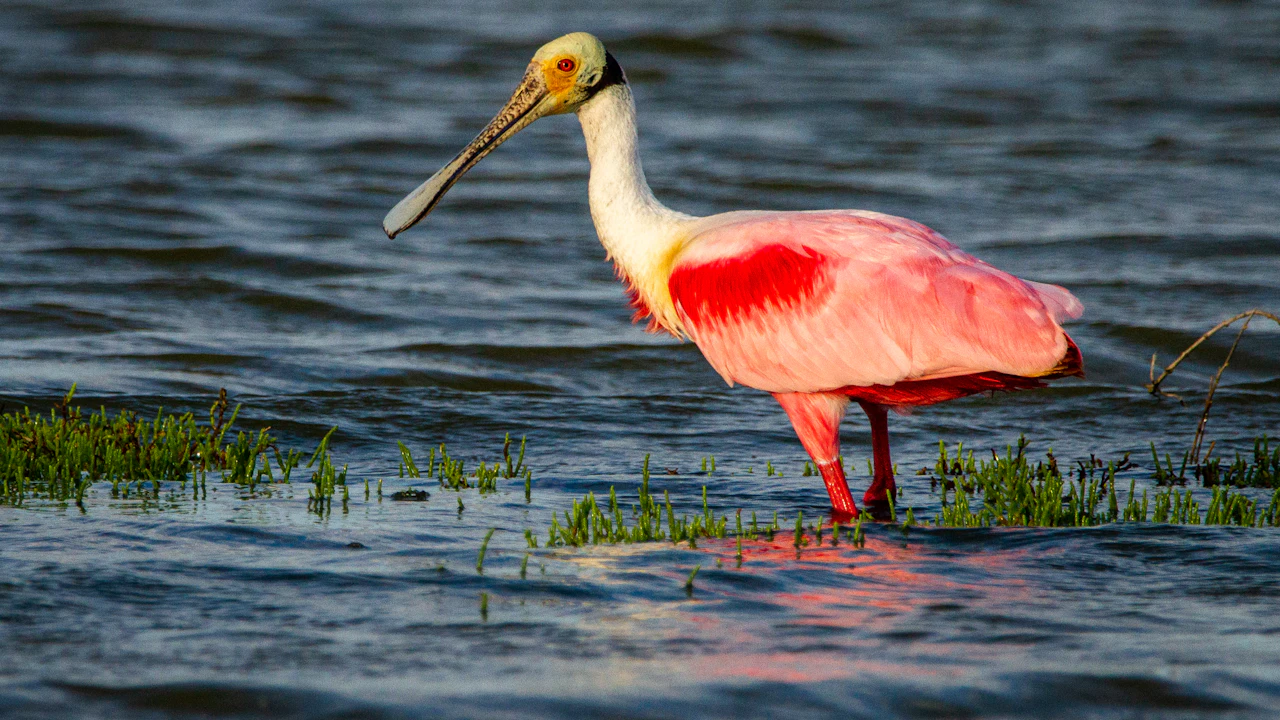
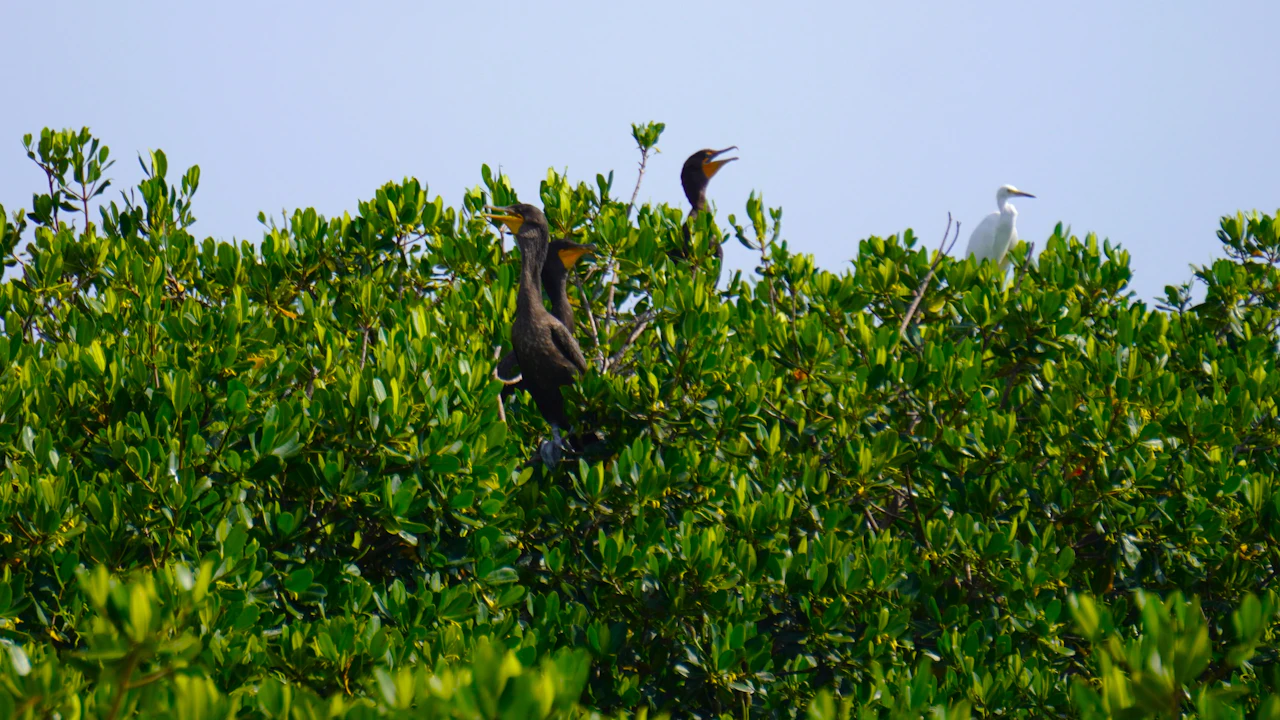
NOAA notes that herons, brown pelicans and spoonbills all nest in the upper branches of mangrove trees. You do not need to dive to enjoy them: a quiet boat ride is enough.
Elbert has written about island birds for years in a newspaper column that is, officially, the work of Bubba, his Labrador. The Birds of Ambergris Caye column by Elbert and Bubba covers the island and its collection of mangrove cayes. It describes Roseate Spoonbills, Tricolored Herons, White Ibis and Reddish Egrets nesting in a colony on two small islands behind Ambergris Caye.
Start with Bubba’s piece on the Roseate Spoonbill of Ambergris Caye or his take on the littoral forest of Ambergris Caye, a coastal habitat that he points out is not mangrove. For a practical overview, read our birdwatching guide to Ambergris Caye.
How mangroves are protected
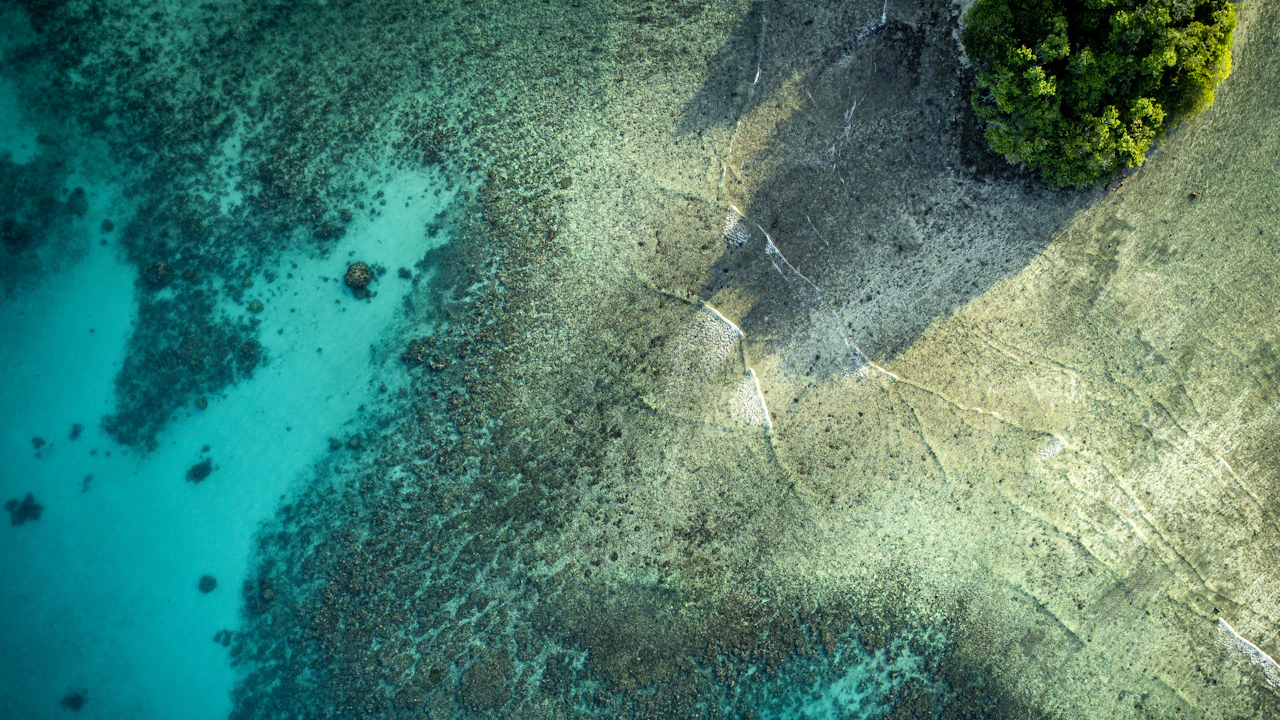
The UNESCO World Heritage listing for the Belize Barrier Reef Reserve System describes a reef complex of about 450 sand and mangrove cayes. It names mangrove forests, coastal lagoons and estuaries as part of the outstanding natural system. Our guide to the Belize Barrier Reef Reserve System World Heritage site explains the listing.
UNESCO also names mangrove clearance and dredging as activities that need coordinated management. It says stronger mangrove regulations will help make resource use more sustainable. To read about another protected area, see our guide to Bacalar Chico Marine Reserve and National Park.
How you can help
- Look, but do not stand on, break or pull at mangrove roots.
- Keep fins up and off the bottom in shallow, silty water.
- Give nesting birds plenty of room and keep voices low.
- Take every scrap of trash home with you.
Exploring the reef with Elbert
White Sands Dive Shop is a 5 Star PADI Dive Facility on the beach in San Pedro, owned and operated by Elbert Greer, PADI IDC Staff Instructor. We offer daily diving, SCUBA instruction and snorkeling, and our overview of scuba diving on Ambergris Caye explains the reef trips.
Minette Layne wrote that Elbert “really calmed me down and set me up for a wonderful couple of weeks of diving and snorkeling.” Read more in our letters from students Elbert has taught, and find trips and current prices on our Water Sports page of dives and PADI courses.
Mangrove forests, Belize: your questions answered
What are the three main types of mangroves?
NOAA describes red mangroves on the seaward edge, black mangroves a little further inland, and white mangroves on the highest ground, where tides almost never reach.
Why are mangroves important to coral reefs?
NOAA says mangrove roots shelter young fish and other animals, slow tidal water so sediment settles, and protect the shore from storms and erosion.
Are mangroves part of the World Heritage site?
Yes. UNESCO describes the Belize Barrier Reef Reserve System as including mangrove forests, coastal lagoons and estuaries, with about 450 sand and mangrove cayes.
What birds nest in mangroves?
NOAA names herons, brown pelicans and spoonbills as birds that nest in the upper branches of mangrove trees.
Do mangroves grow in cold places?
No. NOAA says mangroves grow only in tropical and subtropical regions because they cannot survive freezing temperatures.
Plan your time on the water
Email Elbert at elbertgreer@fastmail.fm or phone 011 (501) 226 2405. Tell us your dates and what you would like to see, and we will help you plan your dives and snorkel trips.