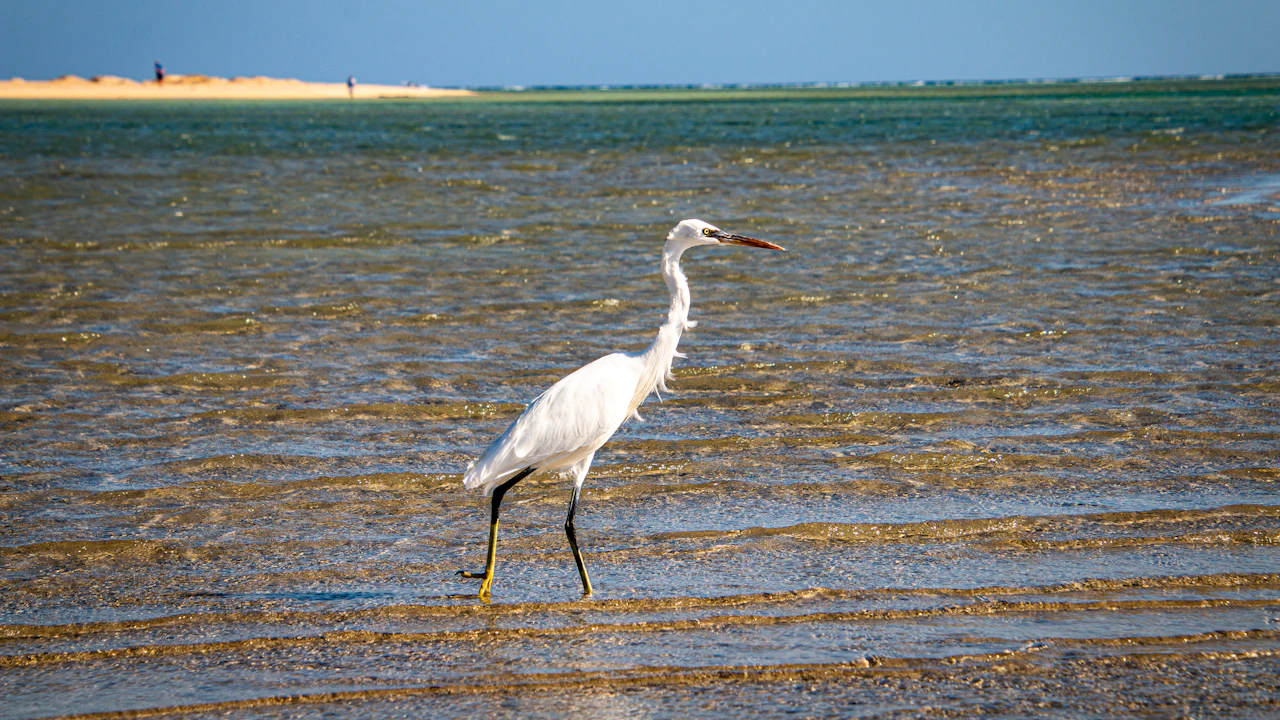
Birdwatching on Ambergris Caye rewards anyone who looks up between dives. The island sits behind the barrier reef, yet Elbert Greer counts around 260 bird species here over a year, a big number for a reef island. That count comes from years of watching, much of it written up in his San Pedro Sun column.
This birdwatching Ambergris Caye guide is for divers with a free afternoon, non-diving partners and keen birders planning a trip. It covers the island’s main habitats, the best times of day and year, the species worth hunting for, and a relaxed way of watching that Elbert’s Labrador, Bubba, would approve of.
Is birdwatching on Ambergris Caye worth it for a visitor?
Quick answer: Yes. Around 260 species use the island across the year, from frigatebirds over the beach to spoonbills and herons in the back lagoons. Go out at dawn, bring binoculars, and visit three habitats: the shoreline, the coastal littoral forest and the mangroves. September brings migrants down the Mississippi Flyway.
Why bird watching in San Pedro, Belize works so well
Variety comes from habitat. The Belize Audubon Society’s birding guide puts the country at almost 600 species, spread across wetlands, broadleaf forest and the small cayes along the coast. Ambergris packs several of those habitats into one long, narrow island, so a short walk or boat ride changes the cast of birds completely.
You don’t need a remote lodge to start. Elbert’s column opens on the idea that birds are always around us, and one of his favorite pieces describes barstool bird watching over the Caribbean, counting frigates circling the fishing boats from a seat at the bar. The full archive lives in the Birds of Ambergris Caye column by Elbert Greer.
Where to watch birds on the island
Think in habitats rather than places. Each holds a different set of birds, and the table sums up what to expect.
| Habitat | Birds the column mentions | How to bird it | Best for |
|---|---|---|---|
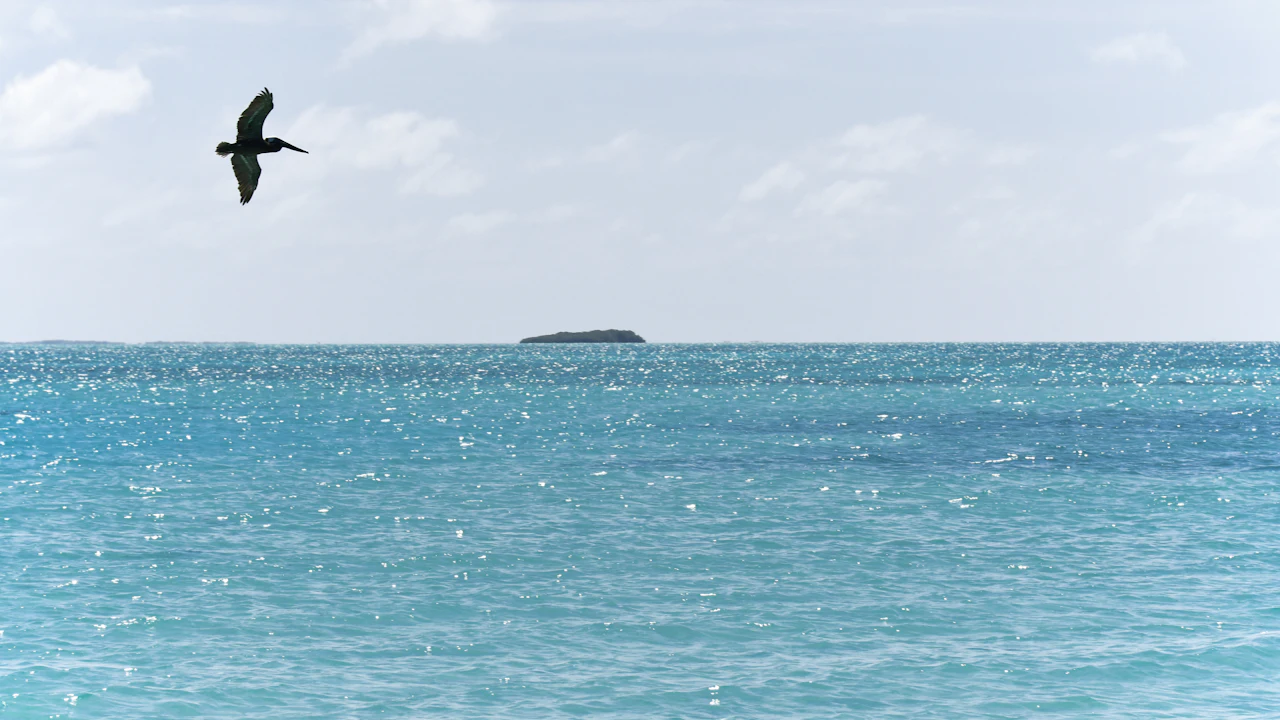
| Beach and shoreline | Magnificent frigatebirds, pelicans, gulls, terns | On foot or from a beachfront seat | Beginners and anyone short on time |
| Littoral forest | Black catbird, white-crowned pigeon, rufous-necked wood-rail | Slow, quiet walks along the beach ridge at dawn | Birders after island specialties |
| Mangroves and lagoons | Herons, egrets, kingfishers, boat-billed heron | By boat or from a dock at the lagoon edge | Patient watchers and photographers |
| Nesting cayes behind the island | Roseate spoonbill, tricolored heron, white ibis, reddish egret | From a boat, keeping well back from nests | Wading bird lovers in nesting season |
The littoral forest
Littoral simply means coastal. On Ambergris it is the dense strip of seagrape, cocoplum, gumbo limbo and palmetto on the windward beach ridge, fed by a rolling season of fruit and berries. Elbert’s piece on the littoral forest of Ambergris calls it the most threatened bird habitat in the country, because it clears so easily for building.
Mangroves and the back lagoon
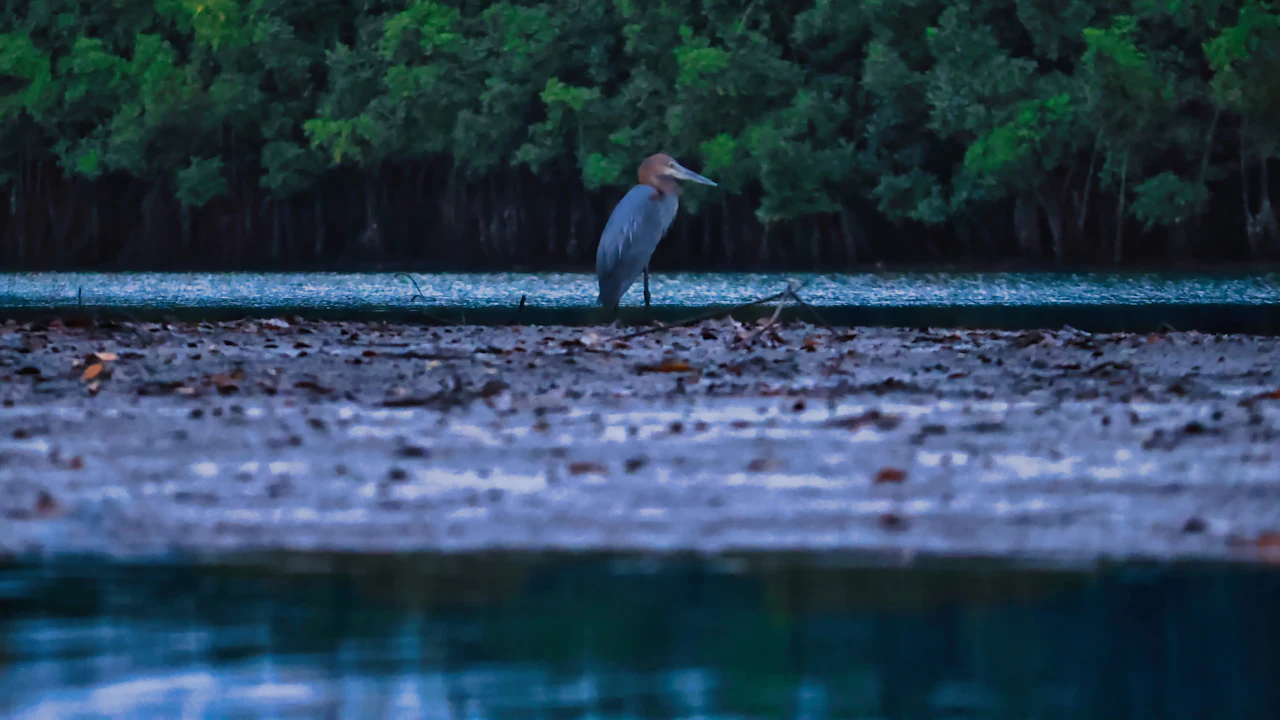
The lagoon side is quieter and wetter. Herons stalk the shallows, and at dusk the shy boat-billed heron of the mangroves leaves its daytime roost to feed. The column’s spoonbill article describes nesting islands in the back bay, which you can read about in Elbert’s notes on the roseate spoonbill.
When to go: migration and the daily clock
Autumn is the headline season. According to the column, the island lies right on the Mississippi Flyway, one of the main north-south routes, and migrants start arriving by the hundreds in September. Some pass straight through, while others stay for the winter.
Elbert’s migration season column suggests watching for yellow-billed cuckoos, American redstarts and ruby-throated hummingbirds. The Belize Audubon Society also runs public counts, including an Urban Bird Watch on weekends in October and November and a Christmas Bird Count from mid-December into early January.
Dawn, dusk and the tide
Early morning is when birds are loudest and busiest. Elbert’s night heron article makes a useful point: sunrise, sunset, the tide and the moon set each bird’s timetable, so a tide table is a real birding tool. Low water exposes feeding flats for waders, while the hour before dark brings out the night herons.
Birds of Ambergris Caye: a short guide to species
These are some of the birds the column covers in depth, each with its own article. Start easy and work toward the rarities.
- Roseate spoonbill: pink waders that sweep the bottom with a flat bill and find food by touch, then fly with a steady flap, flap, glide.
- Black catbird: found only in a small corner of Central America that includes northern Belize and the island. It mews like a cat, as one neighbor’s cat learned in the black catbird column.
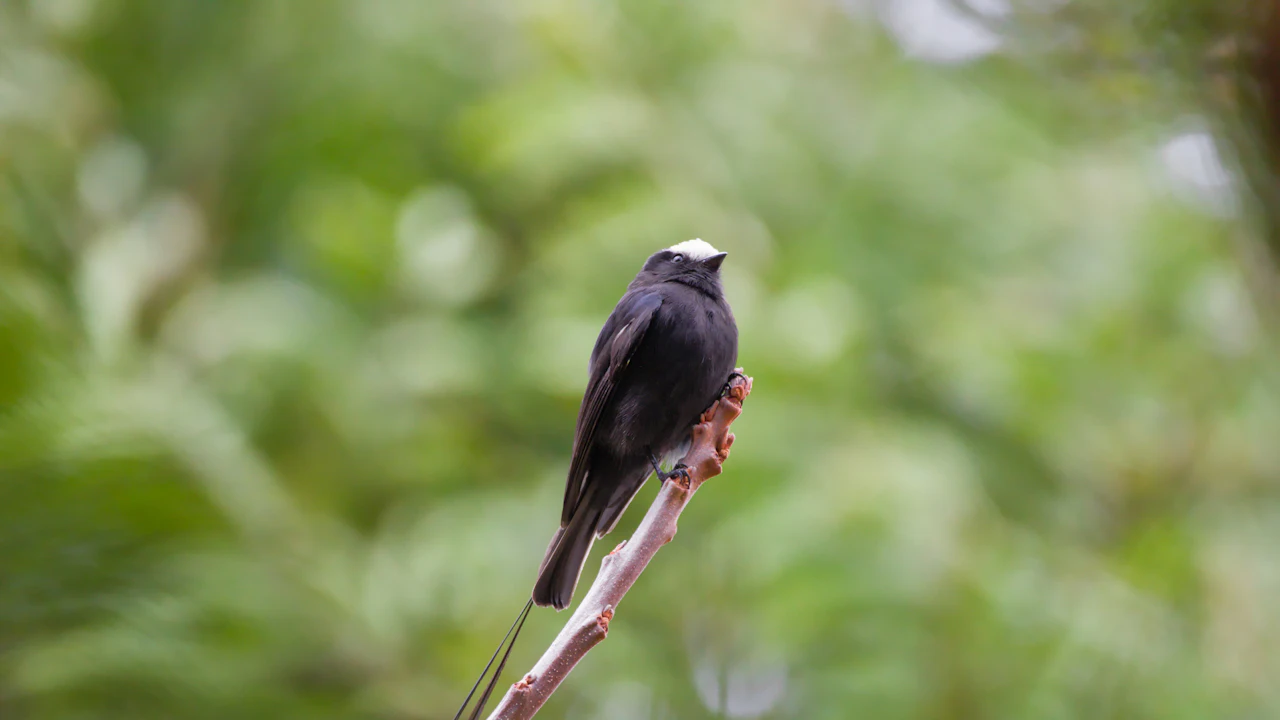
- Fork-tailed flycatcher: a black cap, white underparts and a tail twice the length of its body. Small, but it chases off hawks.
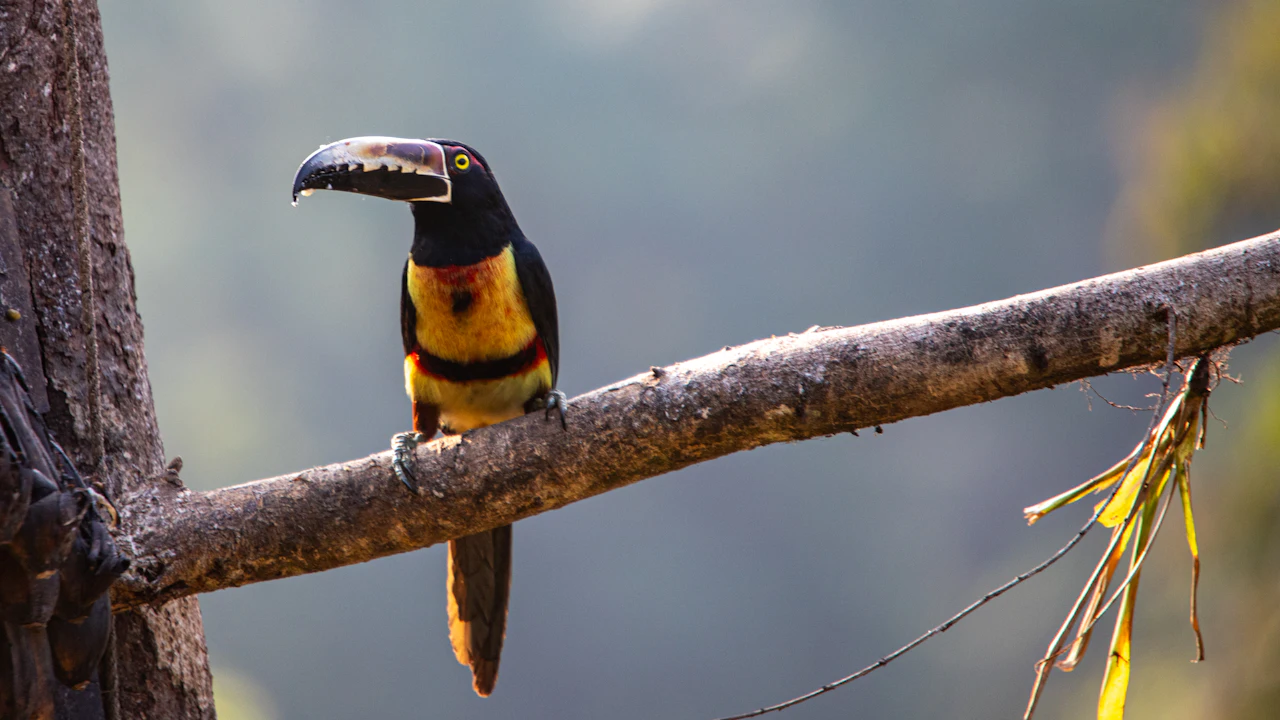
- Keel-billed toucan: the national bird since independence in 1981, more a mainland forest bird. Read the keel-billed toucan story, where Bubba gets himself a tour guide hat.
- Bumblebee hummingbird: so small that islanders who spot it first take it for a beetle, as told in Elbert’s bumblebee hummingbird column.
How to birdwatch the Bubba way
Bubba is Elbert’s Labrador, and in the column he is the senior partner. His philosophy, set out in the Bubba birdwatching philosophy, is that birding should relax you. Rushing to tick off a life list mostly raises your blood pressure.
- Go out at first light and sit still for ten minutes before you raise the binoculars.
- Listen first. The bird listening column describes learning birds by song alone from a veranda at dawn.
- Sort the bird into a group (dove, duck, heron, flycatcher) before you open the field guide.
- Keep well back from nests. Never bend branches for a view, because a parent is always watching.
- Bring insect repellent, water and a hat for the mangroves.
For a laugh, Bubba’s tongue-in-cheek birdwatching guide techniques explain how to name any bird by what it is doing. A gull making a laughing sound, he reasons, is most likely a laughing gull.
Birding beyond the island: the Lamanai river route
For birders, the journey to the Maya ruins at Lamanai may beat the ruins themselves. Elbert’s account in Lamanai, for the birds follows mangrove channels, open bay, swamp, savanna and river forest, with sightings from jabiru storks to limpkins and northern jacanas. Our guide to the Lamanai river trip from Ambergris Caye covers the day itself.
Who writes the birds column
Elbert Greer owns and operates White Sands Dive Shop, a 5 Star PADI Dive Facility on the beach in San Pedro. He is a PADI IDC Staff Instructor and long-time island birder, and his column ran for years in the San Pedro Sun.
His students notice the same eye for wildlife underwater. One student, Susan, wrote that he “pointed out so many cool things to look at, not to mention the manatee.” Her note and others are in our letters from Elbert’s dive students, and divers can plan their days with our guide to scuba diving on Ambergris Caye.
Birdwatching Ambergris Caye: your questions answered
How many bird species live on Ambergris Caye?
Elbert Greer counts around 260 species on the island and its nearby mangrove cayes over a year. The Belize Audubon Society puts the whole country at almost 600 species.
What is the best time of year for birding on the island?
Autumn is strongest, because migrants on the Mississippi Flyway start arriving in September and many stay the winter. Resident herons, frigatebirds and pelicans are around all year.
What time of day is best for bird watching?
Dawn is best, when birds are most active and most vocal. Dusk is the time for night herons and the boat-billed heron, and low tide is good for waders.
Who is Bubba in the Birds of Ambergris Caye column?
Bubba is Elbert Greer’s Labrador. The column is written partly in his voice, and he offers bird facts, opinions and a relaxed birding philosophy.
What should I bring for birding on the island?
Bring binoculars, a field guide or bird app, insect repellent, water and a hat. Wear muted colors and plan to sit quietly rather than walk fast.
Ask Elbert about island birds
Want to fit some birding around your dives? Email Elbert at elbertgreer@fastmail.fm or call the dive shop on 011 (501) 226 2405.