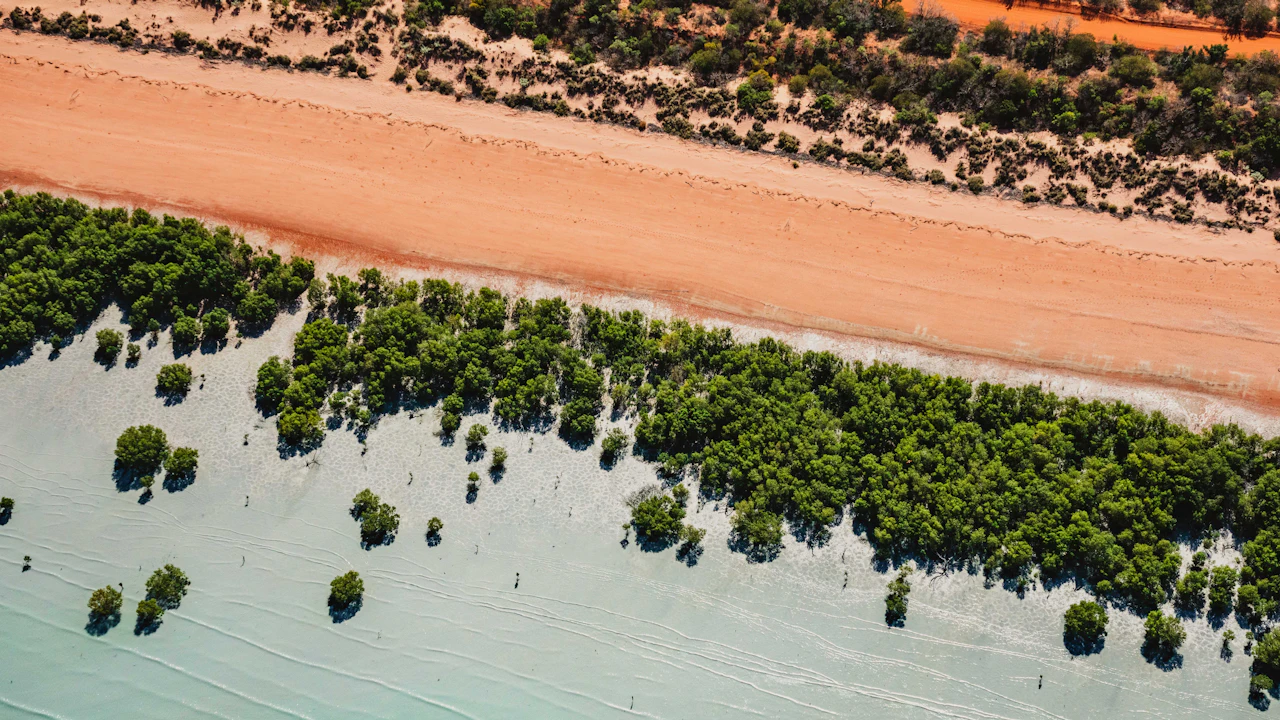
Look at a map of our island and the far north looks very different from busy San Pedro: forest, mangrove, lagoon and reef. That quiet corner is the Bacalar Chico Marine Reserve, together with the national park on the land beside it, and it is part of the World Heritage reef system.
This guide is for divers, snorkelers and nature lovers who keep seeing the name and want to know what it is, why it matters and how it compares with the reserves near San Pedro. Every general fact here comes from the UNESCO World Heritage listing or from Elbert Greer’s own writing about the north end of the island.
What is the Bacalar Chico Marine Reserve, and why is it special?
Quick answer: Bacalar Chico National Park and Marine Reserve protects land and sea at the northern end of Ambergris Caye. It is one of the seven protected areas that make up the Belize Barrier Reef Reserve System, a UNESCO World Heritage Site since 1996, and UNESCO singles out its jaguars among the system’s top predators.
Where Bacalar Chico sits on north Ambergris Caye
Bacalar Chico covers the northern end of Ambergris Caye, a long way up the island from our shop on the beach in San Pedro. Elbert described the creation of the 12,000 acre Bacalar Chico National Park on North Ambergris in his birds column on the island’s littoral forest.
As its full name says, the protected area has two halves: a national park on land and a marine reserve in the water. Few places protect both sides of the shoreline under one name, and that is what makes the north end so valuable for wildlife.
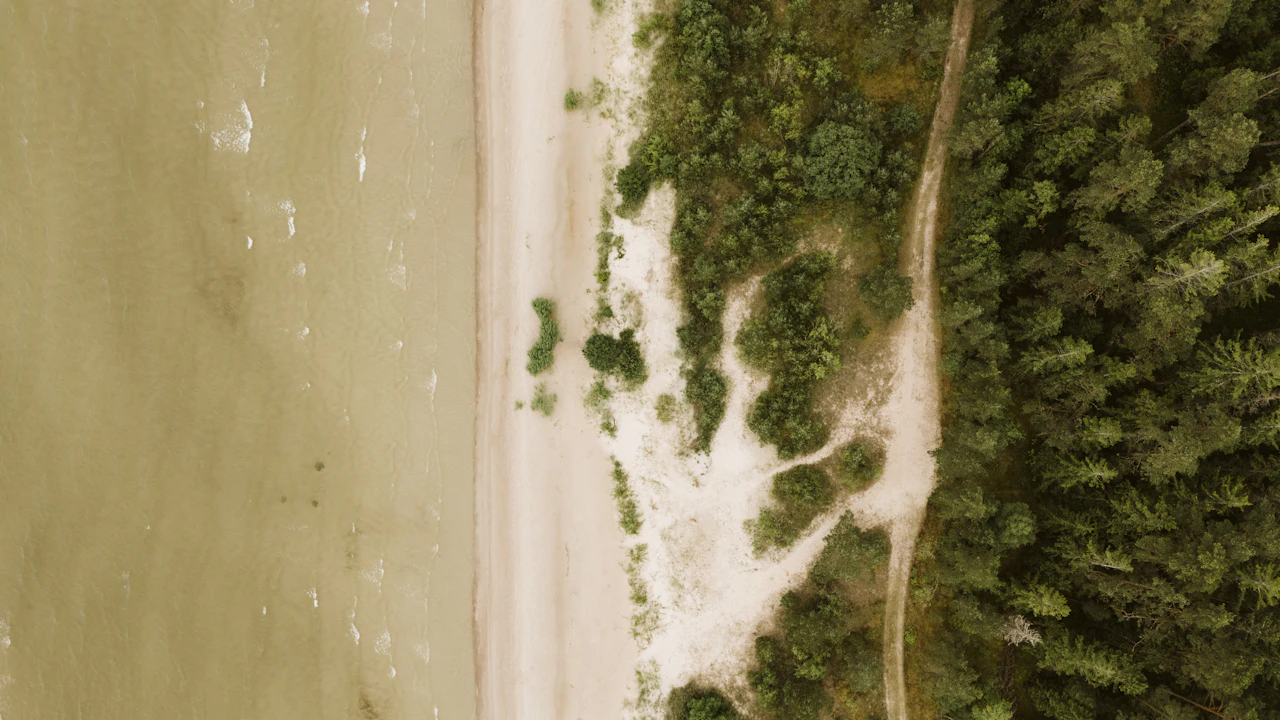
Bacalar Chico National Park and the World Heritage listing
The UNESCO World Heritage listing for the Belize Barrier Reef Reserve System names seven protected areas, and Bacalar Chico National Park and Marine Reserve is the first on the list. The others are the Blue Hole and Half Moon Caye Natural Monuments, South Water Caye, Glover’s Reef and Sapodilla Cayes Marine Reserves, and Laughing Bird Caye National Park.
UNESCO inscribed the system in 1996 and describes it as the largest reef complex in the Atlantic-Caribbean region. It placed the site on its List of World Heritage in Danger in 2009 and removed it in 2018. Our guide to the Belize Barrier Reef Reserve System and its seven sites tells that story in more detail.
Why a serial site matters
A serial site is one World Heritage listing made of several separate pieces, and Bacalar Chico is the northernmost of the seven. Hol Chan Marine Reserve, near San Pedro, is not one of them. It is protected under its own marine reserve status, which surprises many visitors.
What the reserve protects: reef, mangroves and lagoon
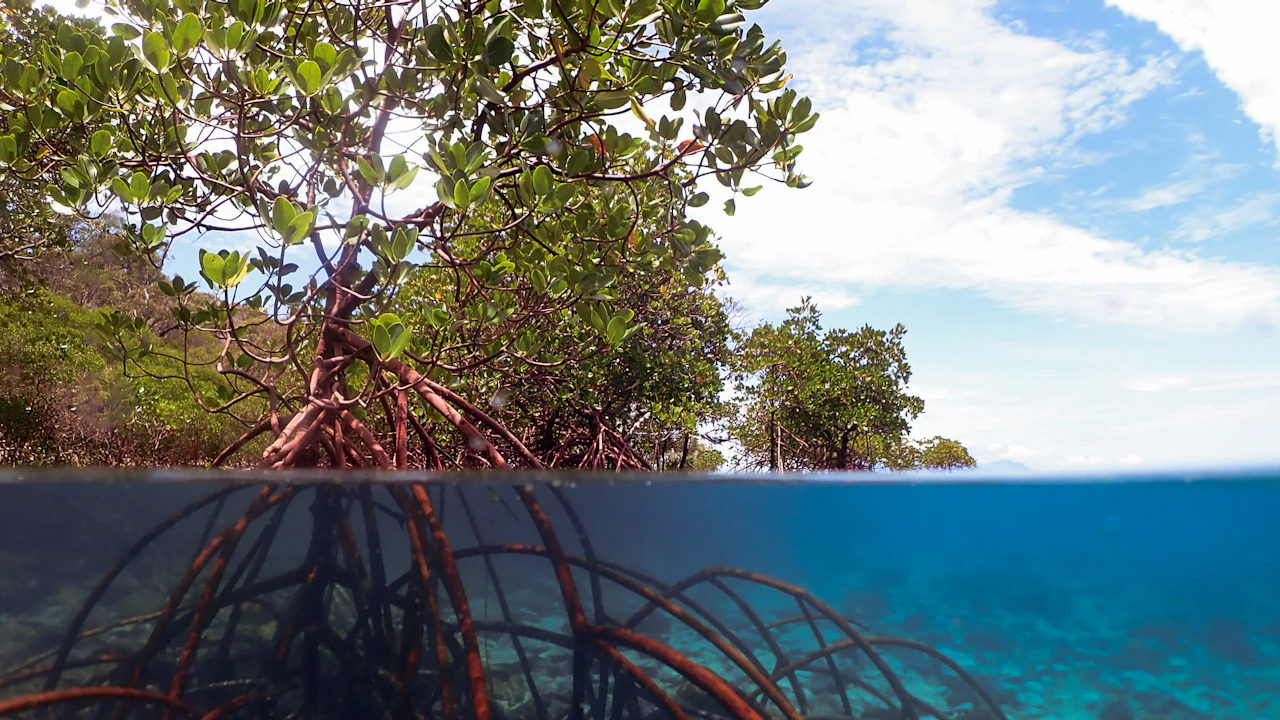
UNESCO explains that the reserve system holds an unbroken gradient from land to deep ocean. It runs from littoral forest, wetland and mangrove, through seagrass beds and lagoon reefs, out to the barrier reef. That chain supports spawning, nesting, feeding and nursery grounds, which is why a protected area that includes land as well as water is so valuable.
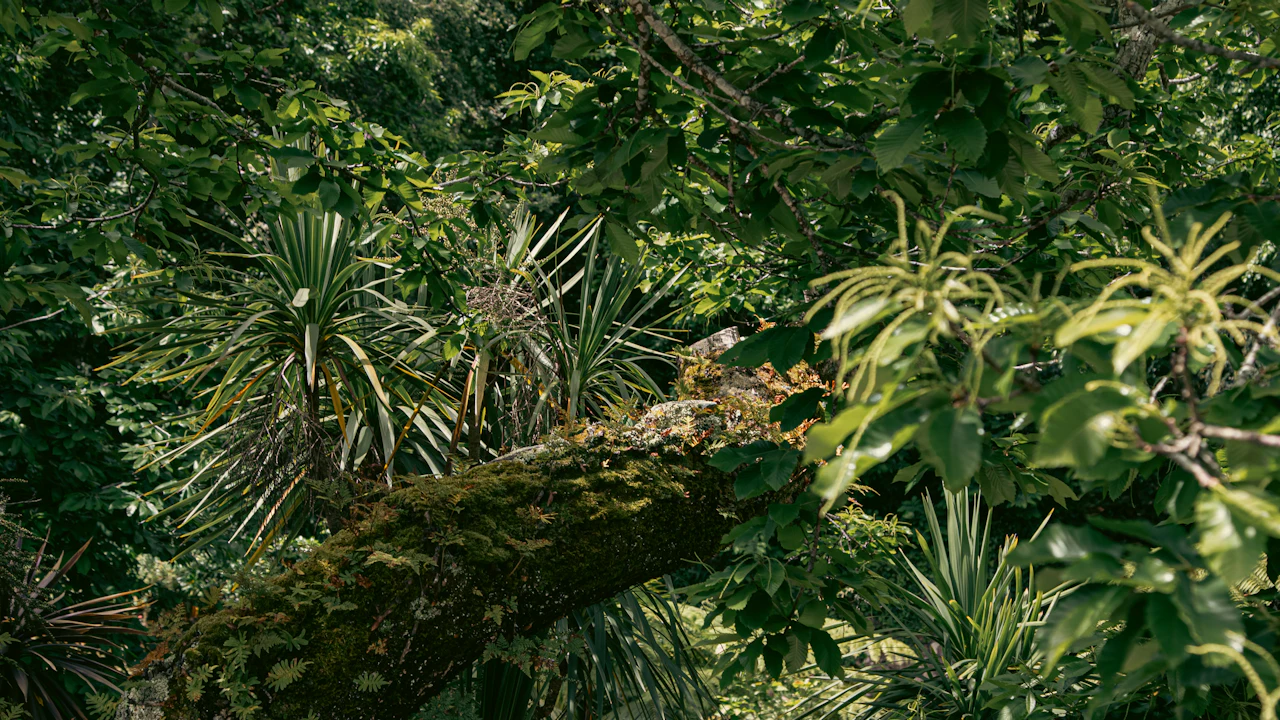
- Littoral forest: the coastal forest on the high sandy beach ridge. Elbert’s column calls it the most endangered habitat on the cayes, because it is easily cleared for building.
- Mangrove and lagoon: sheltered shallow water behind the island where young fish grow and wading birds feed.
- Seagrass: underwater meadows that link the lagoon to the reef.
- Barrier reef: the coral wall that runs the length of the island’s ocean side.
Wildlife of the north Ambergris Caye reef and forest
UNESCO names the jaguars of Bacalar Chico alongside the great hammerheads of the Blue Hole and the ospreys of Glover’s Reef as top predators that show the system’s ecological health. Across the whole reserve system it records over 500 species of fish, 65 stony corals and 350 molluscs.
The listing also names threatened species the system protects: the West Indian manatee, the American crocodile, and green, hawksbill and loggerhead turtles. Those animals use the same kinds of habitat Bacalar Chico holds, from mangrove lagoon to open reef.
Birds in Bubba’s back bay
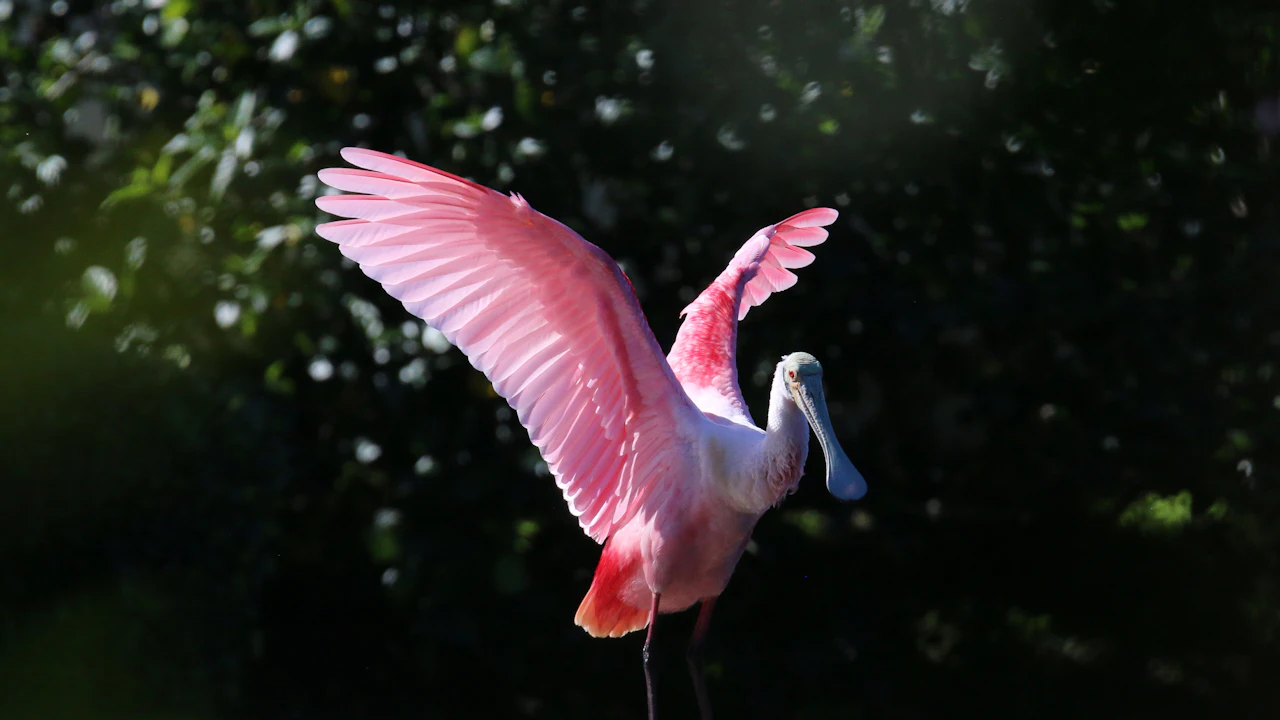
Elbert’s column, Birds of Ambergris Caye, is written in the voice of Bubba, his Labrador, who is better with Latin names than most of us. In one piece Elbert took the boat up the back of the island to a Bird Island inside the boundaries of the then proposed park to check rumors from the rangers about nesting spoonbills. Read it in his column on roseate spoonbills of the back bay, and Bubba sensibly stayed home for that trip.
Bacalar Chico, Hol Chan and Mexico Rocks compared
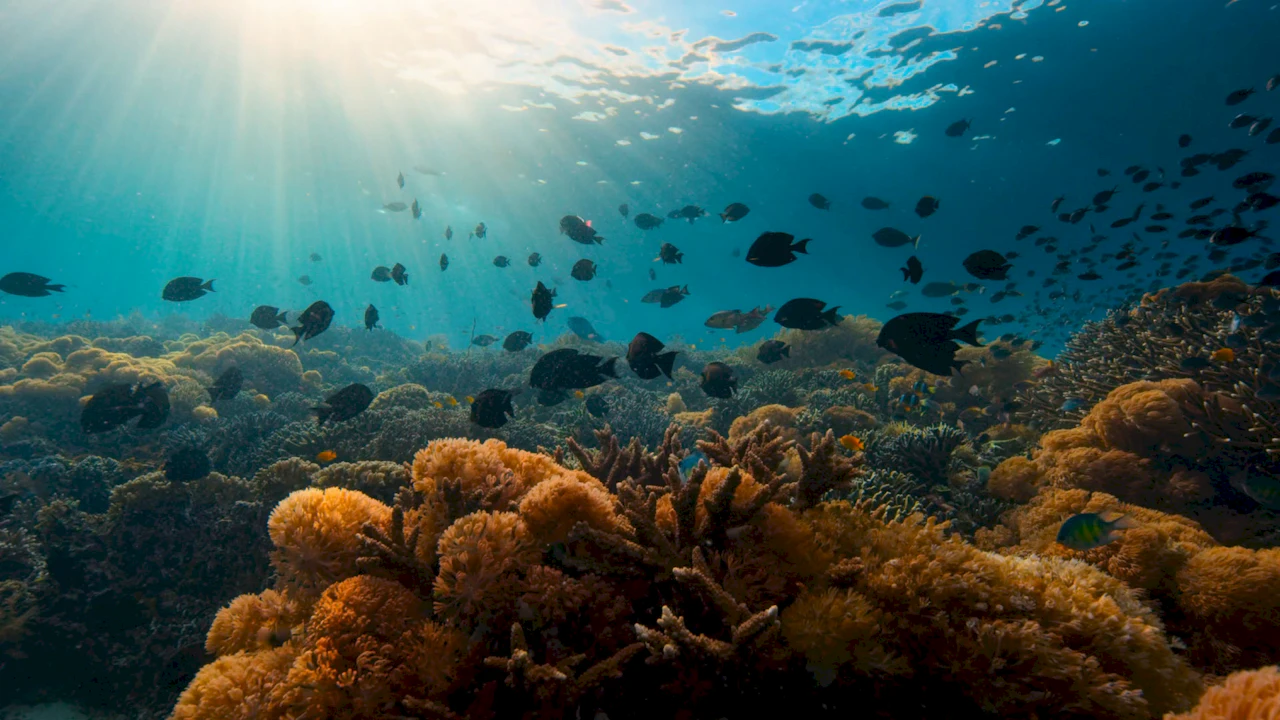
Our trip list does not include Bacalar Chico. If you would like to see a protected reef with us, the two reserve trips we list are the Hol Chan dive with a Shark Ray Alley snorkel, and the Mexico Rocks snorkel. Local dive and snorkel trips leave at 9:00, and we pick you up at the dock of your hotel.
| Area | What it covers | Protection | On our trip list |
|---|---|---|---|
| Bacalar Chico | North end of the island, land and sea | National park and marine reserve, one of the seven World Heritage areas | No |
| Hol Chan | Reef, seagrass, mangrove and Shark Ray Alley zones | Marine reserve under its own status | Yes: one-tank dive plus Shark Ray Alley snorkel |
| Mexico Rocks | Coral, green turtles and tropical fish | Added to the Hol Chan reserve | Yes: snorkel trip |
Read our guide to diving Hol Chan Marine Reserve and our Mexico Rocks snorkeling guide for what each trip is like. Our guide to diving Ambergris Caye covers the wider picture, and park tickets are not included in either trip.
Wherever you go, reserves stay healthy only if visitors keep their hands to themselves. Our reef etiquette guide for divers and snorkelers covers the simple habits that protect coral, and current prices are on our Water Sports page with every PADI course.
Who you dive with at White Sands Dive Shop
White Sands Dive Shop is a 5 Star PADI Dive Facility on the beach in San Pedro, licensed by the Belize Tourism Board and owned and operated by PADI IDC Staff Instructor Elbert Greer. Elbert also wrote the Birds of Ambergris Caye column, so ask him about the north end on the boat.
Minette Layne of Seattle, Washington, came to us for a refresher and then headed north. She wrote: “As you predicted, the time I spent on the northern part of the caye was just lovely. It was very peaceful there, and I enjoyed living off the grid for a few days.” Read more in our letters from Elbert’s dive students.
Bacalar Chico marine reserve: your questions answered
Is Bacalar Chico part of the UNESCO World Heritage Site?
Yes. UNESCO lists Bacalar Chico National Park and Marine Reserve as one of the seven protected areas of the Belize Barrier Reef Reserve System, inscribed in 1996.
Where is Bacalar Chico?
It covers the north end of Ambergris Caye, with a national park on land and a marine reserve in the water. Our shop is in San Pedro, a long way down the island.
What wildlife lives in Bacalar Chico?
UNESCO singles out its jaguars as one of the reserve system’s top predators. The wider system protects manatees, American crocodiles, three species of sea turtle and over 500 species of fish.
Does White Sands Dive Shop run trips to Bacalar Chico?
Bacalar Chico is not on our trip list. We do list the Hol Chan dive with a Shark Ray Alley snorkel and the Mexico Rocks snorkel, both protected reef areas closer to San Pedro.
How is Bacalar Chico different from Hol Chan?
Bacalar Chico protects land and sea at the far north of the island and is one of the seven World Heritage areas. Hol Chan lies about four miles south of San Pedro and is protected under its own marine reserve status.
Plan your reef days with us
Want to see a protected reef during your stay? Write to Elbert at elbertgreer@fastmail.fm or call 011 (501) 226 2405, and we will help you choose between Hol Chan and Mexico Rocks.