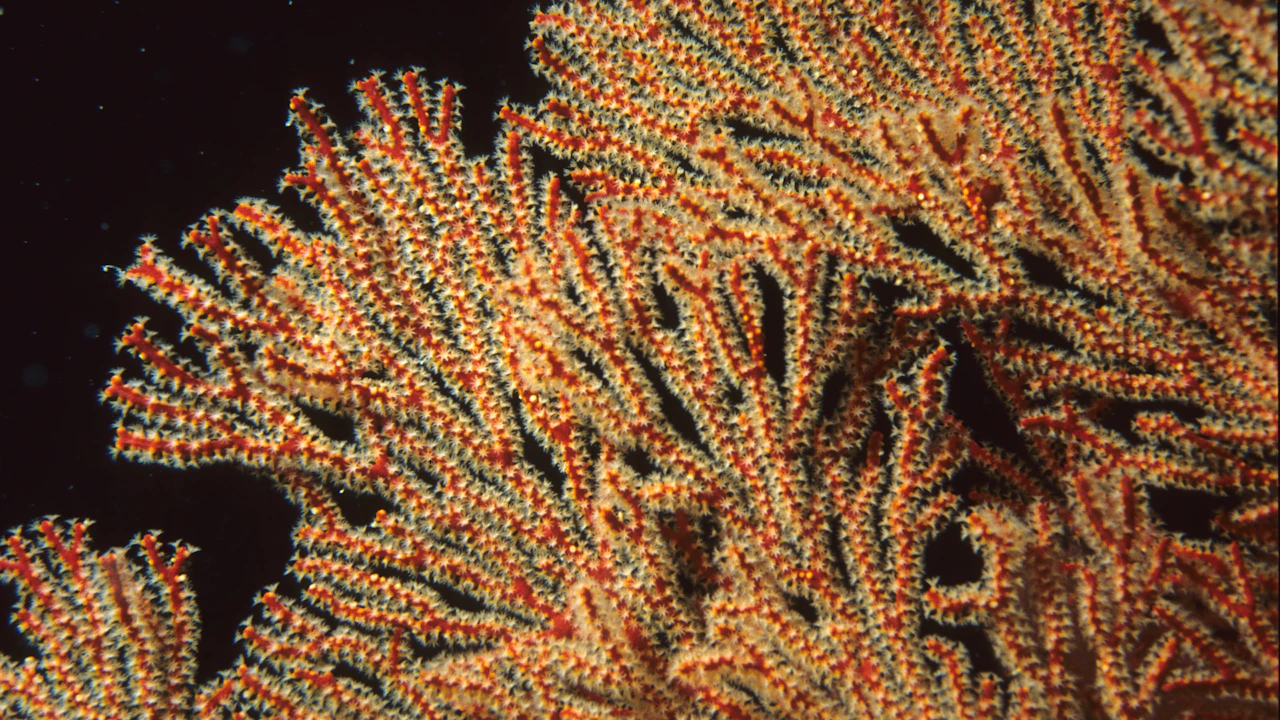
Once a year, on a handful of nights, many reef-building corals release clouds of eggs and sperm into the sea at almost the same moment. Divers who have seen it describe an underwater snowstorm drifting up from the reef. If you are looking up coral spawning Belize dates for a trip, this guide explains what happens, when it tends to happen and what that means for your trip.
It is written for divers, snorkelers and reef fans who want the facts without the lab jargon. We stick to what the scientists at NOAA say, because spawning follows a pattern, not a timetable, and nobody can promise you a spawn on a given night.
When does coral spawning happen in Belize and the Caribbean?
Quick answer: NOAA says Caribbean elkhorn and staghorn corals spawn once a year after the full moon in late summer, over only a few nights. Spawning is cued by the moon and water temperature, and the final release is usually timed to sunset, so it happens after dark. Exact nights vary by species and by year.
What coral spawning actually is
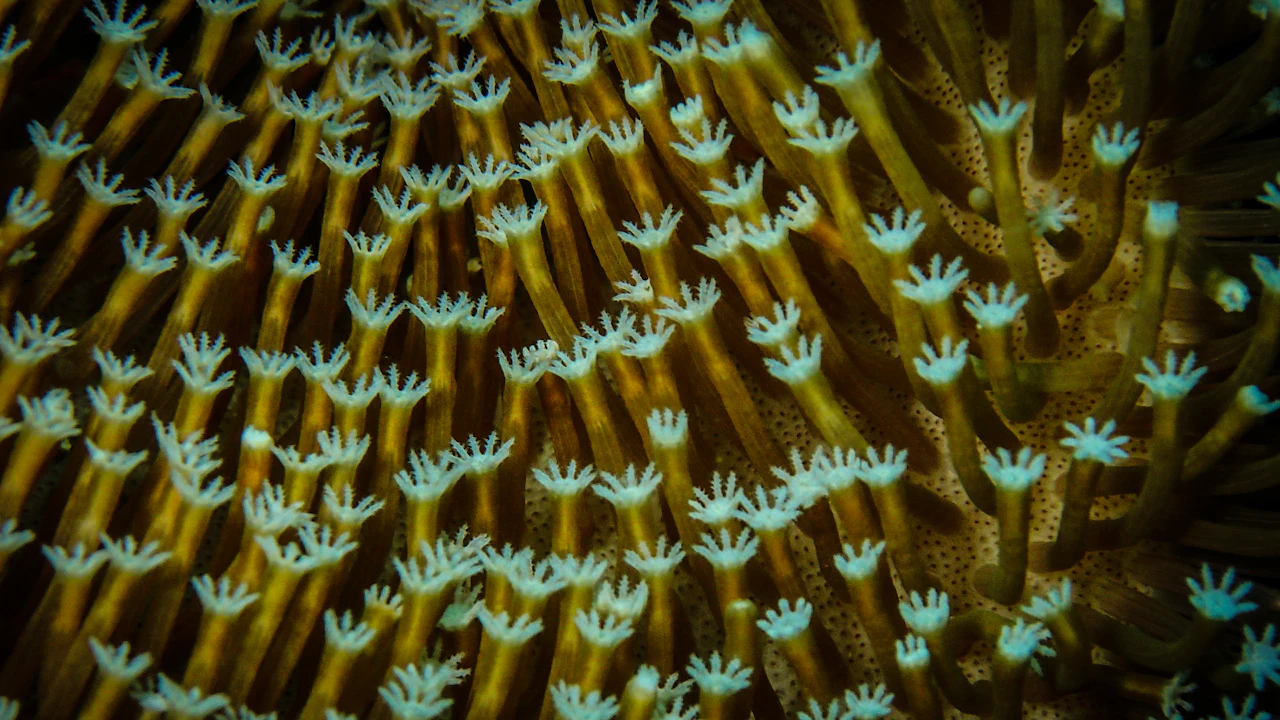
A coral head is a colony of tiny animals called polyps. Most reef-building corals reproduce by broadcast spawning: they release eggs and sperm, called gametes, straight into the water. According to NOAA’s explainer on what coral spawning is, colonies across a reef release them at the same time in a synchronized event.
Timing matters because most coral gametes stay viable for only a few hours. When a whole reef spawns together, eggs and sperm are far more likely to meet, and predators cannot eat them all. NOAA adds that scientists still do not fully understand how the corals coordinate it.
What a spawn looks like
The gametes contain lipids, which are fatty substances, so they float. They rise slowly from the coral toward the surface, which is why a spawn looks like snow falling upward. NOAA says fertilization begins once the gametes reach the surface.
When do corals spawn in the Caribbean?
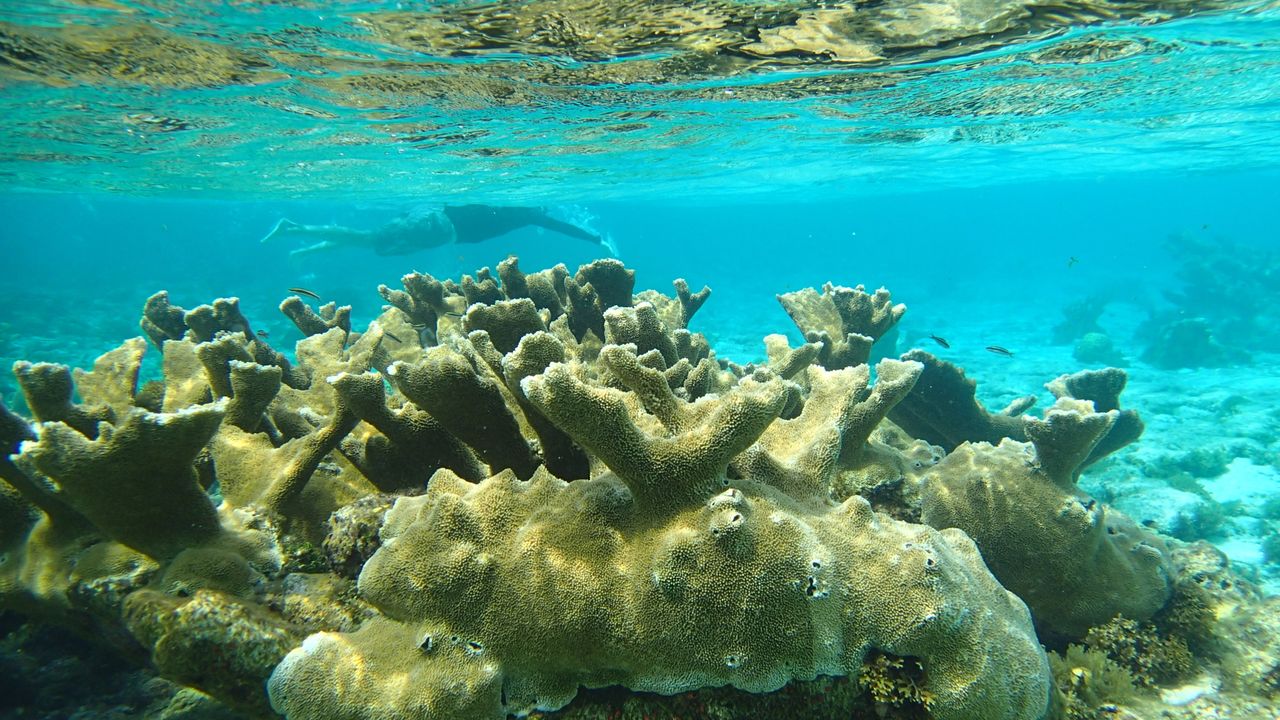
NOAA Fisheries gives the clearest regional answer. Its NOAA Fisheries profile of elkhorn coral says the species lives throughout the Bahamas, Florida and the Caribbean, and reproduces sexually once a year after the full moon in late summer. It releases eggs and sperm over only a few nights.
Staghorn coral, elkhorn’s close relative, follows the same late-summer pattern in NOAA’s description. Other species keep their own schedules within the season, so a reef may see several small spawns rather than one big night.
The cues corals follow
NOAA’s coral tutorial breaks the timing into three layers. These cues explain why the same reef can spawn on different calendar dates from one year to the next.
- The season: long-term timing may be linked to water temperature, day length or how fast the temperature is changing.
- The night: getting ready to spawn is usually based on cues from the moon.
- The hour: the final release is usually based on the time of sunset, which is why spawning is a night event.
Coral reproduction: the main methods compared
Spawning is only one way corals make more corals. NOAA describes several methods, and each one leaves different traces on a reef.
| Method | How it works | What it means for the reef |
|---|---|---|
| Broadcast spawning | Eggs and sperm are released into the water and fertilized there | Larvae can drift far and start colonies on distant reefs |
| Brooding | Eggs are fertilized inside the polyp and released as developed larvae | Larvae settle sooner, usually close to the parent colony |
| Budding | A polyp reaches a certain size and divides into a clone | The colony grows larger throughout its life |
| Fragmentation | A broken branch reattaches to hard ground and keeps growing | A storm-broken elkhorn branch can become a new colony |
NOAA notes that about three-quarters of stony corals produce eggs, sperm or both, and that most species are broadcast spawners. Budding and fragmentation make copies of one colony, while spawning mixes genes, which may help corals cope with heat and disease.
What happens after the spawn
Once an egg is fertilized, it becomes a larva called a planula, which swims toward the light and is carried by currents. NOAA says most larvae settle within two days, though some drift for up to three weeks.
When a planula finds a good spot, it attaches and turns into a polyp, the first piece of a new colony. The odds are long: NOAA describes very high losses between larva and settlement. A new colony then grows slowly, about 0.4 inches a year, which is one reason every healthy coral head counts.
Can you see coral spawning on a night dive?
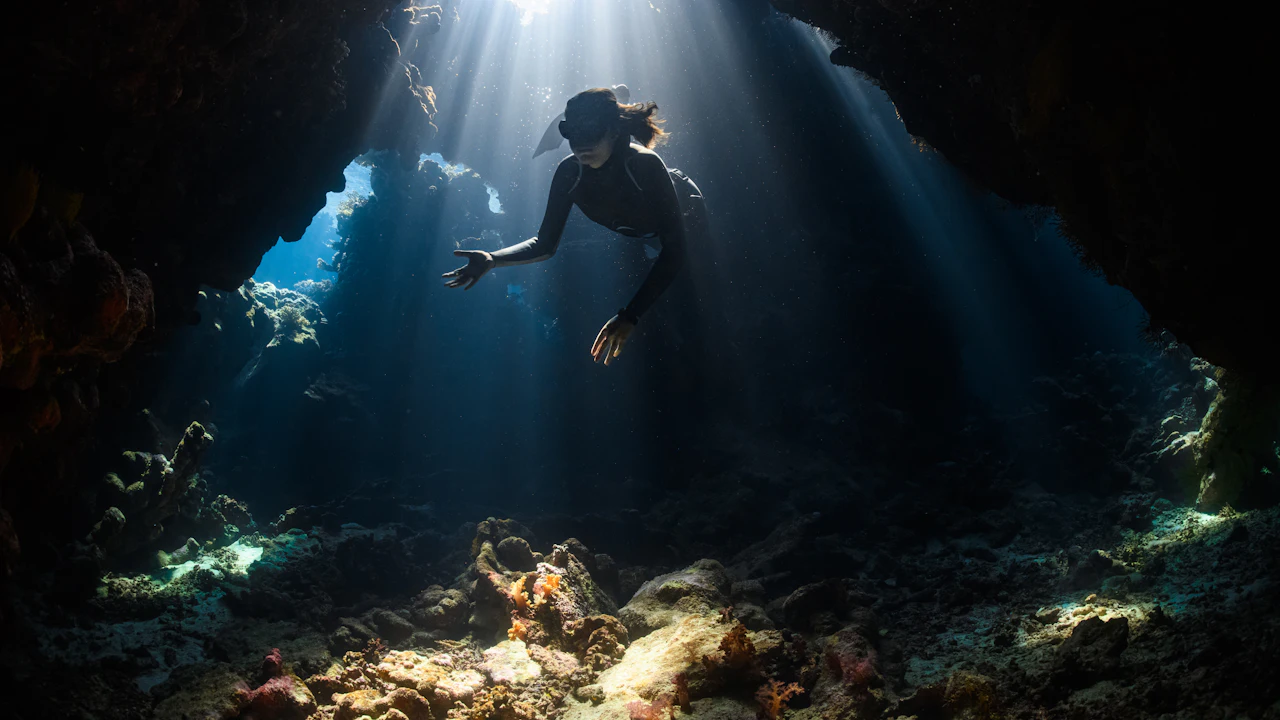
Because the release follows sunset, the only way to watch a spawn underwater is on a night dive during the right window. Even then it is never guaranteed. Spawning follows natural cues from the moon and the water, so a predicted night can come and go with little to see.
Night diving is worth doing in any month. The reef looks and behaves differently after dark, and a dive light shows colors you miss by day. Our guide to night diving on Ambergris Caye explains what a night dive with us involves; note that a dive light is not included in the trip, so plan to rent or bring one.
To see what lives on our reef by day and night, read our guide to marine life you can see on Ambergris Caye. For the trips we run, start with our overview of scuba diving on Ambergris Caye.
Reef manners on a spawning night
Spawning corals need the same care as on any dive: no touching, good buoyancy and no fins near the reef. Watch from a respectful distance and let the reef do its work. Our page on reef etiquette for divers and snorkelers covers the habits that protect coral.
Why spawning matters for a threatened reef
NOAA Fisheries lists elkhorn coral as threatened under the US Endangered Species Act. It typically grows in clear, shallow water from 1 to 15 feet deep, the same zone where snorkelers and new divers spend their time.
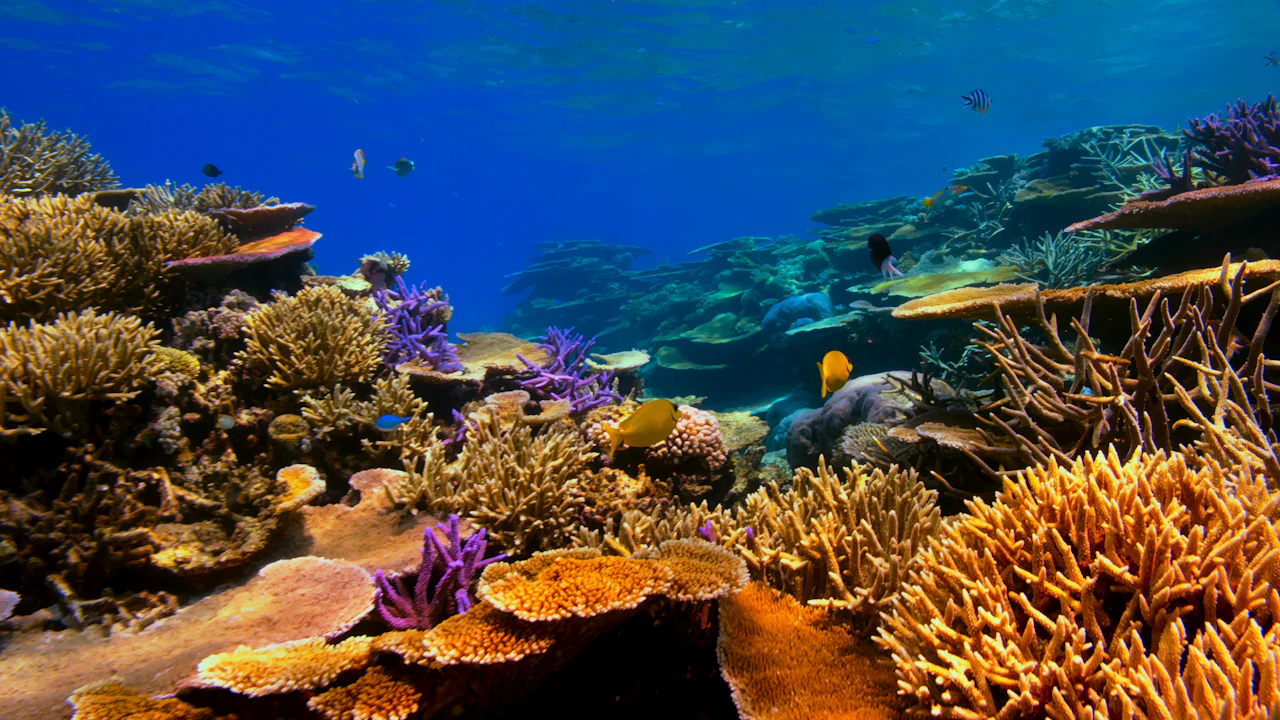
Our dives run along the largest barrier reef in this hemisphere, part of a protected system described in our guide to the Belize Barrier Reef Reserve System World Heritage site.
Diving the reef with Elbert
White Sands Dive Shop is a 5 Star PADI Dive Facility on the beach in San Pedro, owned and operated by Elbert Greer, PADI IDC Staff Instructor. Local dive and snorkel trips leave at 9:00, with pickup at the dock of your hotel.
Bryan Nelson wrote that a friend “remarked that we managed to find perhaps the best possible open water instructor to take Sam on his certification dives.” You can read more in our letters from students Elbert has taught, and find trips and current prices on our Water Sports page of dives and PADI courses.
Coral spawning, Belize: your questions answered
What month do corals spawn in Belize?
NOAA does not publish dates for Belize itself, but it says Caribbean elkhorn and staghorn corals spawn once a year after the full moon in late summer. The exact nights shift each year with the moon.
What time of night does coral spawning happen?
NOAA says the final release is usually timed to sunset, so spawning happens after dark. The exact hour depends on the species.
Is coral spawning guaranteed on a predicted night?
No. Spawning follows natural cues from the moon and water temperature, so it can come a night early or late, or be small in some years.
Do I need special training to see a spawn?
A spawn is watched on a night dive, so you need to be a certified diver comfortable diving after dark. An Advanced Open Water course includes a night dive if you want practice first.
Why do corals spawn all at once?
NOAA explains that coral eggs and sperm stay viable for only a few hours, so releasing them together raises the chance of fertilization and leaves predators with more than they can eat.
Ask us about night diving
Planning a late summer trip and hoping to dive after dark? Email Elbert at elbertgreer@fastmail.fm or phone 011 (501) 226 2405. Tell us your dates and experience, and we will help you plan your dives.