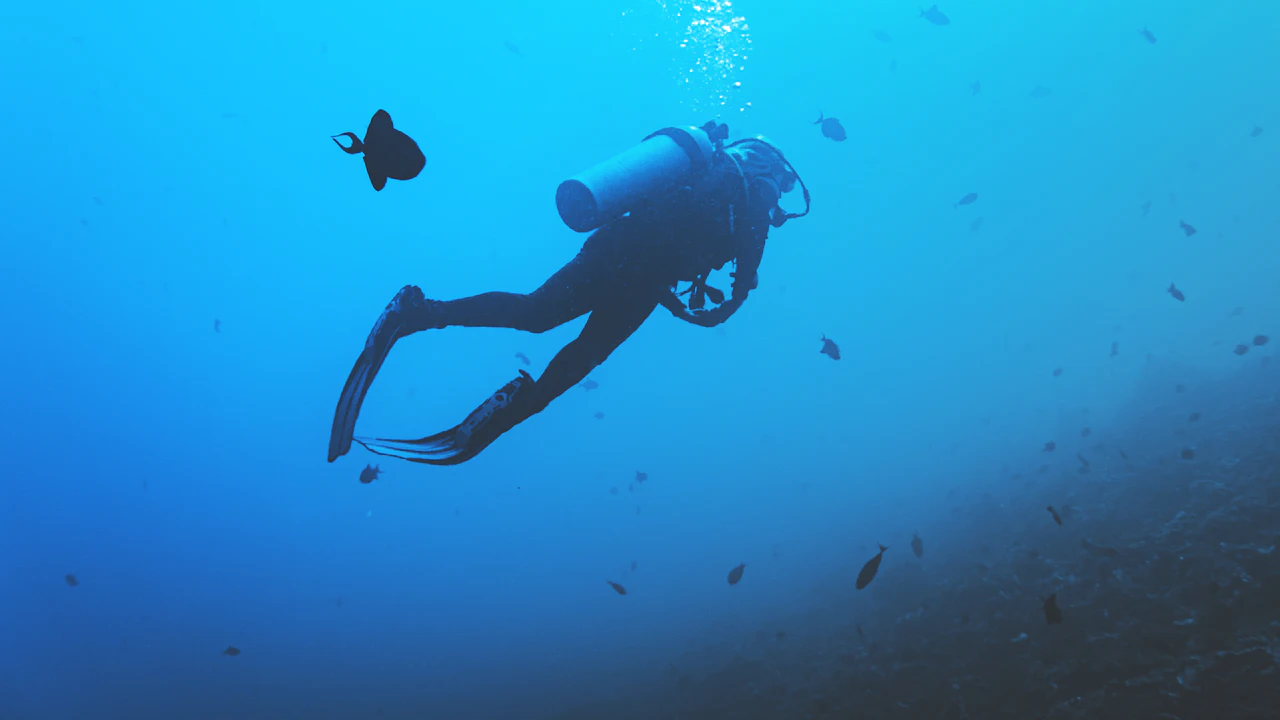
Ask a boat full of divers how much weight for scuba diving they carry and you will hear a different number from each one. The right amount depends on your body, your wetsuit, your tank and the water you are diving in, so a buddy’s number tells you very little about your own.
This guide is for new divers, returning divers and anyone changing gear. We explain what changes your weighting, how to run the simple surface check PADI describes, the signs that you are carrying too much lead, and when to check again.
How much weight for scuba diving do you actually need?
Quick answer: Only as much as lets you float at eye level at the surface with an empty BCD and a normal breath, then sink slowly when you exhale. Your body, exposure suit, tank and salt or fresh water all change that amount, so a weight check in the water beats any formula or chart.
How much weight for scuba diving depends on four things
Lead is there to cancel out everything that floats: your body, the neoprene you wear and, at the end of a dive, your tank. PADI’s page on PADI specialty courses, including Peak Performance Buoyancy sums up that course’s aim in a few words: dive with less weight. To get there, it helps to know what pushes the number up or down.
Your body
Two people of the same weight can need different amounts of lead. PADI’s blog notes that people with a higher percentage of body fat need more weight.
Your exposure suit
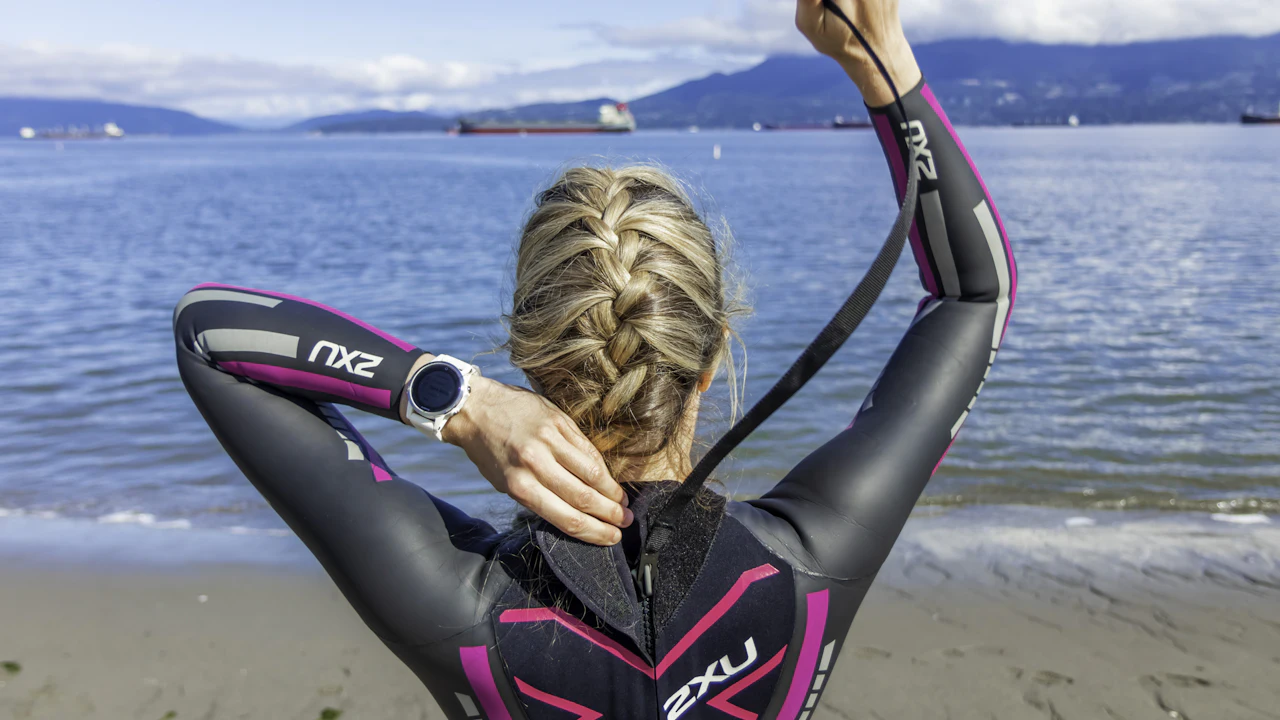
PADI’s blog says thick wetsuits and dry suits need more weight than a shorty. If you usually dive in a thick suit at home and pack a thinner one for the tropics, you will likely need less lead on your trip. Our guide to wetsuit thickness for warm water helps you choose the suit first.
Your tank
According to PADI’s blog, steel tanks are typically negatively buoyant throughout the dive, while aluminum tanks can start negative and become positive as you breathe them down.
Salt or fresh water
PADI’s blog lists water salinity alongside suit thickness and tank type as things that change your ideal weighting. If you learned in a lake or quarry and now dive in the sea, treat your old number as a starting point only and check again.
The weight check at the surface, step by step
Rules of thumb based on body weight cannot see your suit, your tank or how relaxed you are. A check in the water can. Here is the surface check as PADI’s blog describes it, done in the full gear you will dive with.
- In water too deep to stand, let all the air out of your BCD.
- Hold a normal breath, not a huge one, and hang still and upright. Do not kick or scull with your hands, because that keeps you up artificially.
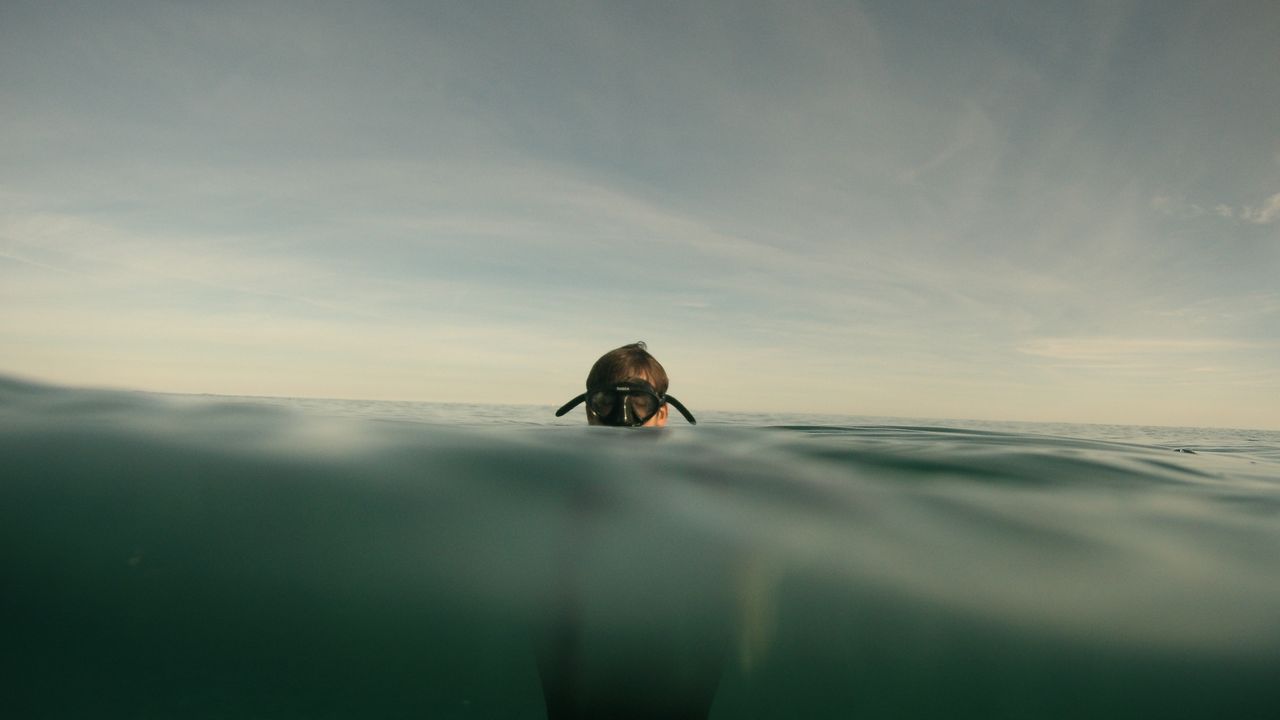
- You should float with the water at about eye level.
- Now exhale fully. You should start to sink slowly.
- If you drop quickly, take a little weight off and try again. If you cannot sink even after a full exhale, add a little.
PADI’s blog also makes a point many new divers miss: it should take a little effort to get down. A slow, controlled sink gives you time to equalize your ears early and often on the way down.
Why a check near the end of the dive helps
As your tank empties, it gets lighter and you get more buoyant, which PADI’s blog says is especially noticeable with aluminum tanks. That is why some divers also check their weighting at the end of a dive. PADI’s blog suggests handing a weight to your buddy and seeing whether you can still descend when you exhale, staying no deeper than 6 meters (20 feet) while you try.
What changes your weighting, and what to log
PADI’s blog recommends writing your weight in your logbook after each dive, along with the details that affected it. This table shows what to note and why.
| Factor | How it affects the weight you need | What to write in your log |
|---|---|---|
| Body composition | More body fat means more weight | Note any big change in your body since your last trip |
| Exposure suit | Thicker wetsuits and dry suits need more weight than a shorty | Suit type and thickness, such as 3mm full suit |
| Tank material | Steel usually stays negative; aluminum can turn positive as it empties | Steel or aluminum, and the tank size |
| Water | Salt and fresh water need different weighting | Salt or fresh |
| How relaxed you are | Holding your breath without noticing makes you feel lighter | How calm the dive felt |
The last row comes from a PADI blog writer who carried extra weight for years because she held a little breath during her surface checks without noticing.
Signs of an overweighted diver
PADI’s blog says many divers, especially beginners, dive overweighted. Watch for:
- You descend faster than everyone else and have to stop yourself before the bottom.
- You add or dump air from your BCD again and again during the dive. PADI’s blog calls a dozen or more adjustments a red flag.
- Your air runs low before your buddy’s, because carrying extra weight makes your body work harder.
- You find it hard to stay level, with your hips or legs dragging down.
There is a reef cost too. PADI’s blog describes overweighted divers dropping onto the reef or kicking coral without noticing they had sunk. Good weighting also makes level swimming easier, which our guide to scuba diving trim position and weight placement covers next.
When to re-check your weight
PADI’s blog says to do a proper weight check before your dive whenever anything has changed since your last one.
- A different wetsuit, especially a thinner or thicker one.
- A different tank, such as aluminum instead of steel.
- Moving between fresh water and the sea.
- A change in your body, or a long break from diving.
- A new BCD, since some carry weight in pockets. Our guide on how to choose a BCD that fits you explains integrated weights.
Once your weight is right, our buoyancy control tips for divers cover breathing and BCD control. If you have been out of the water for a while, a scuba refresher course on Ambergris Caye is a calm place to redo your weight check with an instructor.
Diving with White Sands Dive Shop
White Sands Dive Shop is a 5 Star PADI Dive Facility on the beach in San Pedro, owned and operated by PADI IDC Staff Instructor Elbert Greer. All our dives include tanks and weights, so you can adjust between dives. If you are new to diving, start with our guide to learning to dive on Ambergris Caye, and see current course prices on our Water Sports page.
Students notice the small details Elbert teaches. Vivake K. Bhalla called him “an outstanding instructor with a lot of experience and useful tips”, and you can read more in the letters from Elbert’s dive students.
How much weight for scuba diving: your questions answered
Is there a formula for how much weight I need?
Rules of thumb based on body weight exist, but they cannot account for your suit, tank, water and breathing. Use a number as a starting point only, then confirm it with a weight check in the water.
How do I do a weight check?
With an empty BCD and a normal breath, hang still at the surface without kicking. You should float at eye level, then sink slowly when you exhale fully.
How do I know if I am overweighted?
Common signs are dropping faster than everyone else on descent, adding and dumping air from your BCD a dozen or more times, and using your air quickly.
Do I need less weight in a thinner wetsuit?
Usually, yes. Thicker wetsuits and dry suits float more, so they need more weight than a thin suit or a shorty. Check again whenever you change suits.
Questions about your weighting? Ask Elbert
Tell us what suit and gear you plan to dive with and we can help you plan your first dive of the trip. Email Elbert at elbertgreer@fastmail.fm or call 011 (501) 226 2405.