Your buoyancy control device, or BCD, is the vest that holds your tank, floats you at the surface and lets you hover over the reef. Knowing how to choose a BCD matters because it is the piece of gear you feel on every minute of every dive. A good one disappears; a poor fit pinches, rides up and makes buoyancy harder than it needs to be.
This guide is for newly certified divers thinking about a first purchase, and for anyone who wants to know what to ask for when renting. We cover the main styles, fit, integrated weights, lift and travel models, and why renting first is often the smartest step. You will not find brands or prices here, only what to look for.
How do you choose a BCD that is right for you?
Quick answer: Start with where you will dive most, then pick a style: a jacket for most recreational diving, a back-inflate or wing for a freer front and flatter position. Try several sizes, wearing the suit you dive in, and inflate it fully. Choose on fit and comfort first, features second, and rent before you buy.
What a BCD does
According to PADI’s guide to buoyancy control devices, a BCD gives you control in the water. You use it to float comfortably at the surface, to settle on the bottom during some training skills, and most of the time to drift along mid-water. It also holds your tank.
PADI lists the standard features as an expandable bladder, a low-pressure inflator with an oral inflation mouthpiece, a deflator and overpressure valve, adjustable straps and releases, and a tank band with a sturdy back plate. Every style has these. What changes is where the air sits around your body and how the BCD is built.
Jacket vs back-inflate vs wing: BCD styles compared
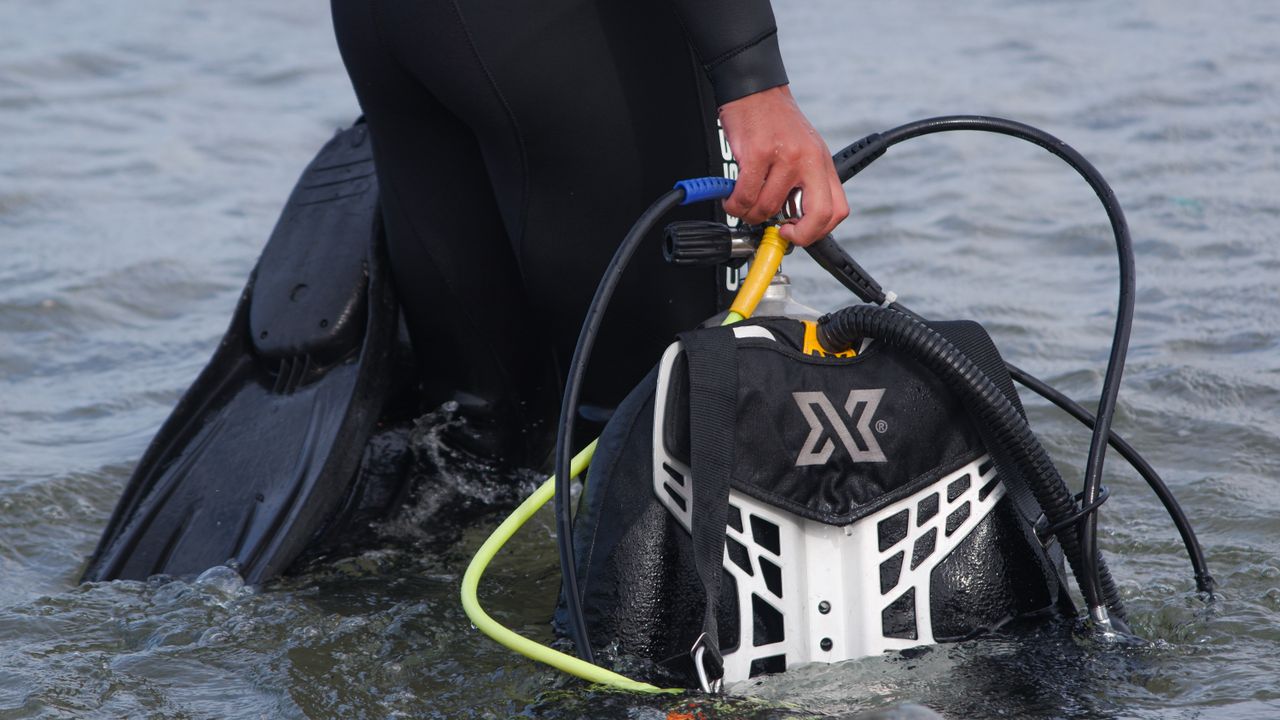
PADI names the jacket style as the most popular for recreational scuba diving, with some made specifically for women. Wing, or back-mount, designs put the air behind you instead. A back-inflate BCD is a halfway point: a padded vest with a jacket’s pockets and buckles, but with the bladder at the back.
| Style | Where the air sits | Who it tends to suit | Things to weigh up |
|---|---|---|---|
| Jacket | Wraps around your back and sides | New and recreational divers who want a familiar, upright feel at the surface | Can feel snug around the chest when fully inflated |
| Back-inflate | Behind you, on a padded vest | Divers who want an uncluttered front and a flatter swimming position | Can tip you forward at the surface until you are used to it |
| Wing with harness | Behind you, on a back plate and harness | Experienced divers who like to adjust each part, and technical divers | More setup to learn; the parts are chosen and fitted one by one |
PADI points out that technical diving systems combine wing-style bladders with harness setups, and that sidemount divers pair a back wing with a harness that carries tanks at their sides. For warm-water reef diving with one tank, any of the three styles can work. The best one is the one that fits you and feels natural.
How to choose a BCD that fits
PADI’s advice is to choose based on where you will use the BCD most, then make sure it fits. Fit is the part people rush, and it is the part you notice on every dive. If you are in doubt between sizes, try both.
- Wear the exposure suit you normally dive in, especially if it is thick, and gloves if you use them.
- Tighten and loosen, clip and unclip every strap and release.
- Work the inflator and deflator buttons until they feel easy to find.
- Inflate the BCD fully by mouth and check that it is still comfortable, not restrictive.
- Check that the inflator hose works with your regulator setup.
That last point links the two biggest pieces of gear you own. Our sibling guide on how a scuba regulator works explains the low-pressure hose that feeds your BCD. PADI adds that a BCD should last several years, so do not trade fit and comfort for a lower price.
Integrated weights, lift and travel BCDs
Integrated weights
PADI lists an integrated weight system as an optional feature. Instead of a belt, the weights sit in pockets on the BCD, often with quick-release handles. Many divers find this more comfortable on the hips, though the BCD is heavier to lift with the weights in. Whatever you choose, learn exactly how to release the weights before you dive.
Lift
Lift is how much buoyancy the bladder can provide when it is full. A diver in a thin suit with one tank needs far less than a diver in a thick suit or a technical diver with more gear. Ask a dive professional to match the lift to the diving you actually do, rather than buying the biggest bladder on the shelf.
Travel BCDs
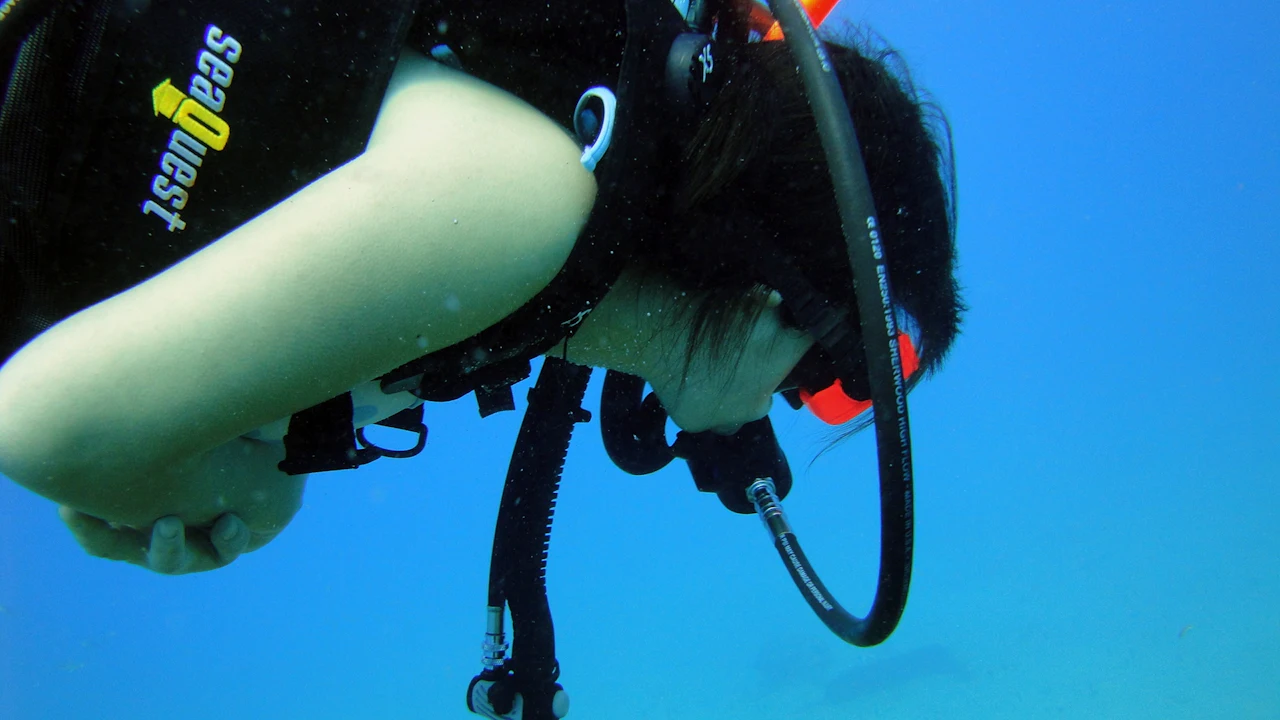
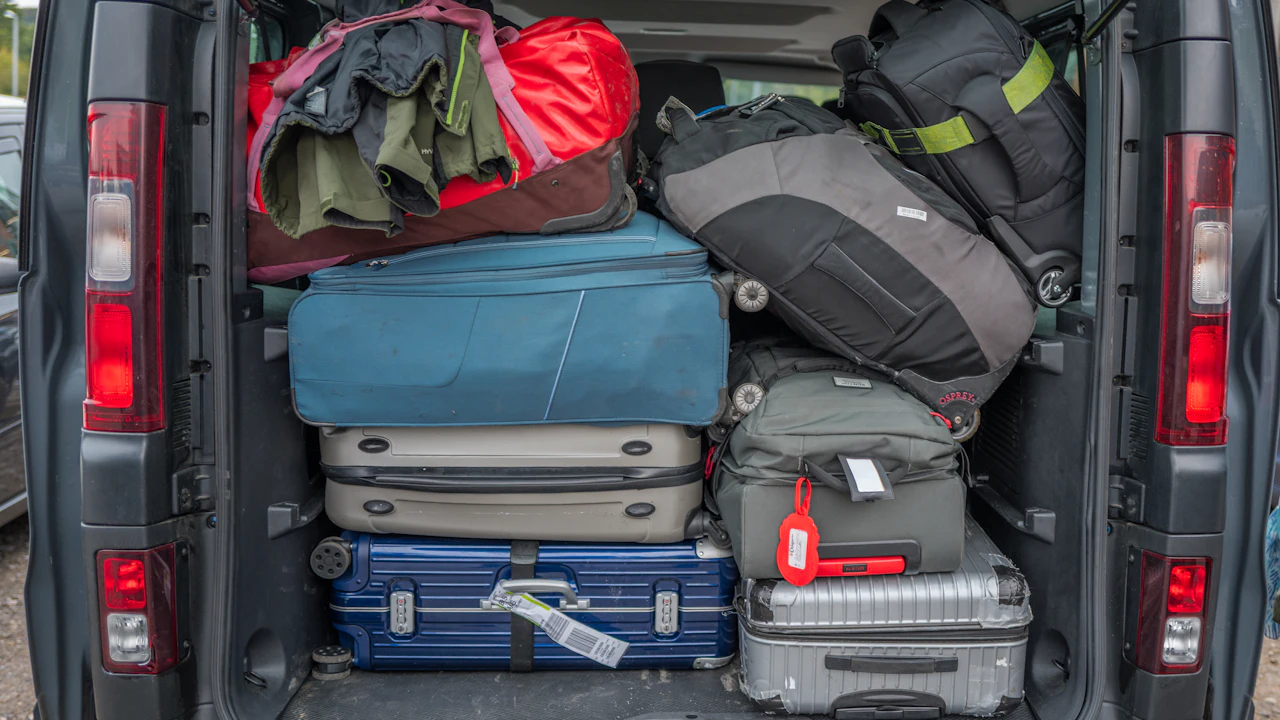
PADI describes traveling BCDs as made of lighter materials. They pack small, which helps with airline baggage, and many traveling divers like them for warm-water trips. Try one on in the same way as any other BCD, because a light BCD that does not fit is no bargain.
Try before you buy: rent first
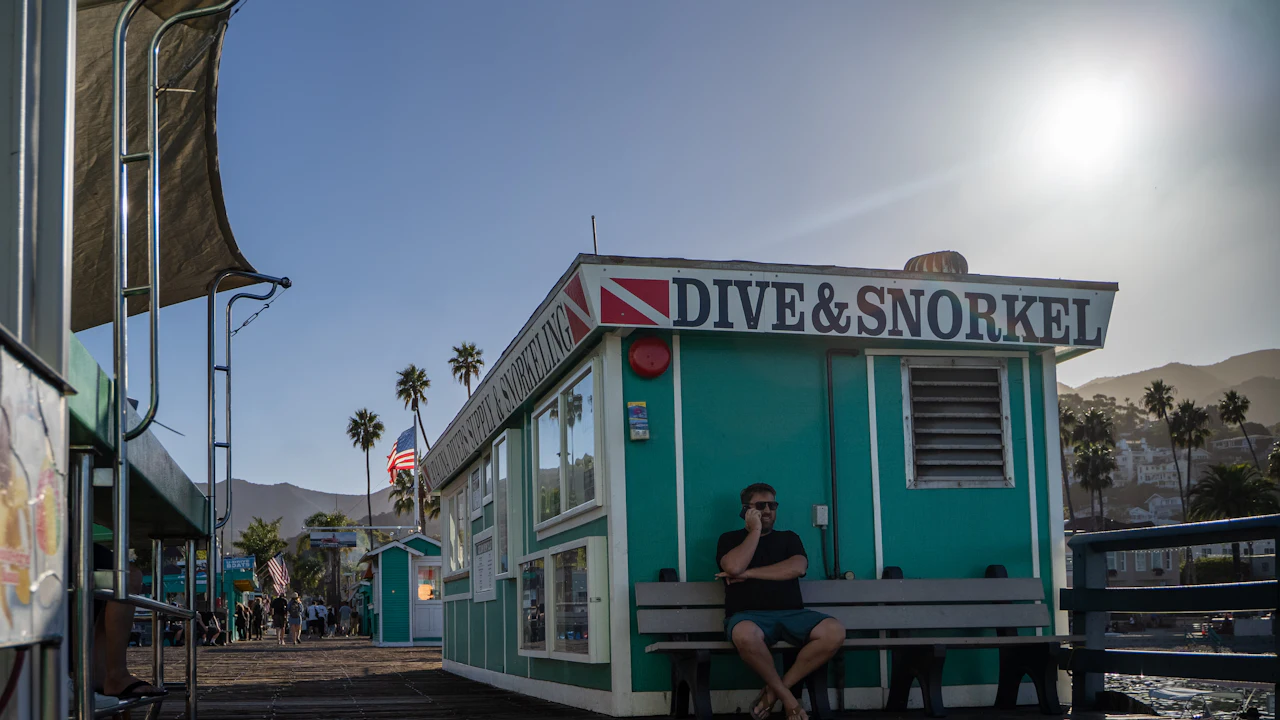
PADI notes that regulators and BCDs are often rented at first, and that many divers buy their own as they gain experience, because a well-fitting BCD improves comfort and buoyancy control. Renting on a dive trip is a low-risk way to try different styles in real conditions.
The equipment rental list on our homepage includes BCDs and regulators, and all our dives include tanks and weights. Our scuba gear rental guide for Ambergris Caye explains what to pack and what to rent. Many divers start by owning the personal pieces, like a mask and fins; our guide on how to choose scuba fins covers that step.
Whatever BCD you wear, buoyancy is a skill more than a product. Our buoyancy control tips for divers show how to get the most from any BCD. When you are done for the day, PADI advises rinsing it inside and out with fresh water, drying it out of direct sun and storing it partly inflated, with no weights left in the pockets.
Learn to dive with Elbert
White Sands Dive Shop is a 5 Star PADI Dive Facility on the beach in San Pedro, owned and operated by PADI IDC Staff Instructor Elbert Greer. Our overview of learning to dive on Ambergris Caye explains each course, and you will find current course prices on our Water Sports page.
Bryan Nelson wrote that a friend told his family they had found “perhaps the best possible open water instructor to take Sam on his certification dives.” His letter, and many more, are in the letters from Elbert’s dive students.
How to choose a BCD: your questions answered
What type of BCD is best for beginners?
PADI names the jacket style as the most popular for recreational diving, and it is a common first choice. The best BCD for you is still the one that fits well and feels comfortable when fully inflated.
What is the difference between a jacket and a back-inflate BCD?
A jacket BCD wraps air around your back and sides. A back-inflate BCD keeps the air behind you, which leaves your front less cluttered.
Should I try on a BCD with my wetsuit?
Yes. PADI suggests wearing a dry suit or thick wetsuit when trying a BCD on if you will dive in one, so the size is right.
Should I buy or rent my first BCD?
PADI notes that BCDs are often rented at first. Renting lets you try different styles and sizes before you commit to buying.
How do I store a BCD?
PADI advises rinsing it inside and out with fresh water, letting it dry out of direct sunlight, and storing it partly inflated in a cool, dry place without weights in the pockets.
Questions about gear before your trip?
If you are not sure what to bring and what to rent, or which course suits you, Elbert is happy to help. Email elbertgreer@fastmail.fm or call 011 (501) 226 2405.