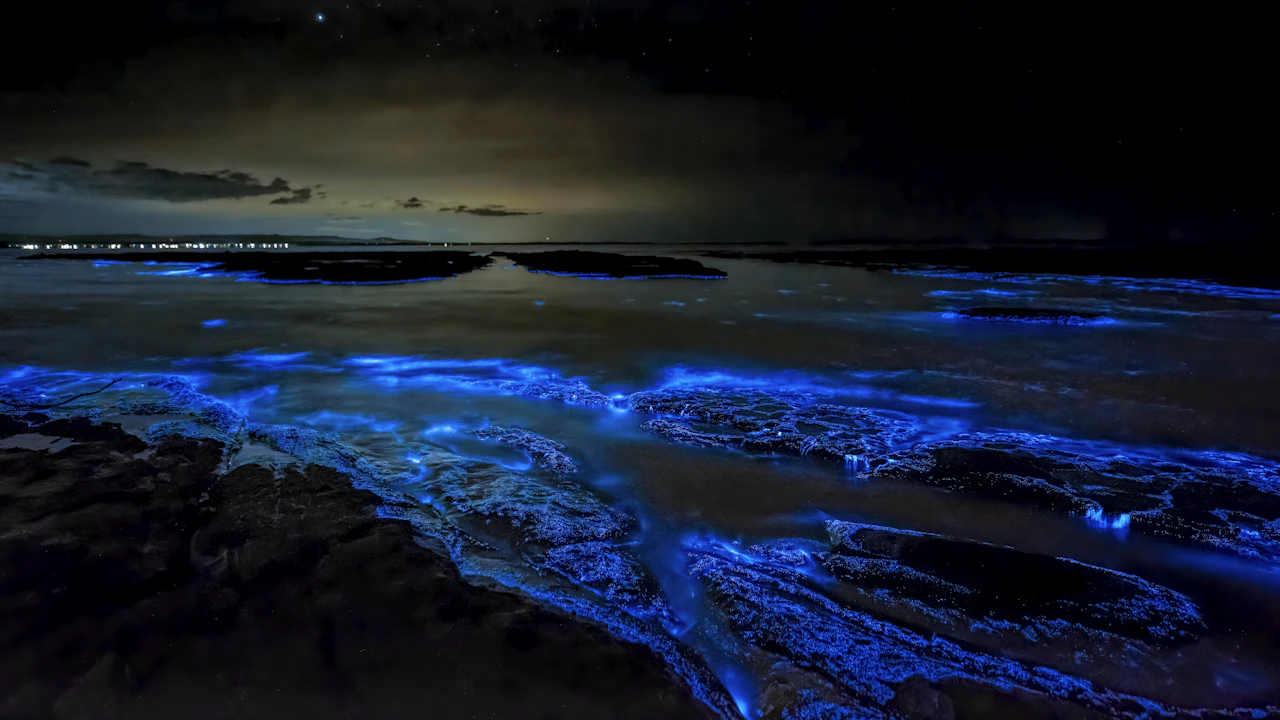
Wave your hand through dark seawater and, sometimes, the water answers with tiny sparks of light. That glow is one of the quiet wonders of diving after sunset, and a bioluminescence night dive is something many divers remember long after the trip.
This guide is for divers thinking about their first night dive and for anyone curious about glowing plankton. We explain what bioluminescence is, using the National Oceanic and Atmospheric Administration (NOAA) and National Geographic, what you might see, and how to give your eyes the best chance. The display is natural and varies, so nobody can promise it on a given night.
What can you see on a bioluminescence night dive?
Quick answer: Bioluminescence is light made by living things through a chemical reaction. On a night dive, the most common sight is sparks of mostly blue light when you move through the water, often from tiny plankton called dinoflagellates. Turn your light off or cover it, keep still with your buddy and give your eyes a few minutes.
What is bioluminescence?
NOAA defines bioluminescence as the production and emission of light by a living organism. The light comes from a chemical reaction that happens inside the animal, or in a substance it squirts out. It is not reflected light, so it shows up best in darkness.
It is also far from rare. NOAA says bioluminescent creatures live throughout the ocean, from the surface to the deep seafloor, and that most major groups of animals have glowing members, from bacteria to sharks. National Geographic goes further, reporting that 76 percent of ocean animals are bioluminescent.
Why sea creatures glow
According to NOAA, animals use their light to warn off or escape predators, to lure or find prey, and to communicate with their own species. In National Geographic’s guide to how bioluminescence works, each species’ light pattern is likened to a name tag that helps animals find mates.
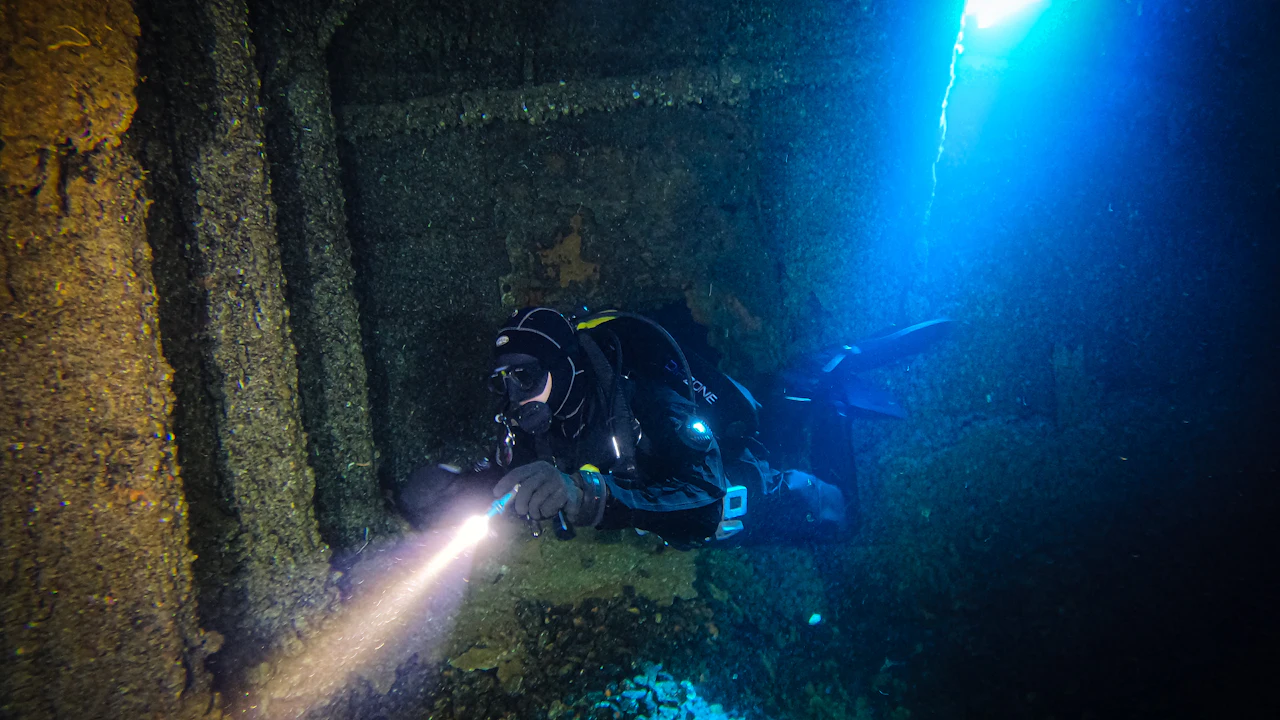
Glowing plankton and other lights in the dark
The sparkle most divers notice comes from plankton. National Geographic describes microscopic life called dinoflagellates, some of which light up through a chemical reaction much like a firefly’s. Their glow is strongest when the water is disturbed, so a fish swimming past can be outlined in light.
That is why a fin kick or a sweep of the hand can set off a trail of sparks. National Geographic notes that this plankton glow is usually blue, though very intense light can look white to human eyes.
Comb jellies and other glowing animals
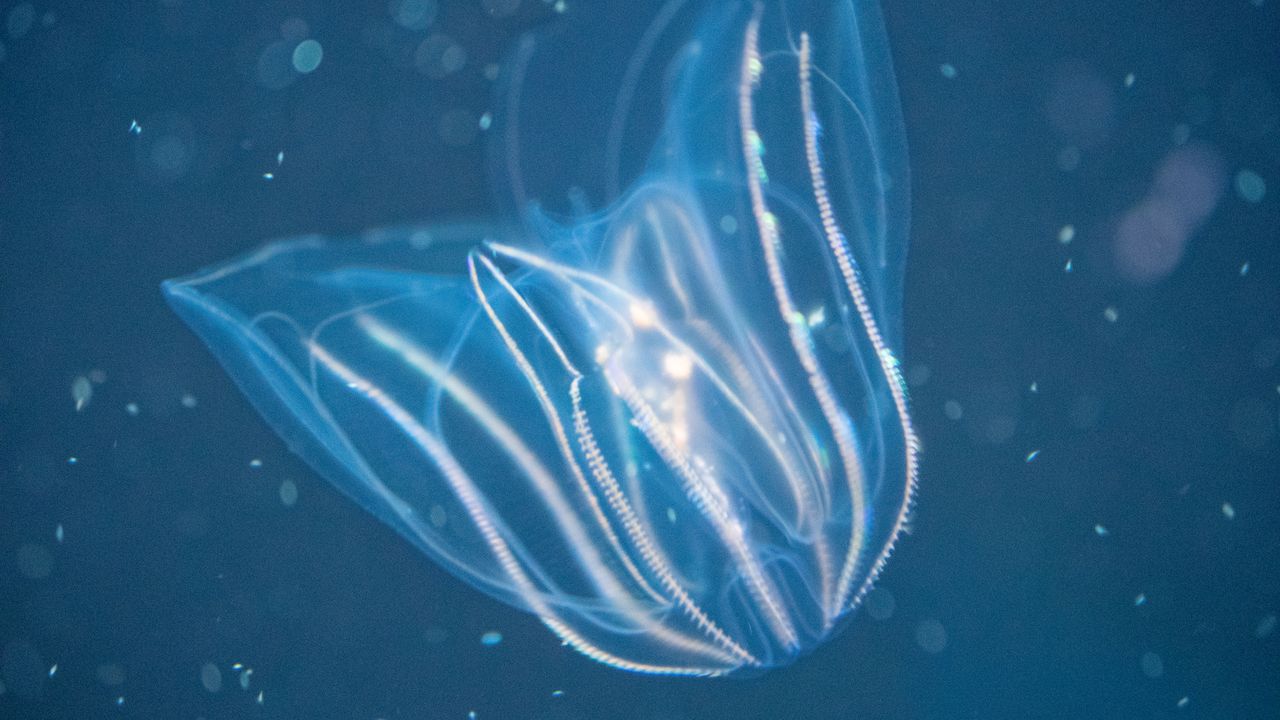
Plankton are not the only performers. National Geographic says comb jellies flash light to deter predators, and it lists sharks, squid and many deep-sea fish among the animals that make light. Most of the dramatic deep-sea glowers live far below recreational depths, so in shallow water the small stuff is usually the show.
Bioluminescence vs biofluorescence
The two words sound alike but describe different things. NOAA explains that biofluorescent organisms absorb light and give it back off as a different color, while bioluminescent organisms make light of their own.
| Feature | Bioluminescence | Biofluorescence |
|---|---|---|
| Where the light comes from | A chemical reaction inside the organism | Outside light absorbed and given back off |
| Color | Plankton glow mostly blue, per National Geographic | A different color from the light that hits it |
| Needs an outside light? | No, it is seen best in full darkness | Yes, something must shine on it |
| What sets it off on a dive | Movement in the water, such as a hand or fin | A light source pointed at the organism |
| Best way to see it | Lights off, eyes adjusted, slow movements | A light aimed at the subject |
The “lights off” moment on a night dive
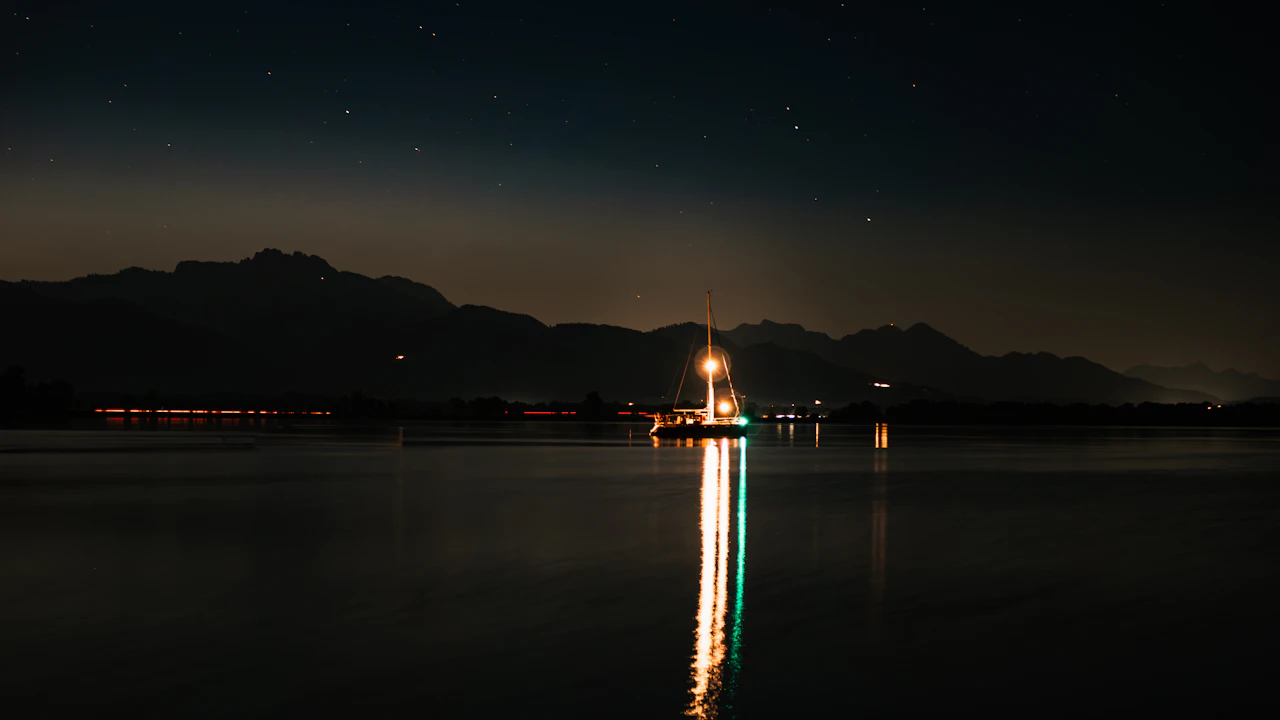
On many night dives around the world, the guide picks a calm spot and the group switches off or covers their lights for a short while. It can feel strange at first. Then your eyes start to pick up shapes, and any glowing plankton around you stand out against the dark.
Whether a group does this, and for how long, is always the guide’s call on the night. It depends on the site, the group and the conditions, so follow the briefing.
How to let your eyes adjust
- Settle first: get neutral and comfortable close to your buddy before the lights go off.
- Cover the light fully: press it against your body or switch it off so no stray beam spoils everyone’s view.
- Give it time: the first minute is the darkest, and the view improves as your eyes adapt.
- Move slowly: a gentle sweep of the hand is enough to show the sparks.
- Breathe easy: slow, steady breaths keep you relaxed and your buoyancy steady.

Night dive conduct and good habits
Darkness changes how you dive, so a few habits matter more than by day. Stay close to your buddy and the guide, and keep a hand on your light so you can switch it back on at once. Never touch or grab at glowing animals, and keep your fins well off the reef.
- Point your light down: never shine it into another diver’s eyes.
- Be gentle with animals: a bright beam held on a resting creature disturbs it, so look and move on.
- Agree on signals: review the light signals in the briefing before you get in.
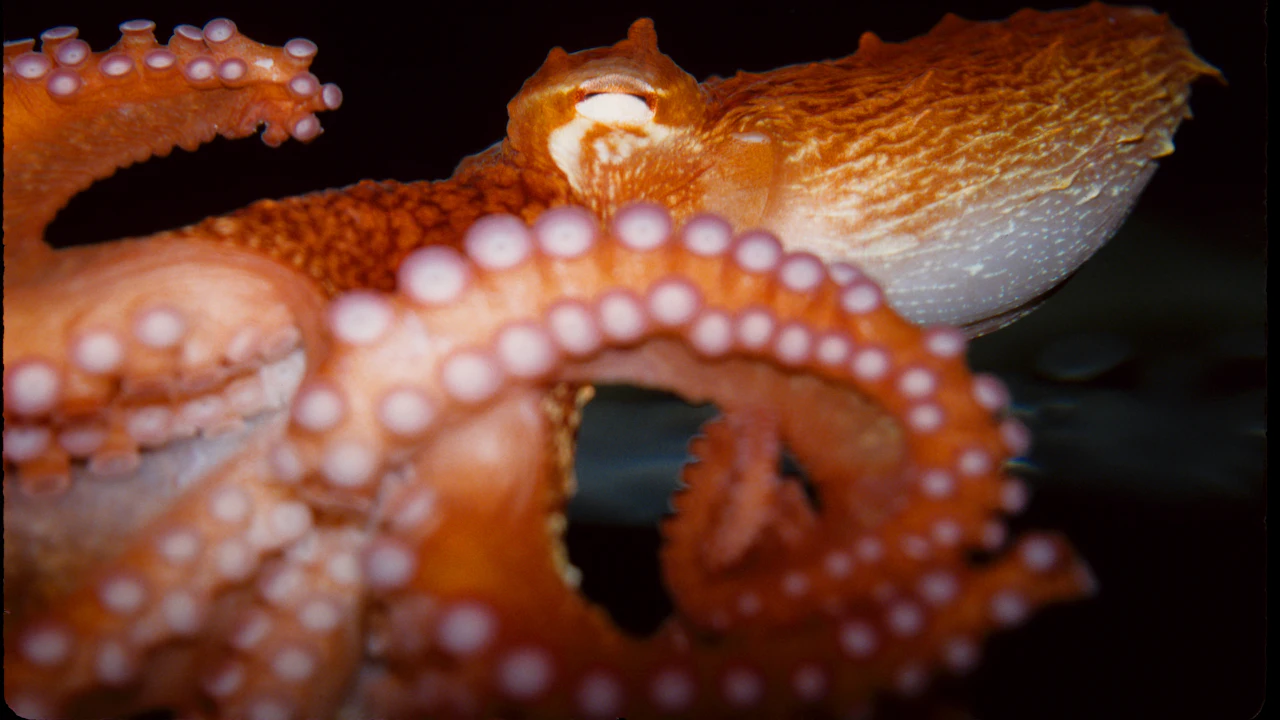
A night dive shows the reef in a different light. Our guide to the Caribbean reef octopus introduces one animal divers love to find, and our guide to coral spawning in Belize covers another natural event divers plan trips around.
Night diving with White Sands Dive Shop
White Sands Dive Shop is a 5 Star PADI Dive Facility on the beach in San Pedro, owned and operated by Elbert Greer, PADI IDC Staff Instructor. Our homepage lists a one-tank night dive, with the light not included, and a dive light is on our rental list. Read our night dive guide for Ambergris Caye for more, and our guide to scuba diving on Ambergris Caye for daytime trips.
Nervous about the dark? Minette Layne wrote of her refresher with Elbert that “you really calmed me down and set me up for a wonderful couple of weeks of diving and snorkeling.” Read more in our letters from students Elbert has taught, and see current prices on our Water Sports page of dives and PADI courses. Conditions matter after dark too, as our guide to how tides affect diving explains.
Bioluminescence night dive: your questions answered
What is bioluminescence?
NOAA defines bioluminescence as the production and emission of light by a living organism, made by a chemical reaction inside the organism or in a substance it releases.
What makes the water sparkle on a night dive?
Often it is plankton. National Geographic explains that some dinoflagellates light up through a chemical reaction and glow most strongly when the water is disturbed, usually in blue.
Will I definitely see bioluminescence on a night dive?
No one can promise it. The display is natural and changes from night to night, so treat any glow you see as a bonus.
Why do divers turn their lights off?
Bioluminescence is light made by the animals themselves, so it shows up best in darkness. Covering lights for a short while, when the guide calls for it, lets your eyes adjust and the glow stand out.
Is bioluminescence the same as biofluorescence?
No. NOAA explains that biofluorescent organisms absorb light and give it off as a different color, while bioluminescent organisms produce their own light.
Ask about a night dive
Want to try diving after dark? Email Elbert at elbertgreer@fastmail.fm or phone 011 (501) 226 2405. Tell us your dates and experience, and we will help you plan.