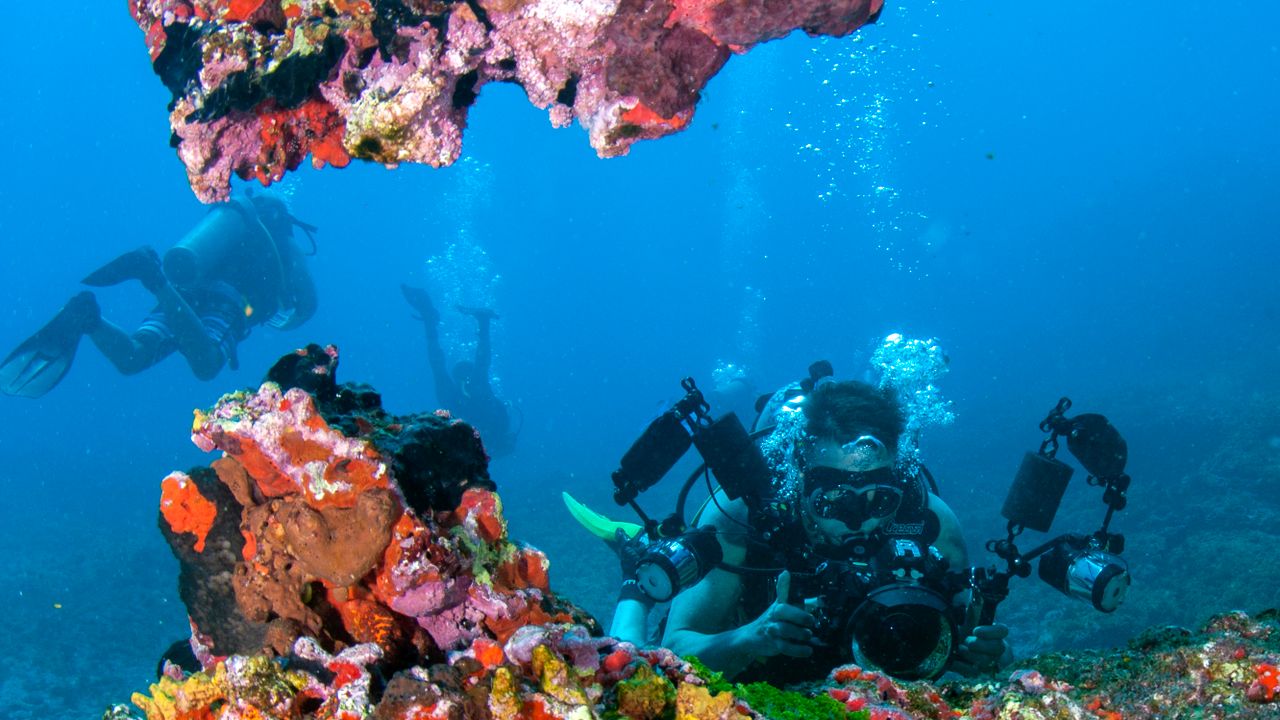
The sea is never quite still. Twice a day in most places the water rises and falls, and that rhythm moves a lot of water over reefs, sand flats and channels. Knowing how tides affect diving helps you understand why a site can feel calm one morning and lively the next.
This guide is for new divers and snorkelers who want a plain explanation of tides and tidal currents. The science comes from the National Oceanic and Atmospheric Administration (NOAA); the practical side is general advice, because every coastline differs.
How do tides affect diving and snorkeling?
Quick answer: Tides change three things divers notice: the current, the depth of water over a site and, often, the clarity. NOAA explains that tidal currents run in with the rising tide and out with the falling tide, with a brief slack water period near high or low tide. Stronger spring tides come around full and new moons.
What are tides?
NOAA describes tides as waves that start in the oceans and travel toward the coast, where they show up as a regular rise and fall of the sea surface. They are driven by the pull of the moon and the sun. High tide is when the crest of that wave reaches a place, and low tide is when the trough arrives.
The difference in height between high and low tide is called the tidal range. It changes from place to place and from week to week.
Why tide times shift each day
NOAA notes that most coastal areas have two high tides and two low tides each day, with some exceptions. High tides come about 12 hours and 25 minutes apart, and a full lunar day lasts 24 hours and 50 minutes. So the tide arrives roughly 50 minutes later each day, and yesterday’s timing will not match today’s.
Tides and currents for divers
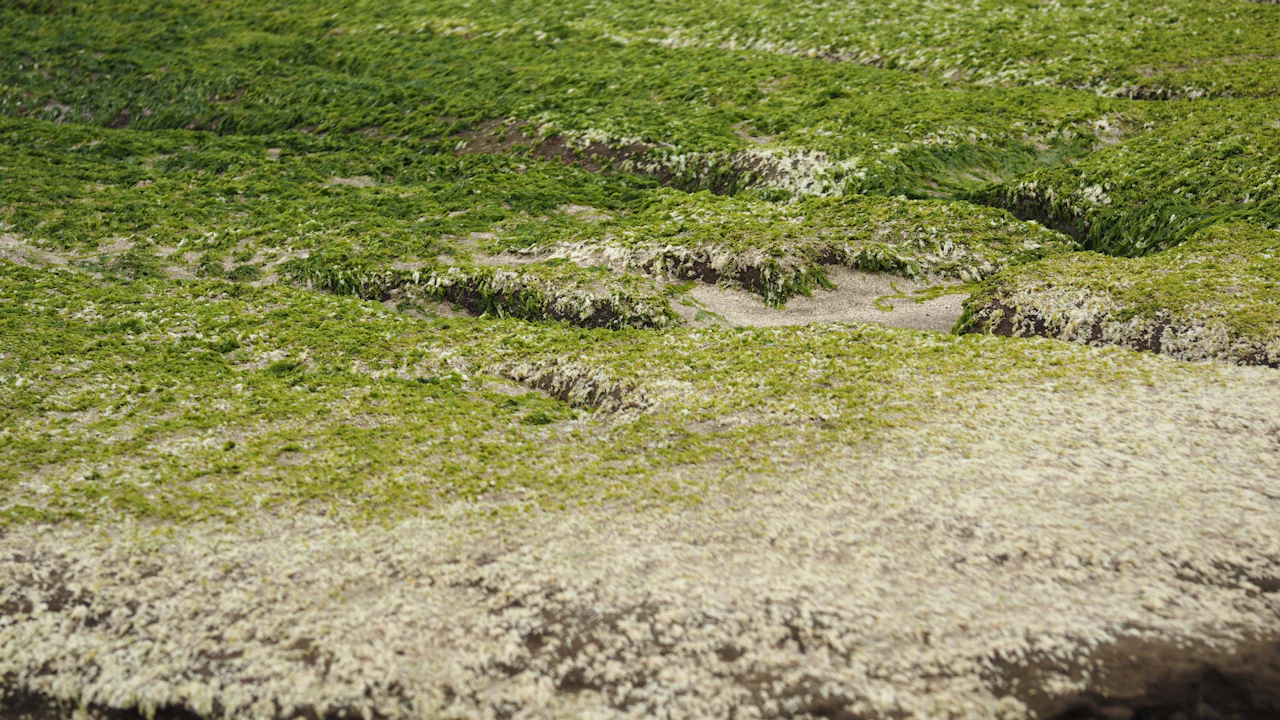
For a diver, the rise and fall itself matters less than the moving water it creates. According to NOAA’s guide to tidal currents, the vertical motion of the tide near shore pushes water sideways. When that current moves toward land it is said to flood, and when it moves back out to sea it ebbs.
Slack water
Between flood and ebb, the current pauses and turns around. NOAA calls this short pause slack water, a period of little or no flow that generally lines up with high or low tide. NOAA adds that these reversing currents are typical of coastal rivers and estuaries, so how long slack lasts depends on the shape of each place.
Slack water is why divers talk about timing a dive “on the tide”. Less current means an easier descent and a more relaxed swim.
Tides are not the only current
NOAA points out that tidal currents are the only kind of current shaped by the earth, moon and sun together. Other forces, wind among them, move water too. So a calm tide does not always mean calm water.
Some divers enjoy current on purpose. Our guide to drift diving tips for riding the current explains how a moving dive works and how to stay relaxed in it.
Spring tides, neap tides and the moon
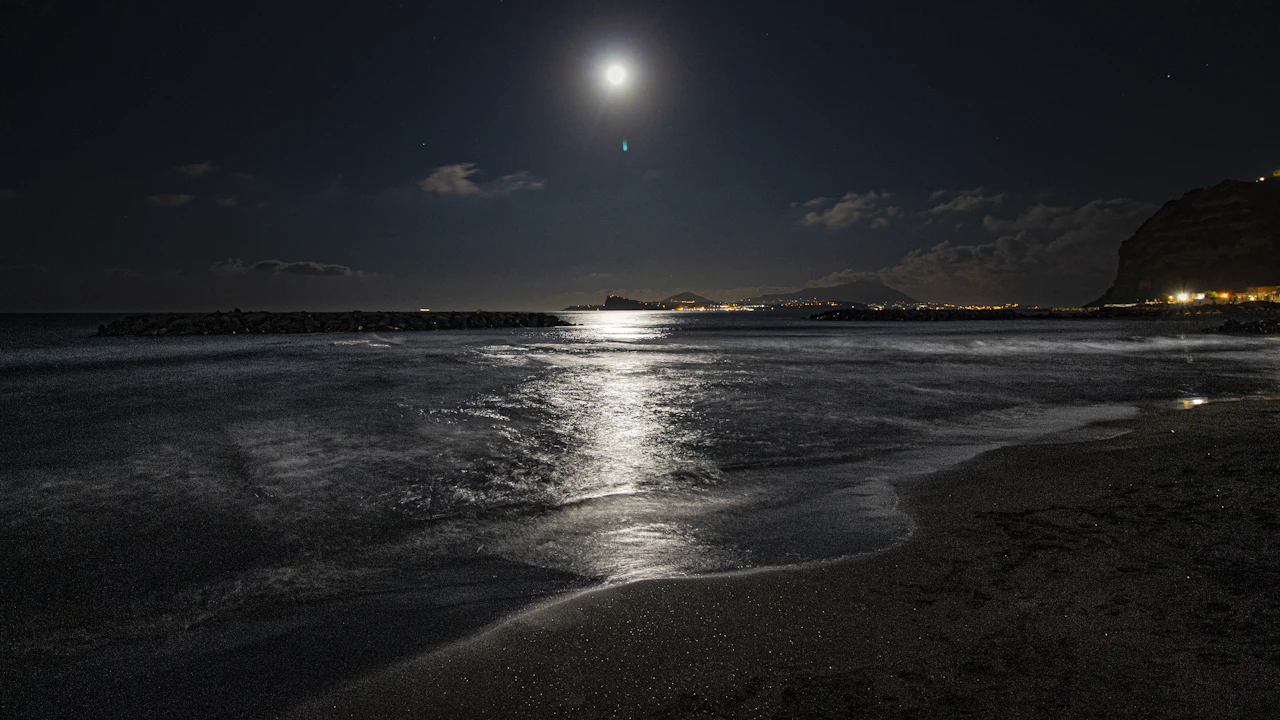
The size of the tide follows the moon. NOAA’s page on tidal variations explains that when the sun, moon and earth line up, their pulls add together and make extra-high high tides, called spring tides. When the sun and moon sit at right angles, they partly cancel out and give moderate neap tides.
Each lunar month brings two sets of spring tides and two sets of neap tides. NOAA’s current tutorial adds that tidal currents are strong around the full and new moon and weak around the first and third quarter. Ranges also run above average when the moon is closest to the earth.
Here is how the main tide phases compare. Treat the right-hand column as general patterns.
| Tide phase | What the water does (NOAA) | What it can mean in the water |
|---|---|---|
| Flood (rising) | Current moves toward land | Water flows in over the reef; depth over shallow sites increases |
| High slack | Little or no flow near high tide | Easy swimming and the most water over shallow areas |
| Ebb (falling) | Current moves back out to sea | Water drains off flats and through channels; depth drops |
| Low slack | Little or no flow near low tide | Calm water but the least depth over shallow sand and coral |
| Spring tides | Larger range, strong currents, around full and new moon | Stronger flow between slacks; plan with care |
| Neap tides | Moderate range, weak currents, around quarter moons | Gentler flow through more of the day |
How tides change depth and visibility
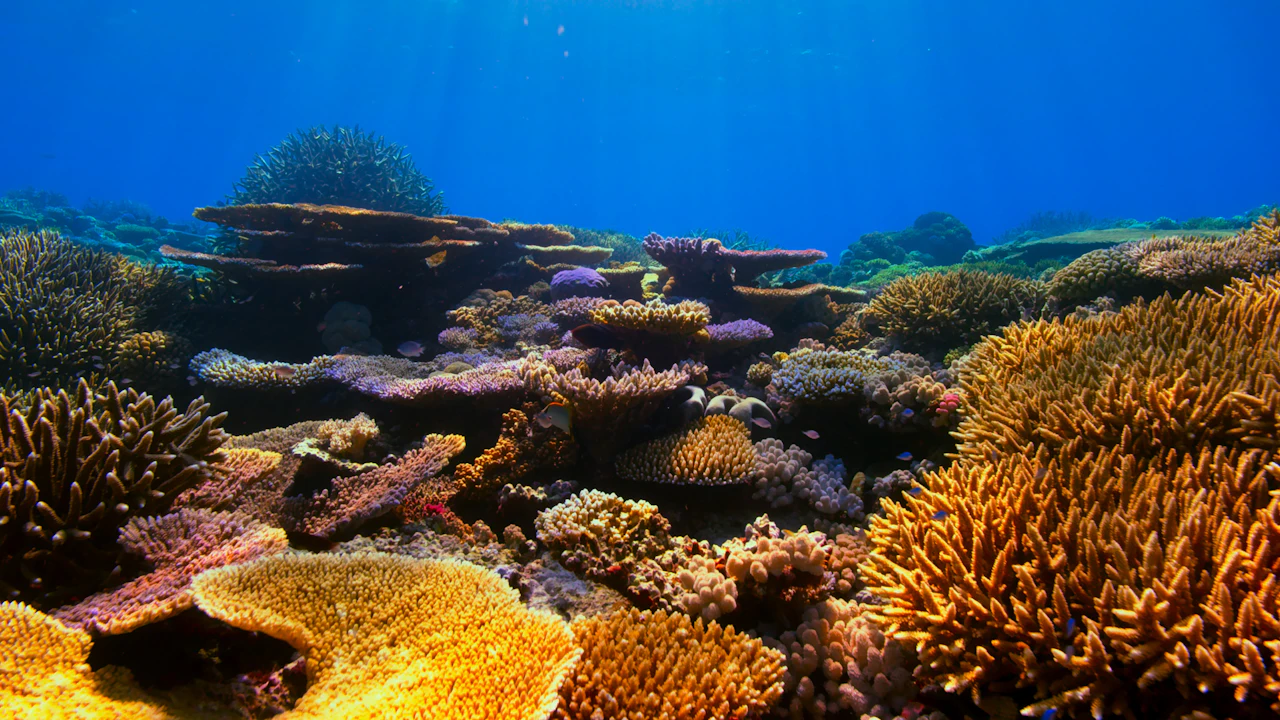
Depth is the simplest effect. The tidal range is literally the change in water height, so at low tide there is less water between you and a shallow reef top or sand flat. Over shallow coral, that can matter.
Visibility is harder to predict. Moving water can lift sand and fine sediment, and water flowing off shallow flats may carry more of it than water arriving from open sea. The pattern varies by site, so local knowledge is the real guide.
Best tide for snorkeling
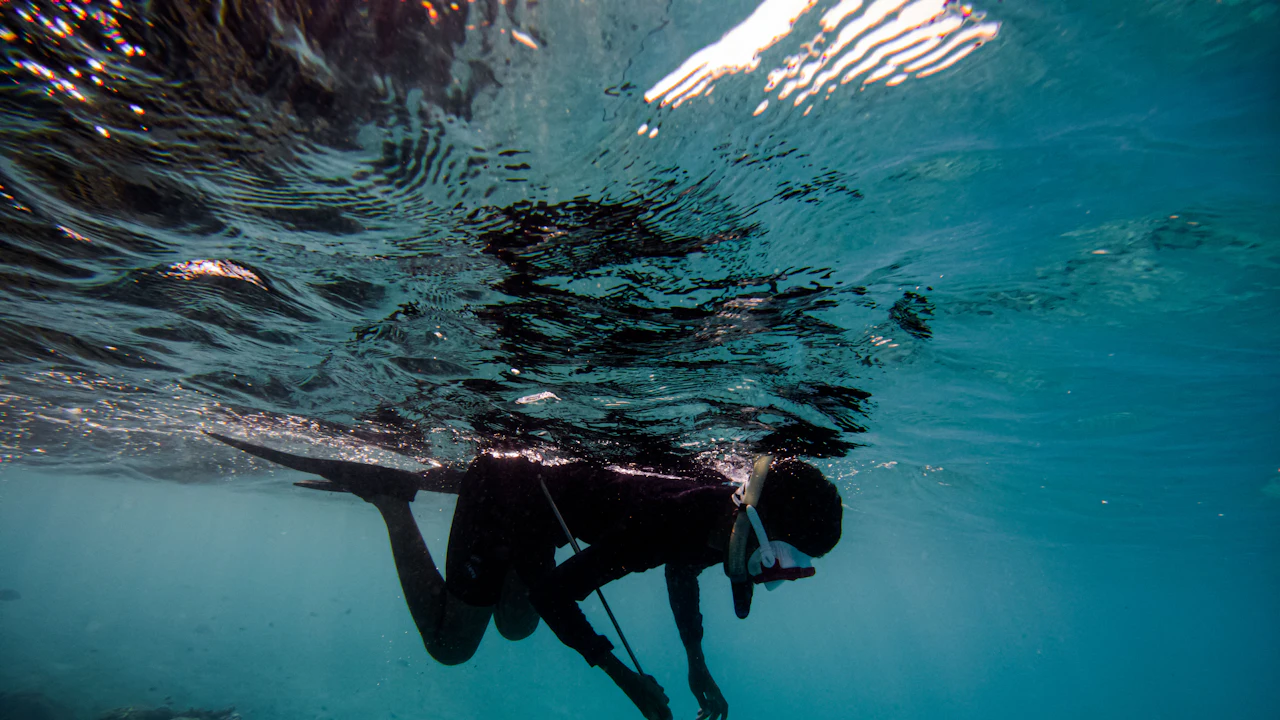
Snorkelers feel tides more than divers do, because they float right at the surface over the shallowest water. Gentle current and enough depth to float comfortably over coral are what you want. For more on staying relaxed at the surface, see our snorkeling tips for beginners.
Planning dive and snorkel times around the tide
On a guided boat trip, the guide or captain normally chooses the site and timing, so you do not need to read a tide chart yourself. These general habits still help:
- Listen to the briefing: the guide will describe the current and the plan for it.
- Remember the 50-minute shift: tide times move later each day, so last week’s timing is no guide.
- Watch the moon: around full and new moon, expect stronger tidal currents.
- Say if you are unsure: tell the guide if current makes you uneasy, so the plan can suit you.
The tide also shapes a night in the water. If you are thinking about diving after dark, read our guide to seeing bioluminescence on a night dive.
Diving the barrier reef with Elbert
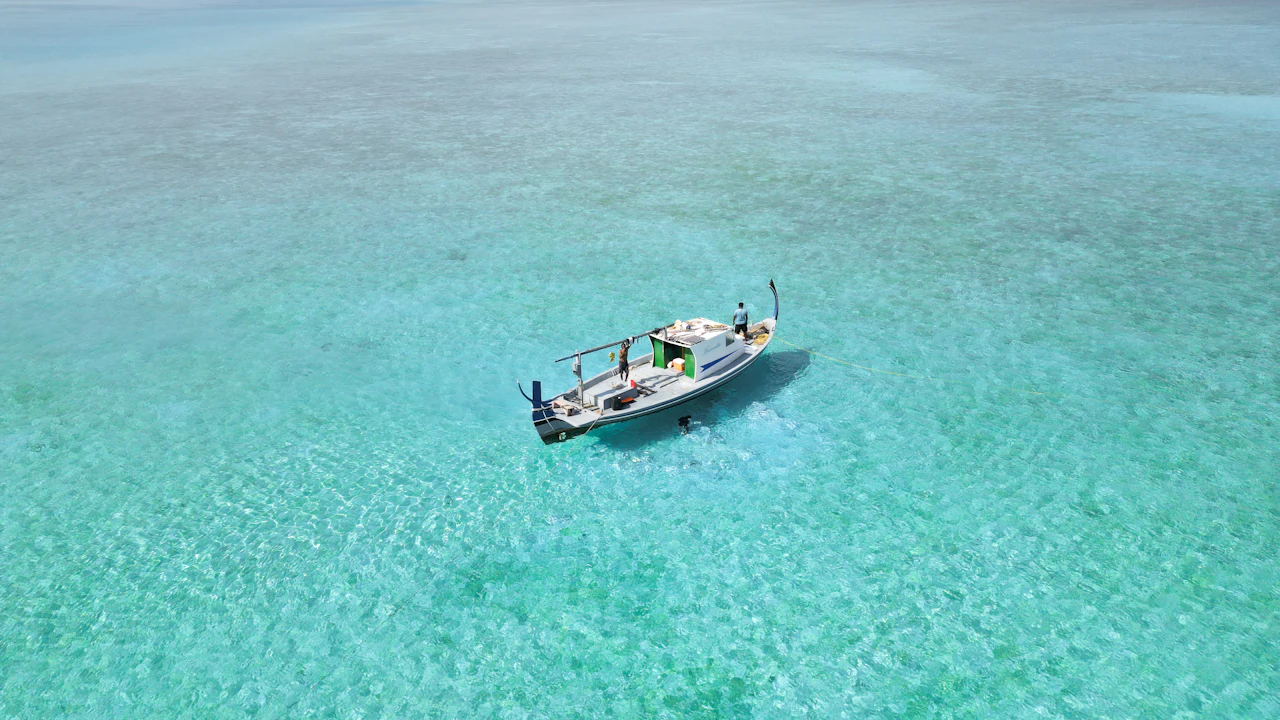
White Sands Dive Shop is a 5 Star PADI Dive Facility on the beach in San Pedro, owned and operated by Elbert Greer, PADI IDC Staff Instructor. We offer daily diving, SCUBA instruction and snorkeling, and local trips leave at 9:00. Our guide to scuba diving on Ambergris Caye covers the barrier reef dives we run.
Students notice the care Elbert takes with conditions. Vivake K. Bhalla wrote that he “was very friendly and fun, but equally very strict about safety”. Read more in our letters from students Elbert has taught, and find dives, courses and current prices on our Water Sports page of dives and PADI courses.
How tides affect diving: your questions answered
Is it better to dive at high tide or low tide?
There is no single rule. High tide puts more water over shallow sites, and the slack water near either high or low tide usually brings the least current, but each site behaves differently, so follow the local guide.
What is slack water?
NOAA describes slack water as the brief period of little or no current when a tidal current turns between flood and ebb. It generally coincides with high or low tide.
Do spring tides mean stronger currents?
Yes. NOAA says tidal currents are strong around the full and new moon, called spring currents, and weak around the first and third quarter moon, called neap currents.
Why does the tide come at a different time each day?
NOAA explains that a lunar day lasts 24 hours and 50 minutes, so high and low tide arrive about 50 minutes later each day.
Do I need to read a tide chart for a guided dive?
No. On a guided boat trip the guide or captain normally chooses the site and timing. Understanding tides helps you follow the briefing.
Plan your dive or snorkel
Questions about conditions or which trip suits you? Email Elbert at elbertgreer@fastmail.fm or phone 011 (501) 226 2405. Tell us your dates and experience, and we will help you plan.