A little planning before you fly keeps a dive trip on track. These Belize travel health tips gather what the US Centers for Disease Control and Prevention (CDC) tells travelers to Belize, plus the diver-specific points we see visitors ask about most.
We are a dive shop, not a clinic, so nothing here is medical advice for you personally. Use this page to prepare your questions, then see a doctor or travel-medicine provider before your trip. The CDC suggests checking its vaccine and medicine list at least a month before you travel.
What are the most important Belize travel health tips?
Quick answer: The CDC advises being up to date on routine vaccines, including measles, and recommends hepatitis A and hepatitis B for most unvaccinated travelers. Prevent mosquito bites, follow safe food and water habits, and protect yourself from sun and heat. See a travel-medicine provider at least a month before you leave.
Vaccines for Belize: what the CDC lists
The CDC’s travel health page for Belize is the source for this whole section. It starts with routine vaccines: the CDC says to be up to date on them before every trip, and all international travelers should be fully vaccinated against measles.
Which travel vaccines you need depends on your age, health, plans and length of stay. The table sums up what the CDC page says, so you can talk it through with your provider.
| Vaccine or medicine | What the CDC says for Belize | Ask your provider about |
|---|---|---|
| Routine vaccines, including measles (MMR) | Be up to date before every trip | Whether any boosters are due |
| Hepatitis A | Recommended for unvaccinated travelers one year and older | Timing if you leave soon |
| Hepatitis B | Recommended for unvaccinated travelers under 60 | Options if you are 60 or older |
| Typhoid | Consider for rural areas, long stays or visiting friends and relatives | Whether your plans call for it |
| Rabies | Depends on your activities and access to care | Pre-exposure vaccination |
| Malaria | A risk in some parts of Belize | Whether your itinerary needs medicine |
| Yellow fever | Not recommended by CDC and not required for entry | Nothing, unless your route changes |
| Chikungunya | Vaccination generally not recommended | Bite prevention instead |
If malaria medicine is prescribed for your route, the CDC says to fill it before you leave and bring enough for the whole trip. Some pills must be started before departure, and some must be continued after you get home.
Mosquito-borne illness and bug bites
The CDC lists dengue and Zika in Belize, both spread by mosquito bites, and notes that Zika can pass from a pregnant woman to her baby. If you are pregnant or planning a pregnancy, raise Zika with your doctor before you book.
There is no shot for most of these, so bite prevention does the work. The CDC suggests these steps:
- Cover up with long sleeves, long pants and a hat when bugs are out.
- Use a repellent as directed. For mosquitoes the CDC names DEET, picaridin, oil of lemon eucalyptus (OLE), para-menthane-diol (PMD), IR3535 and 2-undecanone, with higher percentages lasting longer.
- Treat clothing and gear with permethrin, but never put permethrin on your skin.
- Stay in air-conditioned or screened rooms, and use a bed net if you sleep outdoors.
Staying healthy in Belize: food, water and hygiene
The CDC notes that food and water standards vary around the world, and points travelers to its safe food and drink guidance. Simple habits help most: wash your hands often, and carry a hand sanitizer with at least 60 percent alcohol for times when soap isn’t handy.
The CDC also flags water safety. It advises swimming only in designated areas, never diving into shallow water, and avoiding swallowing water. It warns against swimming in fresh, unchlorinated water such as lakes, ponds or rivers because of leptospirosis, so ask your provider about any river plans.
Animals are the other point. The CDC says not to touch or feed unknown animals, including dogs. If you are bitten or scratched, wash the wound with soap and water and see a doctor right away.
Sun, heat and staying hydrated
Tropical sun is strong, and a day on a boat adds glare off the water. The CDC recommends sunscreen with an SPF of at least 15, protective clothing, and shade between 10 a.m. and 4 p.m. Our reef-safe sunscreen guide for divers and snorkelers helps you pick a product.
Heat illness, including heat stroke, can be deadly, the CDC warns. It advises eating and drinking regularly, wearing loose, lightweight clothing and limiting activity in high heat. If you are outside for many hours, it suggests salty snacks and water.

Health tips for divers in Belize
Diving adds a few points to the general advice. We cover each one in its own guide:
- Hydration: sun, heat and dive days add up. Read our guide to dehydration and scuba diving.
- Boat rides: if you get queasy, plan ahead with our seasickness tips for divers, and ask your doctor about any medicine.
- Fitness to dive: look over the scuba diving medical questionnaire before your trip, so any doctor’s sign-off is done at home.
- Flying home: plan your last dive around your flight with our flying after diving guide.
- Insurance: the CDC suggests travelers consider travel health and medical evacuation insurance. Our dive insurance guide for Belize explains the options for divers.
On any boat, the CDC advises wearing life jackets and not drinking alcohol while operating it. For the trips themselves, start with our guide to scuba diving on Ambergris Caye, and our list of things to do in San Pedro Belize for the days in between.
Medicines, medical care and after your trip
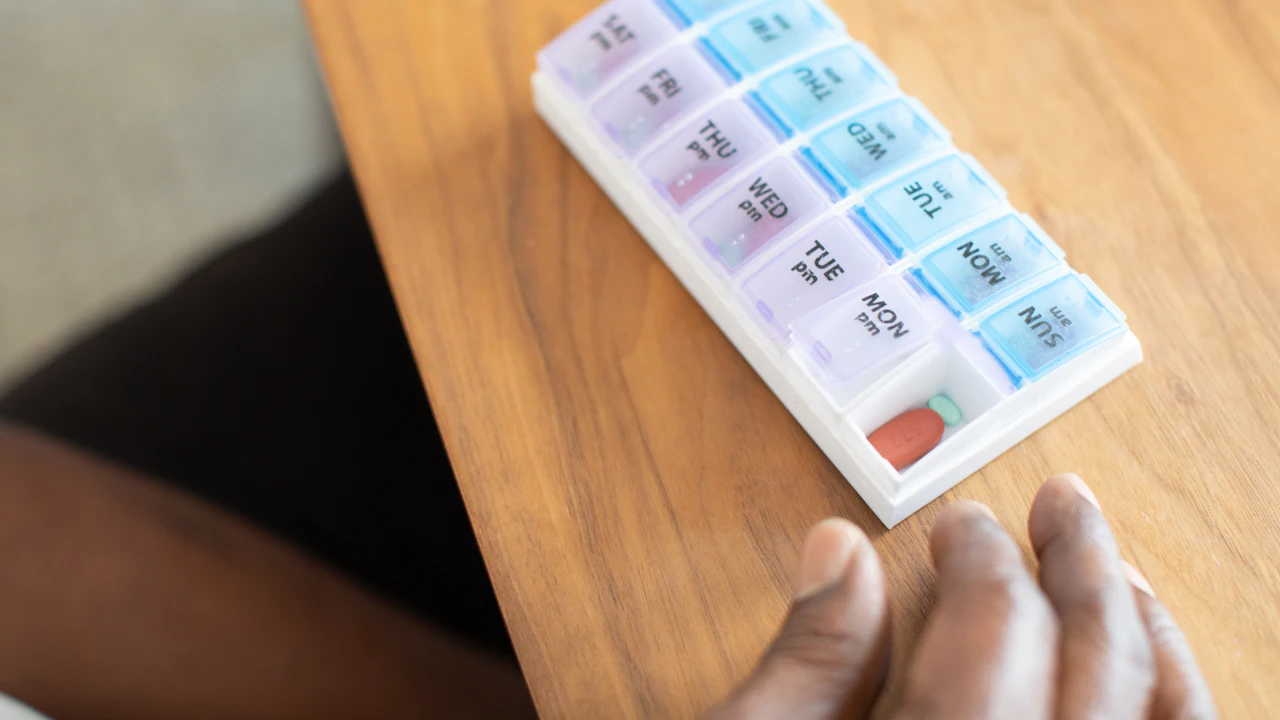
The CDC suggests carrying a list of local doctors and hospitals, and a card with your blood type, conditions, allergies and the generic names of your medicines. Bring enough of your prescriptions for the trip, plus extras, and check with the Belize embassy that they are legal to bring in.
If you feel unwell after you get home, see a doctor and tell them where you went and what you did. The CDC says a fever during or up to one year after travel to a malaria-risk area needs immediate medical attention. Our guide on how to get to Ambergris Caye covers the travel itself.
Safety-minded instruction
White Sands Dive Shop is a 5 Star PADI Dive Facility in San Pedro, owned and operated by Elbert Greer, PADI IDC Staff Instructor. One student, Vivake K. Bhalla, described Elbert as “very friendly and fun, but equally very strict about safety.” Read more in our letters from students Elbert has taught.
Belize travel health tips: your questions answered
What vaccines do I need for Belize?
The CDC advises being up to date on routine vaccines, including measles, and recommends hepatitis A and hepatitis B for most unvaccinated travelers. Typhoid and rabies depend on your plans, so ask a travel-medicine provider.
Is yellow fever vaccine required for Belize?
The CDC says yellow fever vaccine is not recommended for Belize and is not required for entry.
Do I need malaria pills for Belize?
The CDC lists malaria as a risk in some parts of Belize. Whether you need medicine depends on where you go, so ask your provider about your itinerary.
How far ahead should I see a doctor?
The CDC suggests checking the vaccines and medicines you need at least a month before your trip.
What sunscreen does the CDC recommend?
The CDC recommends sunscreen with an SPF of at least 15, plus protective clothing and shade between 10 a.m. and 4 p.m.
Questions before your trip?
For questions about diving, courses or what to bring on the boat, email Elbert at elbertgreer@fastmail.fm or phone 011 (501) 226 2405. For health questions, your doctor is the right person to ask.