
The back roll entry in scuba diving is the one you see in every dive film: a row of divers sitting on the side of a small boat, then tipping backward into the sea. It can look odd, and going in without seeing the water behind you makes some new divers nervous. In practice it is a calm, simple entry, and it exists for a good reason.
This guide is for Open Water students, new divers and travelers heading out on smaller dive boats. We explain when divers use the back roll, what PADI’s own blog says about doing it well, and how it compares with the giant stride. Think of it as background reading rather than training: an instructor teaches you the real skill, and the boat crew has the final word.
What is a back roll entry in scuba diving, and when is it used?
Quick answer: A back roll is a seated entry: you sit on the side of a small boat, facing in, and roll backward into the water. PADI calls it a favorite on smaller boats because sitting is easier than standing when waves rock the boat. Have your gear on, regulator in, enough air in your BCD to float, and wait for the crew.
Why small boats use the backward roll
PADI’s article One Small Step, on picking an entry, starts with three questions: what surface you are entering from, how deep the water is, and what the conditions are like. A platform, a large deck and a small inflatable each call for different entries.
For the backward roll, PADI’s reason is simple. When waves make a small boat pitch, sitting is easier than standing, so the roll is a favorite there. Standing up in full gear on a small, moving boat is harder than sitting on its edge and rolling off.
Inflatable boats and RIBs
PADI’s guide to what to expect on a boat dive describes RIBs (rigid inflatable boats) as fast and able to reach places larger boats cannot. Divers typically sit on the inflatable tubes or seats, and RIB diving is less stable and very hands-on. Entering the water, the guide says, is a simple roll backward off the tubes.

Back roll or giant stride?
On larger hard boats, PADI’s boat guide says the entry is usually a giant stride from the side or stern. Our guide to the giant stride entry from a boat deck walks through that method. Here is how the two compare.
| Question | Back roll | Giant stride |
|---|---|---|
| Typical boat | Smaller boats, inflatables and RIBs | Large boats, platforms, hard boats |
| Your position | Seated on the edge, back to the water | Standing at the edge, facing the water |
| Why it suits | Sitting is easier than standing when waves rock the boat | Popular for deeper water from a higher, stable deck |
| Which way you face | Toward the boat, so you cannot see where you land | Toward the water; look forward after checking below for rocks or divers |
| Who says go | The crew | The crew |
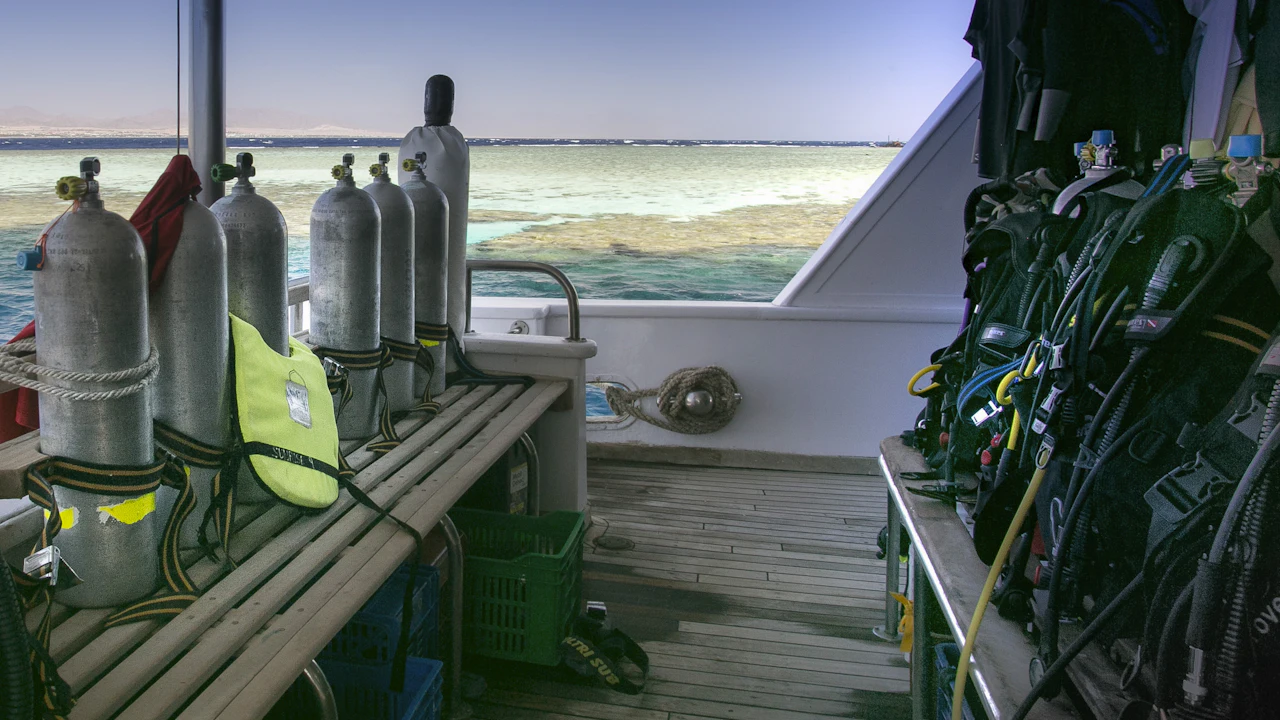
Back roll entry scuba diving, step by step
PADI’s blog does not publish a single numbered list for the back roll the way it does for the giant stride. Its articles on entries, boat dives and surface habits do state the essentials, and we have put them in order here. Your instructor will show you the full technique.
- Check your gear before you sit down to go in: fins, weights and mask.
- Sit on the tube or edge of the boat, facing in, with your back to the water.
- Have all your gear in place, including your mask and regulator.
- Put a reasonable amount of air in your BCD so you will float at the surface.
- Wait until the crew says to go. Never enter before.
- Roll backward off the side into the water.
- At the surface, add more air if you are not positively buoyant.
- Stay positively buoyant and keep away from the propeller.
Check your gear before you roll
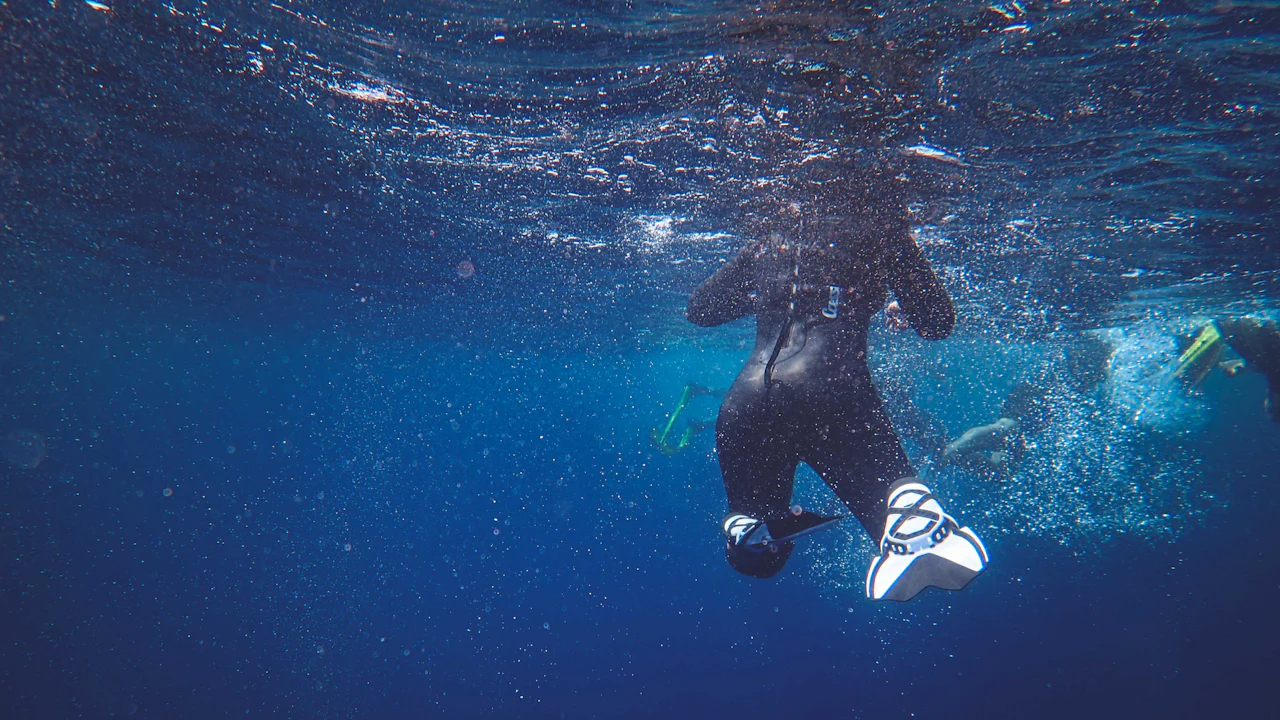
PADI’s blog on being a good dive guest has a line every new diver remembers: it is somewhat hilarious to complete a perfect backward roll into the water only to realize you have no fins or weights. Its advice is to check your gear before you get in. The buddy pre-dive safety check we teach new divers turns that into a habit.
Gear in place and air in the BCD
PADI’s guide to good surface habits says to enter the water with all gear in place, including your mask and regulator. You should have a reasonable amount of air in your BCD (the inflatable vest, or buoyancy control device) so you float, and be ready to add more after entry if you are not positively buoyant.
Wait for the crew
Because you go in backward, you cannot see the water you are landing in. That is one reason the crew’s go-ahead matters so much. PADI’s boat dive guide is direct: never enter the water until the crew says so, and keep away from the propeller.
Pay attention to the boat and dive briefings, since they explain how and when to get ready. If anything is unclear, ask before you sit down on the edge, not after.
Small boat manners and learning the skill
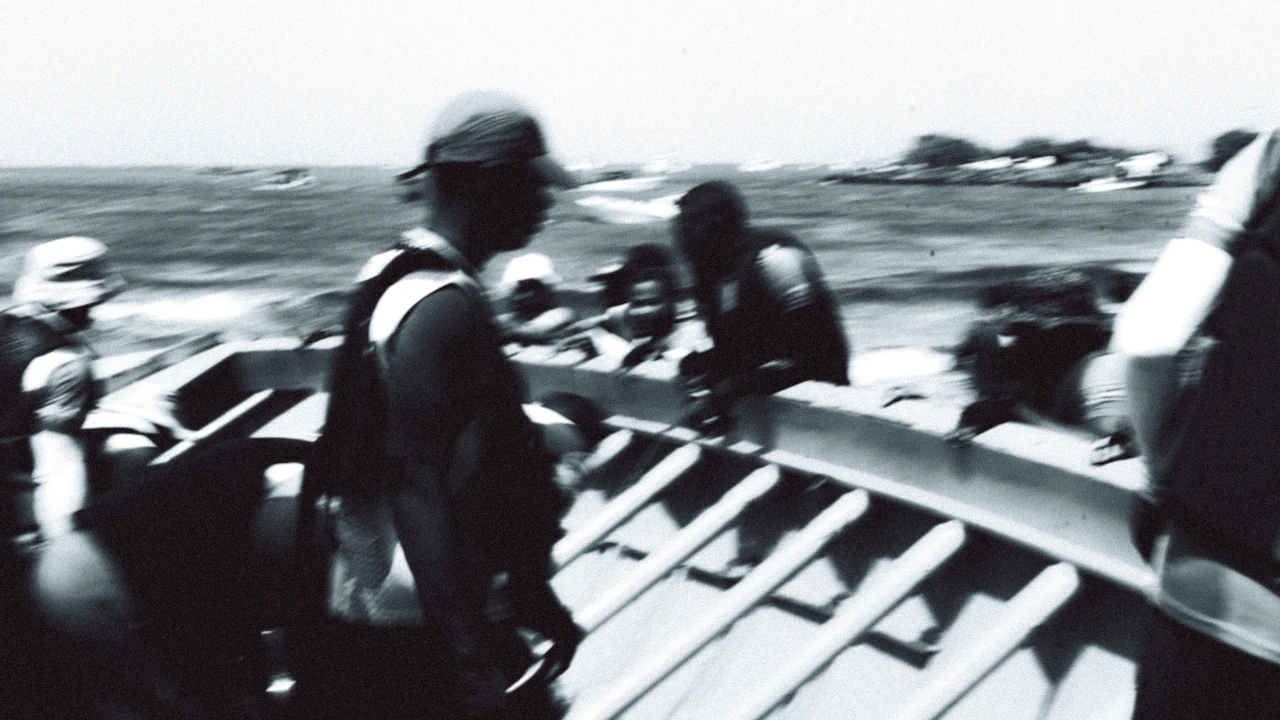
Space is tight on a small boat. PADI’s boat guide says to be ready to help others when kitting up, and to accept help yourself. For sharing the boat, stowing gear and listening to the crew, see our etiquette guide for your first dive boat trips.
PADI’s blog on the four Open Water dives notes that you enter using a giant stride, a backroll, or whatever is best for the conditions. In other words, entries are part of your training, with an instructor beside you. You can read about the Open Water Diver course with Elbert in San Pedro, or start with our overview of learning to dive on Ambergris Caye.
Learn with Elbert
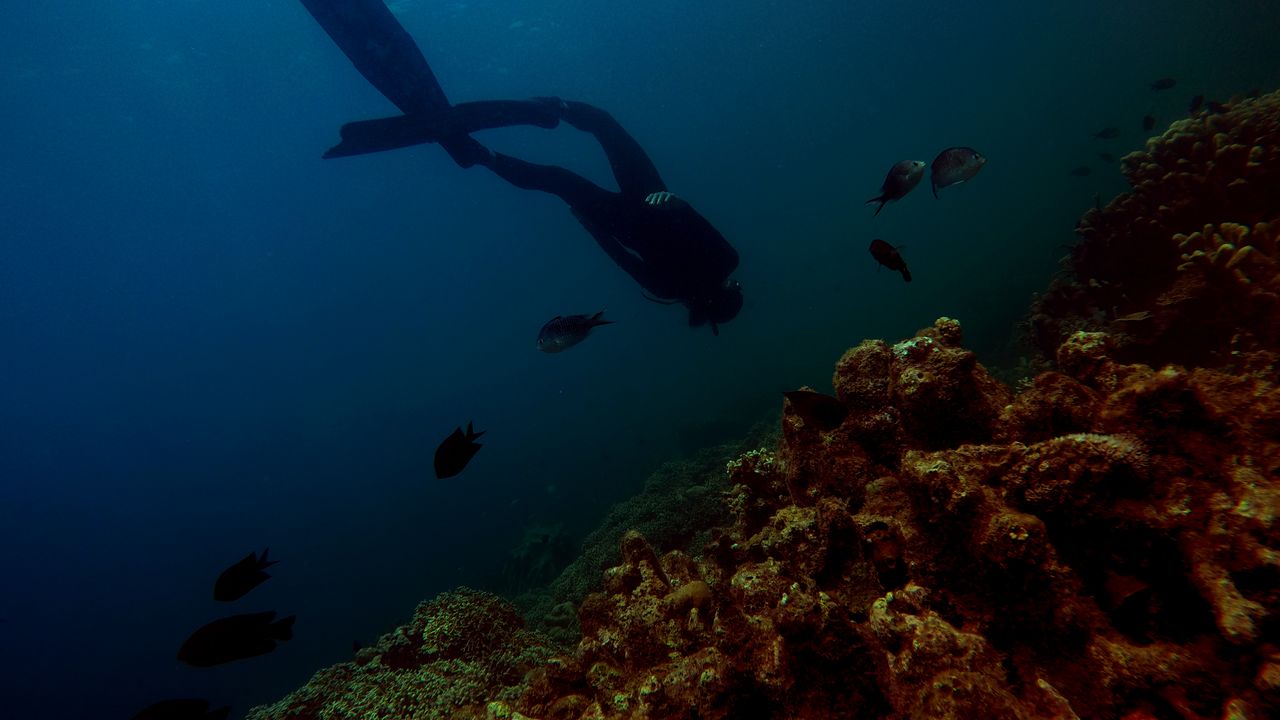
Our shop, White Sands Dive Shop, sits on the beach in San Pedro and is a 5 Star PADI Dive Facility. Its owner and operator, Elbert Greer, a PADI IDC Staff Instructor, offers daily diving, SCUBA instruction and snorkeling.
Nervous first-timers are in good hands. One student, Susan, wrote to Elbert: “You truly put me at ease and made the whole experience fun.” Other students describe their courses in their own letters to Elbert, and our Water Sports page lists current course prices.
Back roll entry scuba diving: your questions answered
Why do scuba divers fall backward off the boat?
PADI calls the backward roll a favorite entry on smaller boats because sitting is easier than standing when waves make the boat pitch. On inflatable boats, divers sit on the tubes and roll backward off them.
Should my BCD have air in it for a back roll?
Yes. PADI says to enter with a reasonable amount of air in your BCD so you float at the surface, and to add more after entry if you are not positively buoyant.
When do I roll in?
Only when the crew says so. PADI’s boat dive guide says never to enter the water until the crew gives the go-ahead, and to keep away from the propeller.
Is a back roll better than a giant stride?
Neither is better; they suit different boats. The back roll suits smaller boats, while a giant stride is usual from the side or stern of larger hard boats.
Can I learn the back roll from an article?
An article helps you picture it, but it is not a substitute for training. You learn boat entries with an instructor and follow the crew’s instructions on every boat.
Ask us before your first boat dive
Questions about boat entries, or ready to plan your Open Water course? Email Elbert at elbertgreer@fastmail.fm or call 011 (501) 226 2405, and we will help you get ready for your first day on the water.