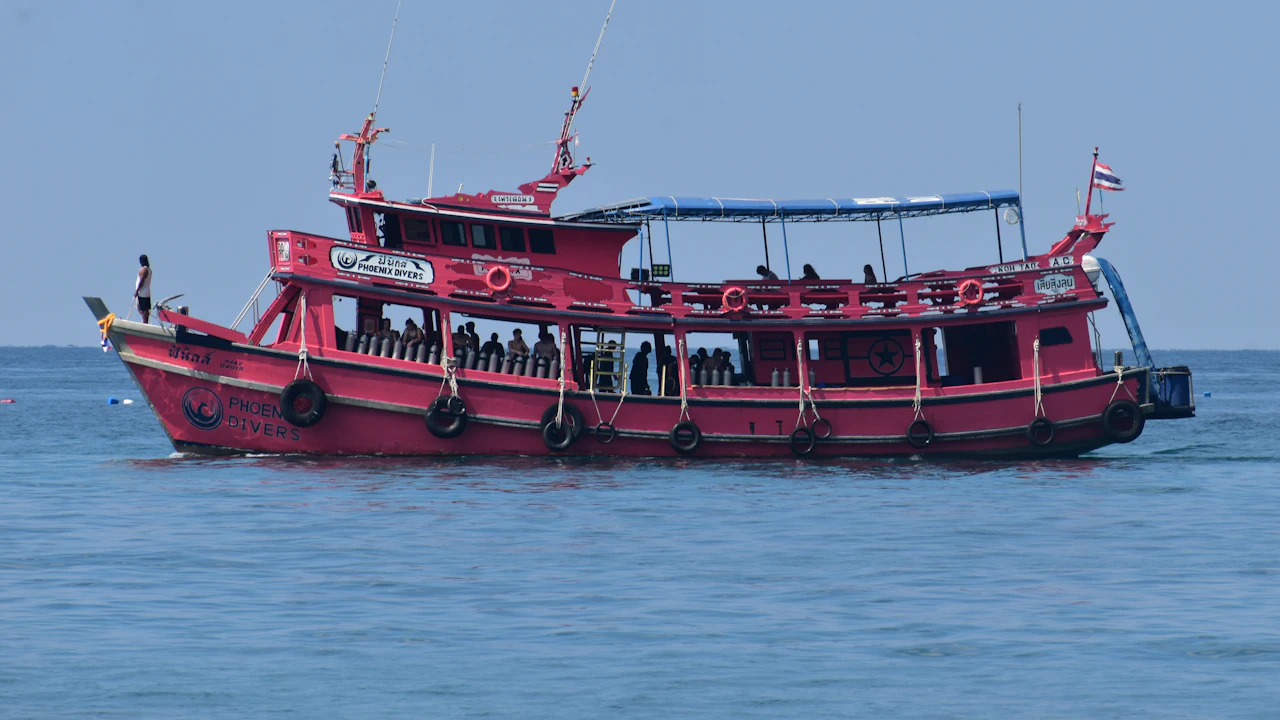
A dive boat is a small, shared, moving space full of heavy gear, wet people and expensive cameras. Good dive boat etiquette is mostly about safety and courtesy: keeping your kit tidy, listening when the crew talks, and getting in and out of the water without holding anyone up.
This guide is for first-time boat divers, students, snorkelers joining a dive trip and certified divers who have mostly dived from shore. We walk through a boat day in order, from the dock to the ride home, and explain the reason behind each habit so it sticks.
What are the basic rules of dive boat etiquette?
Quick answer: Arrive early, keep your gear in your own space, never leave weights loose on seats, and use each rinse bucket only for what it is meant for. Listen to the whole briefing, follow the crew at the ladder, keep wet gear out of dry areas, and treat the boat as someone’s workplace.
Before you board: be on time and check your gear
The simplest courtesy is being ready when the boat is. The PADI tips for boat diving suggest arriving early so you can sign in, collect equipment and check everything without rushing.
Our local dive and snorkel trips leave at 9:00, and we pick you up at the dock of your hotel. Be on your dock with your things packed a little before then, so the pickup is quick for everyone already aboard.
- Check that you have your fins, mask and anything you own before you leave your room.
- If you rent, make sure the equipment fits before the boat leaves, not at the dive site.
- Ask whether the crew will set up your gear, so you know what is yours to do.
On deck: gear, wet areas and dry areas
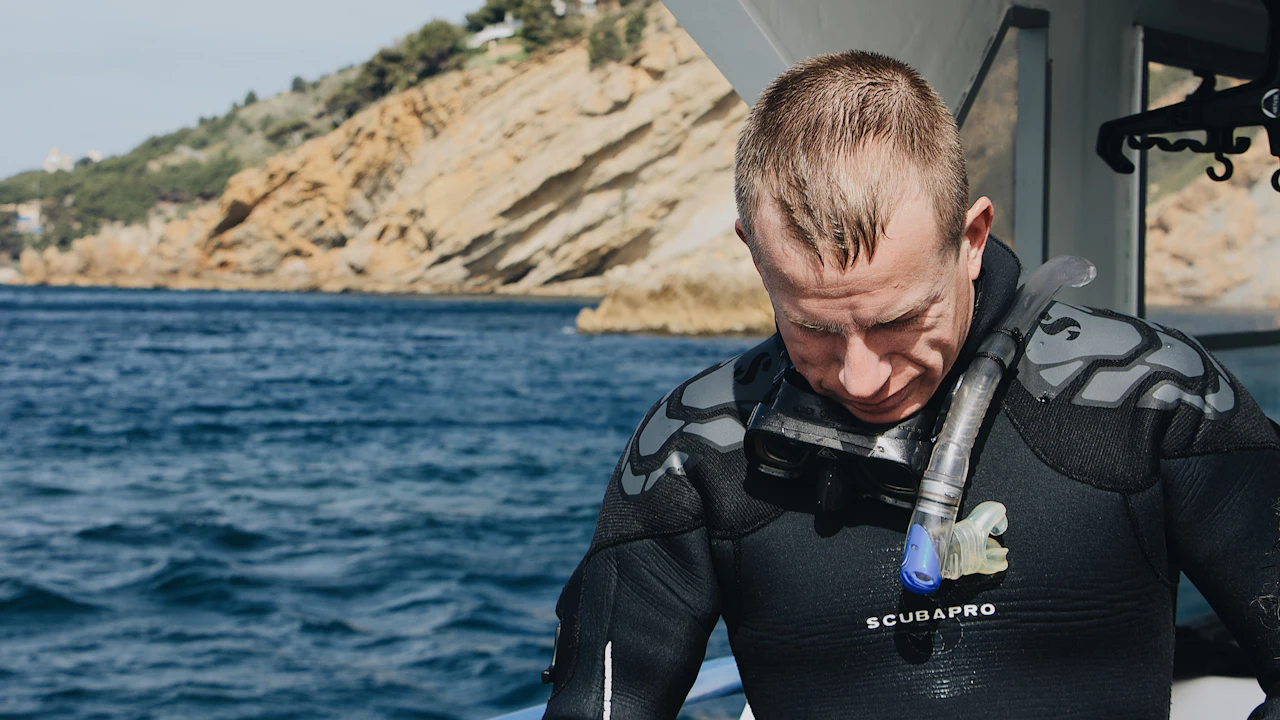
Deck space is tight, and loose gear is a trip hazard. PADI recommends keeping your kit together in a small mesh bag and stowing it in the area the crew shows you, often under your seat. Its tips are blunt about weights: never leave them on seats, where they can roll off and hurt someone.
Rinse buckets and camera space
Many boats keep separate rinse buckets for different gear, for example one just for masks and cameras. Dropping fins or a wetsuit into the camera bucket is one of the quickest ways to annoy a photographer. If you are not sure what goes where, ask.
If you bring a camera, keep it in a padded bag or in the space the crew suggests, and ask the crew how they like cameras passed in and out of the water. Give other photographers room on deck too, because housings and strobes are easy to knock.
Keep wet gear out of dry areas
PADI notes that many boats have dry areas you should not enter in wet gear, and that smoking is off limits where the crew says so. A dry bag with a towel, a light jacket and your valuables keeps your own things dry too.
The briefing, entries and exits
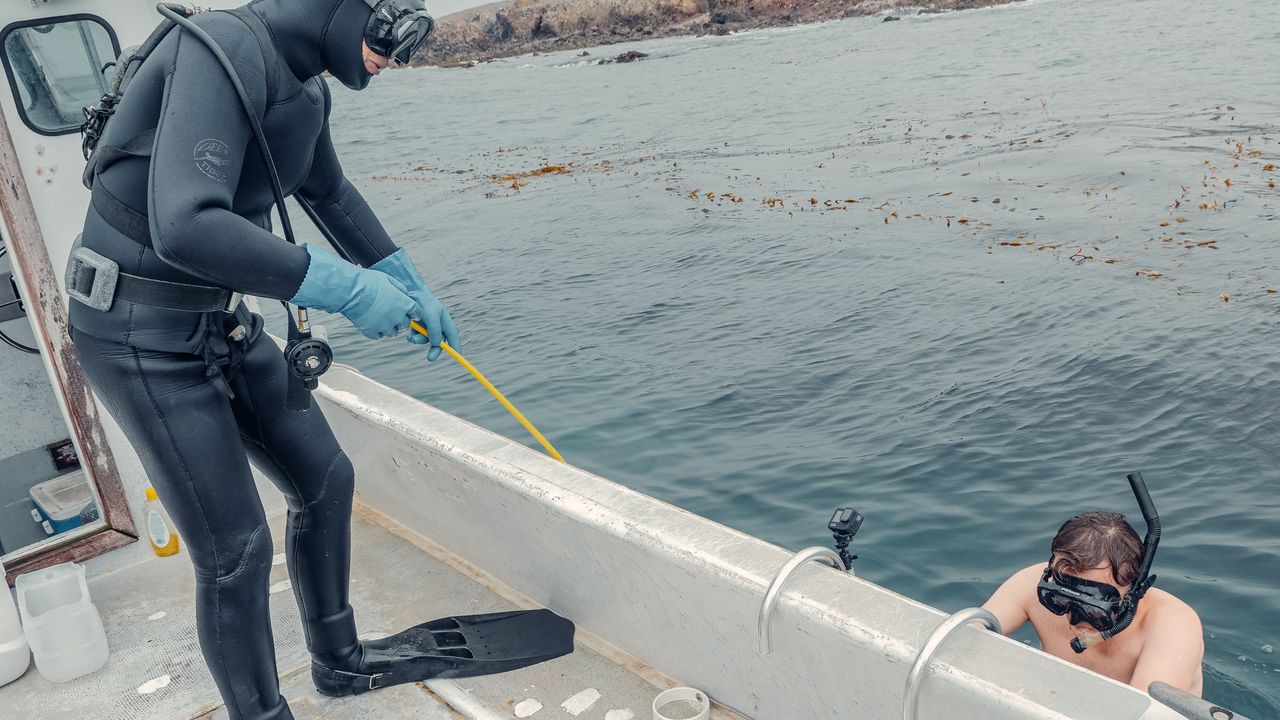
The dive briefing is not optional, even for experienced divers. PADI lists what it usually covers: how you will enter, the dive site, the planned dive time, the maximum depth and conditions such as current. Stop setting up and listen, then do your pre-dive safety check with your buddy before you stand up.
- Gear up only when the crew says it is time, so the deck stays clear.
- Enter the way the briefing describes, one diver at a time, once the water below you is clear.
- Move away from the entry point straight away so the next diver can go.
- At the end, surface where directed and make sure the crew can see you.
- Approach the ladder only as instructed, staying clear of the propellers.
At the ladder, wait your turn a little way back. PADI warns that a diver who falls while climbing in a tank and BCD can be seriously hurt, and so can anyone underneath.
Dive boat tips for beginners: quick dos and don’ts
Most dive boat etiquette fits into a short list. Here are the common situations and the habit that keeps everyone happy.
| Situation | Do this | Instead of this |
|---|---|---|
| Pickup | Be ready a few minutes early | Packing while the boat waits |
| Stowing gear | Keep it in one bag in your own space | Spreading it over other seats |
| Weights | Store them low where the crew shows you | Leaving them on a seat |
| Rinse buckets | Use each bucket for its own gear | Dropping fins in the camera bucket |
| Briefing | Stop and listen to all of it | Setting up gear while the crew talks |
| Ladder | Wait back and climb when told | Hanging under a climbing diver |
| Feeling queasy | Tell the crew straight away | Keeping quiet until it gets worse |
If you are prone to motion sickness, read our seasickness tips for divers before the trip. Good manners continue underwater too, and our guide to reef etiquette for divers covers buoyancy, touching and how to behave around marine life.
Respecting the crew, and a word on tipping
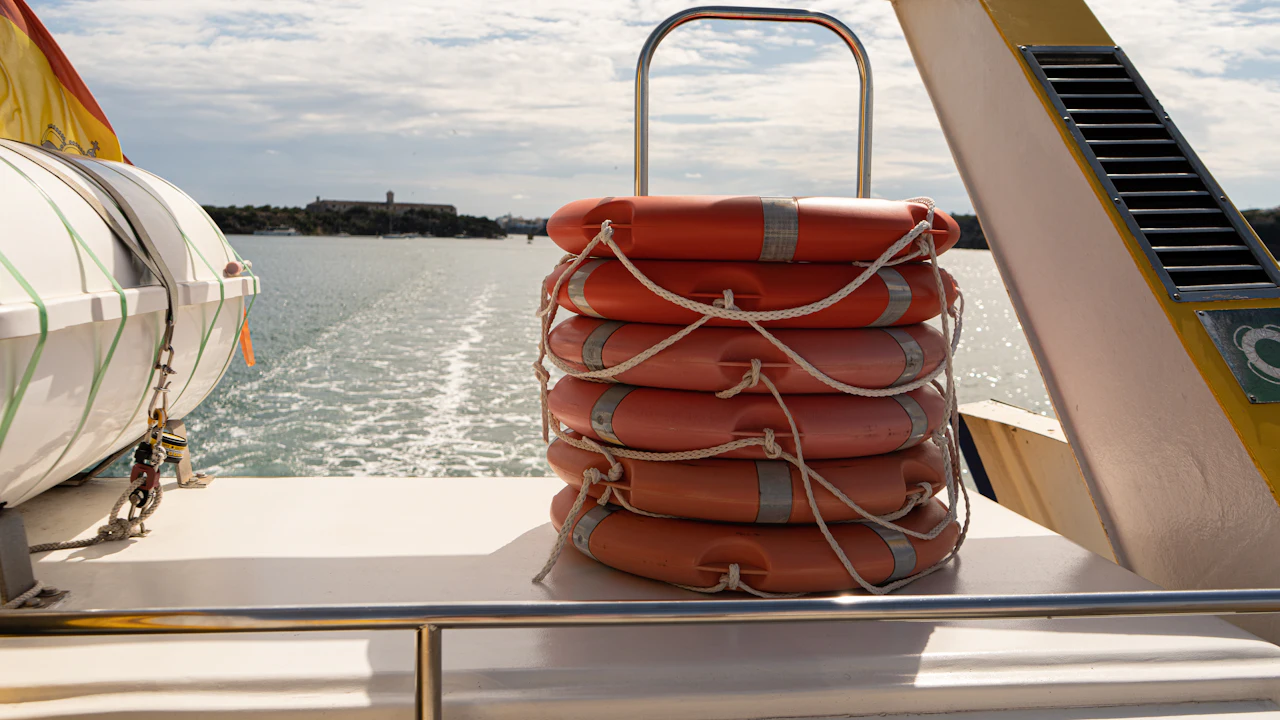
PADI reminds divers that a boat may be someone’s workplace or even their home, so follow the captain’s and crew’s instructions without argument. A crew has a lot to keep track of on a dive day. A thank you at the end of the day goes a long way.
Tipping customs vary from country to country and from one operator to the next. If you enjoyed the day, a tip for the crew is a kind way to say so, but it is your choice. If you are unsure of local custom, it is fine to ask us privately.
What to bring on a dive boat
- A dry bag with a towel, a light jacket for the ride home and your valuables
- Sun protection: a hat, a long-sleeved top and sunscreen applied before you leave
- Your certification card and any personal gear, plus a small mesh bag to keep it together
On our full-day trips to the Great Blue Hole and Turneffe atolls, continental breakfast, lunch, snacks and drinks are included, so pack light. See our guide to diving on Ambergris Caye for the local trips, and the current prices on our Water Sports page of dives and courses.
Diving with Elbert
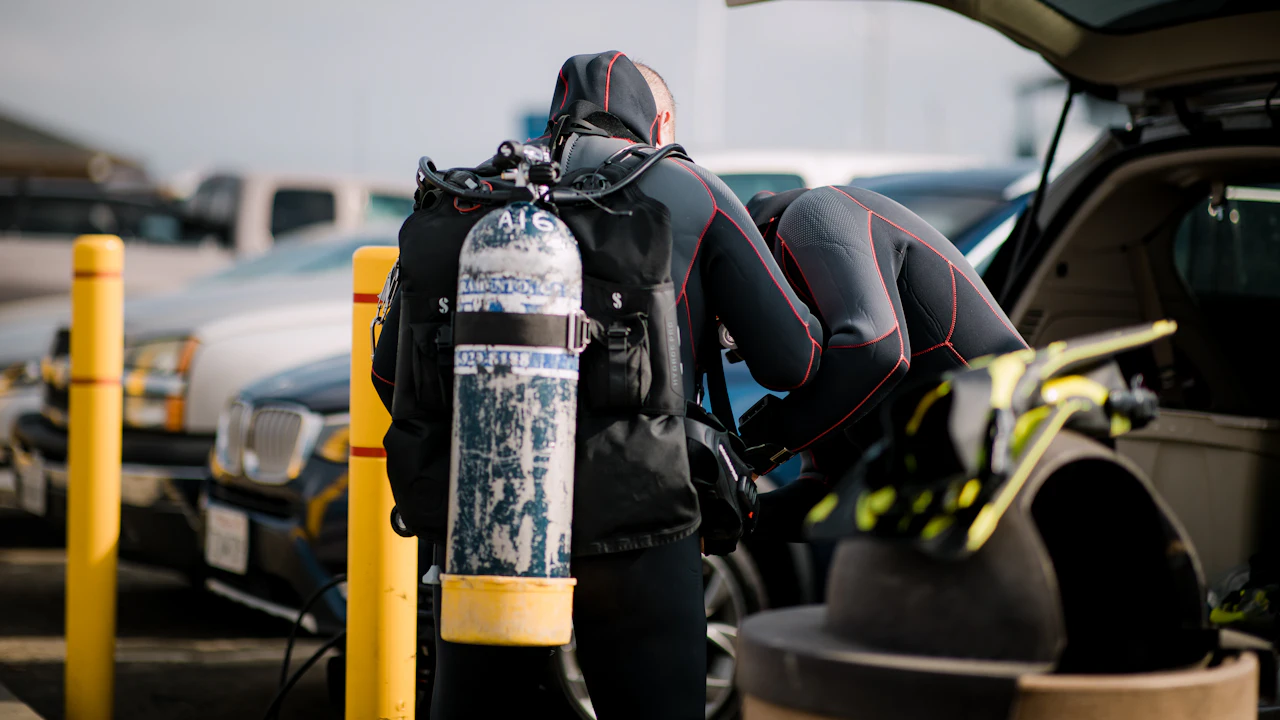
White Sands Dive Shop is a 5 Star PADI Dive Facility on the beach in San Pedro, owned and operated by Elbert Greer, PADI IDC Staff Instructor. If it is your first boat dive, tell him when you book, and ask anything you are unsure about.
Susan wrote after her first dives with Elbert: “You truly put me at ease and made the whole experience fun.” Read more in our letters from students Elbert has taught.
Dive boat etiquette: your questions answered
What should you not do on a dive boat?
Don’t leave weights on seats, spread your gear into other divers’ space, put fins in the camera rinse bucket, skip the briefing or crowd the ladder. Don’t walk into dry areas in wet gear.
How early should I be ready for a boat dive?
PADI suggests arriving early so you can sign in and check your gear without rushing. For our local trips, be on your hotel dock a little before the 9:00 departure.
Do you tip the crew on a dive boat?
Tipping customs vary by country and operator, and it is always your choice. If you are unsure, ask the shop privately.
What goes in the camera rinse bucket?
Only the gear it is marked for, usually cameras and sometimes masks. Fins, wetsuits and BCDs go in a different bucket, so ask the crew if you are not sure.
What should I bring on a dive boat?
Bring a dry bag with a towel and a light jacket, sun protection, your certification card and any personal gear in a small mesh bag.
Ready for your first boat dive?
Ask us anything before your trip, from what to pack to which dive suits your experience. Email Elbert at elbertgreer@fastmail.fm or phone 011 (501) 226 2405, and tell us where you are staying so we can arrange your pickup.