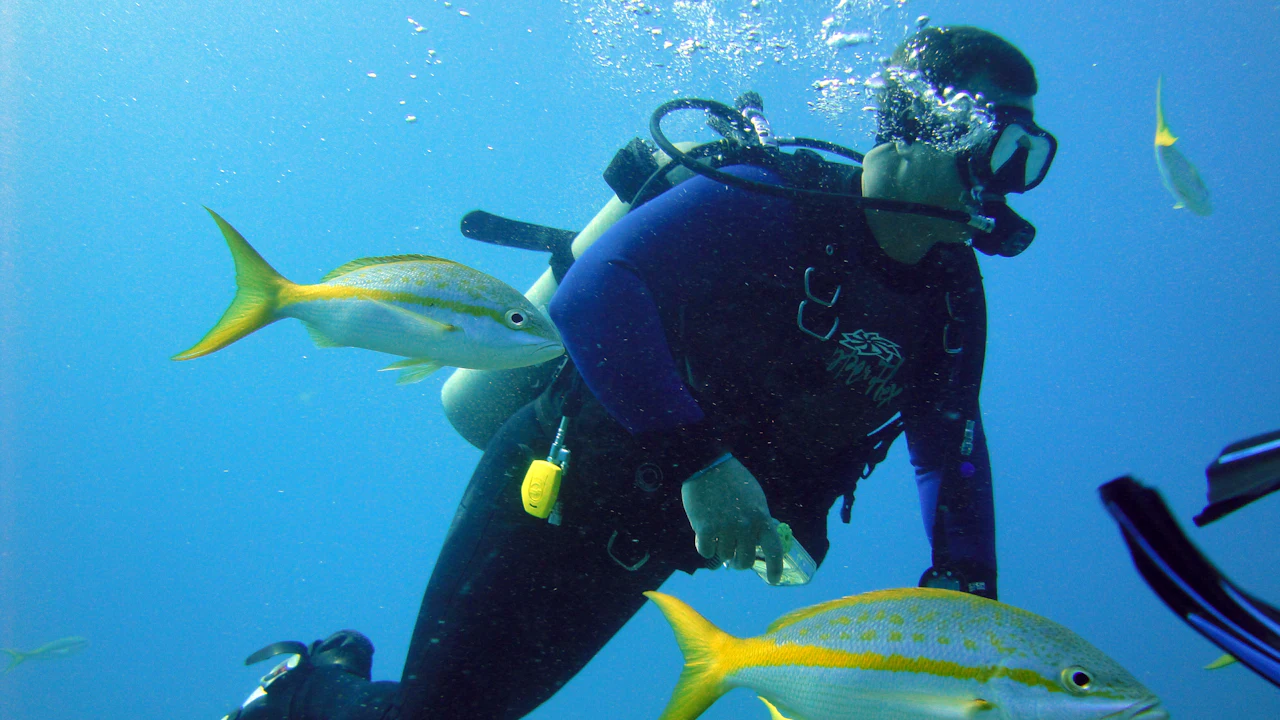
Your first breath underwater feels like a small miracle, and it all comes down to one piece of gear. Knowing how a scuba regulator works takes the mystery out of that moment. It also makes your pre-dive checks quicker.
This guide is for new divers, students halfway through a course, and certified divers deciding whether to rent or buy. We keep it practical: what each part does, where each hose goes, what to check before you splash and how to look after a regulator afterward.
How does a scuba regulator work, in plain words?
Quick answer: A regulator lowers the air pressure from your tank in two steps. The first stage, attached to the tank valve, drops it to an intermediate pressure and sends it down the hoses. The second stage, in your mouth, delivers air only when you inhale, at the pressure you need to breathe comfortably.
How a scuba regulator works: two stages, one breath
The air in a scuba tank is stored under high pressure, far too high to breathe directly. According to PADI’s guide to scuba regulators, the regulator is the hub of your dive equipment, linking the tank to your BCD, your pressure gauge, your spare mouthpiece and you. It does its main job, reducing pressure, in two separate steps.
The first stage
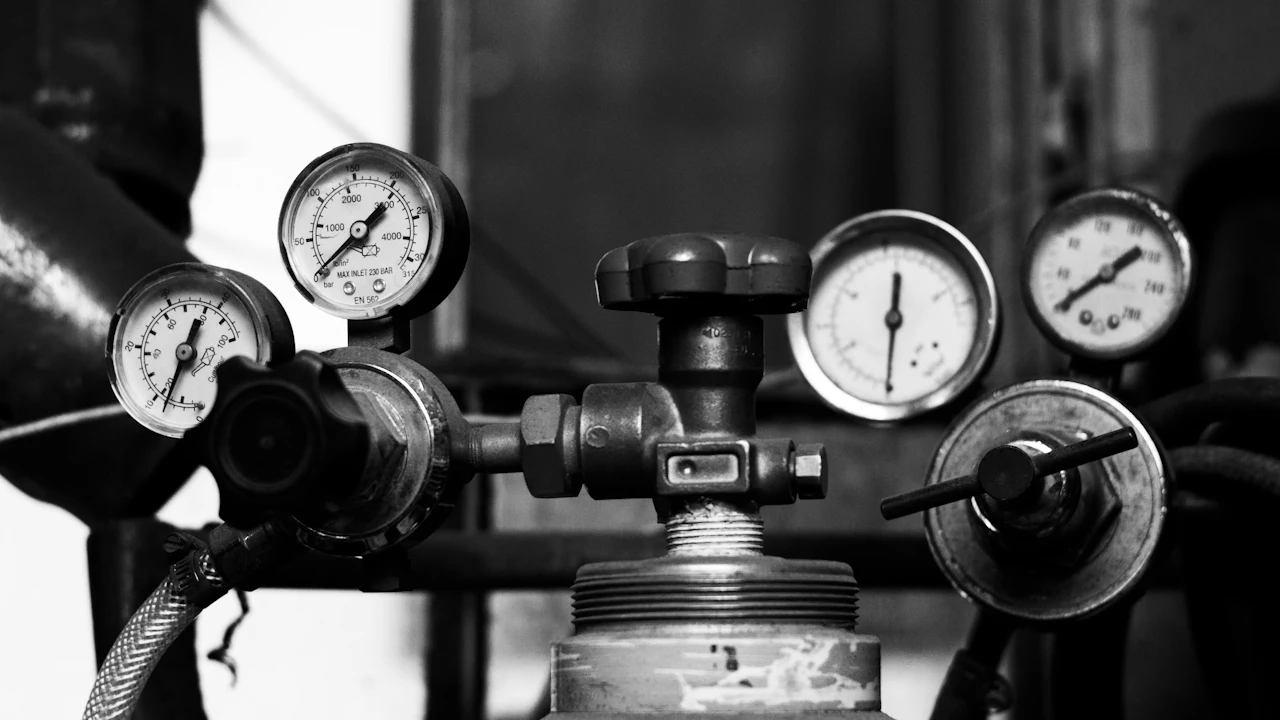
The first stage is the metal body that attaches to the tank valve. PADI describes it as the part that reduces tank air pressure to an intermediate pressure and routes it to several hoses. Think of it as the step-down point: high pressure goes in, a steady and lower pressure comes out to feed everything else.
Regulators connect to tanks in one of two ways. A yoke fitting clamps over the valve like a bracket, while a DIN fitting screws into it. PADI notes that adapters let DIN regulators work with a yoke valve, and suggests checking which connection is typical where you dive.
The second stage, or demand valve
The second stage is the mouthpiece you breathe from. PADI explains that it is also called a demand valve because it gives you air when you demand it, that is, when you inhale, at the exact pressure you need for breathing comfortably. When you stop inhaling, the flow stops, and your exhaled bubbles leave through the exhaust.
The first stage does the heavy lifting on pressure, and the second stage fine-tunes it to each breath. If any of the words here are new, our guide to scuba diving terms for beginners explains them in plain English.
The octopus, the SPG and the other hoses
A full regulator set has more than one hose, and new divers often find the tangle confusing. Each hose has one job.
- Alternate air source (octopus): a spare second stage. PADI describes it as an easy way to share air if you need to help another diver. Some setups build it into the BCD inflator instead of using a separate hose.
- Low-pressure inflator hose: runs from the first stage to your BCD so you can add air at the press of a button.
- Submersible pressure gauge (SPG): connects to a high-pressure port on the first stage so it can show exactly how much air remains in your tank.
The BCD connection matters for comfort as well as safety, and it is worth matching your regulator and BCD hoses if you ever buy your own. Our sibling guide on how to choose a BCD that fits you covers that side of the setup.
Regulator parts at a glance: what to check before you dive
You do not need to take a regulator apart to dive safely. You do need a quick look at each part before every dive, whether the regulator is yours or rented.
| Component | What it does | What to check |
|---|---|---|
| First stage | Attaches to the tank valve and drops tank pressure to an intermediate pressure | Seated firmly on the valve, no hissing once the tank is open |
| Second stage | Delivers air when you inhale, at the pressure you need | Breathes easily, mouthpiece intact, purge button works |
| Alternate air source (octopus) | Spare mouthpiece for sharing air with a buddy | Clipped where a buddy can see and reach it, breathes easily |
| SPG | Shows how much air is left in the tank | Shows a full tank before the dive and is easy to read |
| Low-pressure inflator hose | Feeds air from the first stage to your BCD | Clicked onto the BCD inflator, adds air when pressed |
| Hoses | Carry air from the first stage to each part | No cracks, bulges or tight kinks |
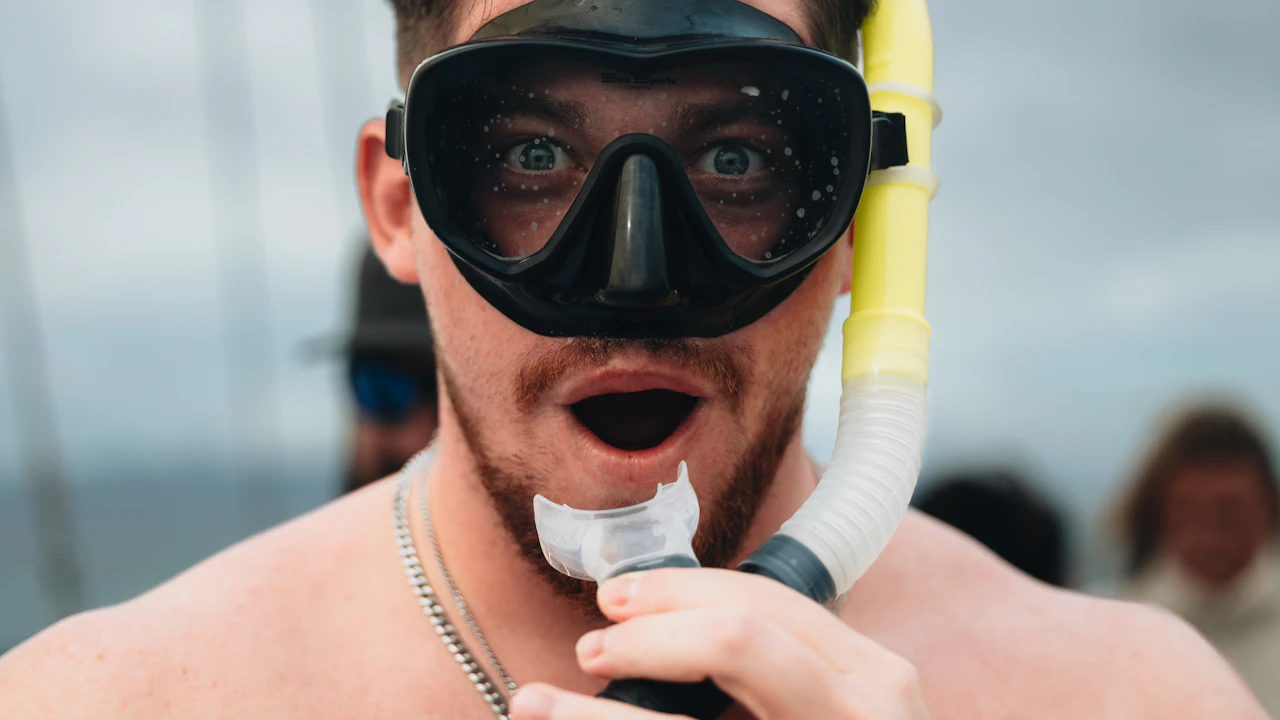
Take a few breaths from both mouthpieces before you get in. If either one feels hard to breathe from, hisses or leaks air, tell your instructor or dive guide before you get in the water. Our pre-dive safety check guide shows how this fits into a full buddy check.

How to look after a scuba regulator
Salt water and sand are hard on any regulator. PADI’s care advice is simple, and it applies to rentals too.
- Put the first stage dust cap firmly in place before rinsing, so water cannot get inside.
- Rinse the regulator gently in fresh water as soon as possible after diving.
- Do not press the purge button while rinsing.
- Let it dry completely, out of direct sunlight.
- Store it with the hoses in large, gentle curves rather than tight loops.
PADI also recommends professional servicing according to the manufacturer’s schedule, or sooner if you see damage, the regulator starts to breathe hard or it leaks air.
Renting a regulator on Ambergris Caye
Many divers travel without a regulator, and that is fine. The equipment rental list on our homepage includes regulators and BCDs, and all our dives include tanks and weights. Our scuba gear rental guide for Ambergris Caye explains what to bring and what to rent, and you will find current course prices on our Water Sports page.
If you are thinking of buying, PADI suggests trying a few regulators hooked up to a tank to see how they breathe, and checking the mouthpiece fit. Renting first shows you what you like.
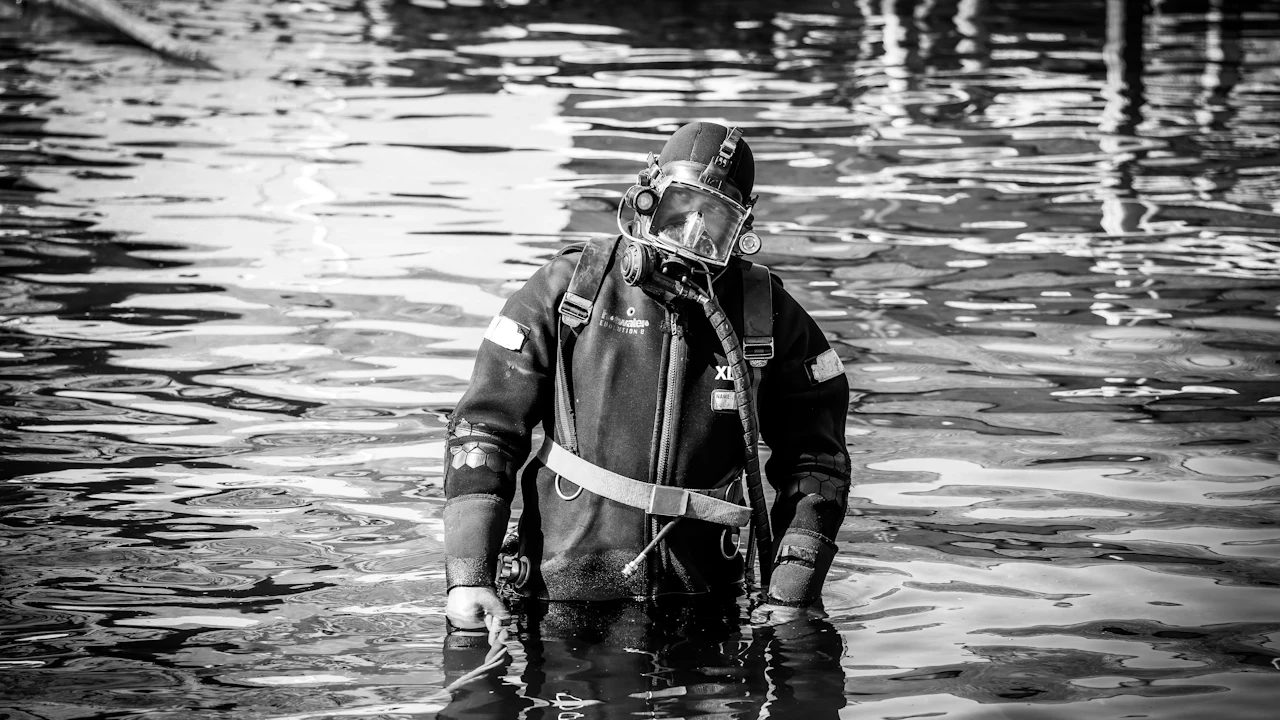
Learn your gear with Elbert
Setting up a regulator, checking it and trusting it underwater are skills you build by doing them with an instructor beside you, not by reading alone. Our overview of learning to dive on Ambergris Caye explains each course, from a first try to the PADI Open Water course on Ambergris Caye.
White Sands Dive Shop is a 5 Star PADI Dive Facility on the beach in San Pedro, owned and operated by PADI IDC Staff Instructor Elbert Greer. Minette Layne, who took a refresher course with Elbert, wrote that “you really calmed me down and set me up for a wonderful couple of weeks of diving and snorkeling.” You can read her full note and others in the letters from Elbert’s dive students.
How a scuba regulator works: your questions answered
What is the difference between the first stage and the second stage?
The first stage attaches to the tank valve and reduces the tank pressure to an intermediate pressure. The second stage is the mouthpiece, which delivers air only when you inhale, at the pressure you need to breathe comfortably.
What is an octopus on a scuba regulator?
The octopus is a spare second stage, also called an alternate air source. It gives you an easy way to share air with another diver who needs help.
Why should I not press the purge button when rinsing?
PADI advises against pressing the purge button while rinsing a regulator. Keep the first stage dust cap firmly in place and rinse gently in fresh water instead.
How often does a regulator need servicing?
PADI recommends servicing according to the manufacturer’s schedule, or sooner if the regulator shows damage, starts to breathe hard or leaks air.
Do I need my own regulator to dive?
No. Many divers rent a regulator, and regulators are on the equipment rental list on our homepage.
Questions about gear before your trip?
If you would like to know what to bring and what to rent, or which course suits you, Elbert is happy to help. Email elbertgreer@fastmail.fm or call 011 (501) 226 2405.