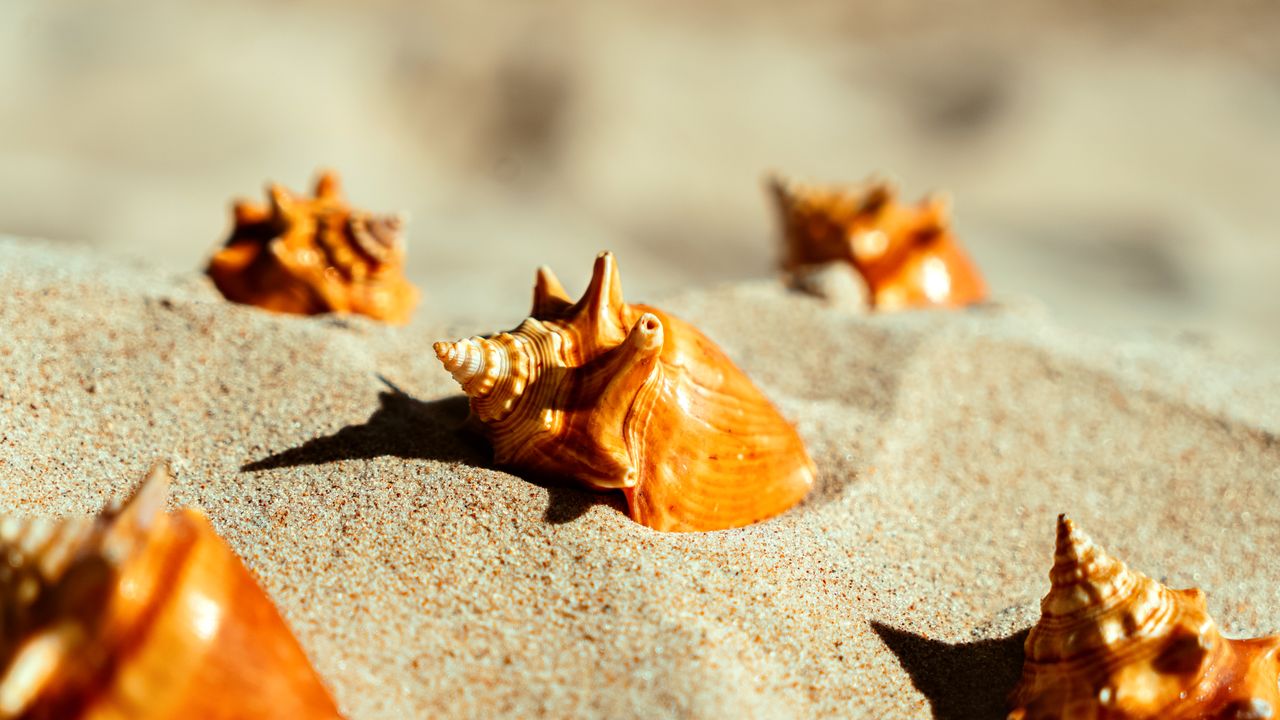
Snorkel over a seagrass bed and sooner or later you will spot a big, heavy shell crawling slowly across the sand. That is the queen conch, and in Belize it is part of daily life: a reef animal, a protected species and a familiar dish all at once. This guide to the queen conch Belize visitors meet in the shallows explains what it is, where it lives and why it needs care.
It is written for divers, snorkelers and curious visitors planning a trip to Ambergris Caye. We stick to what federal scientists and local authorities say, and we flag rules that change each year.
What should visitors know about queen conch in Belize?
Quick answer: The queen conch is a large, slow sea snail that grazes on algae in seagrass beds and sand flats. NOAA Fisheries listed it as threatened in 2024, mainly because of overfishing. Belize allows licensed commercial harvest only in an open season, so admire live conch in the water and leave them where you find them.
Queen conch facts: meet the big sea snail
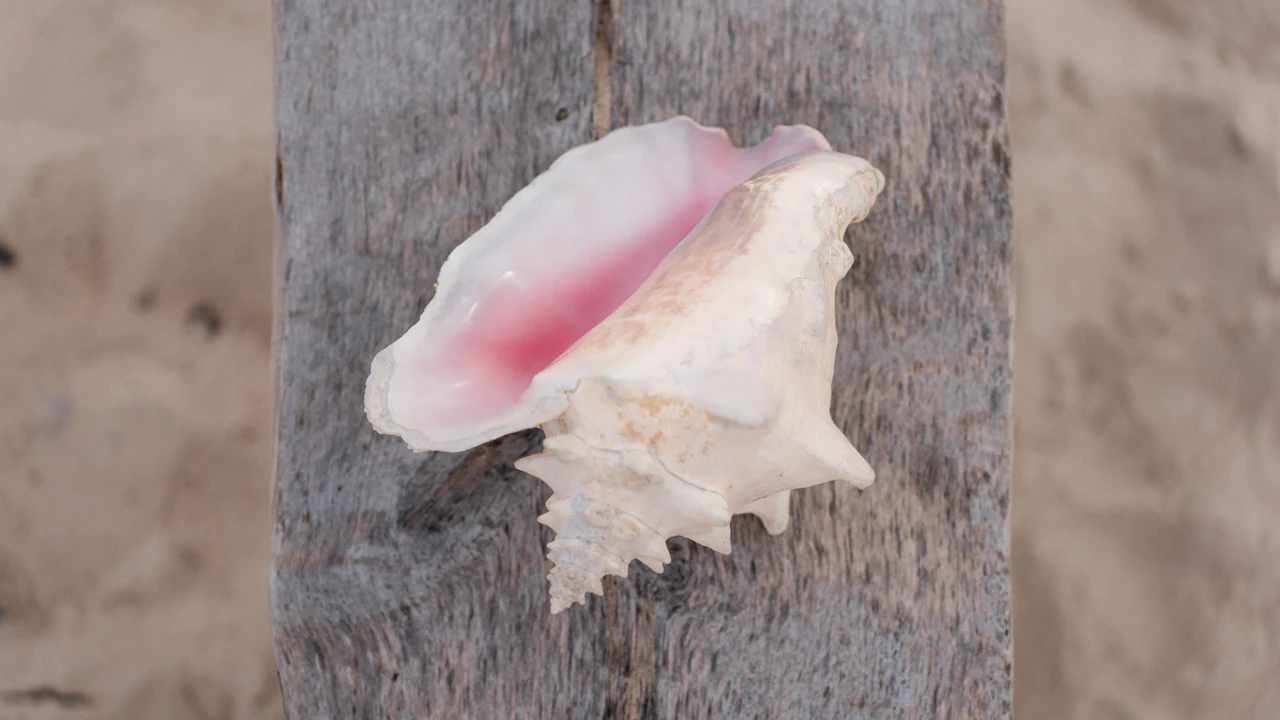
According to NOAA Fisheries’ queen conch species profile, this is a large marine snail with a heavy, whorled shell, a few short spines at the top and a pink interior to the shell lip. It can grow to about 12 inches long and weigh up to 5 pounds, and females grow faster and larger than males.
Look closely and you may see its long eye stalks, which move independently, poking out from under the shell. A tube-like snout pulls back inside when the conch feels threatened.
A long, slow life
NOAA says queen conch live 25 to 30 years and grow slowly. They reach maturity at about 3.5 to 4 years, and after that the shell stops getting longer; instead the lip thickens. So a thick lip tells you that you are looking at an adult rather than a juvenile.
Where queen conch live: seagrass, sand and rubble
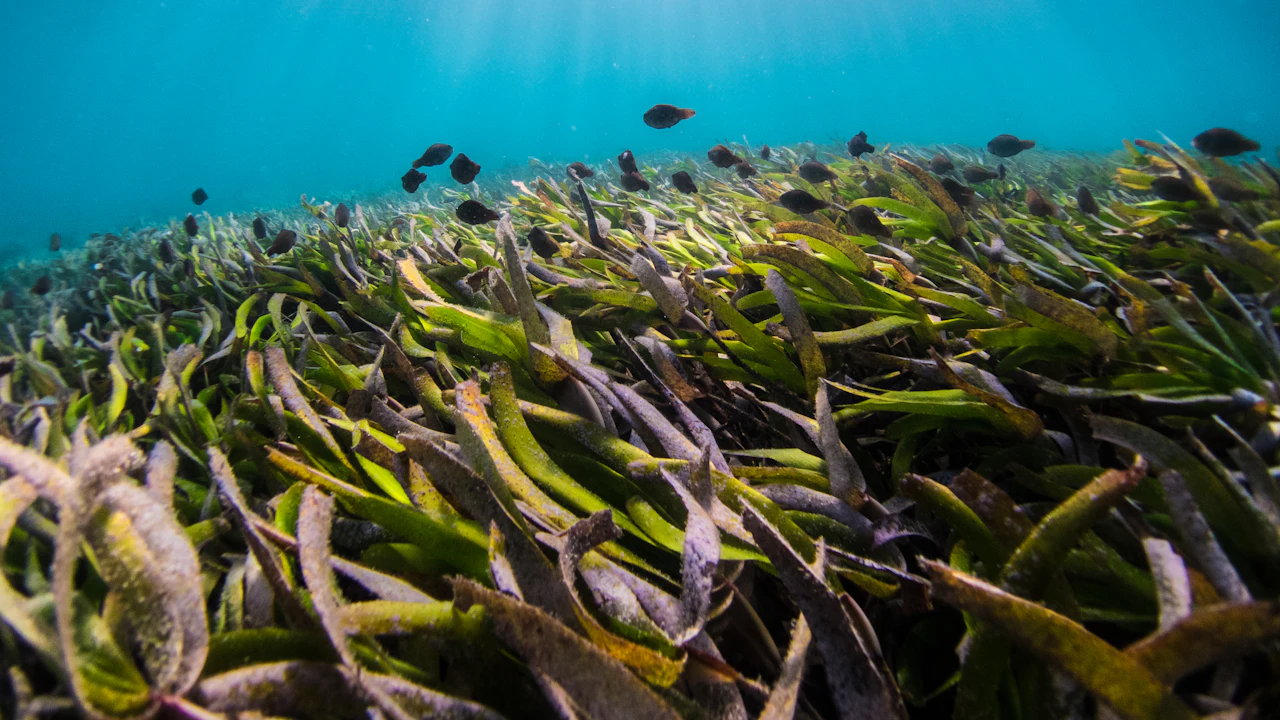
NOAA lists seagrass beds, sand flats, algal beds and rubble areas as queen conch habitat. Juveniles live mainly in seagrass, while adults prefer sandy algal flats. Where the animals have not been fished out, they are most common in shallow water less than 100 feet deep.
Our guide to seagrass beds in Belize and the life they shelter explains why these meadows matter, and the published Hol Chan regulations describe the reserve’s seagrass zone as a place where turtles, conch and seahorses are found. Our guide to diving the Hol Chan Marine Reserve covers the reserve itself.
Conch are grazers. NOAA explains that adults eat filamentous algae and the films that grow on hard surfaces, juveniles eat diatoms and fine organic matter, and the drifting larvae feed on phytoplankton.
| Life stage | Where it lives | What it eats | What NOAA notes |
|---|---|---|---|
| Egg | Egg masses on the seafloor | Nothing; it incubates | About 500,000 to 750,000 eggs per mass, hatching in about 5 days |
| Larva | Drifting in open water | Phytoplankton | Drifts for 21 to 30 days before settling |
| Juvenile | Mainly seagrass beds | Diatoms, microalgae and organic matter | Grows in length until maturity |
| Adult | Sandy algal flats, usually under 100 feet | Filamentous and surface algae | Mature at 3.5 to 4 years; the lip thickens and the animal can live 25 to 30 years |
Why the queen conch is protected
In 2024, NOAA Fisheries listed the queen conch as threatened under the US Endangered Species Act. It has also been on Appendix II of CITES, the international wildlife trade treaty, since 1992. NOAA names the main threat plainly: overuse through commercial and illegal fishing.
Biology makes the problem worse. Conch move slowly and need direct contact to mate, so when a population is thinned out, the survivors struggle to find partners. NOAA adds that existing size limits, closures and quotas have not been enough to stop overfishing and poaching across the region.
- Slow to mature: an animal taken before about 4 years old has never had the chance to breed.
- Needs company: low densities limit mating and the number of young that settle.
Queen conch Belize rules: seasons and taking conch
Belize manages conch with a season and a national quota. The San Pedro Sun reported that the 2026 to 2027 season opened on October 1 and is scheduled to stay open until June 30, 2027, unless the quota is reached first; the previous season closed early, in April. The Belize Fisheries Department reminds fishers that they need a commercial fisher license and a licensed vessel.
The same paper reports a closed season from July 1 to September 30, minimum shell length and meat weights, and a recent charge for possessing conch during the closed season. Inside Hol Chan, the published reserve rules ban collecting or removing any animal on the reef, and fishing in the seagrass zone needs a special license.
For a visitor, that adds up to one clear habit: never pick up a live conch to keep, and never carry one off a boat. Rules change, so check with the Belize Fisheries Department about a specific season.
Conch shells in the Caribbean
NOAA notes that conch shells are used in pottery and jewelry and sold in tourist markets. Because the species is listed under CITES, which regulates international trade, check your home country’s import rules before you buy a shell to take home.
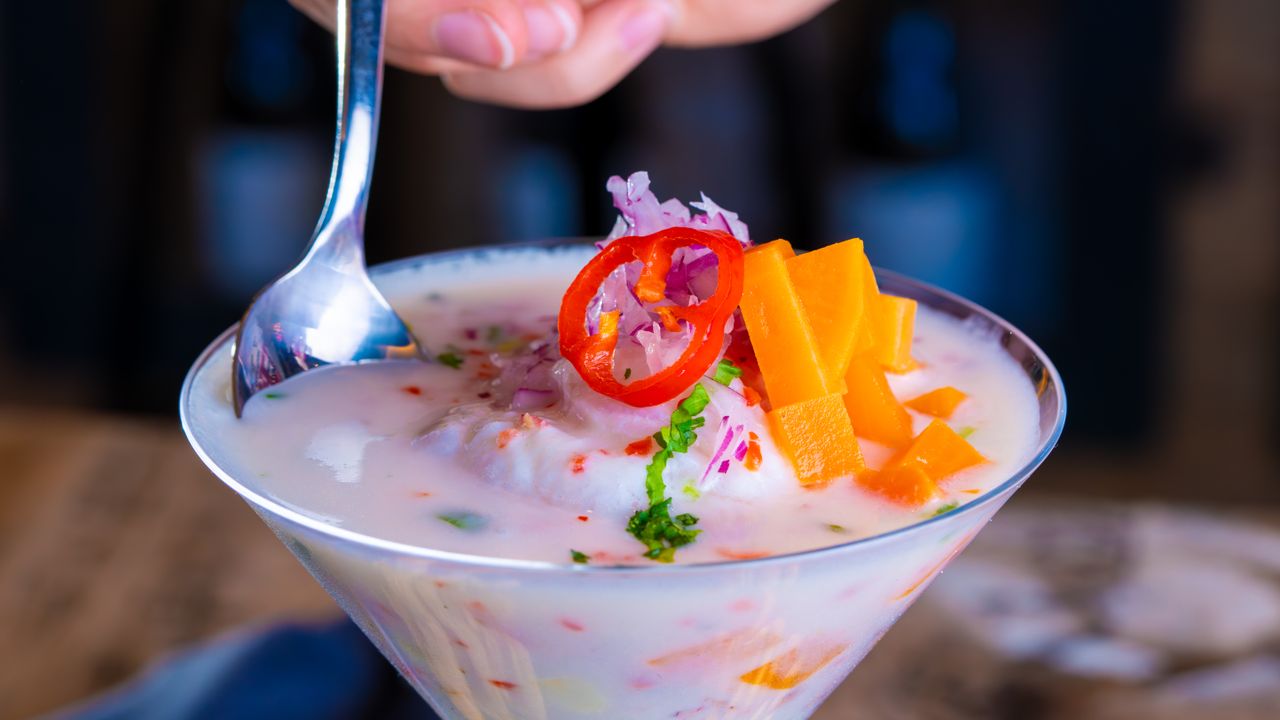
Conch as food across the Caribbean
Conch has been eaten around the Caribbean for a long time, and in season you will see it on menus as ceviche, fritters or soup. NOAA’s seafood profile describes the meat as a lean protein, high in vitamins E and B12, magnesium and selenium.
If you choose to order conch, doing so in the open season supports the system Belize uses to manage the fishery. Out of season, choose something else.
Watching conch on a dive or snorkel
A conch is easy to watch because it barely moves. Hover above the grass, keep your fins off the bottom and wait: you may see an eye stalk appear from under the shell. Give it space and leave it on the sand.
At night, the reef’s most famous shape shifter comes out; read our guide to the Caribbean reef octopus and how it hides. For a wider view, see our overview of marine life you can see around Ambergris Caye.
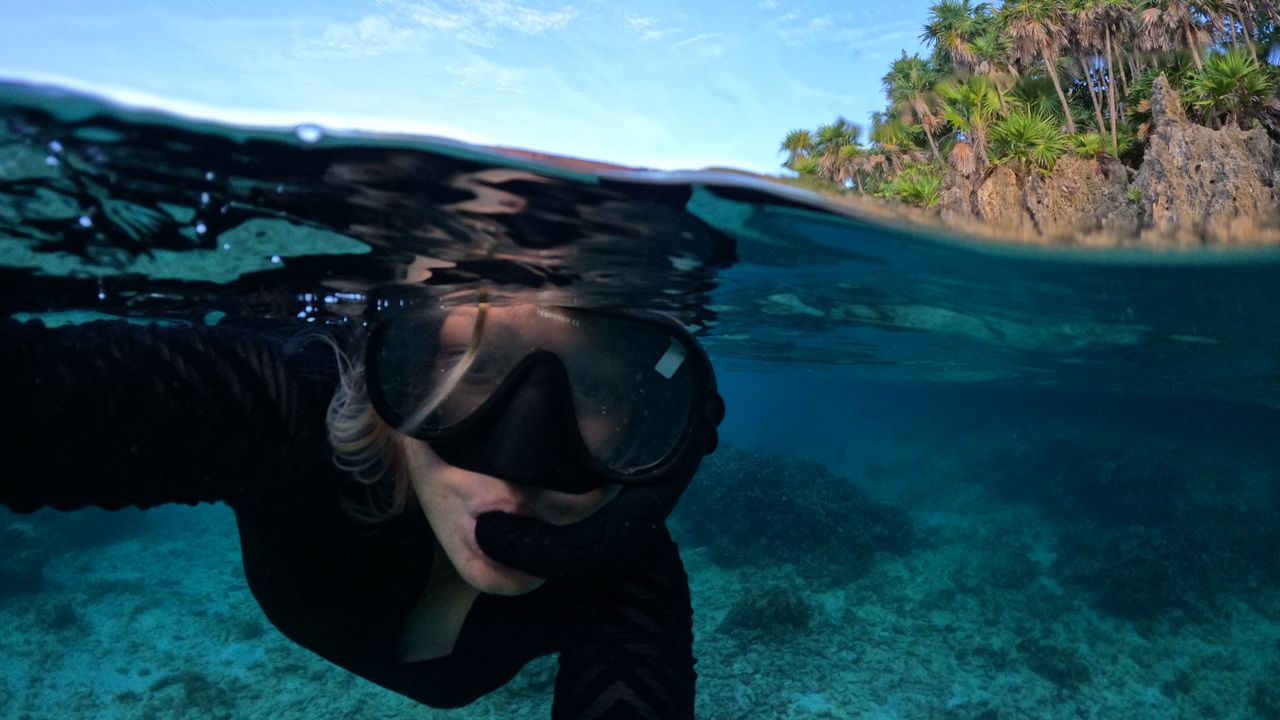
Diving and snorkeling with Elbert
White Sands Dive Shop is a 5 Star PADI Dive Facility on the beach in San Pedro, owned and operated by Elbert Greer, PADI IDC Staff Instructor. We offer daily diving, SCUBA instruction and snorkeling, and our guide to scuba diving on Ambergris Caye describes the barrier reef trips we run.
One student, Susan, wrote that her dives with Elbert stood out because “you pointed out so many cool things to look at, not to mention the manatee.” Read more in our letters from students Elbert has taught, and find trips and current prices on our Water Sports page of dives and PADI courses.
Queen conch Belize: your questions answered
Is the queen conch endangered?
NOAA Fisheries listed the queen conch as threatened, not endangered, under the US Endangered Species Act in 2024. NOAA says the main threat is overuse through commercial and illegal fishing.
When is conch season in Belize?
The San Pedro Sun reported that the 2026 to 2027 season opened on October 1 and is scheduled to close on June 30, 2027, unless the national quota is reached first. It also reports a closed season from July 1 to September 30.
Can I pick up a conch while snorkeling?
Hol Chan’s rules ban collecting or removing any animal on the reef, and Belize limits harvest to licensed fishers in season. Watch conch where they are and leave them on the sand.
Where do queen conch live?
NOAA lists seagrass beds, sand flats, algal beds and rubble areas. Juveniles live mainly in seagrass and adults prefer sandy algal flats, usually in water under 100 feet deep.
How long does a queen conch live?
NOAA says queen conch live 25 to 30 years. They mature at about 3.5 to 4 years, after which the shell lip thickens instead of the shell growing longer.
Questions before your trip?
Want to see the seagrass and reef for yourself? Email Elbert at elbertgreer@fastmail.fm or phone 011 (501) 226 2405. Tell us your dates and experience, and we will help you plan.