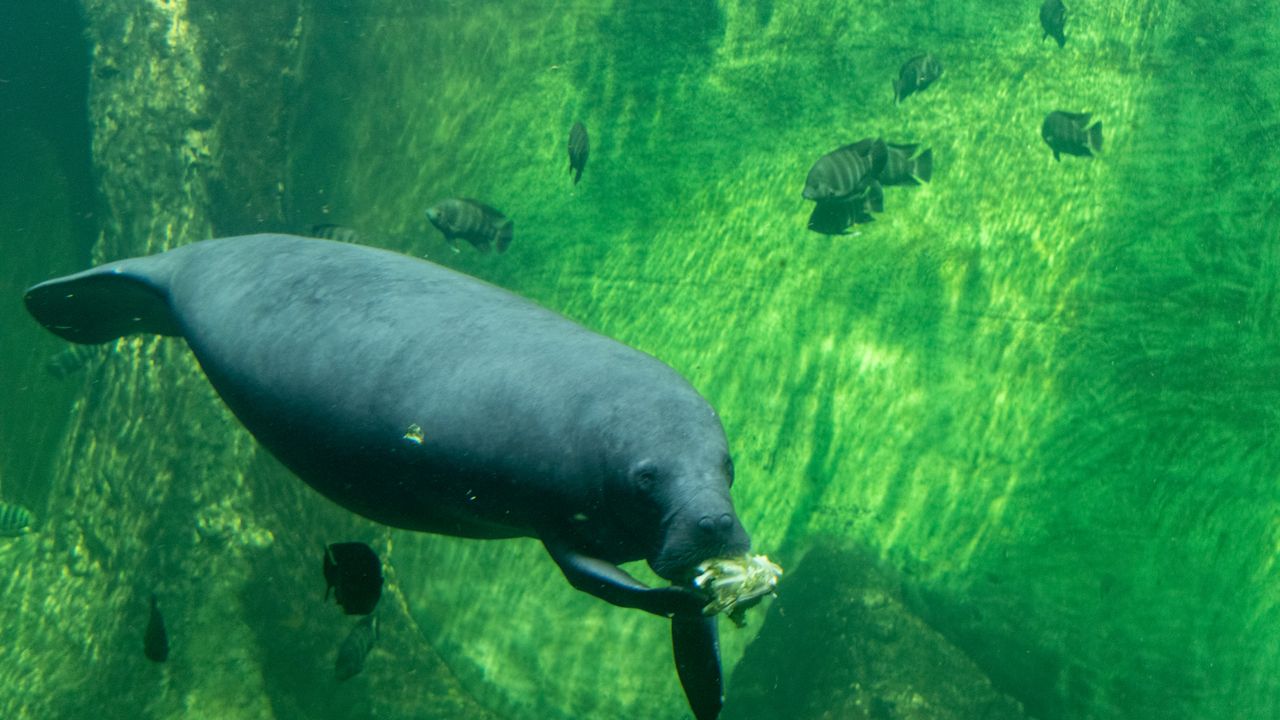
A manatee surfacing for a slow breath beside a quiet boat is a gentle, memorable sight. The questions we hear about manatee watching Belize trips come down to three things: what these animals are, where the country’s tourism board says to look for them, and how to watch without causing harm.
This guide is for wildlife lovers, families and divers planning a trip to the cayes. We want to be clear from the start: White Sands Dive Shop does not list manatee tours among its trips. What follows is honest background and planning advice, plus the reef trips we do run from San Pedro.
Where is the best place for manatee watching in Belize?
Quick answer: The Belize Tourism Board points visitors to Swallow Caye, a wildlife sanctuary a few miles off Belize City, where West Indian manatees feed in the shallows. Watch from an anchored boat with the engine off, and never touch, feed or chase them. Touching a manatee counts as harassment under Belize’s rules.
Meet the West Indian manatee
There are three manatee species in the world: West Indian, Amazonian and African. According to National Geographic’s manatee fact file, the West Indian manatee ranges along the coast from Florida to Brazil. The manatees of the Caribbean and Central America belong to a subspecies called the Antillean manatee.
These are big, slow mammals. National Geographic gives adults as 8 to 13 feet long and 440 to 1,300 pounds, usually cruising at about 5 miles per hour. They can live around 40 years in the wild.
What manatees eat and how they breathe
Manatees are plant eaters. They graze on water grasses, weeds and algae for up to eight hours a day, and one can eat about a tenth of its body weight in 24 hours.
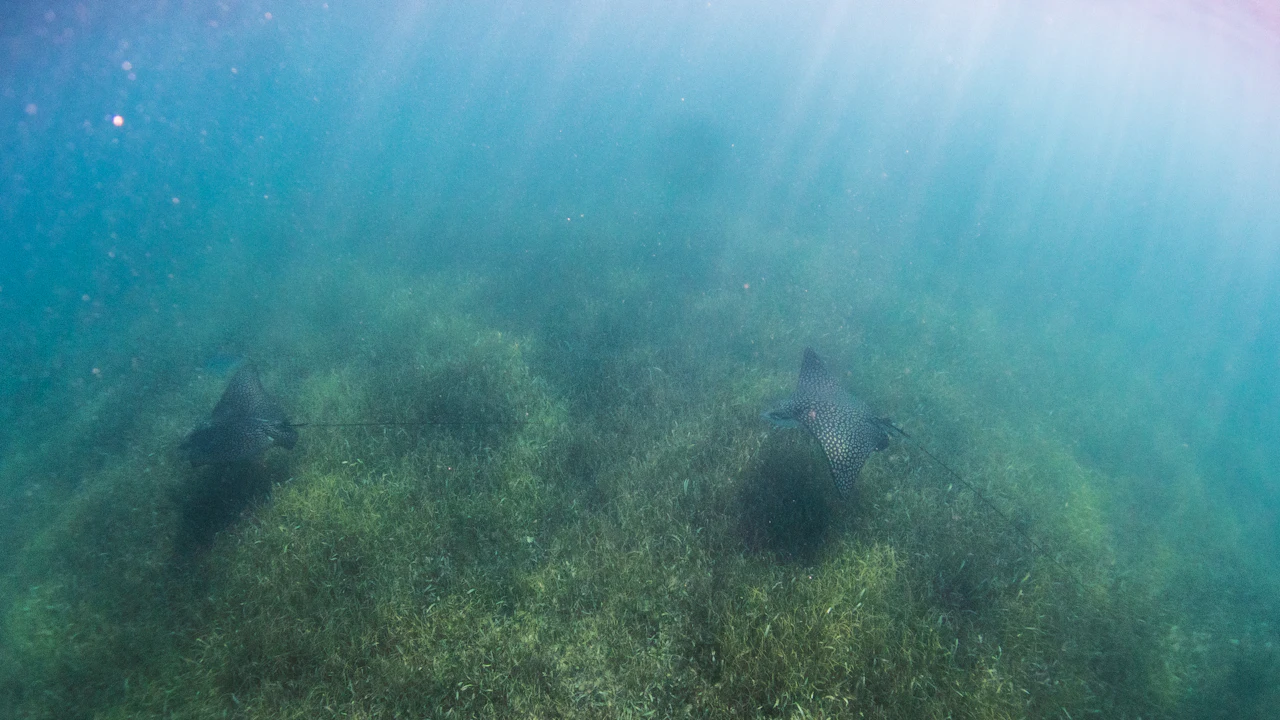
Like all mammals, they breathe air. A resting manatee can stay down for up to 15 minutes, but a swimming one surfaces every three or four minutes. Watching for that gentle nose at the surface is how most people spot their first one.
Where to see manatees in Belize
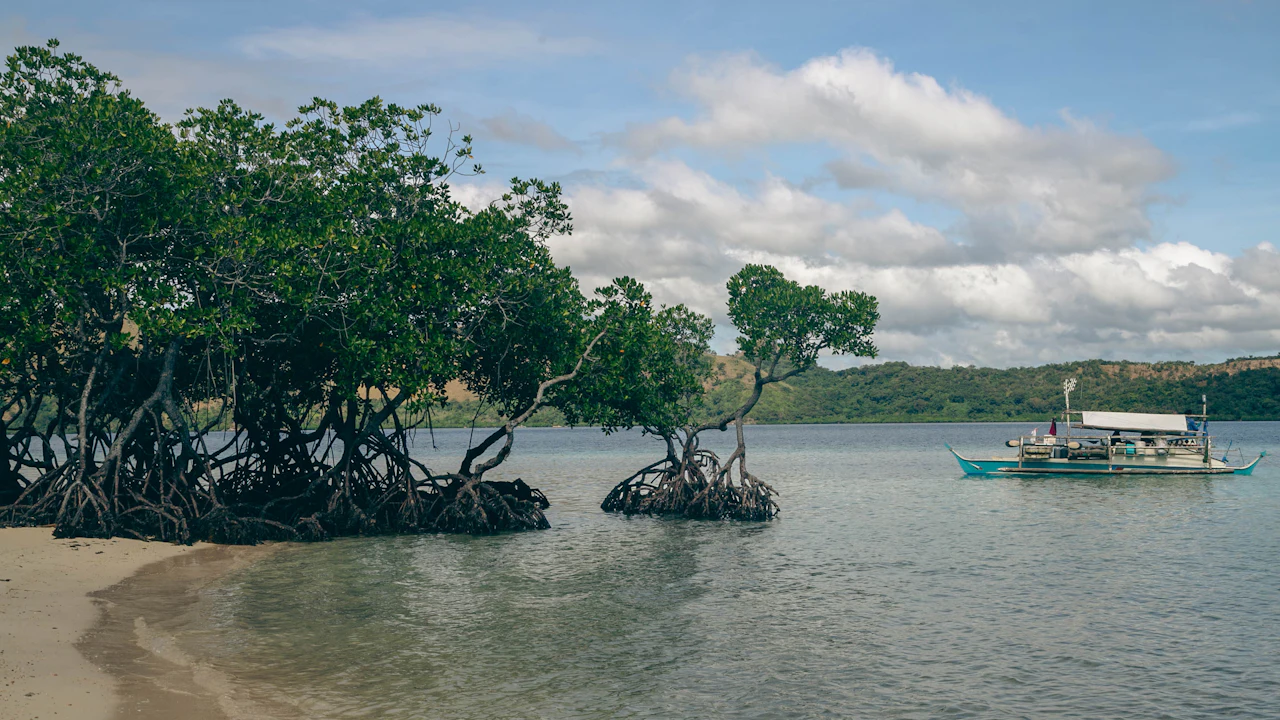
National Geographic’s Antillean manatee profile says this subspecies’ most important habitat is along the coast of Belize, where manatees use the country’s rivers, lakes, lagoons and coastal waters. They feed in seagrass, mangrove and coral reef areas, and need access to fresh water.
For a specific spot, the Belize Tourism Board names Swallow Caye, a wildlife sanctuary a few miles off Belize City, as a place to see manatees in the wild. Its guide describes a short boat ride of about 20 minutes up a river on the way, since manatees need fresh water.
The protected waters along the coast matter to manatees as much as to divers. Our guide to the Belize Barrier Reef Reserve System and its protected areas explains how the reserves fit together along the coast.
Sightings are never guaranteed
Manatees are wild and move with the food and the tides. Even in a well-known feeding area, some trips see several and some see none. Patience is part of the experience, so allow a spare day if seeing one matters to you.
Responsible manatee viewing
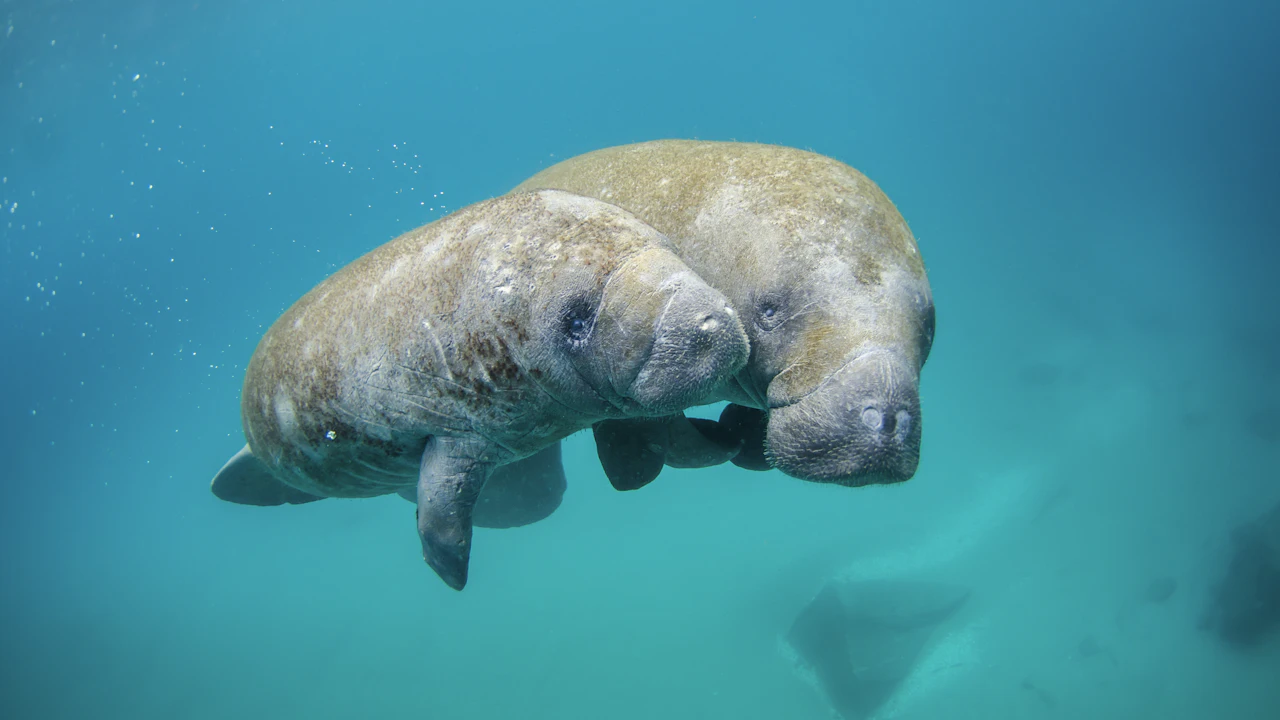
The Antillean manatee is listed as endangered by the IUCN, and National Geographic notes that females have only about one calf every two years, so numbers recover slowly. Boat strikes are a major danger in crowded waters, and fishing nets are another threat. A calm, careful boat is the best gift you can give a manatee.
The Belize Tourism Board sets out clear rules for visitors. It also warns that touching a manatee is treated as harassment, and that people caught doing it can be fined or imprisoned.
- Never touch a manatee, and never feed it or offer it water.
- Do not chase it with the boat, corner it, or come between a mother and her calf.
- Slow down where signs tell you to, and avoid speeding near rivers.
- Anchor, turn the engine off, keep voices low and wait.
Choose a licensed operator whose guides follow these rules on the water. The same respect for wildlife runs through everything we teach on the reef.
Manatee trip or reef trip: comparing your options
Here is how a manatee viewing trip compares with the trips White Sands Dive Shop runs from San Pedro. Current course prices are on our Water Sports page of PADI courses and prices.
| Trip | Who runs it | Who it suits | How you see wildlife | What you may see |
|---|---|---|---|---|
| Manatee viewing at Swallow Caye | Licensed operators who offer it (not our shop) | Families and wildlife watchers | From an anchored boat, engine off | Manatees at the surface, never guaranteed |
| Barrier reef dives (1, 2 or 3 tanks) | White Sands Dive Shop | Certified divers | Underwater, with a guide | Sharks, turtles, rays and eels |
| Hol Chan dive with Shark Ray Alley snorkel | White Sands Dive Shop | Certified divers who also enjoy snorkeling | Underwater and at the surface | Marine reserve reef life |
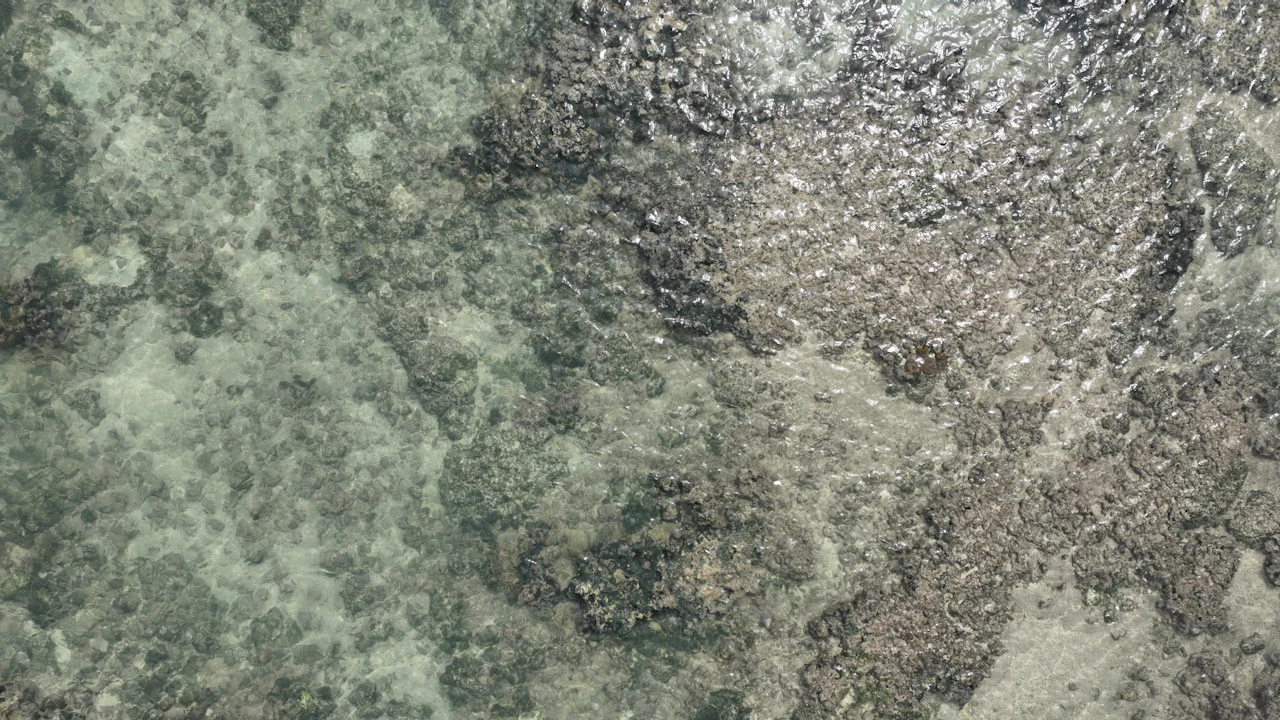
| Mexico Rocks snorkel trip | White Sands Dive Shop | Snorkelers and non-divers | At the surface in shallow water | Shallow coral and reef fish |
Local trips leave at 9:00, with pickup at the dock of your hotel. For the details, see our guides to scuba diving on Ambergris Caye and marine life you can see around Ambergris Caye.
More wildlife on and around the island
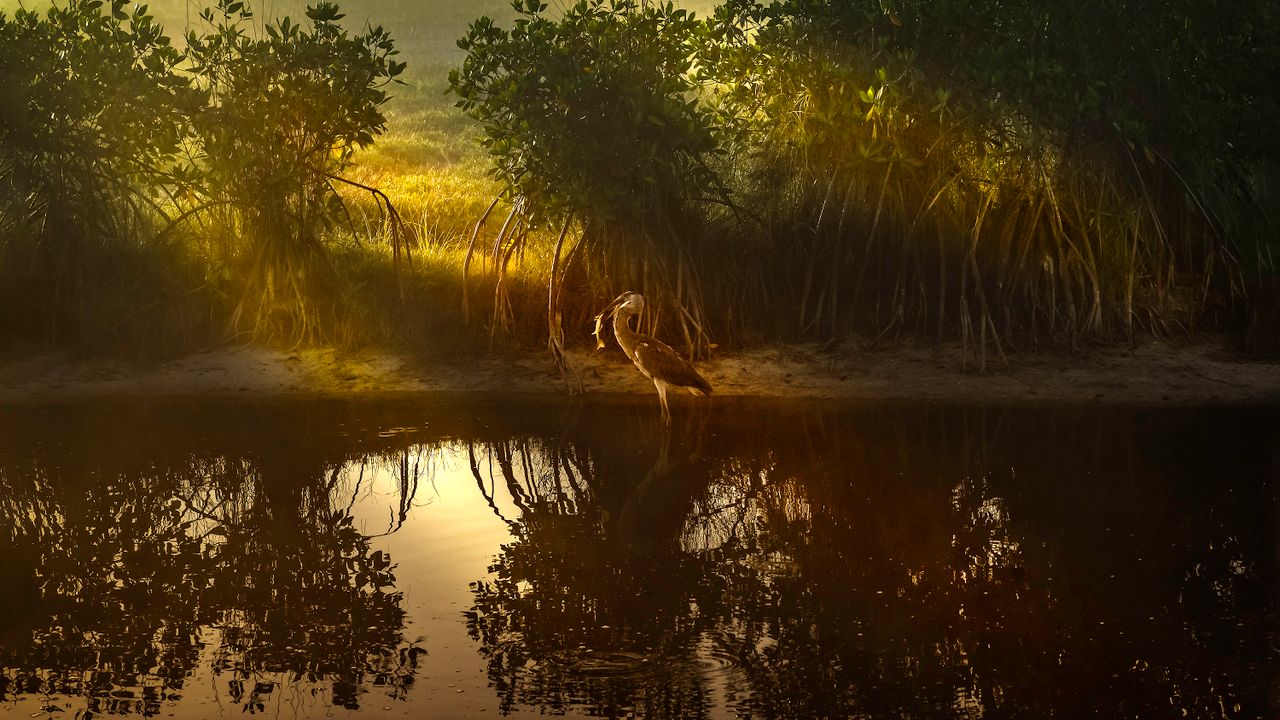
If you enjoy quiet wildlife watching, the island’s birds are worth your time too. Our guide to birdwatching on Ambergris Caye draws on Elbert’s long-running bird column, written in the voice of Bubba, his Labrador, who is sure he spots the birds first.
Every dive and snorkel trip we run is led by White Sands Dive Shop, a 5 Star PADI Dive Facility owned and operated by Elbert Greer, PADI IDC Staff Instructor. Susan wrote after her first two dives with Elbert that they were special “partially because you pointed out so many cool things to look at, not to mention the manatee.”
That was one lucky day, not something any trip can promise. Read her full note and others in our letters from students Elbert has taught.
Manatee watching Belize: your questions answered
Where can I see manatees in Belize?
The Belize Tourism Board points visitors to Swallow Caye, a wildlife sanctuary a few miles off Belize City. Book with a licensed operator that offers manatee viewing there.
Does White Sands Dive Shop run manatee tours?
No. Our listed trips from San Pedro are reef dives, Hol Chan and Shark Ray Alley trips, snorkel trips and full-day atoll trips. Manatee tours are offered by other licensed operators.
Can I swim with or touch a manatee?
Do not touch one. The Belize Tourism Board says touching a manatee is treated as harassment and can bring a fine or prison, and it asks visitors to watch from an anchored boat.
What kind of manatee lives in Belize?
The West Indian manatee, whose Caribbean and Central American population is known as the Antillean manatee. National Geographic says adults reach 8 to 13 feet long.
Are manatees endangered?
Yes. The Antillean manatee is listed as endangered by the IUCN, and National Geographic names boat strikes, fishing nets and pollution among its main threats.
Ask us about diving from San Pedro
Planning a trip that mixes wildlife watching with time on the reef? Email Elbert at elbertgreer@fastmail.fm or phone 011 (501) 226 2405, and we will help you plan the diving and snorkeling part of your stay.