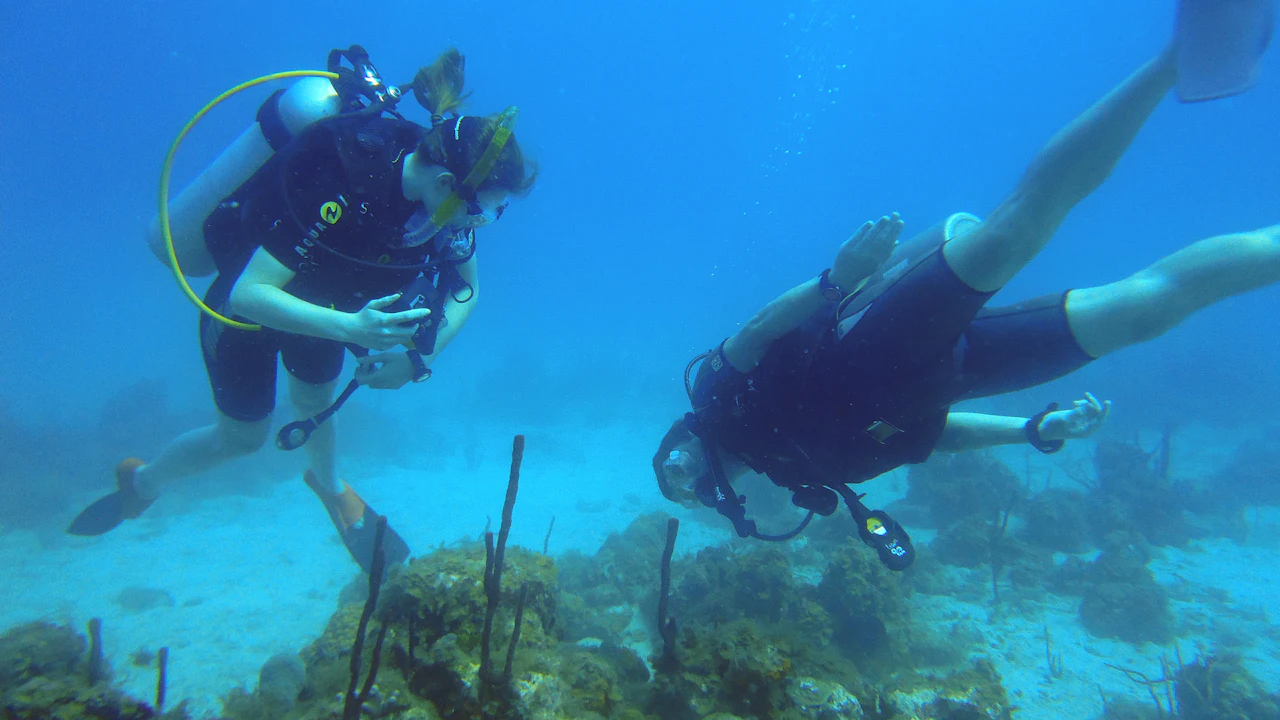
If your child has watched you come back from a reef dive grinning, the next question usually follows fast: can they come too? Scuba diving for kids is real, well organized and built around age. PADI, the agency that certifies most of the world’s recreational divers, runs separate programs for different ages, each with its own depth limit and supervision rules.
This guide is for parents planning a family trip. We set out PADI’s minimum ages exactly as PADI publishes them, explain what each program involves, and give you a simple way to judge whether your child is ready. We also tell you what to ask us before you book.
What is the minimum age for scuba diving for kids?
Quick answer: With PADI, children can start at 8 in Bubblemaker or Seal Team, which take place in a pool or shallow water. From 10, they can try Discover Scuba Diving or earn the Junior Open Water certification, limited to 12 meters (40 feet) and diving with a PADI Professional or certified parent until age 12.
Minimum age for scuba diving, program by program
PADI sorts its youth programs by age, and the age sets both what a child may do and how deep they may go. The figures below come from PADI’s own guide to PADI scuba diving lessons for kids. Every PADI course for a child under 18 needs a parent’s approval.
Ages 8 and 9: Bubblemaker and Seal Team
Bubblemaker is a first breath underwater with real scuba gear, in a pool or confined water no deeper than 2 meters (6 feet). Seal Team is a longer pool program that mixes basic skills with activities such as taking underwater photos, practicing buoyancy and learning about the environment. Neither one needs any experience, only a child who is comfortable in the water.
Age 10 and up: Discover Scuba Diving
PADI lists Discover Scuba Diving for children from age 10. It is a try dive, not a certification. On our Discover Scuba Diving experience on Ambergris Caye, the course includes basic knowledge, a pool session with gear and one open water dive.
PADI Junior Open Water: the first real certification
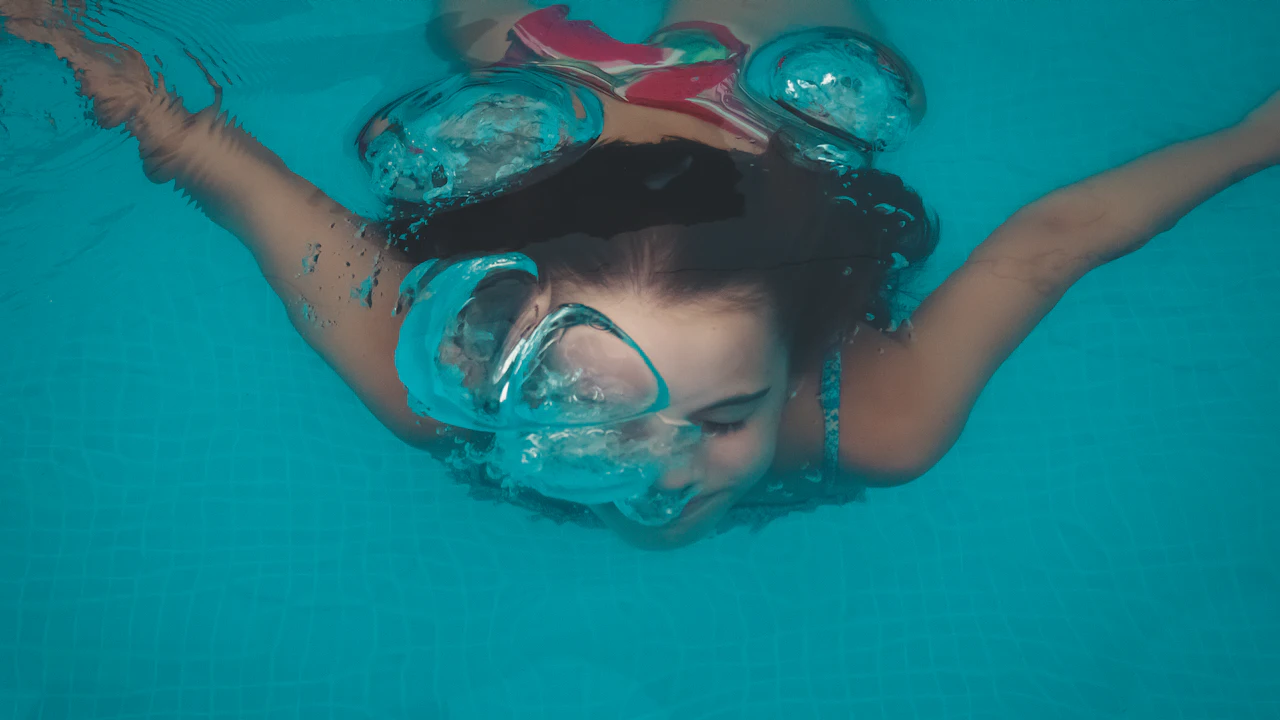
From age 10, a child can take the Junior Open Water Diver course. It is PADI’s first full certification, with knowledge sessions, pool skills and open water dives. PADI says the child needs to be able to swim.
The difference is in the limits. Juniors aged 10 and 11 may dive no deeper than 12 meters (40 feet), and must dive with a PADI Professional or a certified parent or guardian. Juniors aged 12 to 14 may dive to 18 meters (60 feet) with any certified adult as their buddy.
What happens at 15
At 15, a Junior Open Water Diver automatically becomes an Open Water Diver, and the adult depth and buddy rules apply. PADI notes that you can order a replacement card without the word “Junior” on it. Our PADI Open Water course on Ambergris Caye page explains the adult course, which includes four open water dives over 3 to 4 days.
Kids scuba programs compared
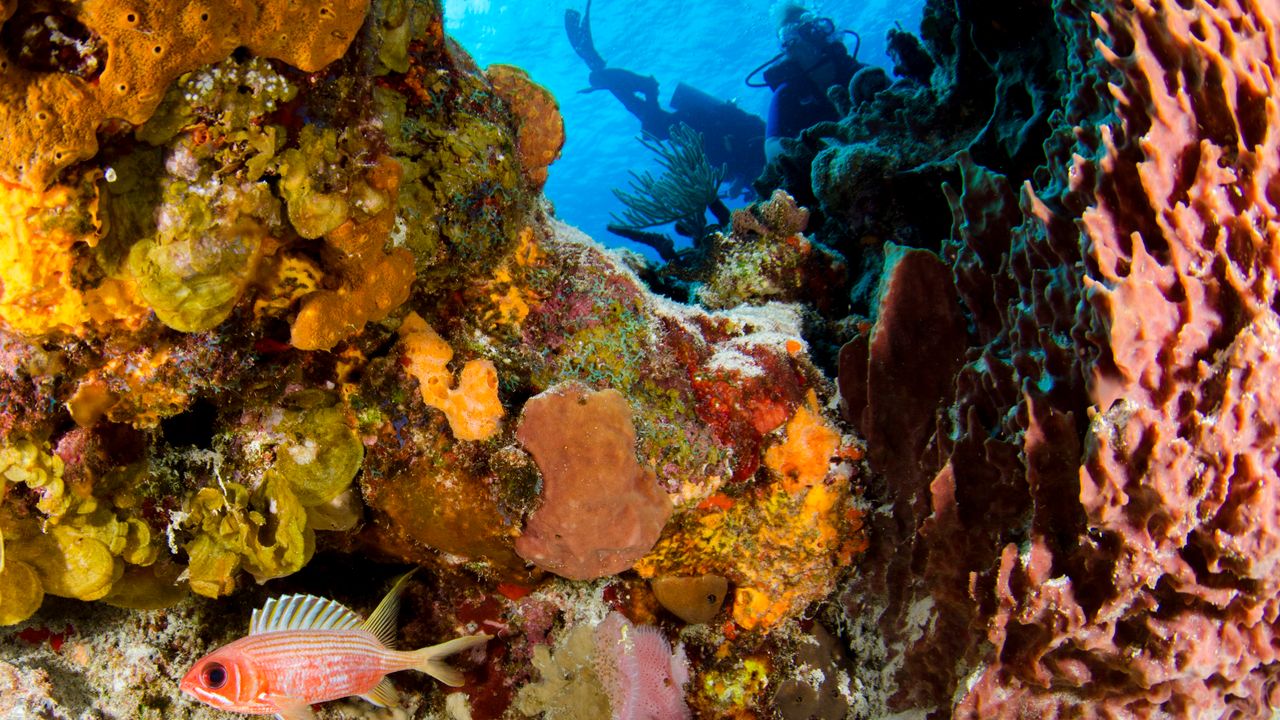
Here is PADI’s youth ladder side by side. Use it to match a program to your child’s age and confidence, then ask us which ones we can run during your stay.
| Program | Minimum age | Where it happens | Depth limit | Certification? |
|---|---|---|---|---|
| Bubblemaker | 8 | Pool or confined water | 2 meters (6 feet) | No, an experience |
| Seal Team | 8 | Pool | Pool depth | No, a pool program |
| Discover Scuba Diving | 10 | Pool or open water | Ask your instructor | No, a try dive |
| Junior Open Water, ages 10 and 11 | 10 | Pool and open water | 12 meters (40 feet), with a PADI Pro or certified parent | Yes |
| Junior Open Water, ages 12 to 14 | 12 | Pool and open water | 18 meters (60 feet), with a certified adult | Yes |
Some later courses have age rules of their own. On our Water Sports page with every PADI course we teach, for example, the Nitrox course asks that you be at least 12 years old.
Is your child ready to scuba dive?
Age is the rule, but readiness is the real test. PADI’s first piece of advice is to make sure the child wants to dive before you sign them up. A child who is talked into it rarely enjoys it.
Before you book, ask yourself honestly:
- Did my child ask to dive, or did I ask for them?
- Are they relaxed in water over their head, and happy with their face in it?
- Will they listen to an instructor and follow a rule they find boring?
- Will they tell an adult when something hurts or feels wrong, such as ear pain?
- Can they sit through a short lesson about equipment and safety?
If most answers are yes, PADI suggests Bubblemaker or Seal Team as a good way to gauge a younger child’s readiness.
Swimming, ears and health
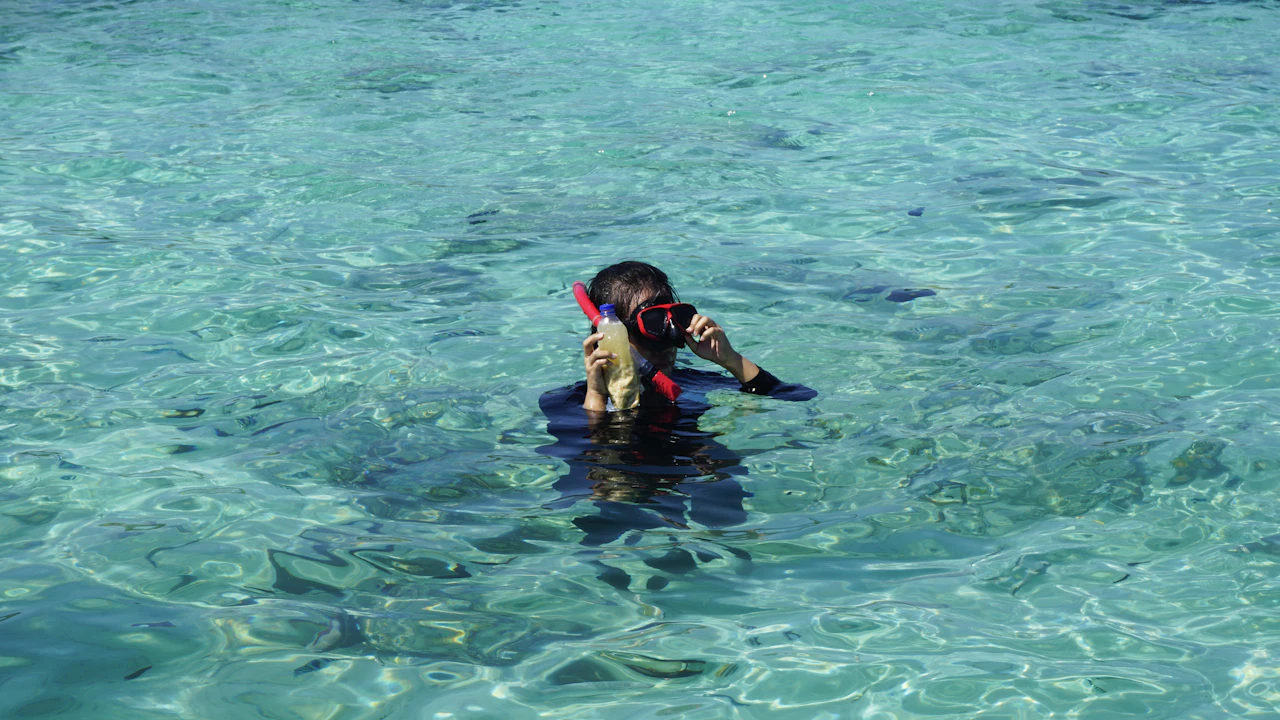
Comfort in the water comes first. If your child is still a nervous swimmer, our guide on whether non-swimmers can scuba dive explains what is and is not possible. Snorkeling together is often the best first step.
Ears matter more for small divers, who need to clear the pressure gently and often. Our guide on how to equalize your ears when scuba diving is worth reading together. Before any course, read our scuba diving medical questionnaire guide, which explains when a doctor needs to sign off.
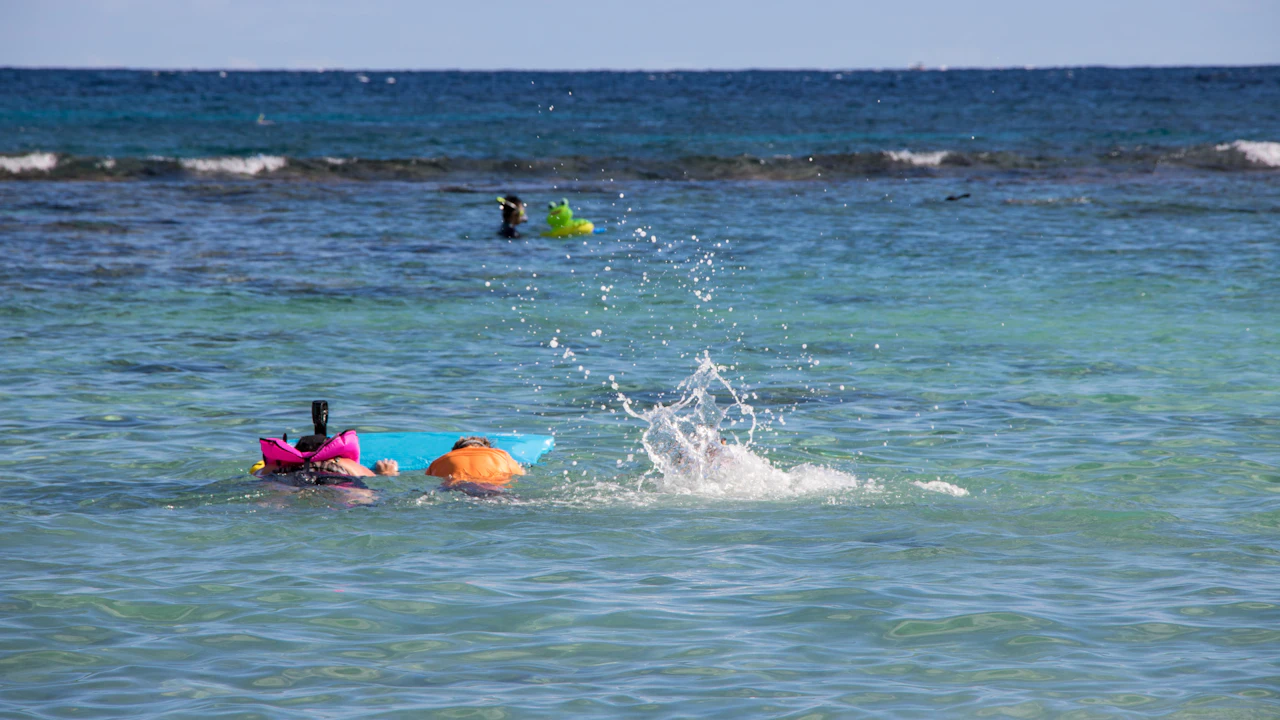
Planning a family dive trip
Our site does not yet list which youth programs we run or from what age, so please ask Elbert directly before you travel. Tell him your child’s age and swimming level, and he can tell you what fits.
It also helps to think about the whole family. A parent who is a 10 or 11 year old’s buddy must be a certified diver, so a parent who is new to diving may want to learn first. Our guide to learning to dive on Ambergris Caye walks through every course, from a first try dive upward.
- Check your child’s age against the table above.
- Talk with your child about whether they really want to try.
- Email Elbert with ages, swimming ability and your travel dates.
- Read the medical questionnaire together before you leave home.
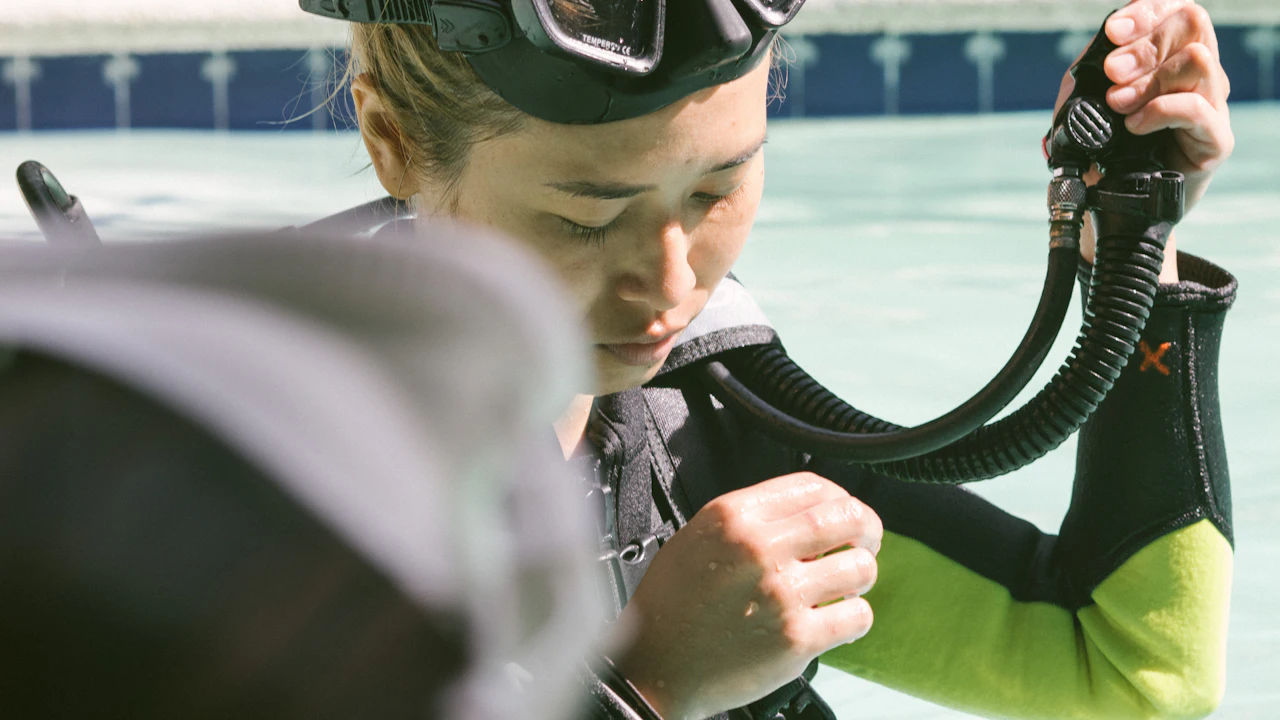
Who teaches at White Sands Dive Shop
White Sands Dive Shop is a 5 Star PADI Dive Facility on the beach in San Pedro, owned and operated by PADI IDC Staff Instructor Elbert Greer.
Bryan Nelson wrote about Sam’s certification dives: “Prior to meeting you Joan was insisting that I be along on all the dives. After her first meeting with you she waived that requirement, realizing that Sam was in the best possible hands.” You can read the full note in our letters from students Elbert has taught.
Scuba diving for kids: your questions answered
Can an 8 year old scuba dive?
Yes, in PADI’s Bubblemaker and Seal Team programs, which take place in a pool or confined water. Bubblemaker stays shallower than 2 meters (6 feet).
How deep can a 10 year old dive?
A Junior Open Water Diver aged 10 or 11 may dive to 12 meters (40 feet), with a PADI Professional or a certified parent or guardian as buddy.
Do I need to be certified to dive with my child?
To act as buddy for a 10 or 11 year old Junior Open Water Diver, a parent or guardian must be certified. Otherwise the child dives with a PADI Professional.
What happens to a Junior Open Water card at 15?
The diver automatically becomes an Open Water Diver at 15, and adult limits apply. PADI lets you order a replacement card without the word Junior.
Does White Sands Dive Shop teach children?
Our site does not list youth programs or ages yet, so please email Elbert with your child’s age and swimming level and he will tell you what he can offer.
Ask Elbert about diving with your kids
Planning a family trip and wondering what your child can do? Email Elbert at elbertgreer@fastmail.fm or phone 011 (501) 226 2405. Tell us your children’s ages and swimming experience, and we will help you find the right first step.