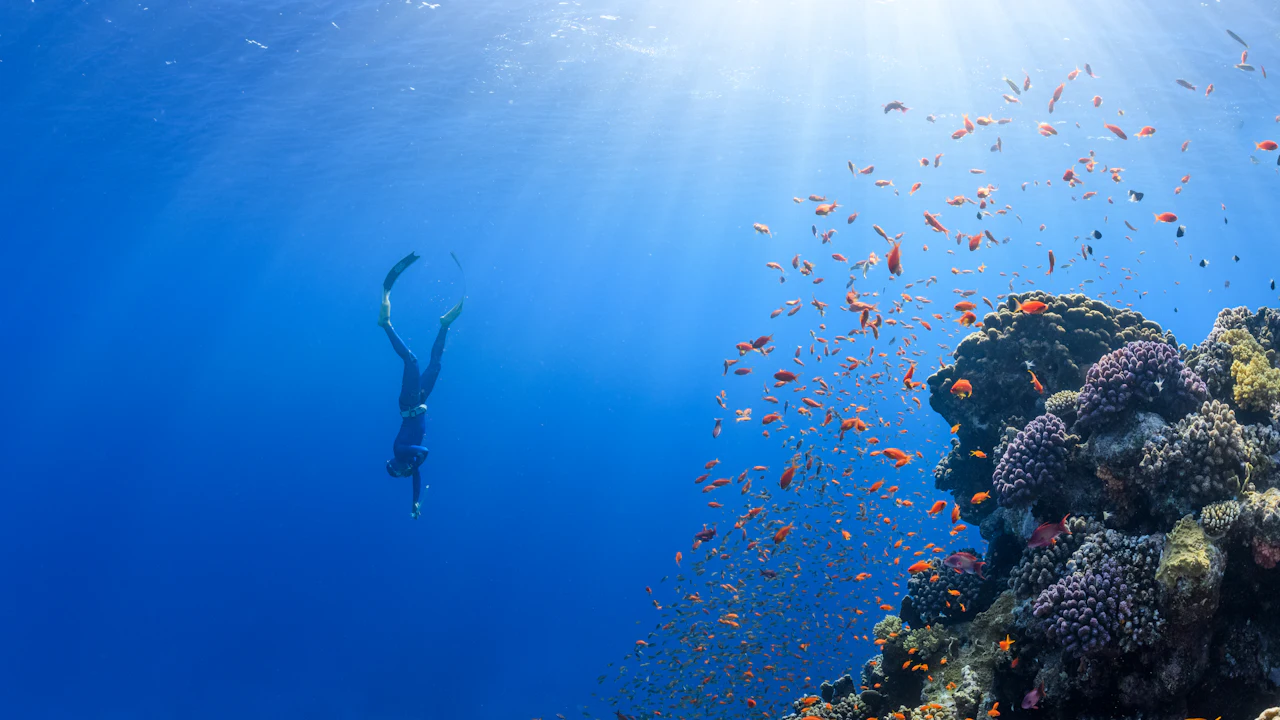
Should you snorkel or try scuba? Snorkeling vs scuba diving is not a contest with one winner. Both put you over the same reef, and the right choice depends on how much time you have, how you feel in the water and how close you want to get.
This guide is for first-time visitors, nervous swimmers and mixed groups where one person wants to dive and another would rather float on top. We compare training, depth, gear and time honestly, then point you to the trips that fit.
Snorkeling vs scuba diving: which should a beginner choose?
Quick answer: Snorkel if you want an easy, relaxed look at the reef from the surface with almost no training. Choose scuba if you want to stay down longer and see the reef up close. If you are unsure, a Discover Scuba try dive lets you test scuba with an instructor before committing to a full course.
The real difference: where your air comes from
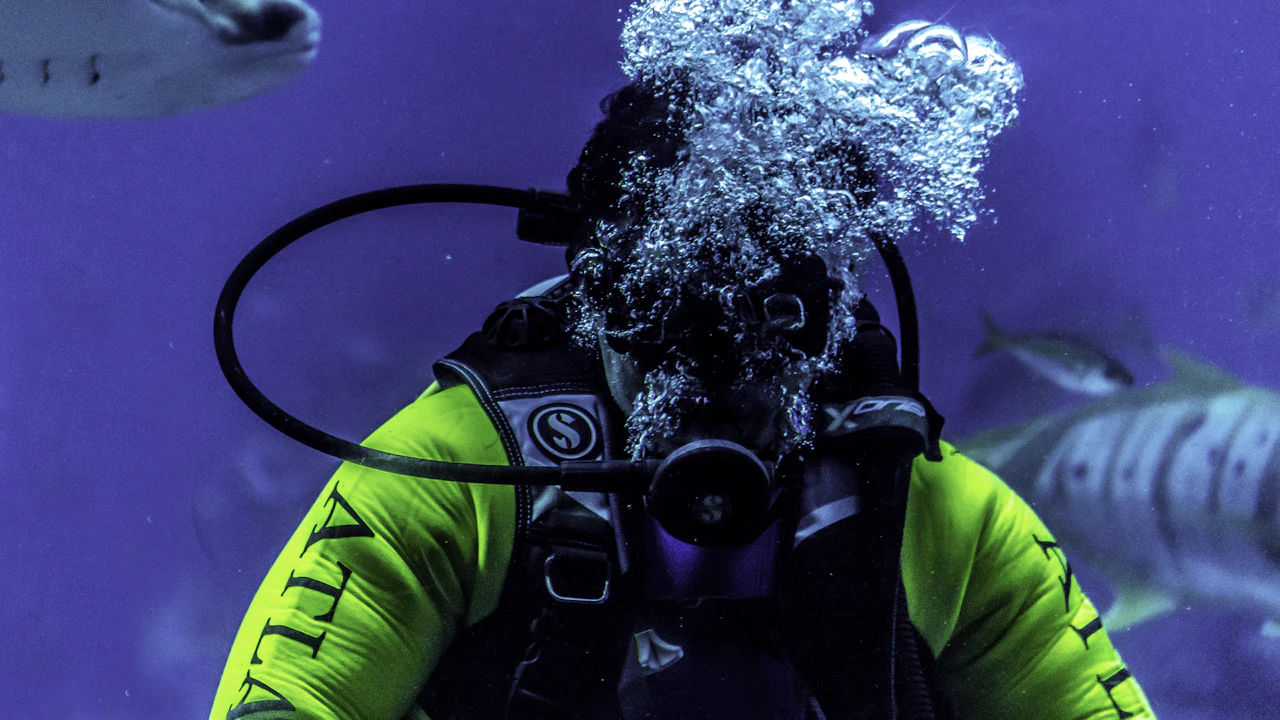
A snorkeler floats face down at the surface and breathes through a short tube, so every breath comes from the air above. A scuba diver carries a tank of compressed air and breathes through a regulator, which lets you stay underwater for the length of the dive. Almost every other difference follows from that one fact.
Because scuba lets you breathe at depth, it also brings pressure into the picture. Divers learn to equalize their ears, control their buoyancy and come up slowly. Snorkelers mostly need a mask that seals, a relaxed kick and a little sun protection.
Snorkeling or diving for beginners: side by side
The depth figures below come from the PADI comparison of snorkeling and scuba diving, which notes that most snorkelers stay within about 12 to 15 feet and that experienced divers can reach about 130 feet. The rest of the table is what you can expect from a day on the water.
| Question | Snorkeling | Discover Scuba try dive | Open Water certification |
|---|---|---|---|
| Training needed | A short briefing and a mask that fits | Basic knowledge and a pool session with gear | Five classes, plus pool and open water skills |
| How deep you go | The surface, with breath-hold peeks below | Up to 40 ft with a certified divemaster | Training dives usually stay within about 40 ft |
| Gear you wear | Mask, snorkel and fins | Full scuba kit, provided and fitted for you | Full scuba kit, which you learn to set up yourself |
| Time needed | No training time beyond the briefing | A pool session, then one dive | Allow 3-4 days |
| Who it suits | Families, relaxed swimmers, anyone short on time | Curious first-timers who want to try breathing underwater | Anyone who wants to keep diving on future trips |
| What you get | A great view of the shallow reef | One real reef dive, but no certification | A certification you can use on future dive trips |
Course details and current course prices are on our Water Sports page with every PADI course.
When snorkeling is the better choice
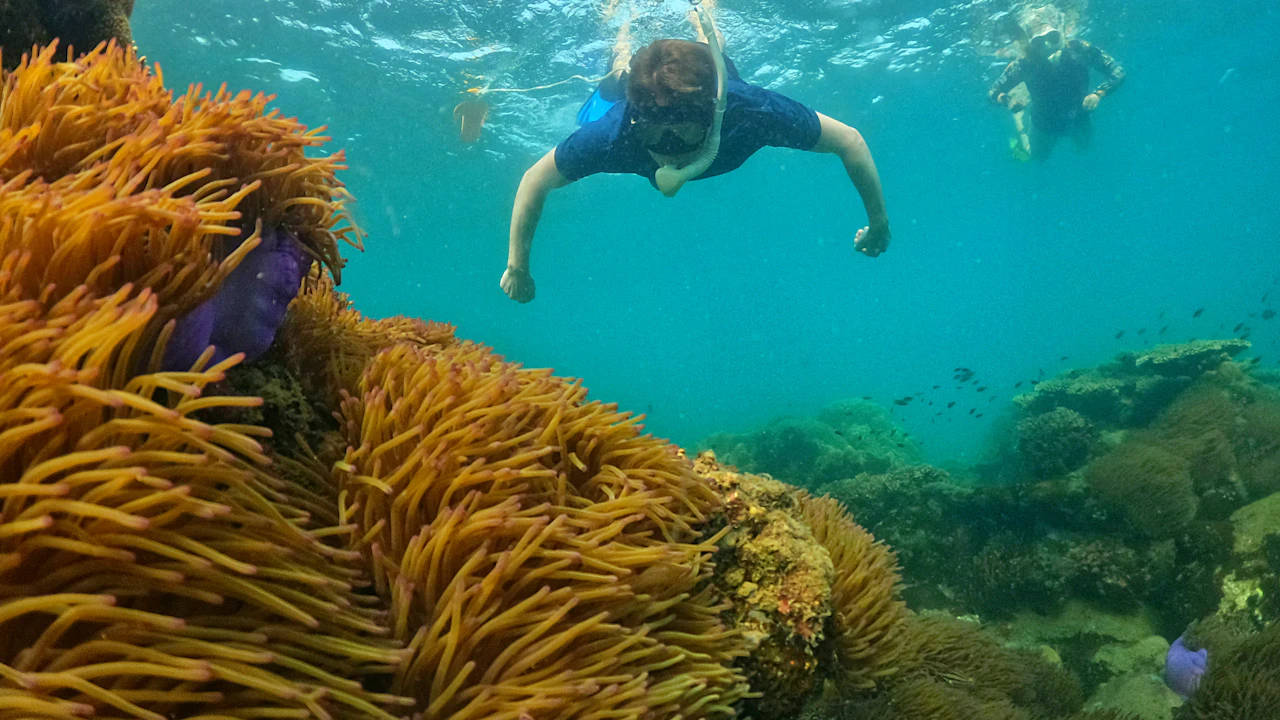
Snorkeling is not a lesser option. On a calm day, a snorkeler floating quietly over shallow coral sees a great deal of reef life. It also asks very little of you: no classroom, no ear clearing on the way down and no waiting time before you fly home.
- You have a single free morning and want to see the reef without training.
- You are traveling with children or relatives who prefer to stay at the surface.
- You have a health condition that might rule out scuba and have not yet talked to a doctor.
- You simply enjoy floating, watching and coming up whenever you like.
We run two snorkel trips. The Hol Chan and Shark Ray Alley snorkeling trip visits the marine reserve and its famous nurse shark and ray area; park tickets are not included. The Mexico Rocks snorkeling trip is our other option for a shallow coral garden. Masks, snorkels and fins are available through our scuba and snorkel gear rental on Ambergris Caye.
When scuba diving is worth the extra effort
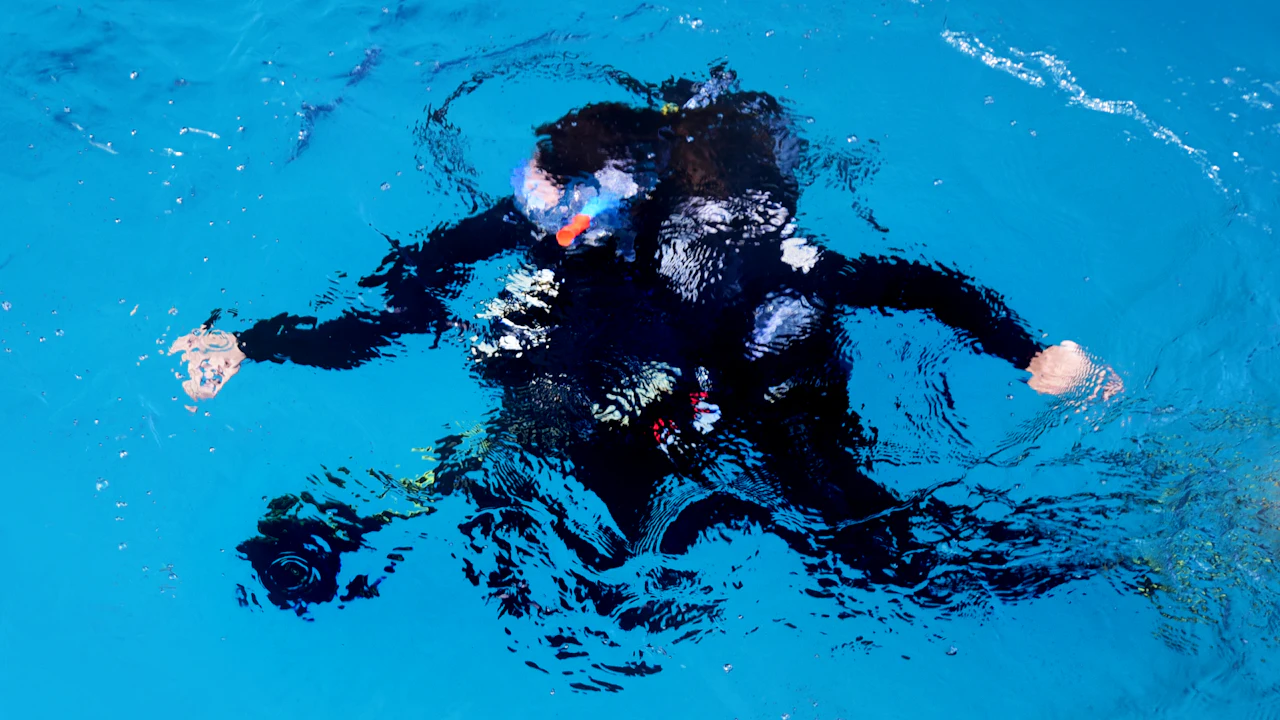
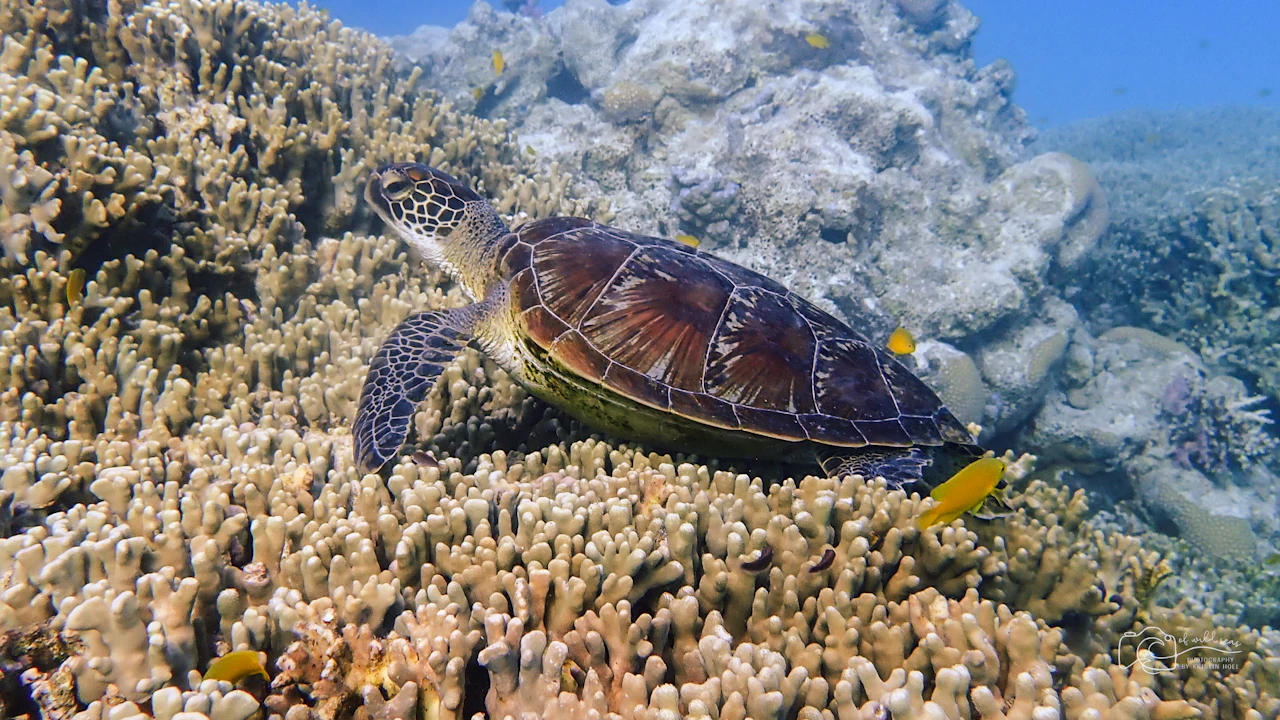
Scuba is for the person who comes up from a snorkel and wishes they could stay down. On a dive you hover beside the coral instead of looking at it from above, and you get time to watch a turtle feed or an eel peer out of a ledge. PADI also points out the trade-offs: scuba takes more planning, needs training and comes with rules such as waiting before you fly.
Try it first with Discover Scuba
If you are not sure, start small. Discover Scuba Diving on Ambergris Caye includes basic knowledge, a pool session with gear and one open water dive, which qualifies you to dive in the marine reserve with a certified divemaster at depths up to 40 ft. It is a taste of diving, not a certification.
Go all the way with Open Water
If you already know you will want to dive again, the PADI Open Water course on Ambergris Caye is the full certification. It has five classes covering gear, underwater life, dive planning, basic oceanography, diving physics and maladies, plus four open water dives. Allow 3-4 days, and see our guide to learning to dive on Ambergris Caye for every route in one place.
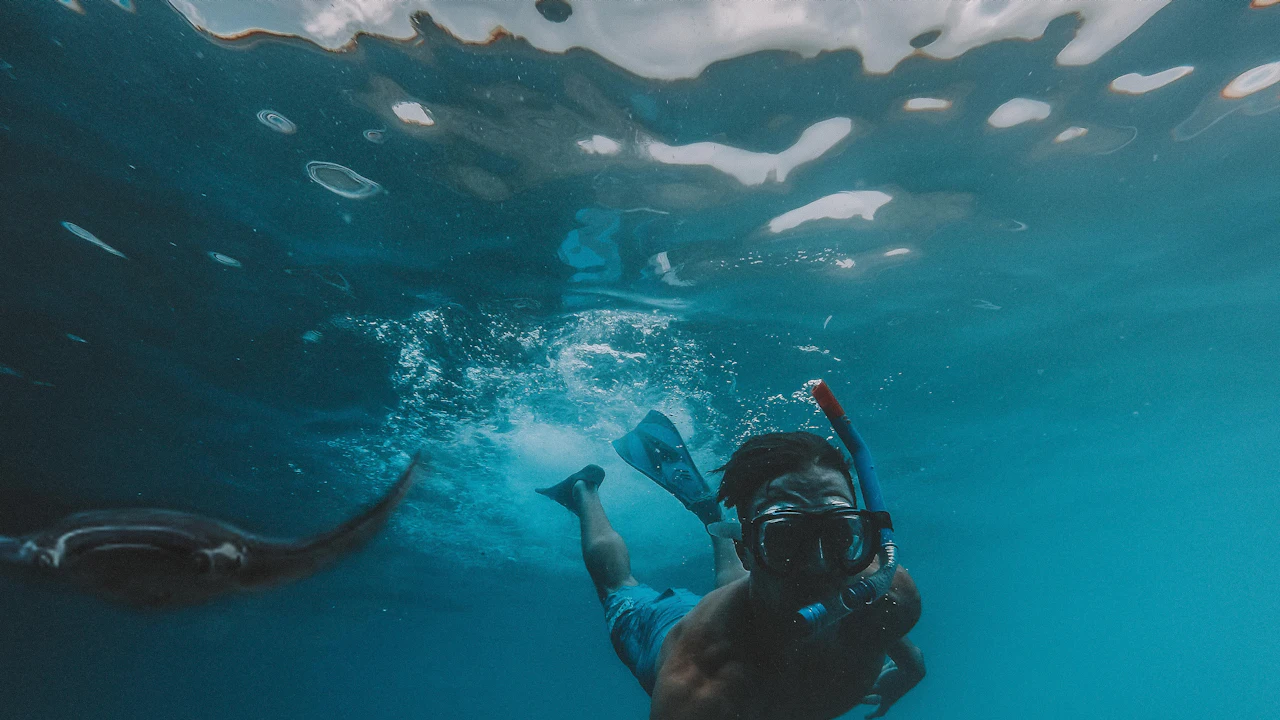
Should I snorkel or scuba dive? A quick self-check
Answer these honestly, and the choice usually makes itself. You can also snorkel one day and dive the next.
- How do you feel with your face in the water? If a mask makes you uneasy, snorkel first and build comfort.
- How many days do you have? One free day suits snorkeling or a try dive; three or four free days make certification realistic.
- Will you travel to warm water again? If yes, a certification pays you back on every future trip.
- Are you flying out soon? Snorkeling has no waiting time before a flight, while scuba does.
- Are you worried about swimming? Read our guide on whether non-swimmers can scuba dive, then tell us how you feel.
Whichever you pick, the reef rules are the same. NOAA’s NOAA advice on diving and snorkeling responsibly asks you to keep fins, gear and hands off coral, view wildlife from a safe distance and leave souvenirs behind. Our reef etiquette guide for divers and snorkelers covers the details.
Who teaches you at White Sands Dive Shop
White Sands Dive Shop is a 5 Star PADI Dive Facility on the beach in San Pedro, owned and operated by PADI IDC Staff Instructor Elbert Greer. Our local diving and snorkeling trips leave at 9:00, and we pick you up at the dock of your hotel.
Minette Layne wrote: “I was so panicked and you really calmed me down and set me up for a wonderful couple of weeks of diving and snorkeling.” You can read her full note and others in our letters from Elbert’s dive students.
Snorkeling vs scuba diving: your questions answered
Is snorkeling easier than scuba diving?
Yes. Snorkeling takes a short briefing and a mask that fits, while scuba adds skills such as equalizing your ears, controlling buoyancy and ascending slowly, which an instructor teaches you.
Do I need to be certified to scuba dive?
Not for a first try. A Discover Scuba experience lets you dive with a professional without a certification, but to dive on your own with a buddy on future trips you need a certification such as PADI Open Water.
How deep can you go snorkeling vs scuba diving?
PADI notes that most snorkelers stay within about 12 to 15 feet, while experienced divers can reach about 130 feet. A Discover Scuba dive with us goes to a maximum of 40 feet.
Can I snorkel and scuba dive on the same trip?
Yes. Our one tank Hol Chan dive includes a snorkel at Shark Ray Alley, and you can book a snorkel trip on one day and a try dive on another.
Can I fly after snorkeling or scuba diving?
Snorkeling at the surface has no waiting time before a flight. Scuba diving does, so plan your dives for the start of your trip and leave a gap before you fly home.
Ask us which one suits you
Not sure yet? Tell Elbert how you feel in the water and how many days you have, and he will help you choose. Write to elbertgreer@fastmail.fm or call 011 (501) 226 2405.