
A few days into a dive trip, one ear starts to itch, then it feels sore when you pull on it. That is the classic start of what many divers search for as swimmers ear after diving. It is an infection of the outer ear canal, and it is common in people who spend hours in the water every day.
This guide is for anyone planning several days of diving or snorkeling, and for divers who have had swimmer’s ear before and want to avoid a repeat. We explain the signs public health experts list, the simple drying habits they recommend, how it differs from an ear squeeze, and when to see a doctor. This is general information, not medical advice.
How do you prevent swimmers ear after diving, and what are the signs?
Quick answer: Dry your ears after every dive: tilt each ear down, towel it, tug the earlobe, and use a hair dryer on its lowest setting if water stays. Keep cotton swabs out and leave earwax alone. Pain when the ear is tugged, itching, redness, swelling or drainage are signs to see a doctor before diving again.
What swimmer’s ear is, and why divers get it
Swimmer’s ear, or otitis externa, is an infection of the outer ear canal, the tube between your ear opening and your eardrum. The CDC guide to preventing swimmer’s ear explains that it usually starts when water stays in the canal for a long time. The water wears down the protective wax and skin, and bacteria multiply in the warm, damp space.
Divers spend long stretches in the water, often several times a day, and Divers Alert Network notes that the condition is common in divers and swimmers. The CDC adds that it is not contagious, so you cannot catch it from a buddy.
Ear infection after scuba diving: the signs to watch
The CDC lists four main signs of swimmer’s ear.
- Pain when the outer ear is tugged, or when you press on the small flap in front of the ear opening.
- Itchiness inside the ear canal.
- Drainage from the ear.
- Redness and swelling of the ear.
A sore outer ear that hurts more when you pull it points toward the outer canal. Only a doctor can tell you for sure, though, so treat these signs as a reason to get checked, not as a diagnosis.
Swimmers ear after diving vs ear barotrauma
New divers often mix up an infection with an ear squeeze. Barotrauma is pressure damage, and on a dive it usually affects the middle ear, behind the eardrum. DAN’s page on middle-ear barotrauma describes a stuffed or clogged feeling on descent when a diver cannot equalize, which can grow into severe pain.
| Point | Swimmer’s ear (outer ear) | Middle-ear barotrauma (squeeze) |
|---|---|---|
| What it is | An infection of the outer ear canal | Pressure injury behind the eardrum |
| Main cause | Water staying in the canal for a long time | Not equalizing as the pressure changes |
| When it shows | Usually builds over a day or so after water exposure | During descent, as a full or clogged feeling |
| Typical signs | Pain when the ear is tugged, itch, redness, swelling, drainage | Fullness, pain, muffled hearing; serious cases bring dizziness |
| Main prevention | Drying ears well, no swabs, leave earwax alone | Equalizing early and often, never forcing it |
| What to do | See a doctor; stop diving until cleared | Stop the descent; see a doctor if symptoms stay |
Good equalizing is the main defense against a squeeze, and our guide on how to equalize your ears when scuba diving walks through the techniques. A blocked nose makes equalizing harder, so also read our advice on scuba diving with a cold or congestion before you dive with a stuffy head.
How to prevent swimmer’s ear on a dive trip
The CDC’s advice comes down to keeping ear canals as dry as you can and keeping objects out of them. It takes a minute after each dive.
- Tilt your head so each ear faces down, and let the water drain out.
- Dry your outer ears well with a towel.
- With the ear facing down, pull the earlobe gently in different directions to help the water out.
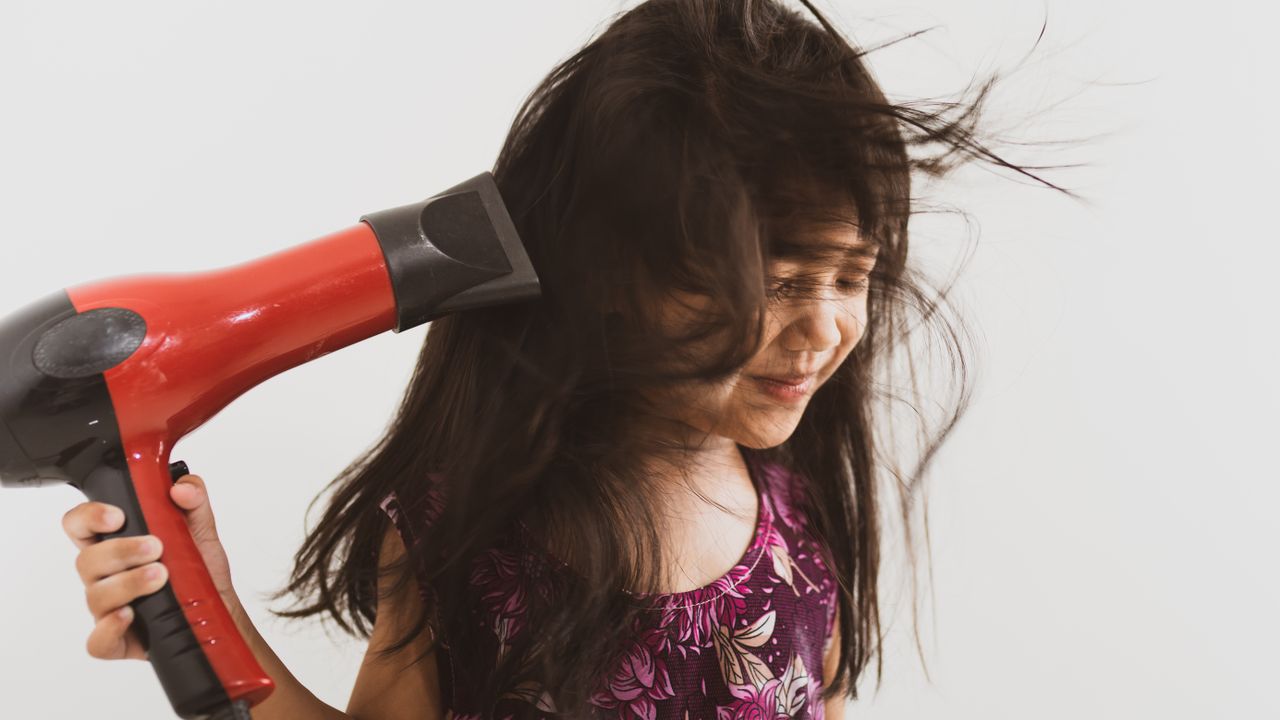
- If water remains, use a hair dryer on the lowest heat and fan setting, held several inches from the ear.
Skip the cotton swabs
The CDC says not to put cotton swabs, pencils, paperclips or keys into the ear canal. It also says not to try to remove earwax, because earwax helps protect the canal from infection. DAN adds that swabs can push wax deeper and leave tiny scrapes in the skin.
Ask before you use ear drops
Ear-drying drops are popular with divers, but the CDC says to check with your healthcare provider first. It warns against them if you have ear tubes, a punctured eardrum, swimmer’s ear already, or drainage from the ear.
When to see a doctor, and when to stop diving
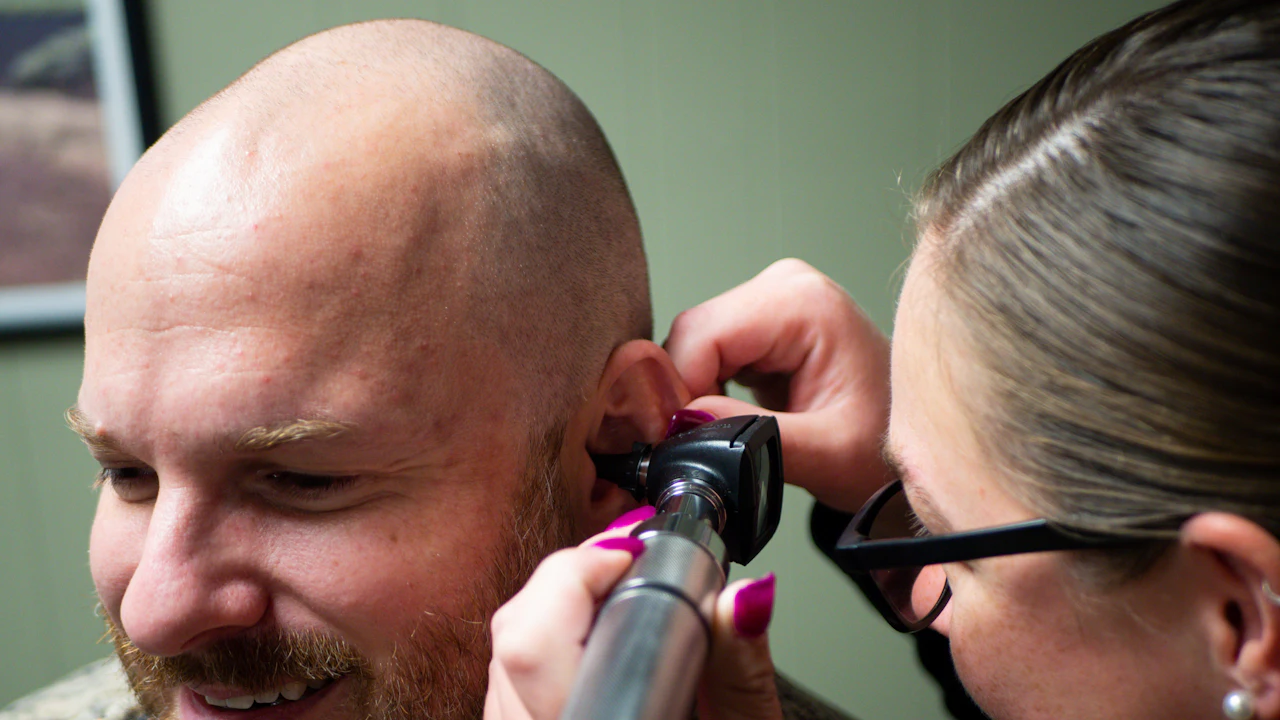
The CDC’s advice is simple: if you have ear pain or drainage from the ear, check with your healthcare provider. It notes that swimmer’s ear is treated with antibiotic ear drops, which a provider prescribes.
DAN advises against diving or swimming until treatment is complete and the symptoms have fully gone. Any dizziness, hearing loss or ringing after a dive is a different matter, so mention it to the doctor straight away.
Ear care habits for a week of diving
- Pack a small towel just for your ears, and add any drops your doctor approves to your Belize dive trip packing list.
- Dry your ears on the boat between dives, not only at the end of the day.
- Treat an itchy ear as an early warning and keep your fingers out of it.
- If you have had swimmer’s ear before, ask your doctor about prevention before you travel.
Our local dive and snorkel trips leave at 9:00 with pickup at the dock of your hotel, so build your ear-drying routine into the start and end of each trip day. For the sites and trip options, see our guide to diving on Ambergris Caye, and check course details and current prices on our Water Sports page of PADI courses and dives.
Diving with Elbert
White Sands Dive Shop is a 5 Star PADI Dive Facility on the beach in San Pedro, owned and operated by Elbert Greer, PADI IDC Staff Instructor. If something feels wrong with your ears, tell us before you get on the boat, not halfway through the day.
Vivake K. Bhalla wrote that Elbert “was very friendly and fun, but equally very strict about safety”. You can read more in our letters from students Elbert has taught.
Swimmers ear after diving: your questions answered
Can I dive with swimmer’s ear?
DAN advises not diving or swimming until treatment is complete and your symptoms have fully resolved. See a doctor first and follow their advice on when to return.
How do I get water out of my ear after diving?
The CDC suggests tilting each ear down, drying it with a towel and gently pulling the earlobe in different directions. If water remains, use a hair dryer on the lowest heat and fan setting, held several inches away.
Should I clean my ears with cotton swabs after diving?
No. The CDC says to keep cotton swabs and other objects out of the ear canal and not to remove earwax, because earwax helps protect the canal from infection.
Is ear pain after a dive swimmer’s ear or a squeeze?
Swimmer’s ear usually builds after the dive and hurts when the outer ear is tugged, while a squeeze starts on descent with a full or clogged feeling. Only a doctor can tell you which it is.
Are ear-drying drops safe for divers?
Ask your healthcare provider first. The CDC warns against them if you have ear tubes, a punctured eardrum, swimmer’s ear or drainage from the ear.
Questions before your dive trip?
Planning a week of diving and want to talk through your schedule? Email Elbert at elbertgreer@fastmail.fm or phone 011 (501) 226 2405. For any ear symptoms, please see a doctor first, then let us know and we will help you plan your dives.