
Most divers learn early that ears need care on the way down. Fewer hear about the problem that can show up on the way back up: a sharp pain in one ear as you rise toward your safety stop, even though the descent went smoothly. In scuba diving that is called a reverse block, and it catches out beginners and old hands alike.
This guide is for any certified diver or student who wants to understand the problem before it happens. We explain what a reverse block is, why congestion and decongestants play a part, what dive authorities describe doing in the water and when to see a doctor. It is general information, not medical advice for your own case.
What is a reverse block in scuba diving, and what should you do?
Quick answer: A reverse block happens on ascent, when air expanding in your middle ear cannot escape because the Eustachian tube is blocked. It can be painful. DAN’s case notes describe descending a little to ease the pressure, then ascending slowly in small steps. If pain persists after the dive, see a doctor.
What a reverse block is
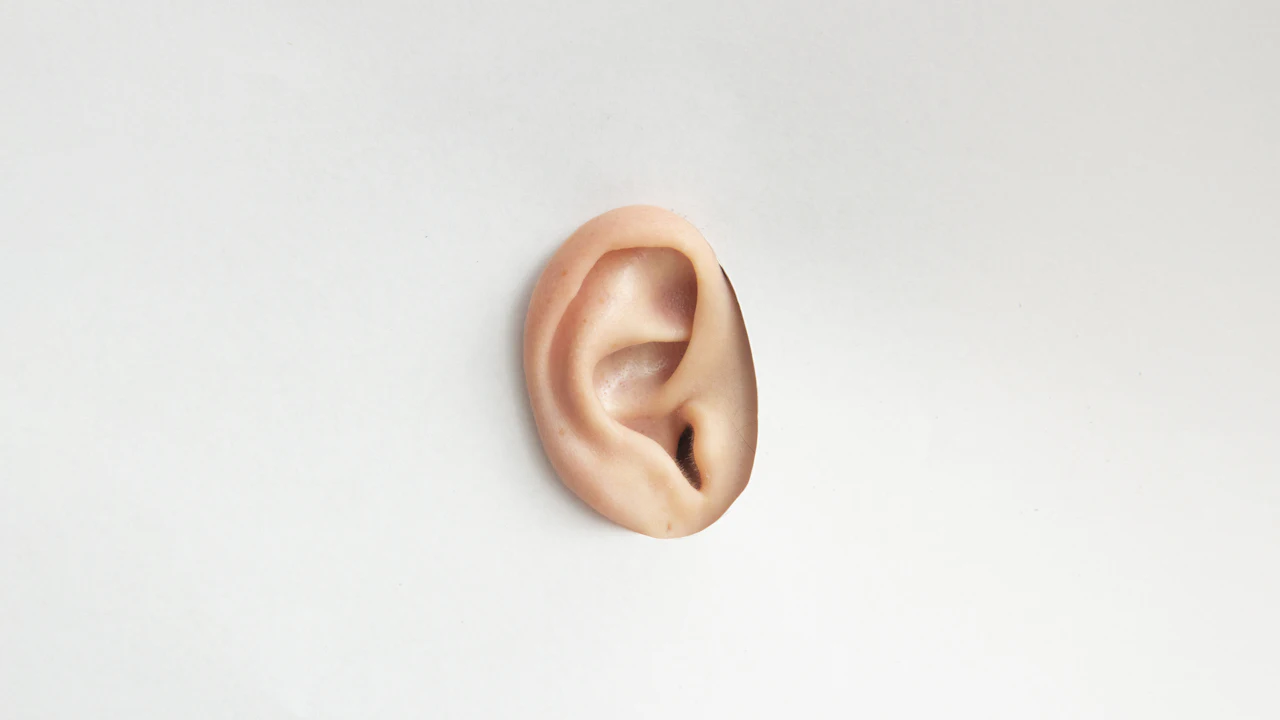
Your middle ear is an air space behind the eardrum, linked to your throat by the Eustachian tube. On descent you push air into it to equalize. On ascent the pressure around you drops, so that air expands and has to vent back out through the same tube.
TDI/SDI’s article on protecting your ears as the pressure changes explains what goes wrong. If the Eustachian tubes are blocked, the expanding air in the middle ear has nowhere to go. That is a reverse block, and TDI/SDI warns that it can have painful consequences.
Sinuses are air spaces too. TDI/SDI’s diver news on headaches says a sinus squeeze can happen during ascents or descents, and that inflammation of the sinuses or nasal cavity from allergies or a cold is one cause. Our guide to sinus squeeze in scuba diving covers the sinus side in more detail.

Reverse block scuba diving risks: congestion and decongestants
A blocked Eustachian tube usually has a reason, and congestion is the one the sources return to. TDI/SDI says that a cold can block the Eustachian tubes, and its advice is plain: if you have a cold of any kind, give the dive a miss. Our guide to scuba diving with a cold looks at that decision more closely.
Decongestants are the tempting shortcut, and TDI/SDI warns against relying on them. Its point is about timing: the effects will most likely wear off before the end of your dive, and you will still need to ascend regardless. In its words, do not think a decongestant will solve the problem, and be very wary of taking any before you submerge.
Any question about medicines and diving belongs with your doctor. What the sources make clear is that a nose that only clears with help on the boat may not stay clear for the whole dive.
It can happen on a good dive
A reverse block does not need a bad dive. In a DAN case study republished on PADI’s blog, DAN notes that a reverse block can happen even when everything else went well in a dive. PADI’s blog also points out that ears can be fine one day and plugged the next.
What divers do when a reverse block hits
The clearest account we know of is PADI’s dive accident case studies on ear injuries. An assistant instructor felt severe pain in his right ear at the end of a dive. DAN’s comment says he followed the correct procedure, and his steps were these:
- Signal your buddy. DAN gives the signal as “something is wrong”, then pointing at the problem ear.
- Descend again until the pain eases, which takes pressure off the ear.
- Ascend very slowly, in small steps, giving the trapped air time to work its way out.
- Repeat if needed. He could not clear the ear for about 10 minutes and had to go down and try again several times.
DAN says that by working this way the diver avoided a burst eardrum. It adds that excellent buoyancy control can make the difference between avoiding an ear injury and suffering one, which is where the skills in our guide to a controlled ascent in scuba diving pay off. TDI/SDI’s matching rule for ears is never to force it.
Reverse block, ear squeeze and mask squeeze compared
Pressure injuries are easy to mix up. The table compares the reverse block with the two descent problems most divers know first.
| Problem | When it happens | What goes wrong | What the sources describe |
|---|---|---|---|
| Ear squeeze | Descent | Air in the middle ear is not equalized as pressure rises | If your ears hurt, ascend a few feet and try to equalize again |
| Mask squeeze | Descent | Air in the mask is not equalized and pulls on the face | Exhale through your nose into the mask |
| Reverse block | Ascent | Expanding air in the middle ear cannot escape through a blocked Eustachian tube | Descend until the pain eases, then ascend slowly in small steps |
Mask squeeze is the subject of our sibling guide to mask squeeze in diving and how to prevent it, which covers the red eyes and bruising it can leave.
When to seek medical help
TDI/SDI’s advice is that if you have any pain or discomfort in your ears after the first dive, you should skip any second dive planned that day. If the pain or discomfort persists after the dive, it says to get it checked by a doctor, and to think about seeing a specialist. PADI’s blog adds that you should always seek medical advice if your ears hurt after diving.
The diver in DAN’s case did just that. He saw his primary care physician the next day, who referred him to an ear, nose and throat specialist (ENT) for pressure and hearing tests. PADI’s blog warns that ear injuries can keep a diver out of the water for weeks or even months, so a prompt check is worth it.
Dive with a PADI instructor who puts safety first
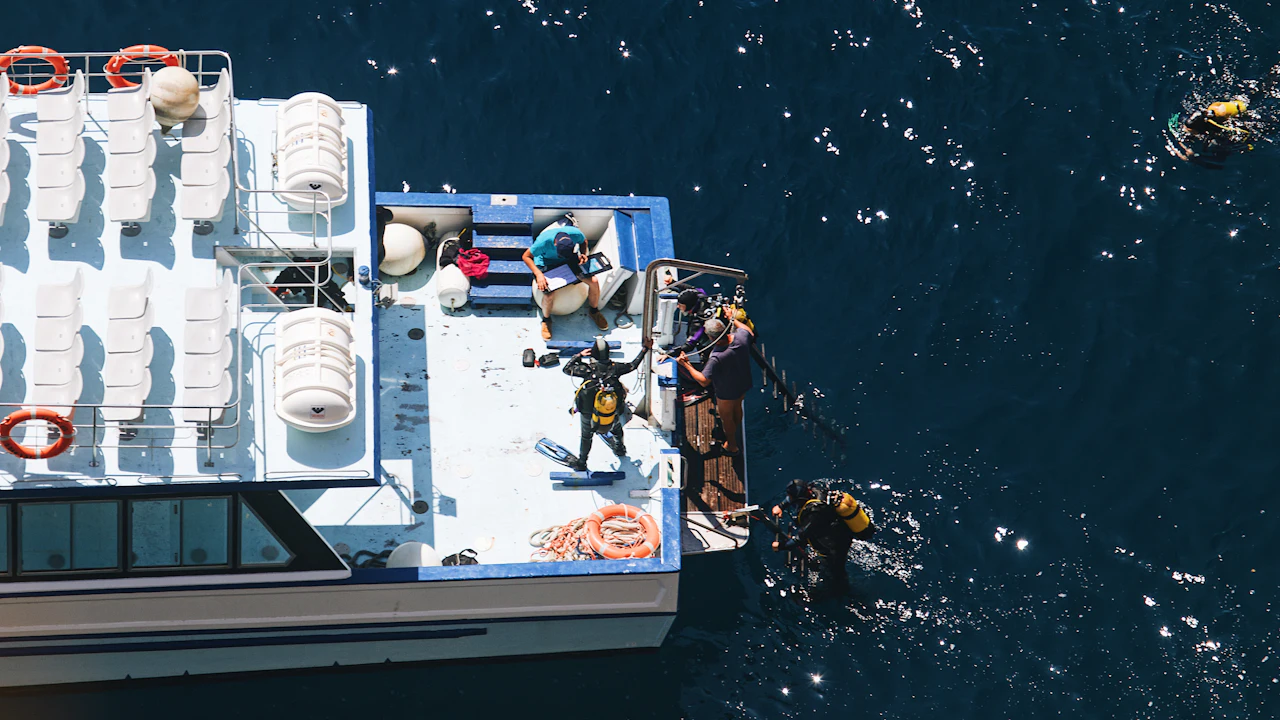
White Sands Dive Shop is a 5 Star PADI Dive Facility on the beach in San Pedro, owned and operated by PADI IDC Staff Instructor Elbert Greer. Our guide to diving on Ambergris Caye covers the reef and the trips, and the course list and current prices on our Water Sports page show every PADI program we teach.
Calm, patient teaching matters when something feels wrong underwater. Susan wrote to Elbert after her certification: “You truly put me at ease and made the whole experience fun.” More notes like hers are in the letters from Elbert’s dive students.
Reverse block scuba diving: your questions answered
What is a reverse block in diving?
It is a pressure problem on ascent. If the Eustachian tube is blocked, the expanding air in the middle ear has nowhere to go, which TDI/SDI warns can be painful.
What causes a reverse block?
A blocked Eustachian tube, and the sources point to colds and congestion. TDI/SDI also warns that decongestants will most likely wear off before the end of a dive.
What should I do if my ear hurts on ascent?
Signal your buddy. In the DAN case on PADI’s blog, the diver descended until the pain eased, then ascended very slowly in small steps, and DAN called that the correct procedure.
Should I see a doctor after a reverse block?
PADI’s blog says to always seek medical advice if your ears hurt after diving, and TDI/SDI says persistent pain is worth a doctor’s check. A doctor may refer you to an ENT.
Can I dive with a cold if I take a decongestant?
TDI/SDI advises skipping the dive if you have a cold of any kind and warns against relying on decongestants. Ask your doctor about any medicine before diving.
Questions before your dive trip?
Want to talk through your diving plans, a refresher or a course before you travel? Email Elbert at elbertgreer@fastmail.fm or call 011 (501) 226 2405.