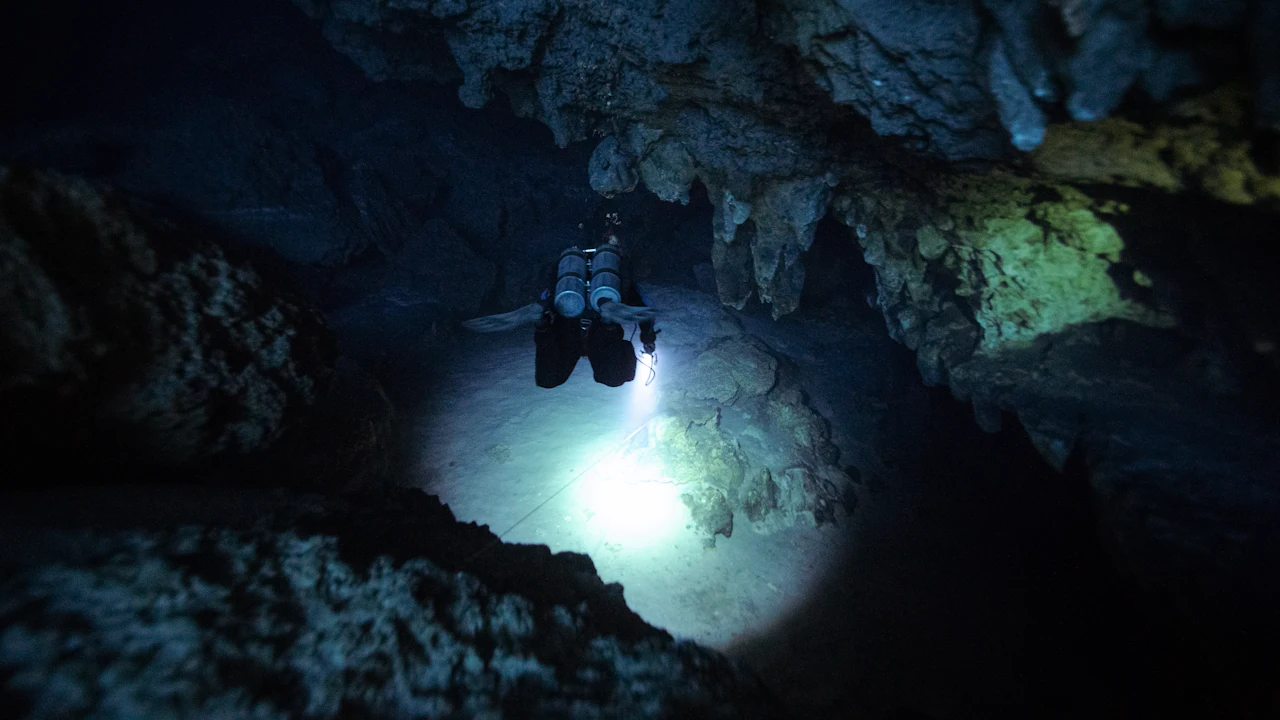
Knowing how to choose a dive light saves you money and makes your dives better, by night and by day. A light shows the true colors of the reef, lets you peek into cracks and ledges, and is the one piece of gear you cannot do without after dark.
This guide is for divers buying a first light, or deciding whether to pack one for a trip or rent one when they arrive. We cover primary and backup lights, beam, brightness and burn time in plain terms, handheld and mounted styles, and how to use a light without blinding your buddy or the animals you came to see.
How do you choose a dive light for night dives and day dives?
Quick answer: Pick a primary light that is pressure-proof for your depth, comfortable in your hand and bright enough for the water you dive, with a burn time longer than your dive. Add a small backup light for every night dive. Choose a wider beam for looking around and a narrower one for reaching into holes.
Primary vs backup dive light
Your primary light is the one you use all dive long. Your backup is a smaller light that lives in a BCD pocket or clipped to a D-ring, ready if the primary fails. PADI’s night diving tips call carrying at least two lights standard practice, so you are never left in the dark.
| Feature | Primary light | Backup light |
|---|---|---|
| Job | Your main light for the whole dive | A spare if the primary fails |
| Size | Larger, fills the hand | Small enough for a pocket or a clip |
| Beam | Usually wider, to light up the reef | Usually narrower and simpler |
| Brightness | Higher, for seeing and for color | Lower, enough to finish the dive safely |
| When to carry | Every night dive, and day dives if you like | Every night dive, without exception |
| If you switch to it | Not applicable | Signal your buddy and end the dive together |
Many divers also clip a small marker light or glow stick to their BCD or tank. PADI’s blog notes it makes you easier for your buddy and the boat crew to spot if your main light fails.
Beam, brightness and burn time
These three numbers on the box decide how a light feels in the water. None of them is a case of more is always better, because each one trades against size, weight and battery life.
Beam angle
A wide beam spreads light over a big patch of reef, which is pleasant for relaxed night dives and video. A narrow, focused beam reaches further and is good for looking into holes and under ledges. Many recreational divers find a medium beam on the primary covers both.
In murky water, PADI’s blog points out that a beam aimed straight ahead lights up the particles in front of you and can make visibility worse. Angling the light from the side helps.
Brightness
Brightness is usually given in lumens. A very bright light is not always kinder: it can wash out close subjects, bounce back off particles and startle animals. Think about the water you dive most, and choose a light with a lower setting if you can.
Burn time and batteries
Burn time is how long the light runs on a full charge, and it drops on the brightest setting. Pick a light that comfortably outlasts your longest dive. PADI’s beginners’ guide to buying a dive light recommends rechargeable batteries unless you dive rarely, since lights can burn through batteries quickly, and notes that LED bulbs are more efficient than older halogen types.
Handheld vs mounted lights, and the best dive torch for night diving
For a first light, the same PADI guide suggests the flashlight style, which comes in compact sizes for day dives and larger lantern styles for night dives. Canister lights, with a battery pack worn at the waist, are much brighter and suit wreck and cave diving more than a recreational night on the reef.
- Handheld: simple, easy to point, easy to signal with. It ties up one hand.
- Hand-mounted: a strap or soft handle on the back of the hand frees your fingers for your inflator and gauges.
- Camera-mounted: a video light on a camera tray. It lights your subject, not your path, so carry a separate light to dive with.
Whatever style you pick, check the rating. PADI’s guide warns against lights labeled only “waterproof”, which may not handle the pressure at depth, and suggests looking for water-tight and pressure-proof lights. Add a lanyard and clip so the light stays with you. If you also film, our GoPro diving tips for steady, colorful footage explain when a video light helps.
Light etiquette: buddies and marine life
PADI’s night diving tips are blunt: shining lights directly at other divers is a no-no. It is easy to do by accident when you turn to show your buddy something. Keep your beam low and point it at the subject, never at a face.
The same guide describes light signals worth agreeing on before you descend:
- A large slow circle with the beam means “I am OK”.
- Quick side-to-side movements mean “I have a problem”.
- Shine the light on your own hand to show any normal hand signal.
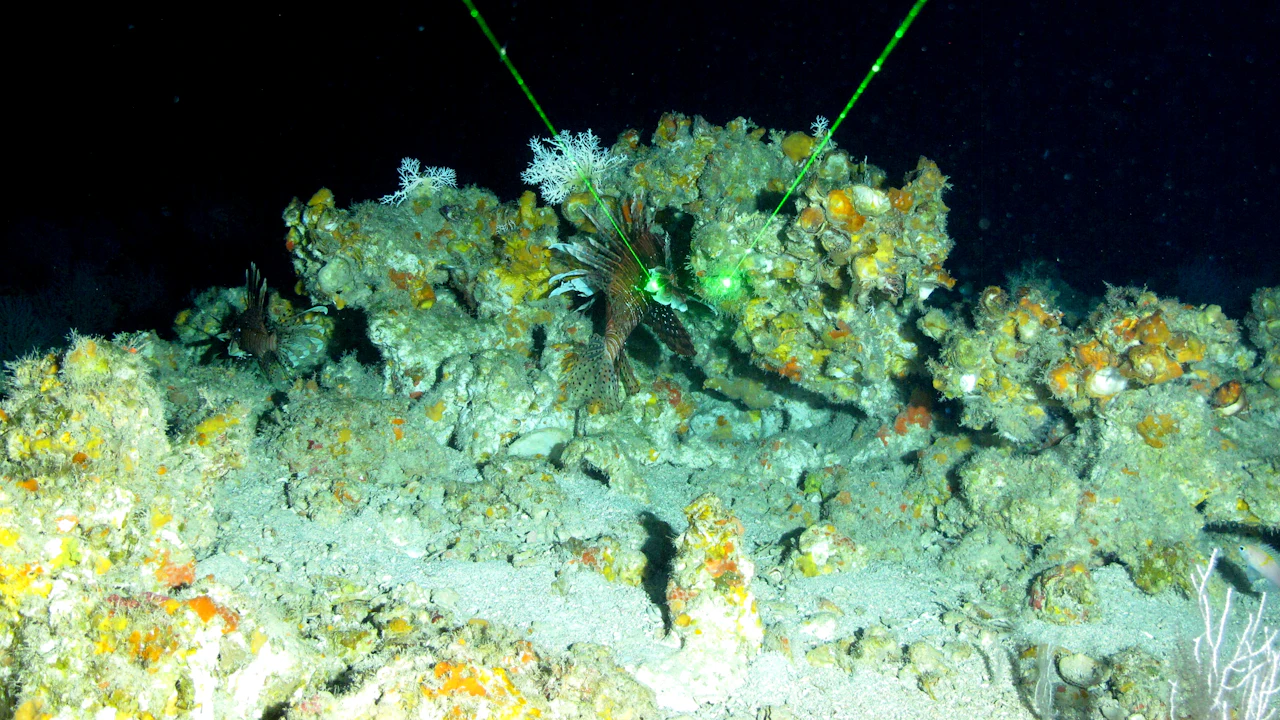
Be gentle with animals too. Move slowly, keep a strong beam off sleeping fish and shy creatures for long periods, and let them carry on with their night. Our guide to bioluminescence on a night dive explains what you may see when everyone switches their lights off.
Buy or rent a dive light for your trip
On our homepage, the one-tank night dive is listed with the note “light not included”, and a dive light appears on our equipment rental list. If you would rather dive with a light you know, bring your own and pack a small backup. Our night dive on Ambergris Caye page and our guide to scuba gear rental on Ambergris Caye cover the rest, and you will find current course prices on our Water Sports page.
Night diving with White Sands Dive Shop
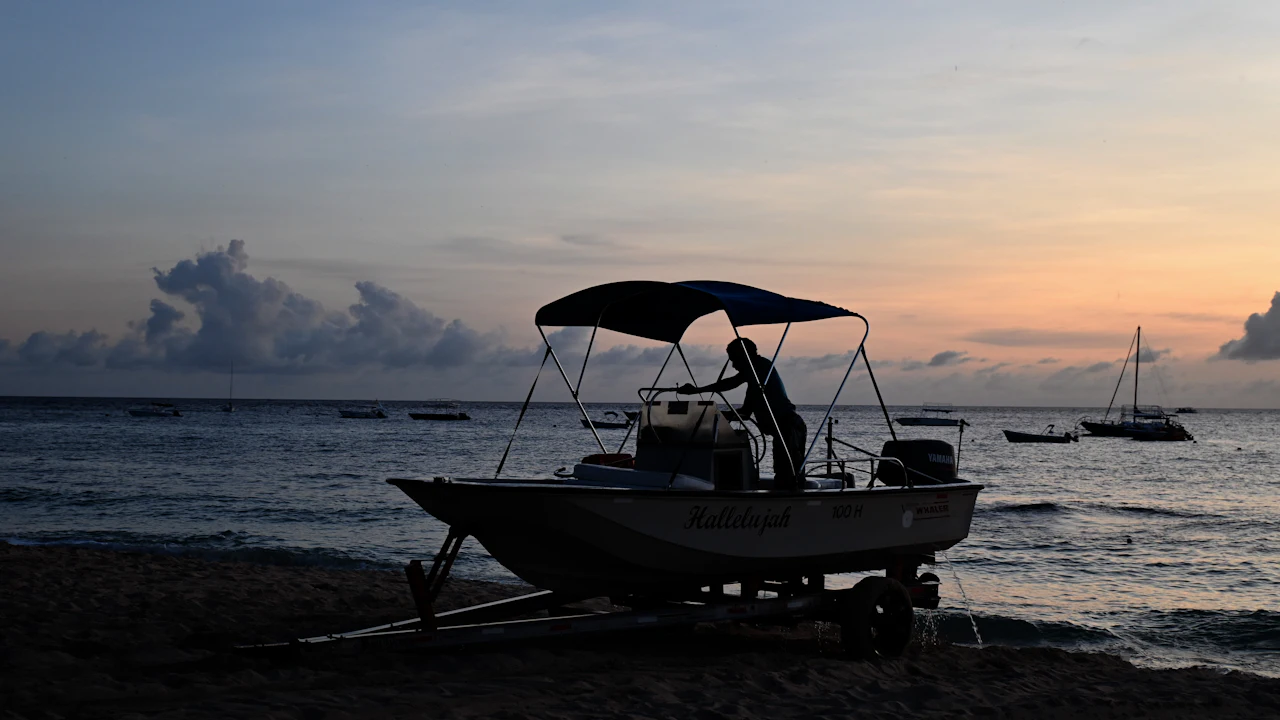
White Sands Dive Shop is a 5 Star PADI Dive Facility on the beach in San Pedro, owned and operated by PADI IDC Staff Instructor Elbert Greer. Night diver is among the specialties on our courses page, and our overview of learning to dive on Ambergris Caye explains each course.
Nervous about diving in the dark? Minette Layne wrote that “I was so panicked and you really calmed me down”, and you can read more in the letters from Elbert’s dive students.
How to choose a dive light: your questions answered
Do I need a backup light for a night dive?
Yes. PADI’s night diving tips call carrying at least two lights standard practice, so a failed primary never leaves you in the dark. If you switch to your backup, signal your buddy and end the dive together.
Is a brighter dive light always better?
No. A very bright light can wash out close subjects, light up particles in the water and startle animals. Pick a light suited to the water you dive, ideally with a lower setting.
Wide or narrow beam for night diving?
A wide beam lights up more of the reef and suits relaxed night dives and video. A narrow beam reaches further into holes and under ledges, and many divers find a medium beam does both.
Should I buy a rechargeable dive light?
PADI’s beginners’ guide recommends rechargeable batteries unless you dive rarely, since dive lights can use up batteries quickly. Pack your charger and the right plug adapter for your trip.
Is a light included on the night dive?
Our homepage lists the night dive as light not included, and a dive light is on our equipment rental list. Bring your own or contact us before your trip.
Questions about night diving? Ask Elbert
If you are planning a night dive and want to talk lights, gear or courses, get in touch before your trip. Email Elbert at elbertgreer@fastmail.fm or call 011 (501) 226 2405.