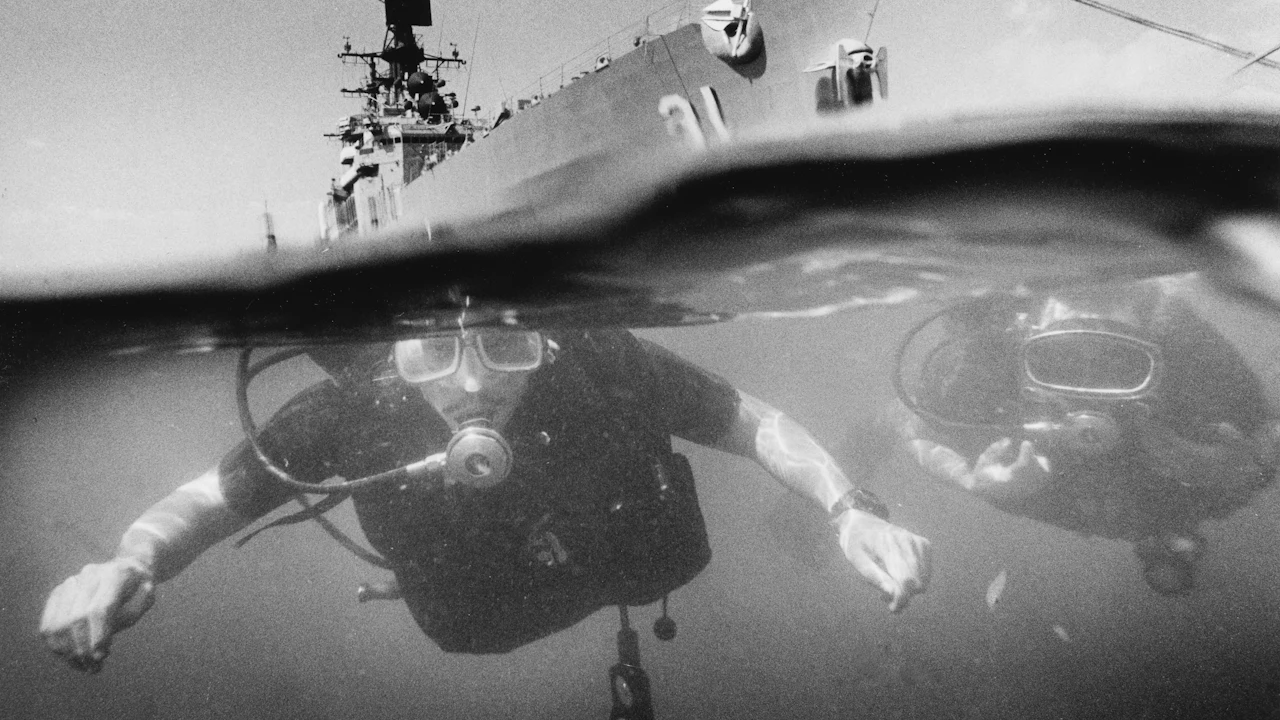
You surface from a dive, lift your mask and your buddy stares at you: the whites of your eyes are red, or there is a ring of tiny spots around where the mask sat. That is usually mask squeeze, and in diving it is one of the most common small injuries, especially for new divers.
This guide is for students, newly certified divers and anyone who has just seen a startling face in the mirror after a dive. We explain what mask squeeze is, why it only happens on the way down, what the signs look like, the simple habit that prevents it and when the Divers Alert Network (DAN) says to see a doctor. It is general information, not medical advice for your own case.
What is mask squeeze in diving, and how do you prevent it?
Quick answer: Mask squeeze is facial barotrauma: on descent, the air in your mask shrinks and pulls on the soft tissue of your face and eyes. It can leave red eyes, swelling and small spots. Prevent it by gently exhaling through your nose into the mask as you descend. Eye pain or vision changes need a doctor right away.
What mask squeeze is
Your mask traps a small pocket of air in front of your eyes and nose. DAN’s page on mask squeeze and facial barotrauma describes the injury as a failure to equalize that air space by adding air to it, which you do by exhaling through your nose. Barotrauma simply means an injury caused by a pressure difference.
DAN calls mask squeeze relatively benign and says it is most common in new divers. It belongs to the same family as the ear and sinus squeezes covered in our guide to ear barotrauma symptoms after diving. All of them come from an air space that does not keep up with the change in water pressure.
Why mask squeeze diving injuries happen on descent
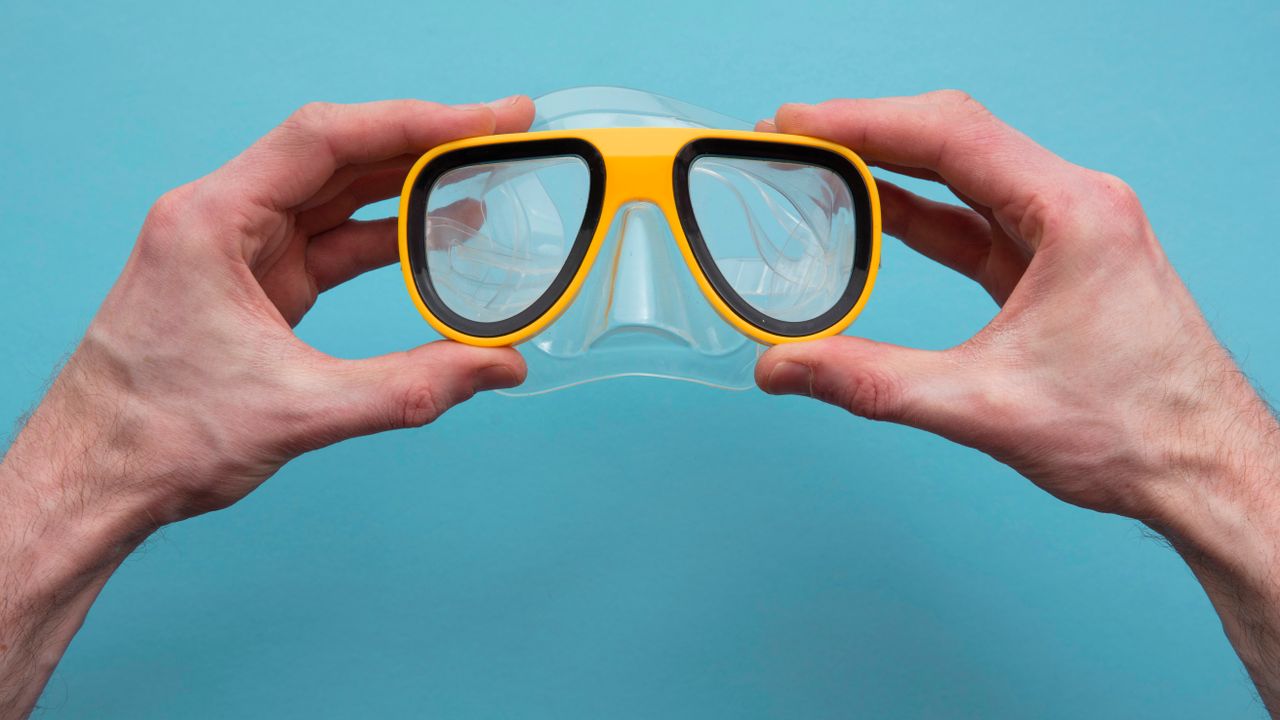
Water pressure rises as you go deeper, and the air inside your mask is squeezed into a smaller space. If you add no air, the pressure inside the mask falls behind the pressure around it. The mask then acts like a suction cup on your face, and the small blood vessels around your eyes and eyelids take the strain.
That is why DAN ties mask squeeze to descent. The opposite problem, air that cannot escape from the ears or sinuses on ascent, is a different injury that we explain in our sibling guide to reverse block in scuba diving.
PADI’s history of scuba diving describes early Fernez goggles that clamped tighter and tighter to the diver’s face on the way down, often leading to mask squeeze. A modern dive mask covers your nose, which is what lets you breathe a little air into it as you go down.
What makes it more likely
- Forgetting the mask: new divers focus on their ears and do not think to breathe a little air into the mask.
- A blocked nose: DAN notes that congestion or nose clips interfere with equalizing the mask.
- A poor fit or facial hair: DAN recommends a mask that seals well and notes that facial hair can cause leaks.
Signs of mask squeeze: red eyes, spots and bruising
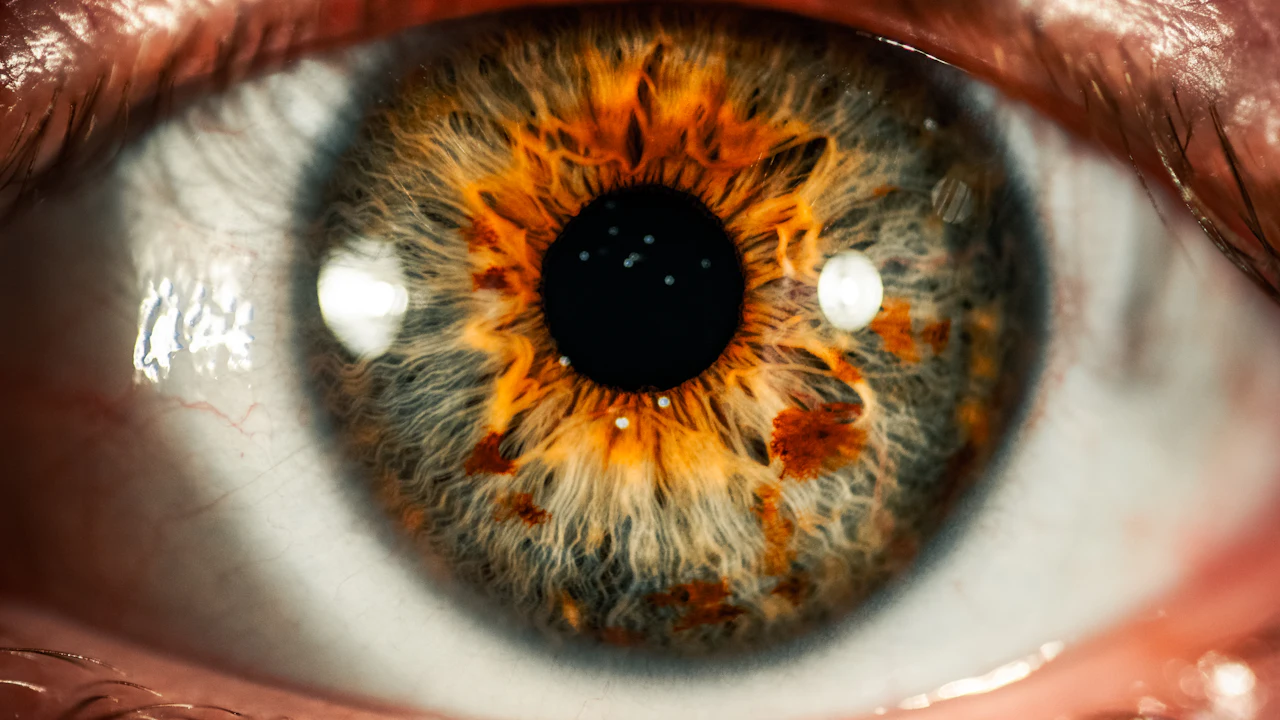
During the dive, DAN says you typically feel suction over the area inside the mask, which can range from mild discomfort to pain. After the dive the signs become visible. They can look alarming, but DAN describes the usual case as essentially a bruise.
The table below sets out the signs DAN lists and what it says about each.
| Sign | What it looks or feels like | What DAN says |
|---|---|---|
| Suction during descent | A pulling feeling inside the mask, from mild to painful | Add air to the mask by exhaling through your nose |
| Swelling and petechiae | Puffy skin and small red spots, especially on the eyelids | Behaves like a bruise; no treatment except time |
| Blood in the white of the eye | A red patch over the white part of the eye | Called subconjunctival hemorrhage; the body reabsorbs the blood |
| Eye pain or vision changes | Pain, blurred vision or losing part of what you can see | Rare, but a sign of a more severe injury: see a physician or eye specialist immediately |
| Blood in the colored part of the eye | Blood layering over the iris | Called hyphema: see a physician or eye specialist immediately |
DAN says the marks can take up to two weeks or more to fade, depending on how severe the squeeze was. The color of the eye changes as the blood breaks down, and some fluid may settle lower on the face before it clears.

How to prevent mask squeeze
The fix is simple. DAN’s prevention advice comes down to a few points:
- Each time you equalize your ears on the way down, exhale a small amount of air through your nose into the mask.
- Use a mask that fits your face and seals well, even without the strap pulling it on.
- Keep your nose clear of anything that blocks it, such as nose clips; congestion also gets in the way.
- To clear water from the mask, exhale through your nose and let the water out by gently lifting the lower seal.
The first step fits neatly into the ear-clearing routine you already use, which our guide on how to equalize your ears when scuba diving walks through. For the fit, our guide on how to choose a dive mask that seals covers what to look for when you try one on.
When to see a doctor, and when to dive again
DAN is clear on the red flags. Eye pain, blurred vision, loss of part of your field of vision or blood in the colored part of the eye mean you should see a physician or an eye specialist immediately. Without those, DAN says there is no treatment for facial barotrauma except time.
On returning to the water, DAN’s advice is not to dive until a physician recommends it. Its guidance for doctors suggests waiting until the swelling has gone and the diver can show correct equalizing of the ears, sinuses and mask. DAN adds that dizziness, unusual eye movements or hearing loss may point to an inner ear injury, which needs a specialist’s clearance first.
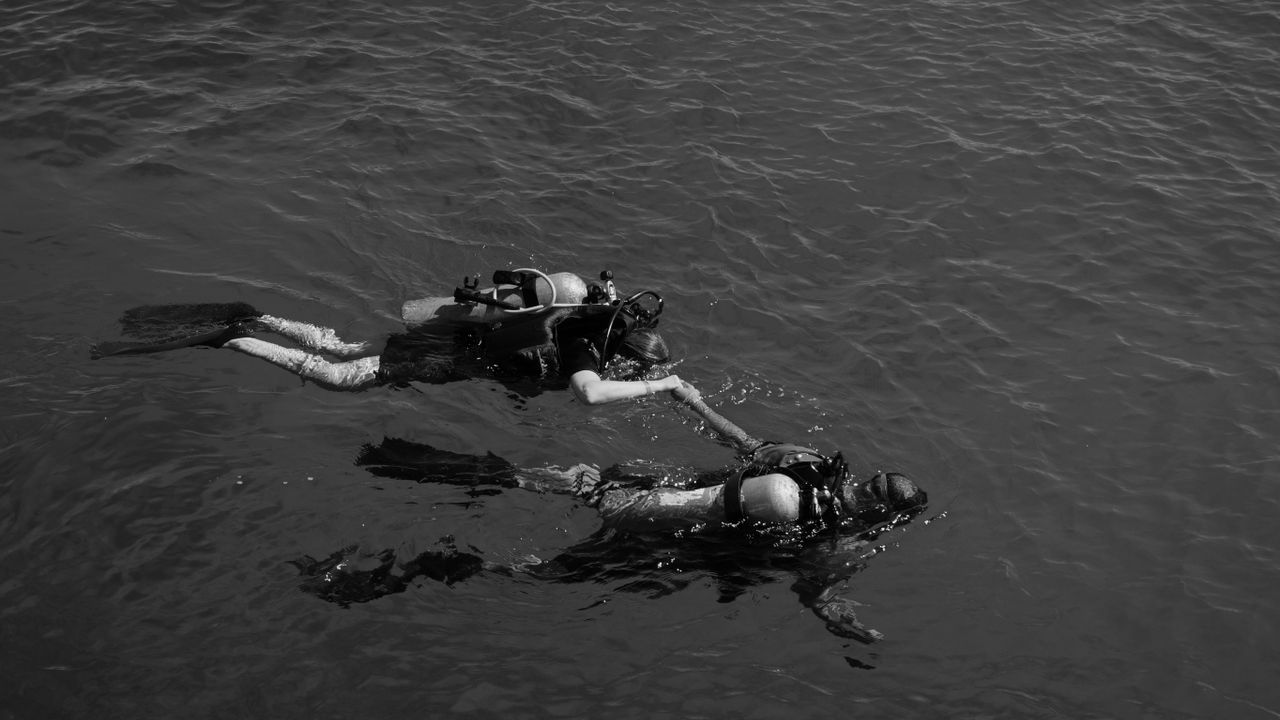
Learn good habits with a PADI instructor
White Sands Dive Shop is a 5 Star PADI Dive Facility on the beach in San Pedro, owned and operated by PADI IDC Staff Instructor Elbert Greer. Our guide to diving on Ambergris Caye covers the reef and the trips, and the full course list and current prices on our Water Sports page show every PADI program we teach.
Good habits come from good teaching. Vivake K. Bhalla described Elbert as “very friendly and fun, but equally very strict about safety”, and you can read more from past students in the letters from Elbert’s dive students.
Mask squeeze diving: your questions answered
Why are my eyes red after scuba diving?
A common cause is mask squeeze: the air in the mask was not equalized on descent, and the suction burst small blood vessels in the white of the eye. DAN says this usually clears with time, but eye pain or vision changes need a doctor immediately.
How long does mask squeeze last?
DAN says the marks can take up to two weeks or more to resolve, depending on how severe the squeeze was. The color changes as the body reabsorbs the blood.
Is mask squeeze dangerous?
DAN describes it as relatively benign in most cases. Visual disturbances are rare but signal a more severe injury, so see a physician or eye specialist immediately if you have them.
Can I dive with mask squeeze?
DAN advises not diving until a physician recommends it. That decision belongs to your doctor, not to a dive guide or a website.
How do I stop mask squeeze happening?
Exhale a little air through your nose into the mask each time you equalize your ears on descent, and use a mask that fits and seals well.
Questions before your dive trip?
Want to talk through your first dives, a course or a mask that keeps giving you trouble? Email Elbert at elbertgreer@fastmail.fm or call 011 (501) 226 2405.