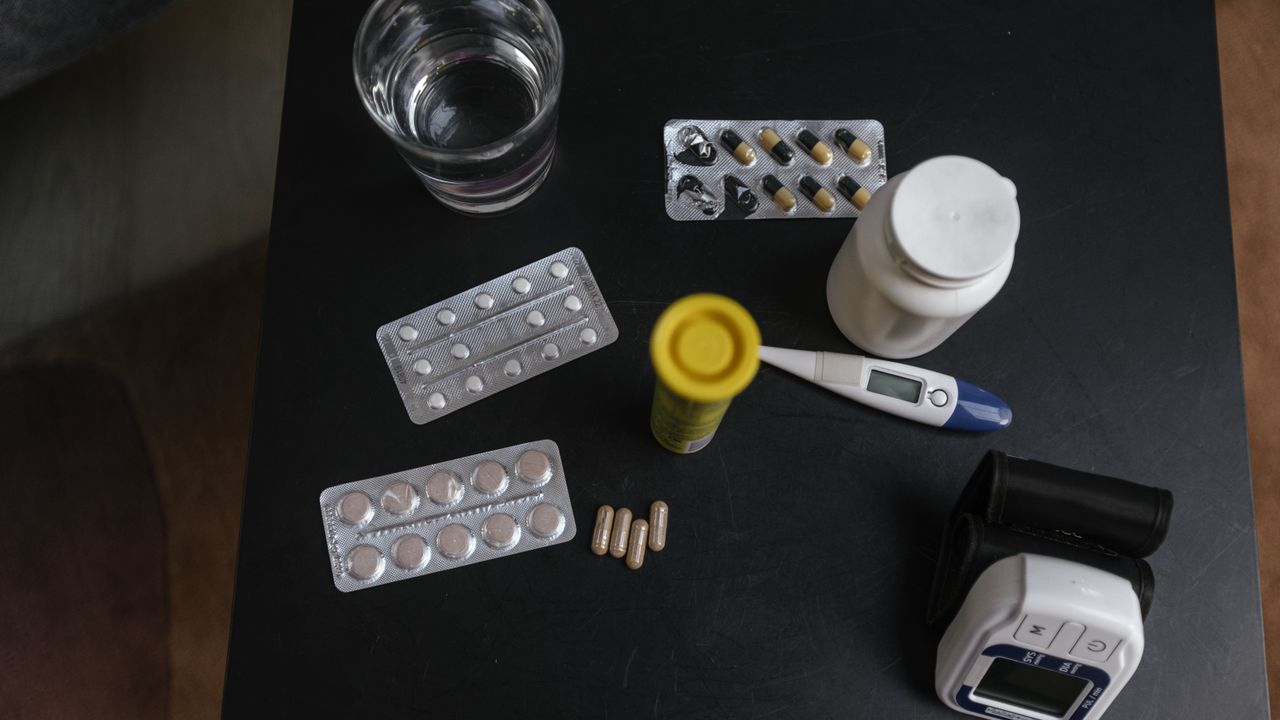
Scuba diving and medications is a topic almost every new diver meets on the medical questionnaire. Maybe you take an allergy pill each spring, a daily prescription, or you plan to pack something for seasickness. Can you still dive?
This guide is for travelers planning a course or a dive trip who take any medicine, prescription or over the counter. We explain the general principles that Divers Alert Network (DAN), the dive safety and medical organization, uses when divers ask this question. We are a dive shop, not doctors, so this is never advice about your own drugs or doses: your physician makes that call.
Can you go scuba diving on medications?
Quick answer: Often yes, but only your doctor can say. DAN explains that the condition being treated usually matters more than the drug. Side effects such as drowsiness can be a problem underwater, and DAN suggests getting experience with a new drug on land first. Declare every medication honestly on your dive medical questionnaire.
The condition matters as much as the drug
DAN’s article I’m Taking This Medication: Can I Dive? says this is one of the questions its medics hear most, and the answer is rarely simple. A key point is that the injury or illness being treated is much more likely to rule someone out of diving than the medication itself.
So the first question is not only “Is this pill safe?” but also “Is the reason I take it compatible with diving?” A physician weighs both. That is why two people on the same drug can get different answers.
Why there is no approved list
Many divers expect a database that rates each drug for diving. DAN explains that such data largely do not exist, because testing drugs under pressure on people raises ethical and practical problems. Advice is built from the condition, the physical demands of diving and what is known about the drug on land.

Side effects that matter underwater
DAN advises against diving if a medication’s side effects could distract you underwater. Drowsiness, slower reactions or fuzzy judgment that seem minor on land can matter when you are managing buoyancy, air and a buddy at depth. DAN specifically mentions the possible sedative effect of antihistamines.
Depth adds another layer. DAN notes that some drugs may interact with nitrogen narcosis, the dulling effect of breathing nitrogen under pressure. It flags this mainly for dives deeper than about 80 feet while taking a drug whose label warns against alcohol or operating machinery.
Try a new drug on land first
DAN recommends getting experience with a medication on land before diving with it, and for most prescription drugs it suggests about 30 days. That time shows how the drug affects you and lets your doctor confirm it is working. Starting something new the week of your trip leaves no room to find out.

Common types of medication and what to ask
The table below is not a list of safe or unsafe drugs. It shows the general concern DAN raises for each type and a sensible question to take to your doctor. It gives no doses and no brand advice.
| Type of medication | General concern DAN raises | Question for your doctor |
|---|---|---|
| Antihistamines (allergy) | Possible sedative effect | Could this make me drowsy or slow underwater? |
| Decongestants (pills and sprays) | Not suitable for everyone; repeated short-acting sprays can cause rebound congestion; the effect may wear off during a dive | Should I be diving at all while congested? |
| Seasickness medication | Drowsiness is a common side effect | Which option suits me, and how do I test it before the trip? |
| Any new prescription | Unknown side effects until you have taken it for a while | How long should I take this before I dive? |
| Long-term prescriptions | The condition being treated may matter more than the drug | Is my condition well controlled enough for diving? |

Decongestants and rebound
Decongestants deserve a closer look because divers reach for them to help with equalizing. DAN’s page on sinus barotrauma says they are not suitable for everyone and can have heart and nervous system side effects. It warns that repeated use of short-acting sprays can cause a rebound reaction that may set the stage for a reverse block, a painful squeeze on the way up.
DAN’s medication article also says to consider the drug wearing off at depth, and to check whether you are congested at all. If a cold is the reason you want a decongestant, read our guide to scuba diving with a cold first.
Seasickness medication
Many seasickness remedies can cause drowsiness, so test any option on land, well before your dive days, and talk with your doctor about which one suits you. Our seasickness tips for divers also cover simple steps such as where to sit and looking at the horizon. What you eat matters too, and our guide to scuba diving after eating explains DAN’s light-meal advice for boat days.
Always ask a doctor, and declare it on the form
DAN’s advice is to seek a physician’s approval before diving with any medical condition or medication. It also suggests making sure at least one doctor knows every medication you take, to reduce the risk of interactions. A doctor familiar with diving medicine is ideal, and physicians with questions can contact DAN.
Before any PADI course you complete a medical questionnaire, and some answers mean you need a physician’s sign-off before you can join in the water. Answer every question honestly, including medications. Our guide to the scuba diving medical questionnaire explains how the form works, so you can sort out any doctor visit at home before you travel.
- Make a list of everything you take, including over-the-counter pills and supplements.
- Tell your doctor you plan to scuba dive, and how deep and how often.
- Start any new medication early enough to learn how it affects you on land.
- Bring the signed physician’s form with you if the questionnaire calls for one.

Learning with Elbert
White Sands Dive Shop is a 5 Star PADI Dive Facility on the beach in San Pedro, owned and operated by PADI IDC Staff Instructor Elbert Greer. Our guide to learning to dive on Ambergris Caye compares the first steps, and you will find current course prices on our Water Sports page.
Vivake K. Bhalla wrote that Elbert was “very friendly and fun, but equally very strict about safety” and that is the spirit we bring to medical questions too. Read more in the letters from Elbert’s dive students.
Scuba diving and medications: your questions answered
Can I scuba dive while taking medication?
Often yes, but only your doctor can decide. DAN says the condition being treated is usually more important than the drug, and recommends a physician’s approval for any medication.
Is it safe to dive on antihistamines?
DAN points to the possible sedative effect of antihistamines, and advises against diving if side effects could distract you. Ask your doctor and try the drug on land first.
Can I use a decongestant to help me equalize?
DAN says decongestants are not suitable for everyone, can wear off during a dive, and repeated short-acting sprays can cause rebound congestion. Ask your doctor, and do not dive congested.
How long should I take a new medication before diving?
DAN suggests getting experience with a new drug on land first, about 30 days for most prescription drugs. Your doctor can tell you what applies to you.
Do I have to list medications on the dive medical form?
Yes, answer every question honestly. Some answers mean you need a physician’s approval before diving, and it is far easier to arrange that at home.
Questions before your course?
If you are planning a course and have a medical form to sort out, get in touch early. Email Elbert at elbertgreer@fastmail.fm or call 011 (501) 226 2405.