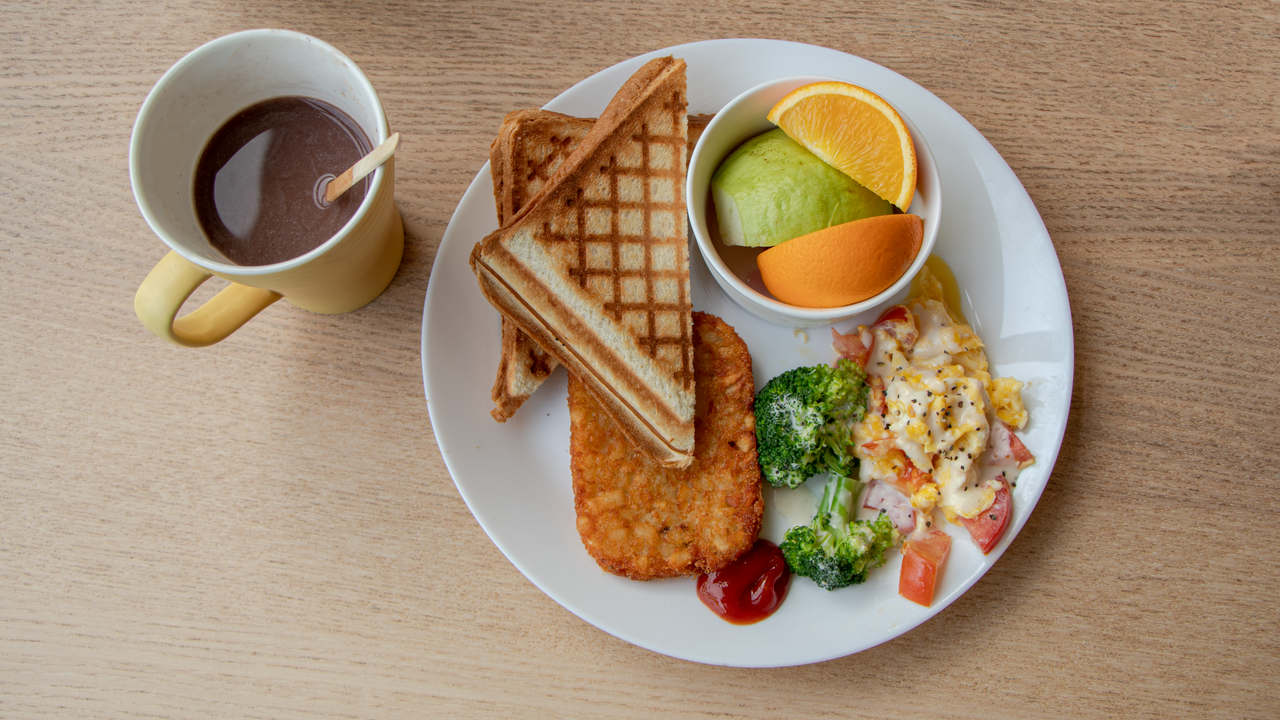
Scuba diving after eating is one of the first worries people raise before a morning boat trip. Should you skip breakfast, wait a set time, or eat a big meal to keep your energy up for two tanks? The good news is that the answer is simpler than most dive day folklore suggests.
This guide is for new and returning divers who want to feel good on the boat and underwater. We share what Divers Alert Network (DAN), the dive safety and medical organization, says about food, drink and seasickness, and we stick to that. If you have a medical condition or take medication, your doctor’s advice comes first.
Is scuba diving after eating safe?
Quick answer: Yes, for most healthy divers a sensible meal is fine. DAN says there is no need to eat more for diving and advises against overeating. Many divers avoid heavy, fatty meals to spare their stomach. For boat days, DAN suggests a light meal 45 to 60 minutes before boarding, plus plenty of water.
What DAN says about eating before a dive
DAN’s article on optimal nutrition for diving makes a few clear points. There is no need to eat more in preparation for diving, and a regular diet of nutritious food is enough. It is best to avoid overeating, especially on a dive day.
The same article notes that many people avoid heavy, fatty meals before diving to prevent stomach discomfort. On the day of the dive, DAN suggests including foods rich in complex carbohydrates, which it calls the preferred energy source for athletes and divers. In short, eat normally, eat moderately, and save the big plate for later.
Why an empty stomach is not the answer
Skipping food entirely can backfire on a boat. DAN’s guide to seasickness prevention and treatment says an empty stomach is more susceptible to irritation. Its advice is a light meal 45 to 60 minutes before boarding, then easily digested snacks such as dry crackers or bread through the day.
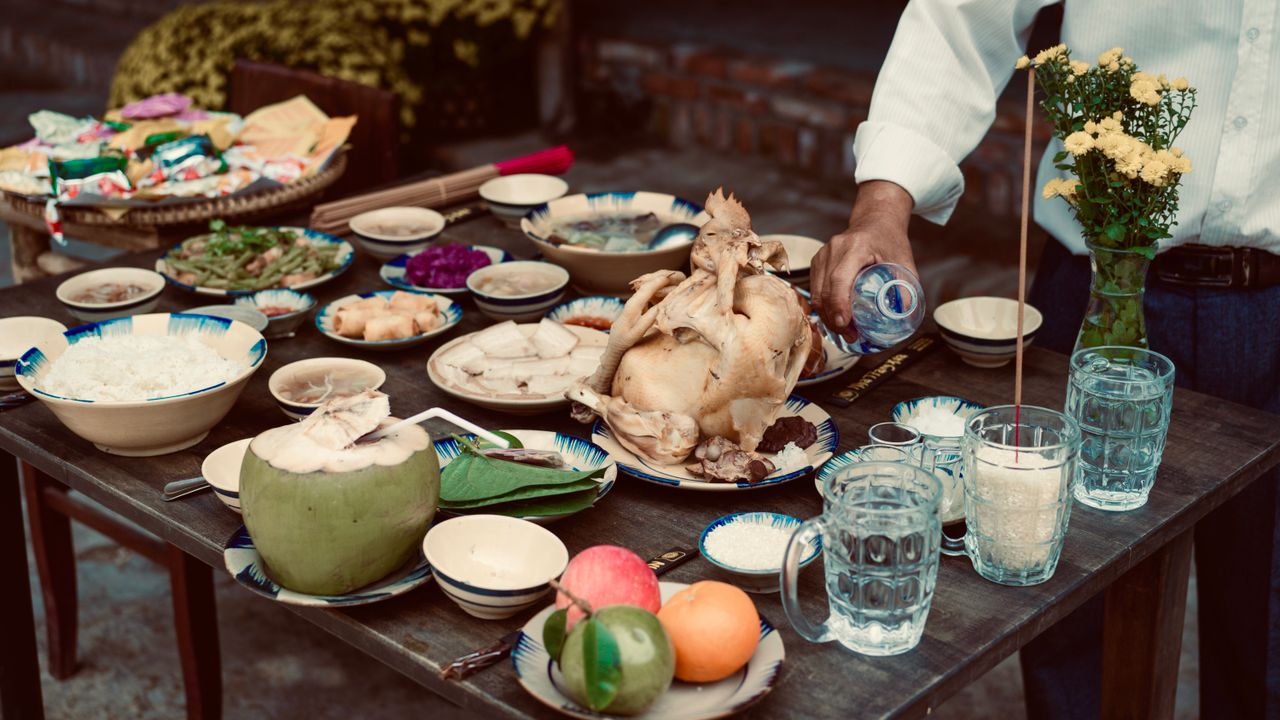
What to eat before diving
A good pre-dive meal is one you know your stomach handles well. Think plain, familiar and moderate rather than rich, greasy or new. A dive trip is not the morning to try an unfamiliar spicy dish for the first time.
DAN lists rice, pasta, potatoes and fruits as good choices when divers feel hungry after a dive, and the same easy foods work well beforehand. Here is a simple way to think about the options.
| Type of meal | Examples | How it tends to sit on a dive day |
|---|---|---|
| Light, carbohydrate based | Toast, cereal, rice, pasta, potatoes, fruit | Steady energy without a heavy feeling; fits DAN’s advice on complex carbohydrates |
| Small snack | Dry crackers, plain bread | Easy to digest; DAN suggests these through the day if you are prone to seasickness |
| Heavy or fatty | Large fried breakfast, rich creamy dishes | Many divers avoid these before diving to prevent stomach discomfort |
| Alcohol | Beer, rum, cocktails the night before or the morning of | DAN advises against it: it affects thinking and can add to dehydration |
Between dives
On a two-tank morning you may feel hungry after the first dive. DAN points out that some post-dive hunger is really thirst, so drink water first and avoid overeating to satisfy that feeling. A small snack keeps you comfortable for the second dive without loading your stomach.
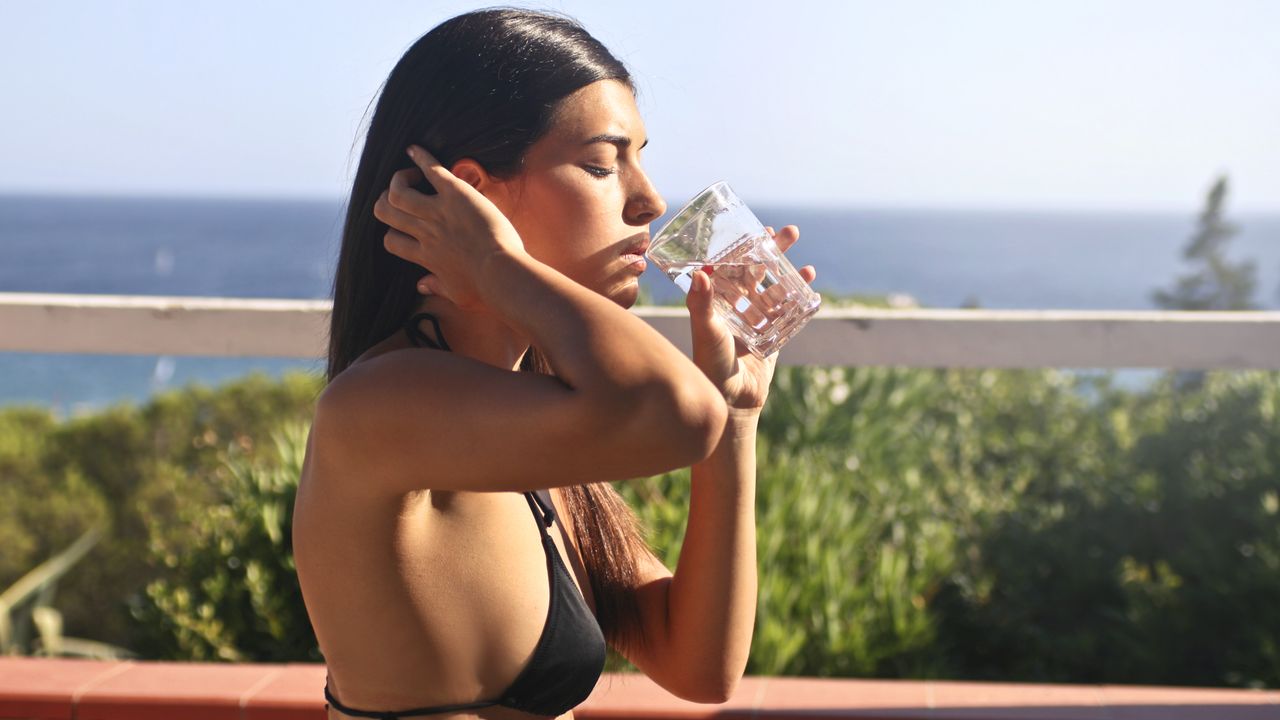
Hydration matters as much as food
DAN calls proper hydration before and after diving important. It may help prevent muscle cramps and fatigue, and it may reduce the risk of decompression sickness. DAN suggests drinking fluids gradually through the day, and more when you exercise or the weather is hot and humid.
Alcohol works against you on both counts. DAN advises refraining from alcohol because it affects thinking and can contribute to dehydration, and it notes that skipping evening drinks helps if you dive the next day. Our guide to dehydration and scuba diving explains the signs and how much water travelers in hot places may need.
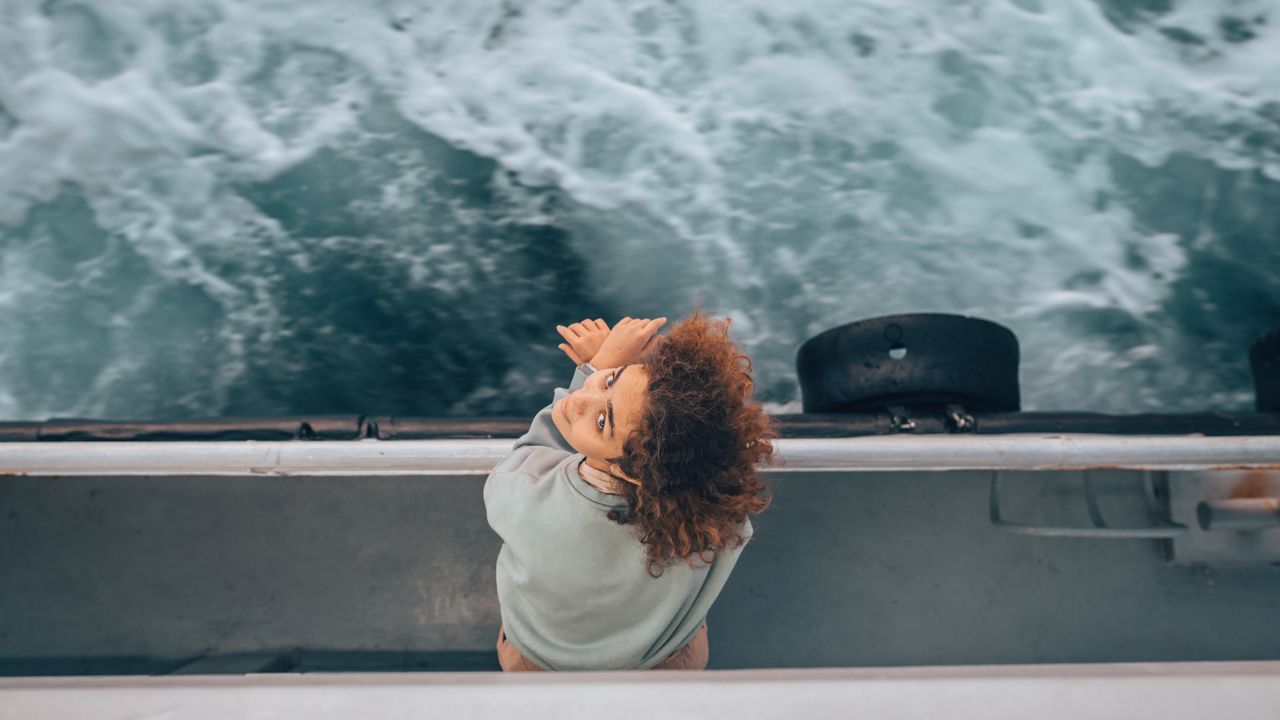
Seasickness and a full stomach
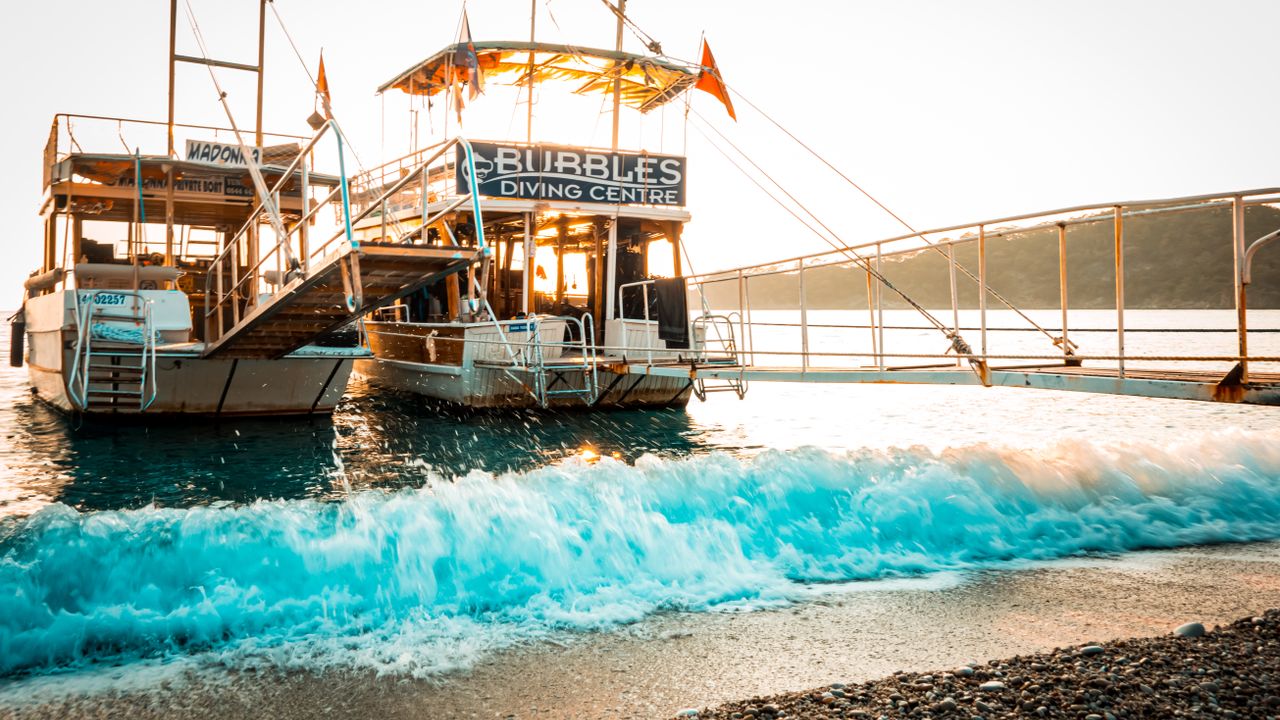
For many divers, the real trouble with food is not the dive but the boat ride. DAN’s seasickness advice is to avoid alcohol and heavy meals, eat that light meal before boarding, and drink plenty of water. It also warns that dehydration from vomiting is a serious concern for divers prone to motion sickness.
If you do feel sick underwater, DAN says to keep your primary regulator in your mouth and vomit through it. Most regulators handle this without issue, and it helps to keep your spare second stage close. Our seasickness tips for divers cover where to sit on the boat, looking at the horizon and other ways to stay comfortable.
A word on seasickness pills
DAN notes that drowsiness is a side effect of many seasickness medications, so you should know how one affects you before using it in a diving setting. It advises against diving on any medication you are using for the first time. Read our guide to scuba diving and medications for the general principles, and ask your doctor about your own situation.
A simple dive day eating plan
Putting DAN’s points together gives an easy routine that suits most healthy divers. Adjust it to your own body and any advice from your doctor.
- Skip alcohol the evening before, as DAN suggests for anyone diving the next day.
- Eat a light, familiar breakfast with complex carbohydrates 45 to 60 minutes before the boat.
- Drink water steadily through the morning and carry a refillable bottle.
- Between dives, drink first, then have a small snack such as crackers or fruit.
- Save the big meal for after your last dive of the day.
If you have diabetes or another condition where meal timing matters, talk with your doctor before the trip, since general advice may not fit you. Our guide to diving on Ambergris Caye describes the local dives so you can plan the day around them.
Diving with Elbert
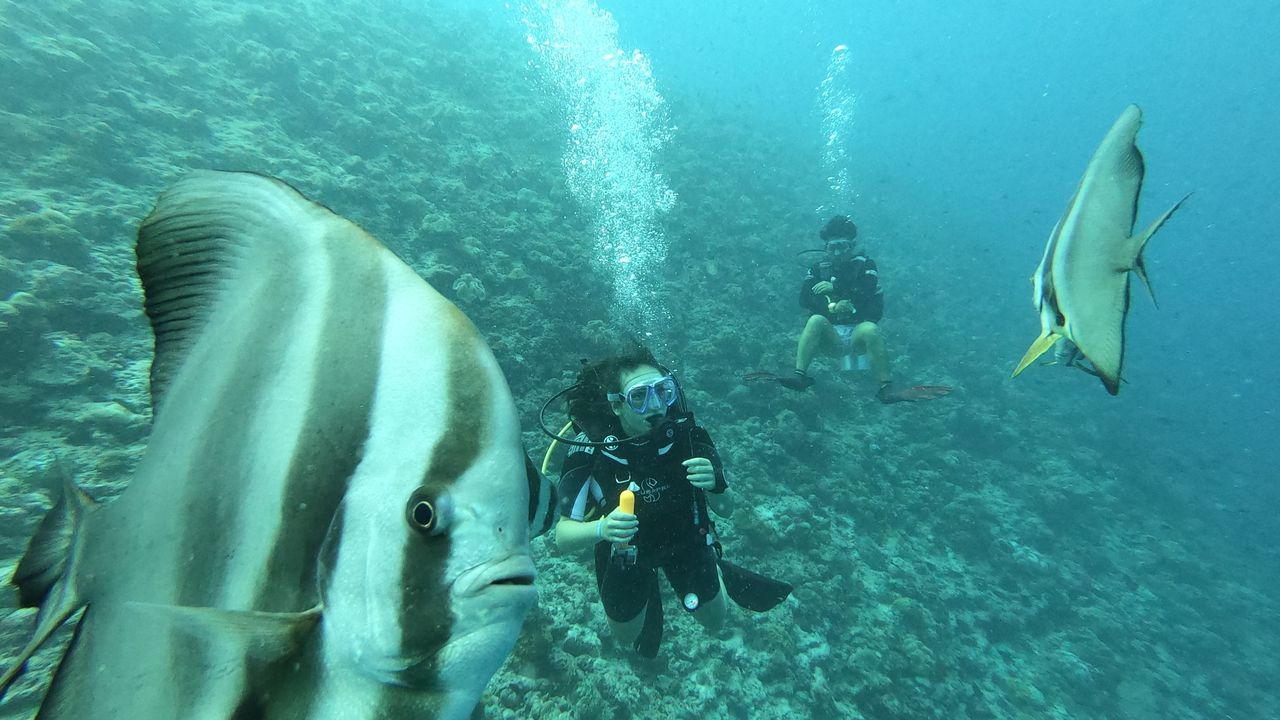
White Sands Dive Shop is a 5 Star PADI Dive Facility on the beach in San Pedro, owned and operated by PADI IDC Staff Instructor Elbert Greer. Local dive and snorkel trips leave at 9:00, with pickup at the dock of your hotel, so there is time for an easy breakfast first.
Vivake K. Bhalla described Elbert as “very friendly and fun, but equally very strict about safety” in his letter. Read more in the letters from Elbert’s dive students, and see current course and dive prices on our Water Sports page.
Scuba diving after eating: your questions answered
Can you scuba dive right after eating?
For most healthy divers a light, moderate meal is fine. DAN advises against overeating and notes that many divers avoid heavy, fatty meals before diving to prevent stomach discomfort.
How long before a boat dive should I eat?
DAN’s seasickness advice is to eat a light meal 45 to 60 minutes before boarding. An empty stomach is more easily irritated, so skipping food is not the answer.
What should I eat before diving?
Plain, familiar food with complex carbohydrates, such as toast, cereal, rice, pasta, potatoes or fruit. Avoid heavy, greasy meals and alcohol.
Should I eat between dives?
Drink water first, since DAN notes that some post-dive hunger is really thirst. A small snack such as crackers or fruit is fine, but avoid overeating.
What if I feel sick underwater?
DAN says to keep your primary regulator in your mouth and vomit through it, with your spare second stage close by. Signal your buddy and end the dive if you feel unwell.
Plan your dive day with us
Questions about timing, seasickness or what to bring on the boat? Email Elbert at elbertgreer@fastmail.fm or call 011 (501) 226 2405, and we will help you plan a comfortable day on the water.