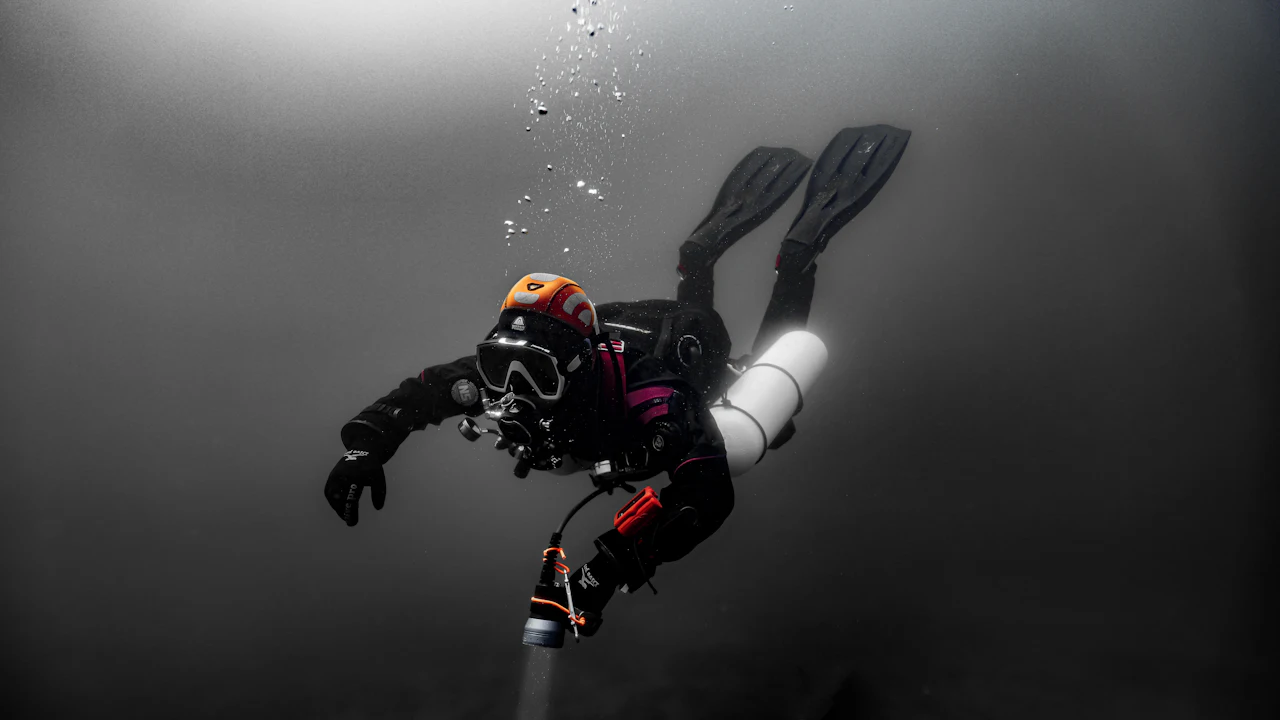
Your mask is the piece of gear you notice most on a dive. When it fits, you forget it is there and watch the reef. When it leaks, fogs or pinches, it is all you can think about for the next hour.
This guide explains how to choose a dive mask, whether you are buying your first one before a trip or replacing an old favorite. We cover the fit test, skirt material, low volume masks, single and two window designs, tempered glass and options for divers who wear glasses.
How do you choose a dive mask that fits?
Quick answer: Choose fit first. Hold the mask to your face without the strap and inhale gently through your nose: it should stay in place, with the soft silicone skirt touching your face evenly all the way around. Then check for tempered glass, a nose pocket you can pinch, an adjustable strap and the volume and view you prefer.
Start with the scuba mask fit test
Every face is a different shape, which is why there is no single best mask. PADI’s guide to dive masks puts fit and comfort ahead of everything else and advises never to sacrifice them for price. Try on several masks and compare them side by side.
- Seal test. Push your hair back, place the mask on your face without the strap and inhale gently through your nose. A good fit stays put without air leaking in.
- Edge check. Look in a mirror or ask a friend: the skirt should rest evenly against your face along its entire edge, with no gaps at the temples or under the nose.
- Mouthpiece test. Repeat with a snorkel or regulator in your mouth. A mouthpiece changes the shape of your face slightly, so a mask that seals alone can still leak.
- Nose pinch. Put the strap on and pinch the nose pocket with one hand, the way you will when you equalize your ears.
- View check. Look up, down and to the sides for blind spots, and press gently on the frame to feel for hard edges on your nose or forehead.
PADI notes that a mustache or beard makes a seal harder, though not impossible. If you have facial hair, simply try more models before you decide.
Skirt material and glass: what makes a mask scuba-ready
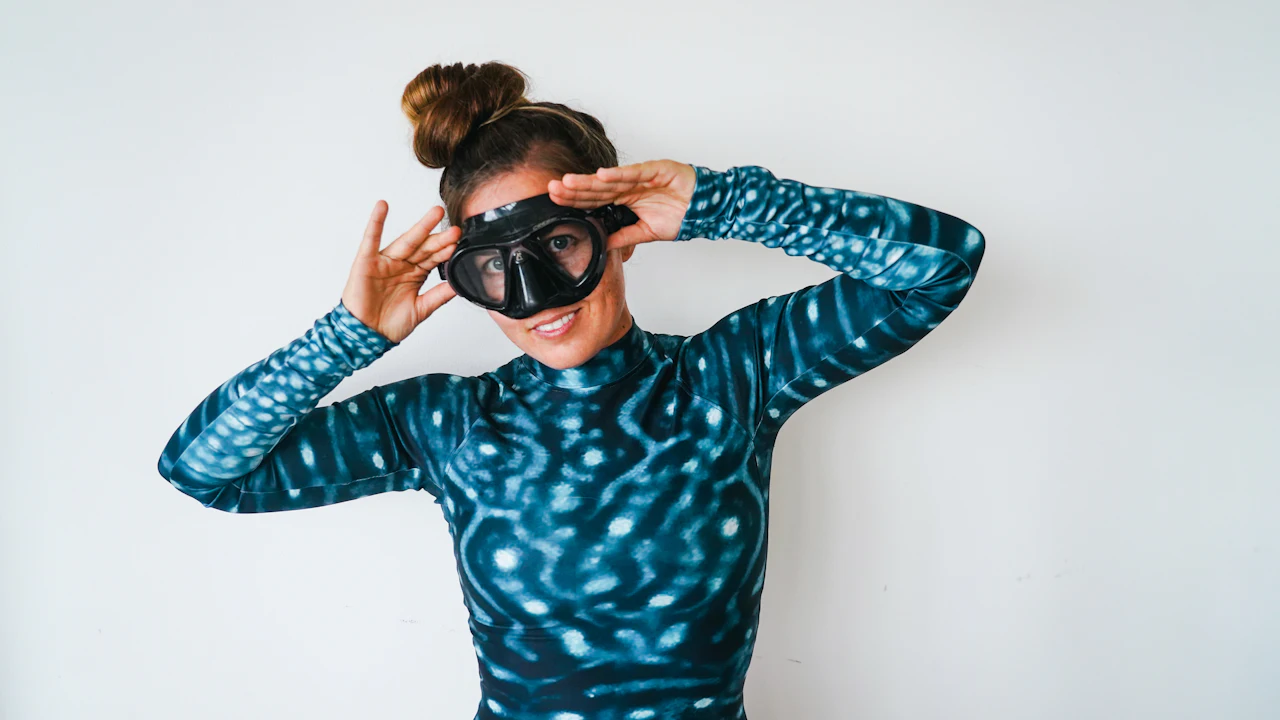
The skirt is the soft part that touches your face. PADI describes the ideal as a comfortable, feathered double skirt of soft silicone rubber, which flexes to follow your cheekbones and seals without pressing hard. PADI lists both black and clear silicone as options, so pick the one you like.
Check the lens too. PADI recommends a tempered-glass lens for safety, or lenses of strong, high-quality composite material. Plastic lenses on cheap snorkel sets are not made for the pressure of a dive.
The nose pocket
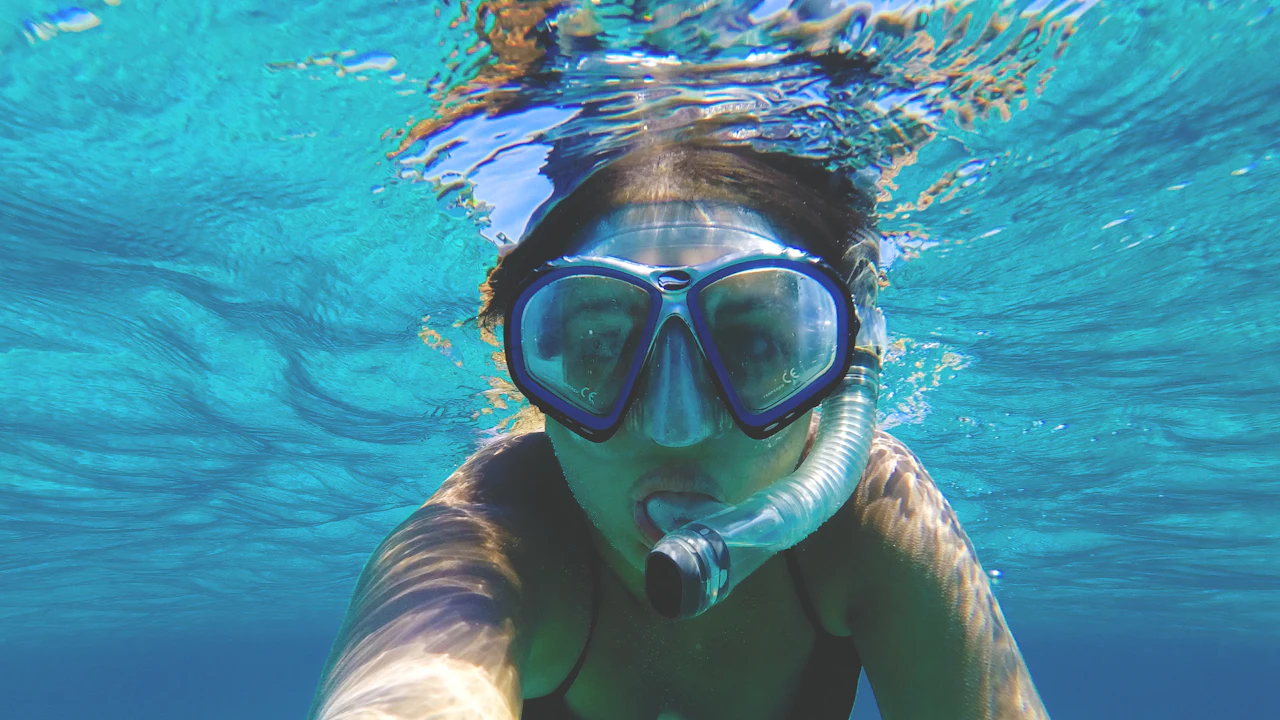
A scuba mask must enclose your nose. That lets you exhale into the mask to balance pressure as you descend, and it lets you pinch your nostrils to equalize your ears. Swim goggles and full-face snorkel masks cannot do this, so they are not for scuba.
Low volume mask or wide view?
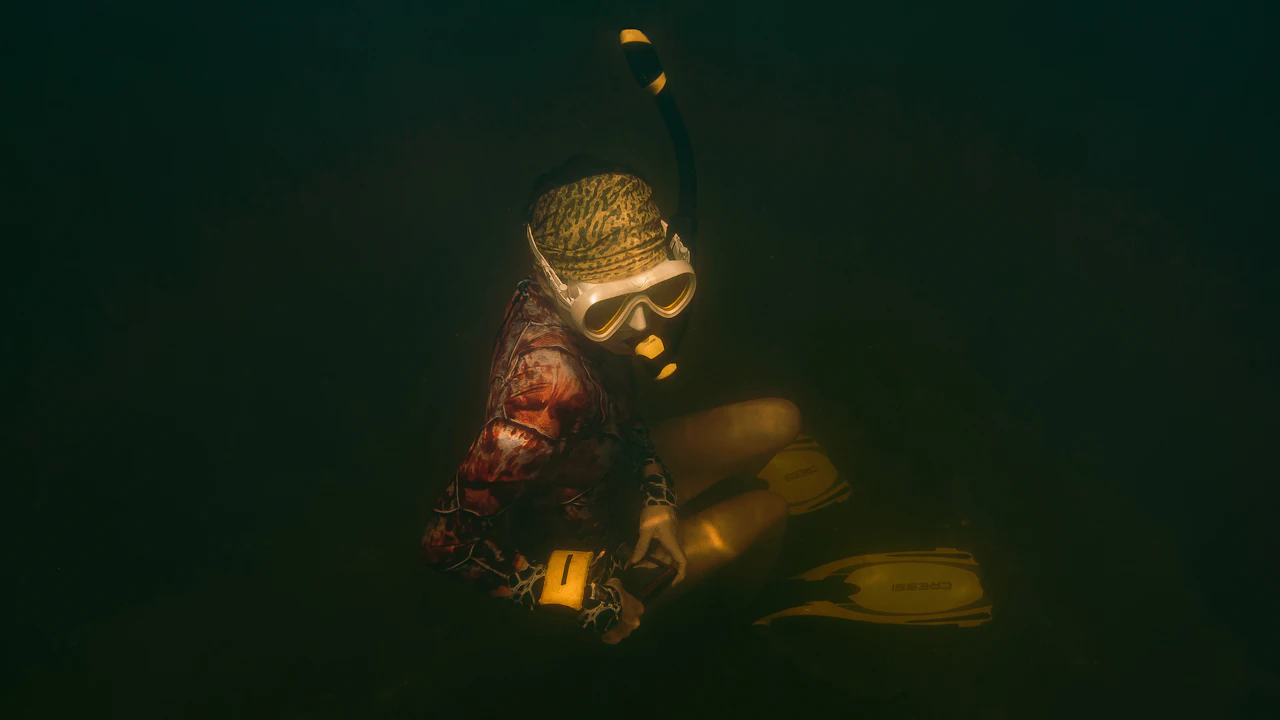
Volume is the air space inside the mask. PADI notes that a low profile mask is easier to clear of water and gives a wider field of vision, because the lenses sit close to your eyes. Low volume masks also take less air to equalize as you descend.
Larger masks can feel roomier, which some divers like if they feel closed in. The trade-off is that they hold more water when they flood. If clearing worries you, our guide on how to clear a dive mask step by step shows how little effort a well-fitted mask needs.
Single window vs two window masks
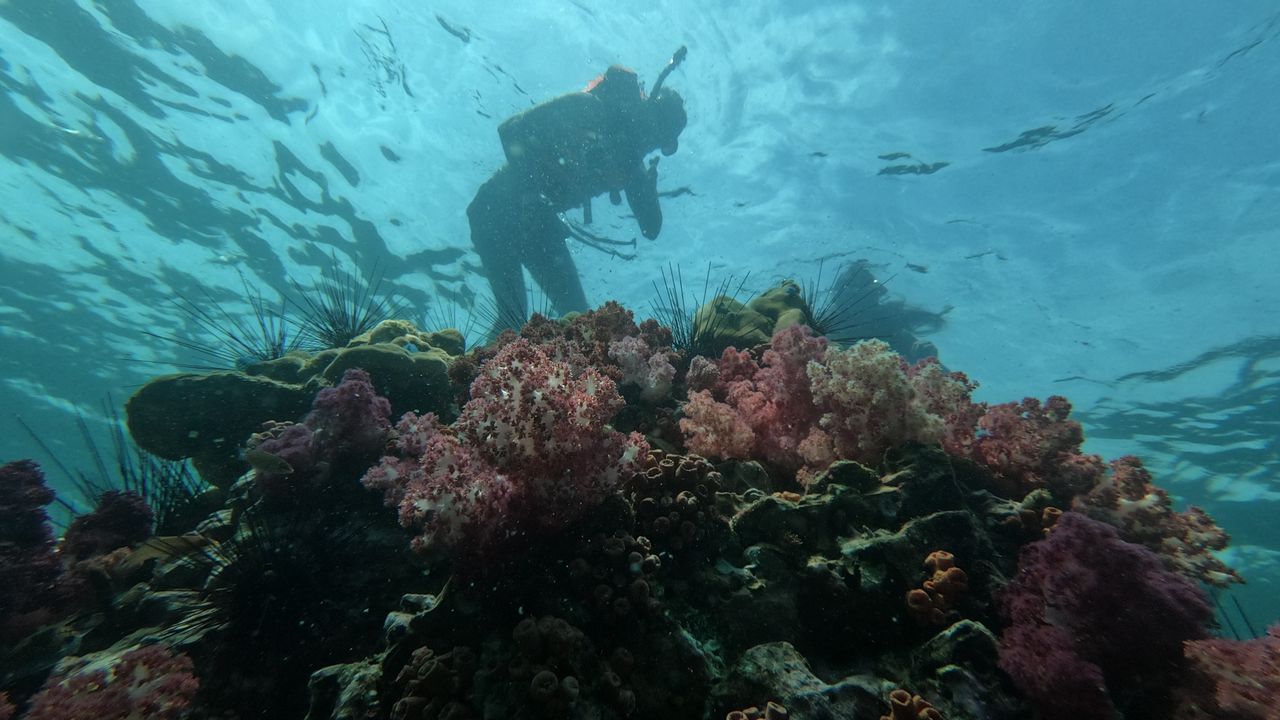
Masks come with one wide lens or two separate lenses. Neither is better for everyone, so choose by your eyes and what you want to see. The table compares the main styles.
| Mask style | Strengths | Watch for | Best for |
|---|---|---|---|
| Single window | One wide, unbroken view | Check whether the model takes optical lenses | Divers who want an open view, photographers |
| Two window | Many frames accept optical lenses | A center bar between the lenses | Divers who need vision correction |
| Low volume | Easy to clear and equalize, lenses close to the eyes | Can press on the nose bridge if the shape is wrong | Most recreational divers |
| Frameless | Light and folds flat into a pocket | Check lens options for the model | Travelers and divers who carry a spare |
PADI’s mask reviews describe several two window masks with frames made to take optical lenses, and single window masks chosen for a wide, open field of view. Some single window designs accept optical lenses too, so check the model.
Prescription lenses and divers who wear glasses
You cannot wear glasses under a mask, because the arms break the seal. PADI notes that some masks are designed to fit prescription lenses, and suggests asking a dive professional to help you match a mask to your prescription and your face.
Our guide to scuba diving with glasses or contact lenses covers stock lenses, custom lenses and diving in contacts. Bring a copy of your prescription when you shop.
Strap, extras and caring for your mask
- Strap: pick one that adjusts and locks, and learn how the buckle works before the dive. PADI also mentions optional straps of wetsuit material that close with Velcro.
- Purge valve: an optional one-way valve for clearing water. It is not needed; any mask clears with a steady nose exhale.
- New lenses: PADI advises scrubbing a new mask’s lenses before first use and applying defog before every dive. Our guide on how to stop mask fogging underwater explains why.
- After the dive: rinse in fresh water, keep the mask out of direct sun, store it cool and dry, and keep clear silicone away from black neoprene, which can stain it.
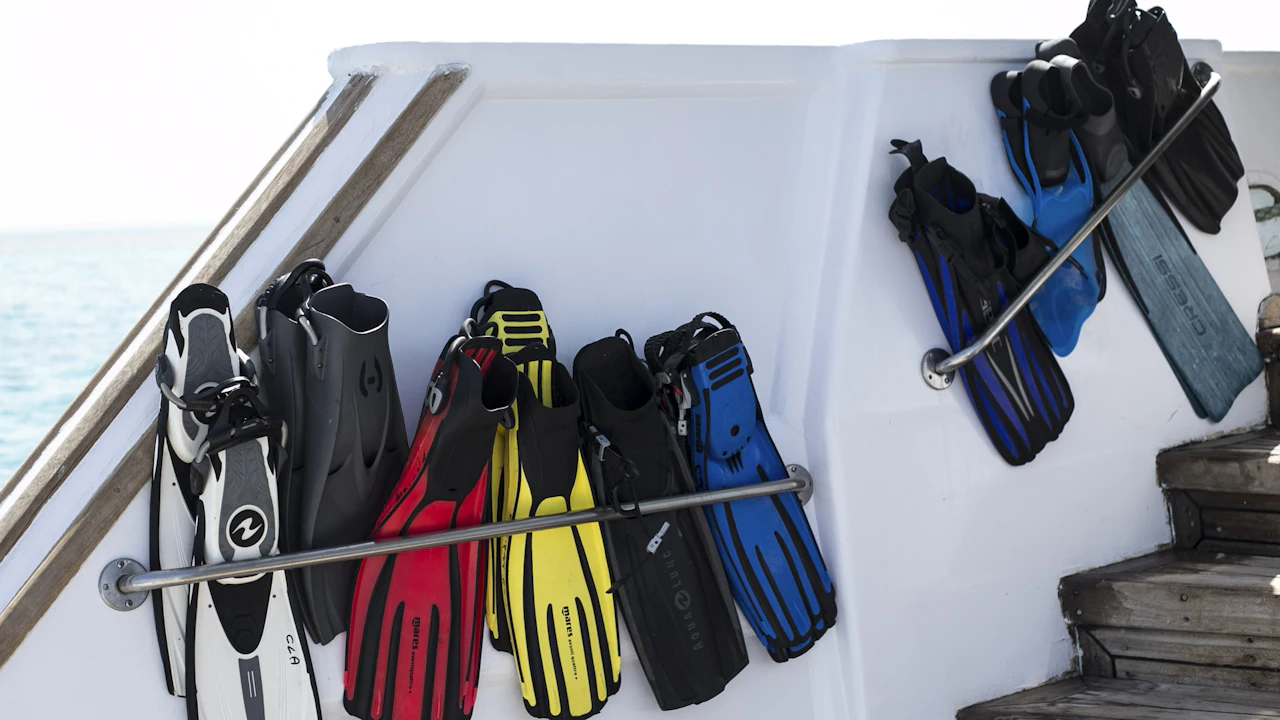
Not ready to buy? Our guide to scuba gear rental on Ambergris Caye covers what to check when you use rental gear, including mask fit.
Get advice from an experienced instructor
White Sands Dive Shop is a 5 Star PADI Dive Facility on the beach in San Pedro, owned and operated by PADI IDC Staff Instructor Elbert Greer. Gear selection is part of what students learn: our Open Water course covers scuba gear selection and preparation. Our overview of learning to dive on Ambergris Caye explains each course.
Vivake K. Bhalla wrote, “Elbert Greer was an outstanding instructor with a lot of experience and useful tips.” Read more in the letters from Elbert’s dive students, and see current course prices on our Water Sports page.
How to choose a dive mask: your questions answered
Should I buy my own dive mask or rent one?
Many divers buy a mask first because fit is personal and a mask is easy to pack. Renting works too, as long as you test the fit before the dive.
How do I know if a dive mask fits?
Hold it to your face without the strap and inhale gently through your nose. If it stays in place and the skirt touches your face evenly all around, it fits, and it should still seal with a regulator in your mouth.
Is a low volume mask better?
For most divers, yes. PADI notes a low profile mask is easier to clear and gives a wider field of vision, but the shape must still suit your face.
Can I use a snorkeling mask for scuba diving?
Only if it is a true dive mask with a tempered glass lens and a skirt that encloses your nose. Full-face snorkel masks and swim goggles are not suitable for scuba.
Can I get a dive mask with my prescription?
Yes. PADI says some masks are designed to fit prescription lenses, and a dive professional can help you find one that fits both your face and your lenses.
Questions about gear for your trip? Ask Elbert
Tell us what you plan to bring and what you need, and we will help you get ready for your dives. Email Elbert at elbertgreer@fastmail.fm or call 011 (501) 226 2405.