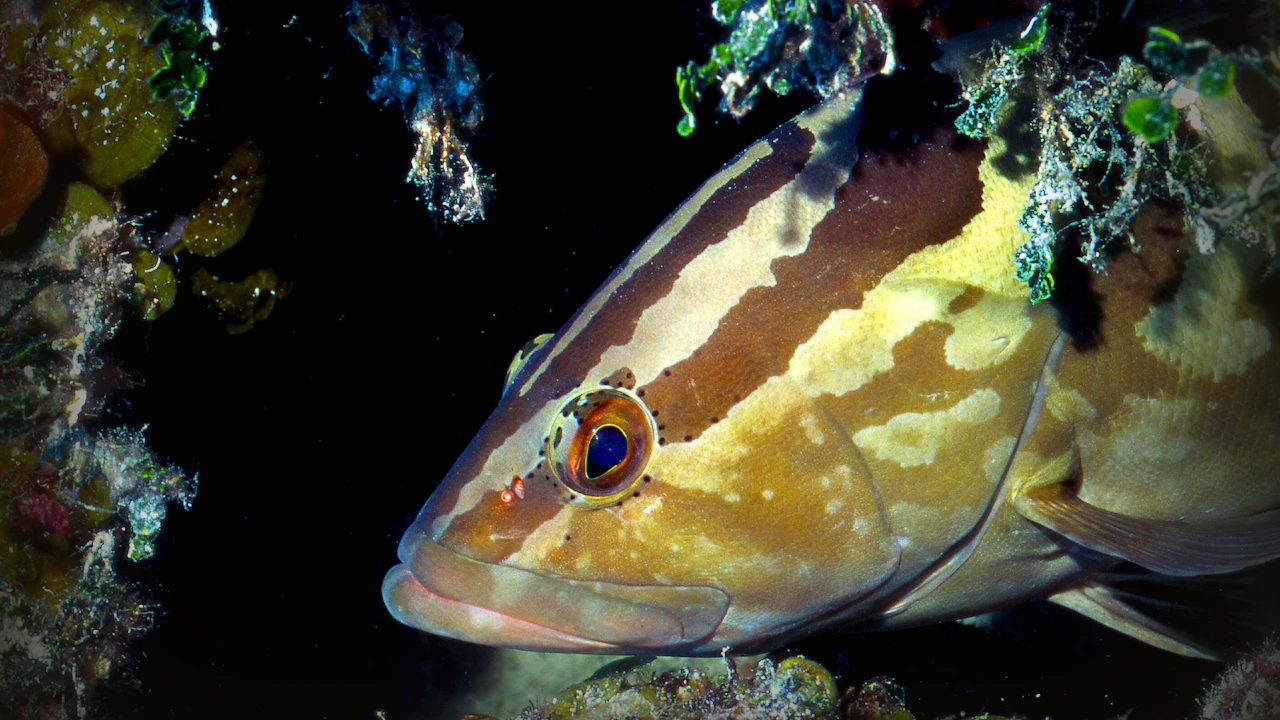
Few reef fish carry as much history as the Nassau grouper. It was once one of the most common groupers in the region, and today it is a protected species across much of the Caribbean. Divers who meet one on the reef usually remember the big eyes, the bold stripes and the calm, curious stare.
This guide is for divers, snorkelers and anglers who want to understand the Nassau grouper Belize protects with a closed season and size limits. We cover how to recognize one, how its famous full-moon spawning gatherings work, why it declined, and what the rules say. The biology comes from NOAA Fisheries and the Belize rules from Fisheries Department notices.
Is the Nassau grouper protected in Belize?
Quick answer: Yes. Belize Fisheries Department notices say no one may take, buy, sell or possess Nassau grouper from December 1 to March 31, and outside that season only fish between 20 and 30 inches may be kept, landed whole. NOAA Fisheries lists the species as threatened under the US Endangered Species Act.
Nassau grouper facts: how to identify one
According to the NOAA Fisheries species profile of the Nassau grouper, this is a moderate-sized fish with large eyes and a robust body. Adults are usually light beige with five dark brown vertical bars. The markings are distinctive once you know what to look for.
- Tail saddle: a large black blotch on the upper base of the tail.
- Eye spots: a row of black spots below and behind each eye.
- Head band: a dark band shaped like a tuning fork on top of the head.
- Size: up to about 55 pounds and 4 feet long, living up to 29 years.
NOAA adds that the color can change within minutes, from almost white to two-toned to dark brown, depending on behavior. Juveniles share the adult pattern, which helps tell them apart from other groupers. Most fish mature at around 20 inches and 4 to 5 years old.
Where Nassau groupers live and what they eat
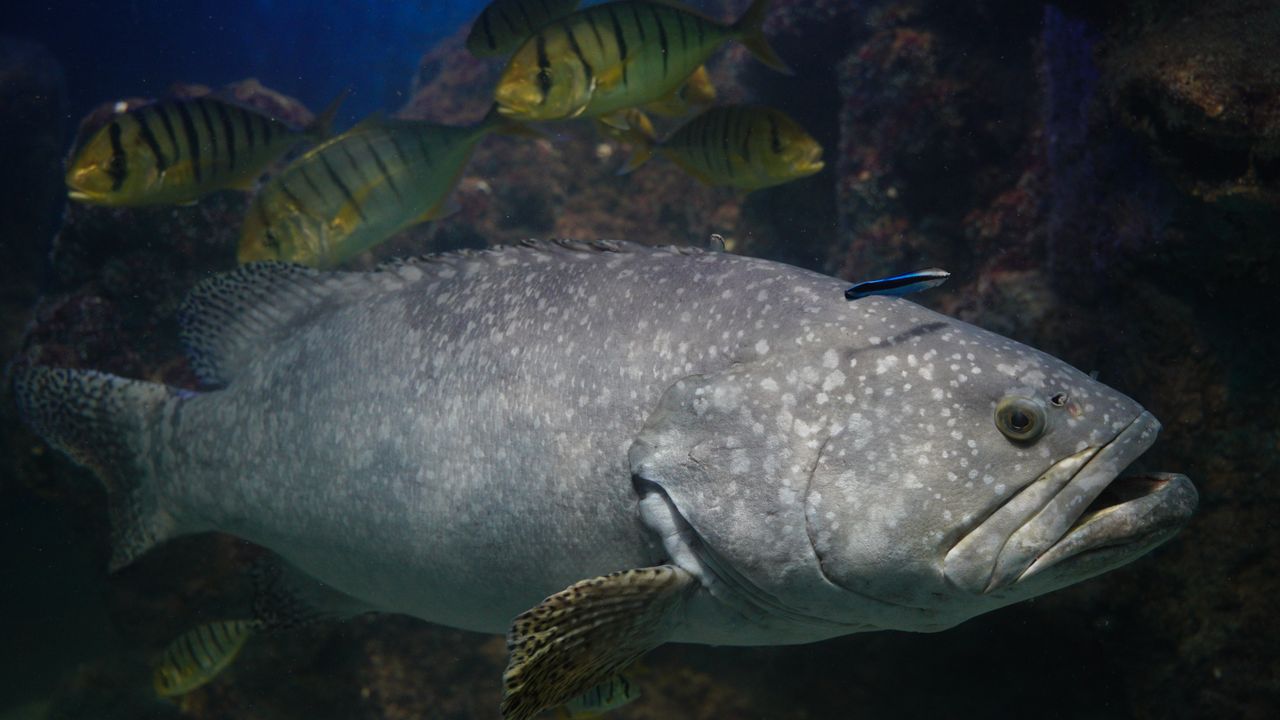
NOAA lists a range across the tropical and subtropical waters of the Caribbean and western North Atlantic, including Central America. The fish can be found as deep as 426 feet but generally lives on shallow reefs. It sticks close to hard structure such as reefs, rocks and ledges.
Habitat changes with age. Juveniles live in shallow nearshore water with macroalgae and seagrass, while adults favor high-relief reefs in clear water and often stay in one spot for long periods. Our page on parrotfish and healthy coral reefs explains why that reef structure matters to so many species.
The Nassau grouper is an ambush predator that swallows prey whole with a quick suction of its mouth. NOAA says adults eat only fish, while juveniles also take shrimp and crabs. Groupers are also listed by NOAA among the predators of the Caribbean spiny lobster, the reef’s night walker.
Grouper spawning aggregations, explained
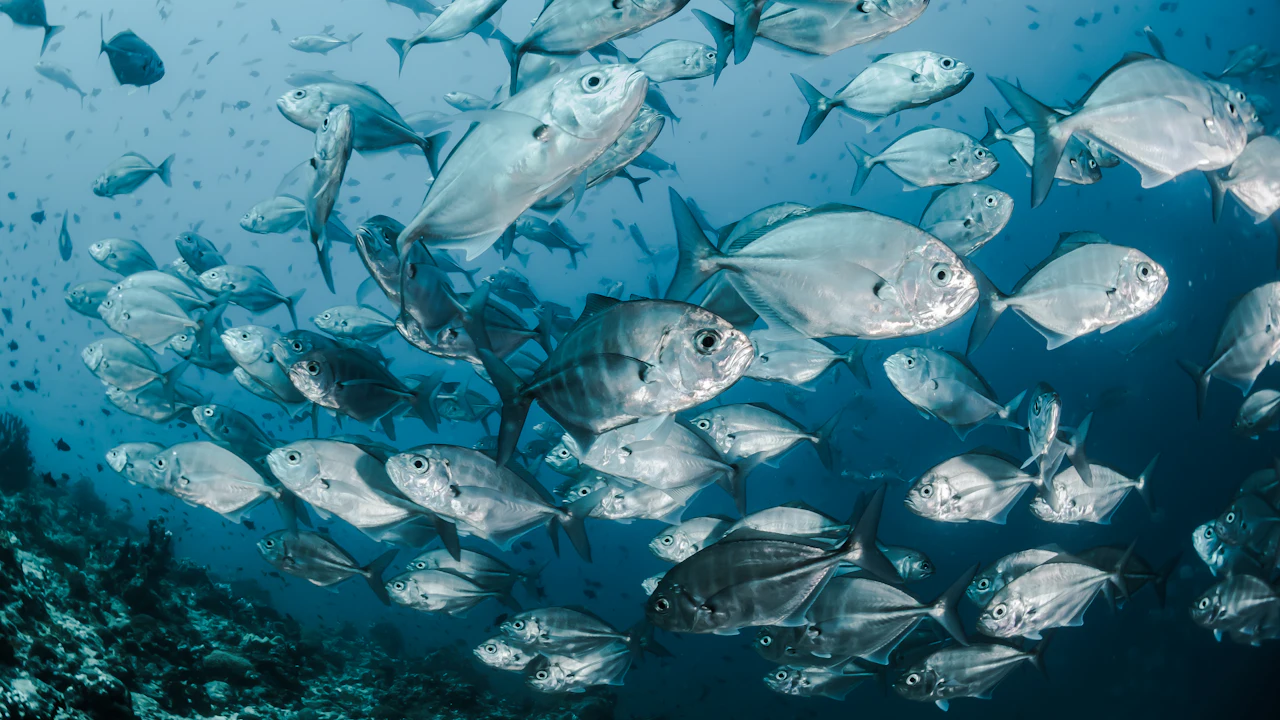
Adult Nassau groupers mostly live alone. Once a year that changes completely. NOAA explains that all known reproduction happens in spawning aggregations: gatherings of hundreds, thousands or even tens of thousands of fish at the same site.
- When: from November through February, around the full moon, when the water is about 79°F.
- Travel: adults leave their home reefs, some swimming a few kilometers and others several hundred, in groups of 25 to 500 fish.
- Where: near reef edges and drop-offs, at depths of 20 to 200 feet.
- Spawning: near sunset, a female leads a fast upward rush and releases eggs while males release sperm.
The eggs float and hatch within a day or two. NOAA says the larvae drift for one to two months before settling nearshore. After spawning, the adults swim back to their home reefs.
Why aggregations make the fish vulnerable
Gathering in one place at a predictable time is a strong breeding strategy, but it also makes the fish easy to catch. NOAA names fishing at spawning aggregations as a high-risk threat, alongside fishing on the migration routes to and from those sites. Taking adults while they breed raises adult deaths and cuts the number of young fish joining the population.
Threats and protected status
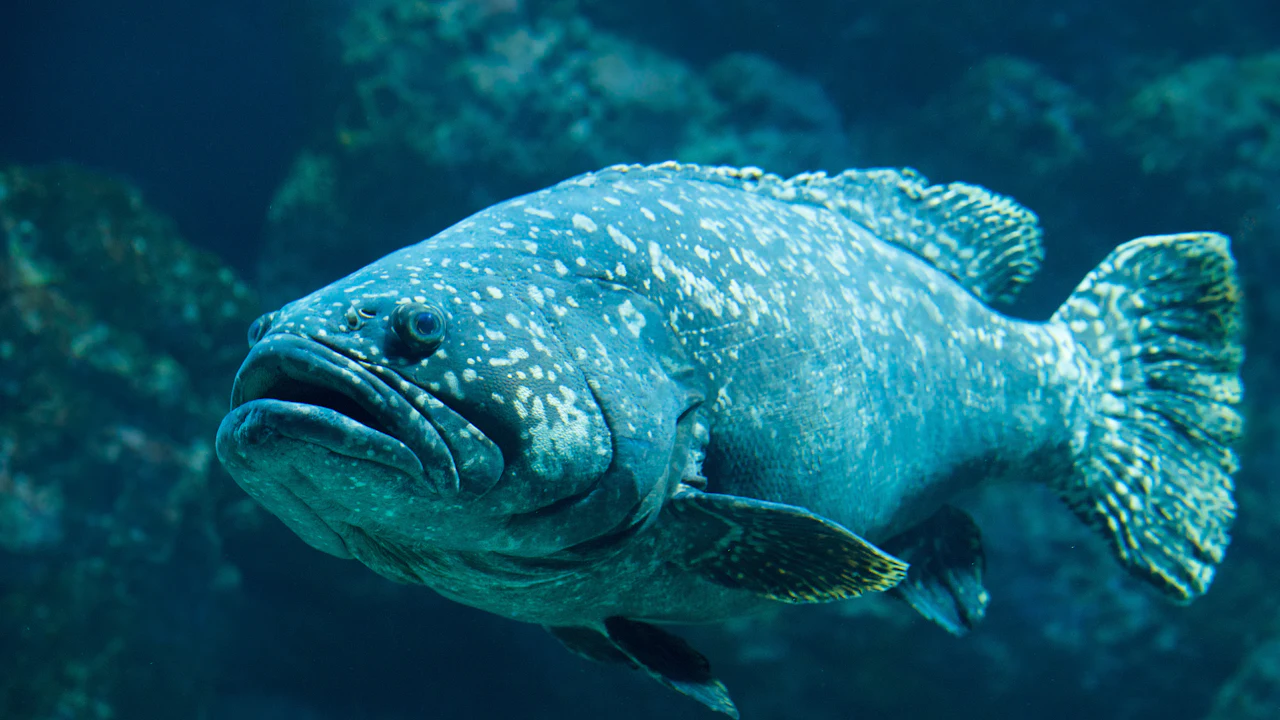
NOAA describes remaining stocks as overexploited, and in some areas the fish is commercially extinct. It also points to uneven regulation across the region, too few enforcement officers in some countries, and bycatch on hooks, longlines and traps. The table below sums up the protections we found in official sources.
| Protection | Set by | What it means |
|---|---|---|
| Threatened species listing (2016) | US Endangered Species Act, via NOAA Fisheries | Listed as threatened throughout its range |
| Endangered classification | IUCN, as cited by NOAA | Reflects a decline of about 60 percent over three generations |
| Annex III listing | SPAW Protocol for the Wider Caribbean | Listed in Annex III throughout the Wider Caribbean, approved in March 2017 |
| Closed season, December 1 to March 31 | Belize Fisheries regulations | No taking, buying, selling or possessing Nassau grouper |
| Slot size and whole landing | Belize Fisheries regulations | Only fish from 20 to 30 inches total length, landed as a whole fish |
| Marine reserves at some spawning sites | Belize, per the Fisheries Department | Some aggregation sites lie inside marine reserves |
In an April 2024 notice, the Fisheries Department said the open season runs from April 1 to November 30. It added that Belize has set up marine reserves at some spawning aggregations, but that further measures may be needed because annual catches keep falling. Our guide to the Belize Barrier Reef Reserve System covers the wider network of protected areas.
A note for anglers
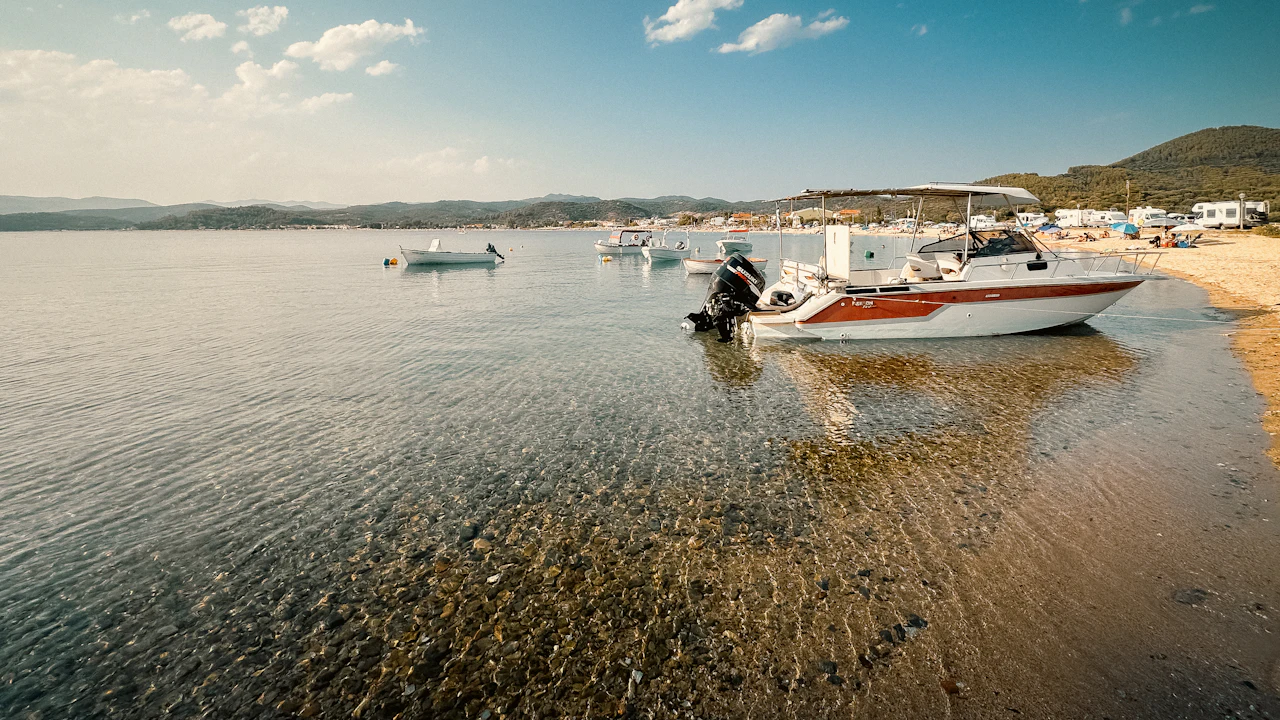
Our reef, fly and deep sea fishing page says that “Snapper, barracuda, jacks and groupers are some of the common catches on a day trip.” Grouper is a family of several species. The Belize rules above apply to the Nassau grouper specifically, so check the season and size limit before keeping any fish.
Seeing a Nassau grouper as a diver
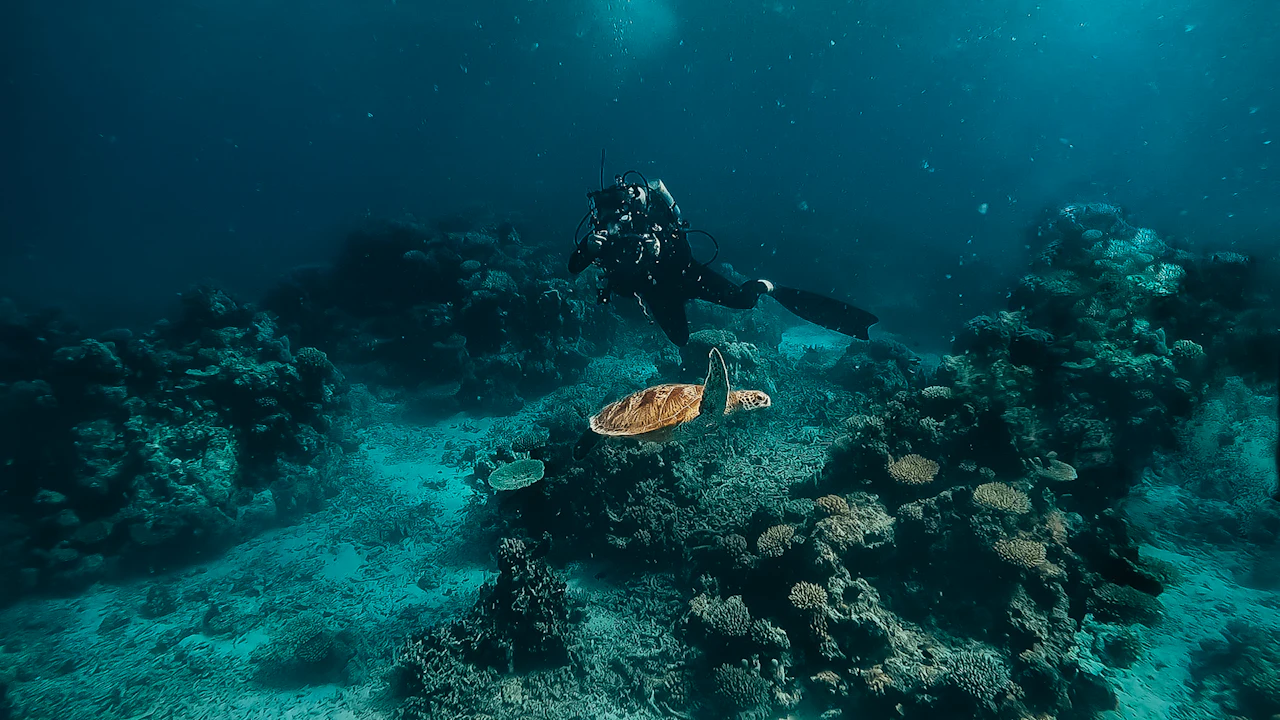
NOAA notes that adults often stay in one spot for long periods, so a grouper may simply hold its ground and watch you from beside a ledge or coral head. Move slowly, keep your distance and let the fish decide how close to come. Our guide to marine life on the Ambergris Caye reef covers the other animals you may meet on the same dive.
White Sands Dive Shop is a 5 Star PADI Dive Facility on the beach in San Pedro, owned and operated by PADI IDC Staff Instructor Elbert Greer. Our guide to scuba diving on Ambergris Caye explains the local reef trips. You will find trip details and current dive and course prices on our Water Sports page.
Families notice the care, too. Bryan Nelson wrote that after meeting Elbert, Joan dropped her plan to join every one of Sam’s certification dives, realizing that “Sam was in the best possible hands”. You can read the full letter in the letters from Elbert’s dive students.
Nassau grouper, Belize: your questions answered
Is the Nassau grouper endangered?
NOAA Fisheries lists it as threatened under the US Endangered Species Act, and notes that the IUCN classifies it as endangered. Remaining stocks are overexploited across much of its range.
When is the Nassau grouper closed season in Belize?
Belize Fisheries regulations prohibit taking, buying, selling or possessing Nassau grouper from December 1 to March 31 each year. The open season runs from April 1 to November 30.
What size Nassau grouper can be kept in Belize?
Only fish between 20 and 30 inches in total length, according to Fisheries Department notices. Every Nassau grouper must be landed whole.
What is a grouper spawning aggregation?
It is a gathering of hundreds to tens of thousands of groupers at one site to breed. NOAA says Nassau grouper aggregations form from November through February around the full moon.
How can I recognize a Nassau grouper underwater?
Look for a light beige body with five dark brown bars, a black saddle on the upper base of the tail and black spots below and behind each eye. A dark tuning fork pattern sits on top of the head.
Plan your reef dives with Elbert
Questions about reef life or planning your dives on Ambergris Caye? Email Elbert at elbertgreer@fastmail.fm or call 011 (501) 226 2405.