Open water vs advanced open water is one of the first questions new divers ask once they start planning a dive trip. Both are PADI certifications, both include real dives in the ocean, and the names sound like steps on the same ladder. They are, but they do very different jobs.
This guide is for travelers deciding which course to book, and for newly certified divers wondering whether the next step is worth taking on their next trip. We compare what each course teaches, the depth limits PADI sets, the prerequisites and the number of dives, then explain who each one suits.
What is the difference in open water vs advanced open water?
Quick answer: Open Water Diver is your first full scuba certification: knowledge, pool skills and four open water dives. Advanced Open Water comes next and builds experience through five adventure dives. PADI says beginners stay shallower than about 18 meters (60 feet), and Advanced Open Water extends that limit to 30 meters (100 feet).
What the Open Water Diver course covers
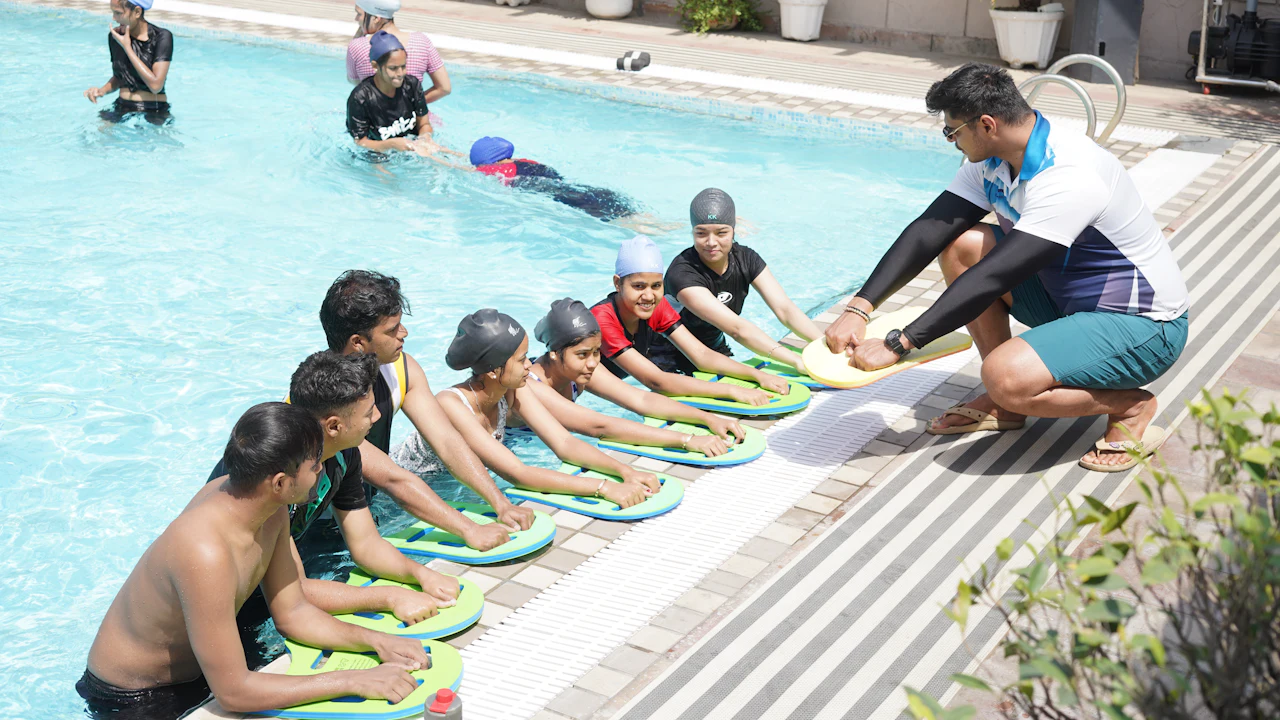
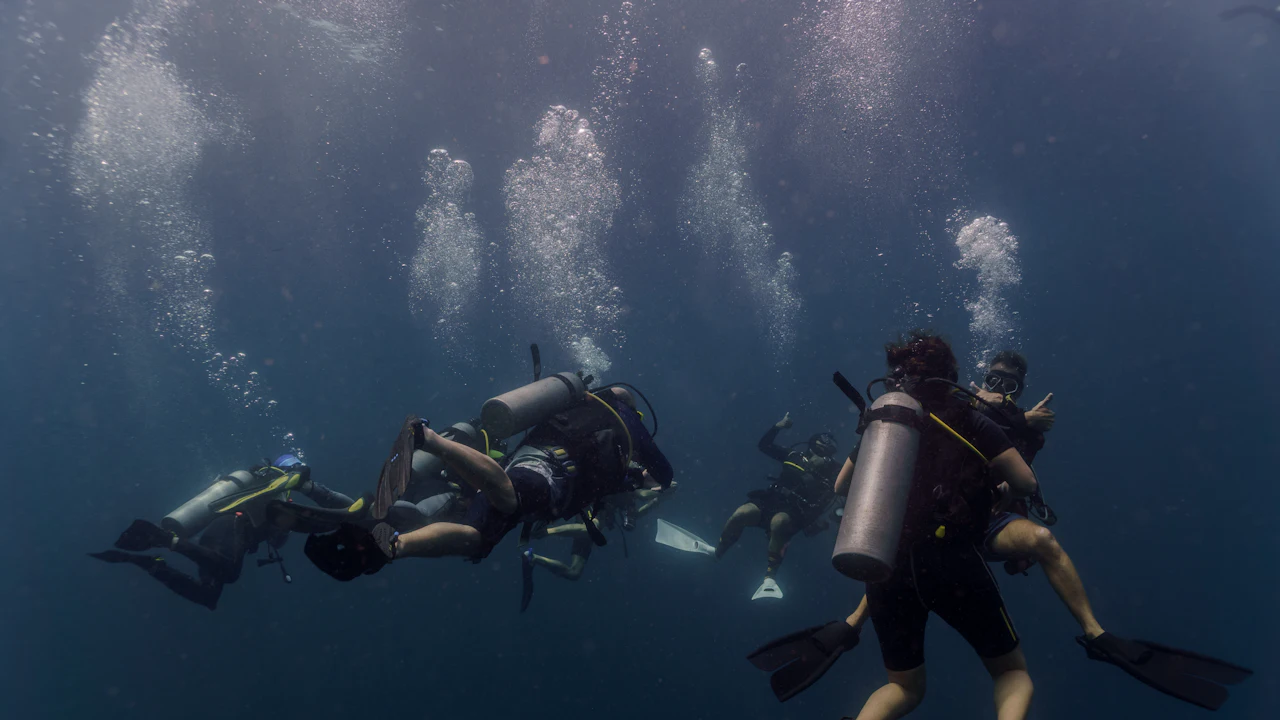
Open Water Diver is the course that turns a beginner into a certified diver. In its PADI scuba certification FAQ, PADI describes three phases: knowledge development, confined water dives in a pool or pool-like water, and four open water dives with your instructor. You finish with a final exam on the basics.
At White Sands Dive Shop, the Open Water Diver course has five classes covering scuba gear selection and preparation, underwater life, dive planning, basic oceanography, diving physics and maladies. It includes four open water dives, and we ask you to allow 3-4 days. Our PADI Open Water course on Ambergris Caye guide walks through each day.
PADI’s entry requirements
PADI sets the minimum age at 10 in most areas, and divers under 15 earn the Junior Open Water Diver certification. Every student completes a scuba medical questionnaire, and a doctor must sign off if any condition on it applies to you.
Before you finish, your instructor checks basic water skills. PADI asks for a 200 meter or yard swim (or 300 with mask, fins and snorkel) with no time limit, plus 10 minutes of floating or treading water.
What Advanced Open Water adds
Despite the name, Advanced Open Water is not meant for experts. On its next steps for Open Water Divers page, PADI says you do not need to be an experienced diver and can enroll right after earning your Open Water certification. The course helps you gain experience under an instructor’s supervision.
The headline change is depth. PADI states that Advanced Open Water extends your depth limit from 18 meters (60 feet) to 30 meters (100 feet), which opens up more dive sites. PADI also suggests thinking of the course as a specialty sampler if the word “advanced” feels intimidating.
Our five Advanced Open Water dives
Our Water Sports page describes the course as a structured, well supervised way for a novice to gain practical experience after first certification. It is not academically oriented. You make five specialty dives with the training to do them safely.
- Three core dives: night, deep and navigation.
- Two electives of your choice: naturalist, drift, boat diver, multilevel or photography.
Each elective is a taste of a full specialty, so you find out which kind of diving you enjoy most. Our Advanced Open Water course on Ambergris Caye guide explains the dives in more detail.
Open Water vs Advanced Open Water side by side
The table puts the two courses next to each other. Depth limits and prerequisites are PADI’s; the course contents are what our Water Sports page lists for White Sands Dive Shop.
| Feature | Open Water Diver | Advanced Open Water Diver |
|---|---|---|
| What you learn | Gear, dive planning, underwater life, oceanography, physics and maladies, plus core pool skills | Hands-on experience in new kinds of diving, with little classroom work |
| Depth limit (PADI) | Beginners stay shallower than about 18 m (60 ft) | Extended to 30 m (100 ft) |
| Prerequisite | None beyond age, a medical questionnaire and basic water skills | Open Water Diver certification, with no extra experience needed |
| Dives | Four open water dives after pool training | Five dives: night, deep, navigation and two electives |
| Time at our shop | Allow 3-4 days | Ask us when you book |
| Who it suits | Anyone who wants to become a certified diver | New divers who want deeper sites, night diving and more confidence |
Both courses are listed, with current course prices, on our Water Sports page of PADI courses and dives.
Is Advanced Open Water worth it?
For most new divers, yes, as long as you take it for the right reasons. You will not come out an expert, but you will log five more supervised dives, try night and deep diving with an instructor beside you, and practice navigation, a skill that makes every later dive calmer.
It also matters for planning. Some dive sites and trips call for deeper experience, and our guide to Blue Hole dive requirements shows why experience counts for the bigger day trips. If you want to understand the depth question in general, read how deep recreational divers can go.
When to wait
If your Open Water dives left you uneasy, a few relaxed fun dives first can help. If it has been a long time since you dived, a refresher before any new course is a sensible start.
Ways to fit both courses into a trip
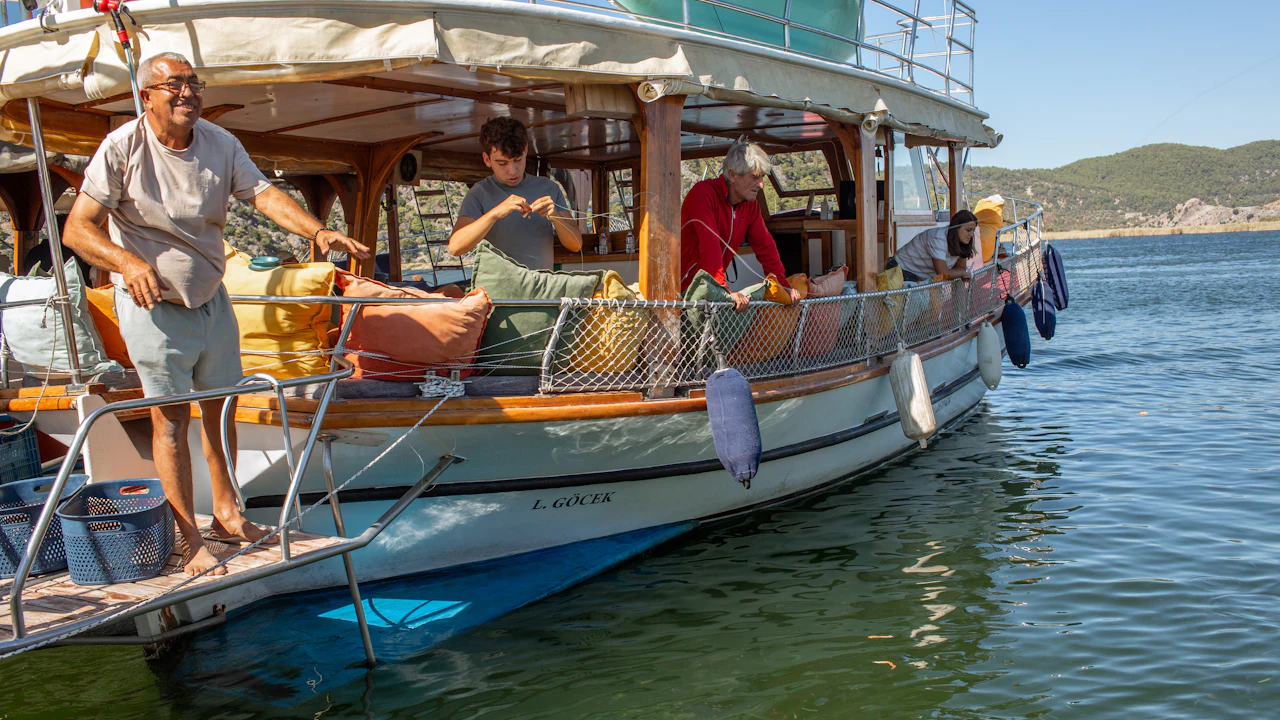
You do not have to spend your whole vacation in a classroom. Our Water Sports page lists several routes into Open Water certification with us:
- Full course: classes, pool and four open water dives here. Allow 3-4 days.
- eLearning: study the theory online with PADI eLearning before you fly, then do the pool and training dives with us.
- Referral: do the early training at home and finish your four open water dives with Elbert. Allow two half days. See our Open Water referral dives in warm Caribbean water.
Once you hold your Open Water card, Advanced Open Water is the natural next booking. Remember to pack proof of your certification; if it has gone missing, our guide to a lost PADI certification card explains how to replace it. Every course we teach is gathered in our learn to dive on Ambergris Caye guide.
Learn with Elbert Greer
White Sands Dive Shop is a 5 Star PADI Dive Facility on the beach in San Pedro, owned and operated by Elbert Greer, PADI IDC Staff Instructor. We offer daily diving, SCUBA instruction and snorkeling, and our PADI courses run from Discover Scuba Diving all the way to the Instructor Development Course.
Bryan Nelson, whose group included new diver Sam, wrote that a friend called Elbert “perhaps the best possible open water instructor to take Sam on his certification dives.” Another student, Vivake K. Bhalla, wrote: “Elbert Greer was an outstanding instructor with a lot of experience and useful tips.” Read more in our letters from students Elbert has taught.
Open water vs advanced open water: your questions answered
Can I take Advanced Open Water right after Open Water?
Yes. PADI says you do not need to be an experienced diver and can enroll immediately after earning your Open Water Diver certification.
How deep can I dive with each certification?
PADI says beginning divers stay shallower than about 18 meters (60 feet). Advanced Open Water extends the limit to 30 meters (100 feet).
How many dives are in each course?
Open Water includes four open water dives after pool training. Our Advanced Open Water course has five: night, deep and navigation, plus two electives you choose.
Is there an exam in Advanced Open Water?
Our Water Sports page describes the course as not academically oriented. The focus is on the five specialty dives and the training to do them safely.
Does my certification expire?
PADI says certifications do not expire. A refresher is recommended if you have not dived in a while, but it is not mandatory.
Ask Elbert which course fits you
Not sure whether to start with Open Water or step up to Advanced? Email Elbert at elbertgreer@fastmail.fm or phone 011 (501) 226 2405. Tell us your dates and your diving so far, and we will help you plan the right course.